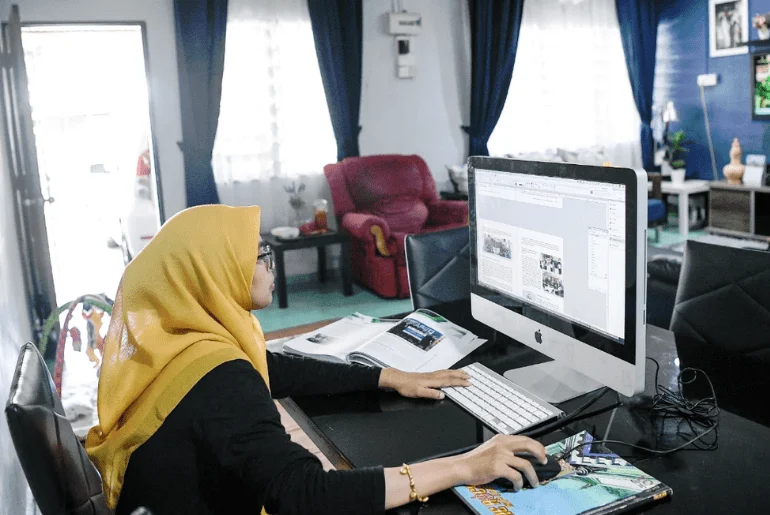
A significant shift in workplace policy, converting a previously fully remote position into a hybrid one, has compelled a marketing professional to reconsider their long-term future with their current organisation. This individual, who initially joined the company with the explicit understanding of permanent remote work, now faces a daily commute of approximately 115 kilometres for two consecutive days each week, necessitating a significant re-evaluation of their employment conditions and personal well-being. This specific case highlights a growing tension within the modern workforce as companies navigate the complexities of post-pandemic operational models, often clashing with evolving employee expectations and commitments.
The Genesis of a Workplace Dilemma
The employee in question, a marketing professional boasting five years of industry experience, had been with their current organisation for over a year, having been recruited under the premise of a fully remote engagement. This arrangement was a crucial factor in their decision to accept the role, aligning with a broader trend of professionals seeking greater flexibility and work-life balance in the wake of the global pandemic. However, a recent, unilateral policy change by the company mandated a transition to a hybrid work model, requiring in-office presence for a portion of the work week. This abrupt shift not only introduced a substantial logistical challenge for the employee but also eroded the foundational trust established during the hiring process.
The imposition of a 115-kilometre daily round trip, two days a week, translates into nearly 460 kilometres of travel weekly, consuming a significant portion of the employee’s personal time and financial resources. Beyond the immediate logistical hurdles, the employee also voiced concerns regarding a perceived lack of transparency in the company’s appraisal process. This uncertainty, coupled with the unexpected policy reversal, served as a catalyst, reinforcing the employee’s decision to actively explore new career opportunities, specifically those offering genuinely remote roles. The situation was openly discussed on an online professional forum, where the individual sought advice ahead of an interview with another company that promised a permanent work-from-home setup.
The Broader Context: The Evolving Landscape of Remote Work
The scenario faced by this marketing professional is not an isolated incident but rather emblematic of a wider, ongoing recalibration within the global workforce. The COVID-19 pandemic, beginning in early 2020, forced an unprecedented and rapid adoption of remote work models across industries worldwide. Companies, initially hesitant, quickly discovered the viability and, in many cases, the benefits of a distributed workforce, ranging from reduced overhead costs to expanded talent pools. Employees, in turn, experienced newfound flexibility, a reduction in commuting stress, and a perceived improvement in work-life balance.
However, as the immediate crisis subsided, a significant number of organisations began to implement "Return-to-Office" (RTO) or hybrid mandates. These decisions are often driven by a variety of factors, including a desire to restore pre-pandemic corporate culture, foster in-person collaboration, enhance mentorship opportunities, or simply to justify significant investments in commercial real estate. While some employees welcomed the return to office, many, like the marketing professional, had integrated remote work into their personal and professional lives, making a sudden reversal highly disruptive. This clash between corporate strategy and employee expectation has fueled a period of significant workforce flux, contributing to phenomena such as the "Great Resignation" and "Quiet Quitting," where employees either leave their jobs or reduce their discretionary effort when their expectations for flexibility are not met.
The Commute Conundrum: A Regional Challenge
The specific geographical context of this employee’s predicament — involving long journeys between Delhi, Gurugram, and Greater Noida — adds another layer of complexity. The National Capital Region (NCR) of India is notorious for its sprawling urban landscape, heavy traffic congestion, and often inadequate public transportation infrastructure for inter-city commutes. A 115-kilometre round trip in this region can easily translate into three to five hours of daily travel, depending on peak hours and specific routes.
Such extensive commutes impose substantial costs on employees, both tangible and intangible. Financially, there are direct expenses related to fuel, vehicle maintenance, and potential tolls. The opportunity cost, however, is far greater: hours lost that could be spent on personal development, family time, rest, or leisure. Studies have consistently shown that long commutes contribute significantly to increased stress levels, reduced job satisfaction, and a higher risk of burnout. For an employee who had grown accustomed to the convenience and time-saving benefits of remote work, the sudden imposition of such a demanding travel schedule represents a drastic decline in their quality of life and a fundamental breach of their original employment agreement.
Navigating the Job Market: Strategy and Disclosure
Ahead of a crucial interview for a new remote role, the employee sought guidance on how best to articulate their reasons for seeking a change. The primary concern was whether the arduous commute would be deemed a "reasonable explanation" by a prospective employer and how to frame this without appearing solely focused on remote work as an end in itself. This query sparked a broader discussion on the online forum, with various users offering perspectives on interview strategies. Many advised candidates to frame a job switch around career growth, new challenges, and long-term opportunities, rather than solely focusing on the desire for remote work or dissatisfaction with a previous employer’s policies. The consensus often leans towards presenting a proactive, forward-looking narrative rather than a reactive, complaint-driven one.
In a subsequent update, the employee shared insights from the actual interview. When prompted about the motivation for seeking a new position, the employee skillfully navigated the conversation. While acknowledging recent layoffs at the current company, they specifically highlighted the impracticality of the newly opened office’s location, approximately 60 kilometres away from their residence. Crucially, the employee clarified that their objective was not merely to secure any remote job, but rather to find a work environment that offered a "more practical daily commute," implying a desire for a sustainable and balanced work arrangement, whether fully remote or a thoughtfully designed hybrid model. This nuanced approach aimed to convey a commitment to professional efficacy and well-being, rather than a rigid insistence on a specific work model.
The Employee’s Perspective and Rationale
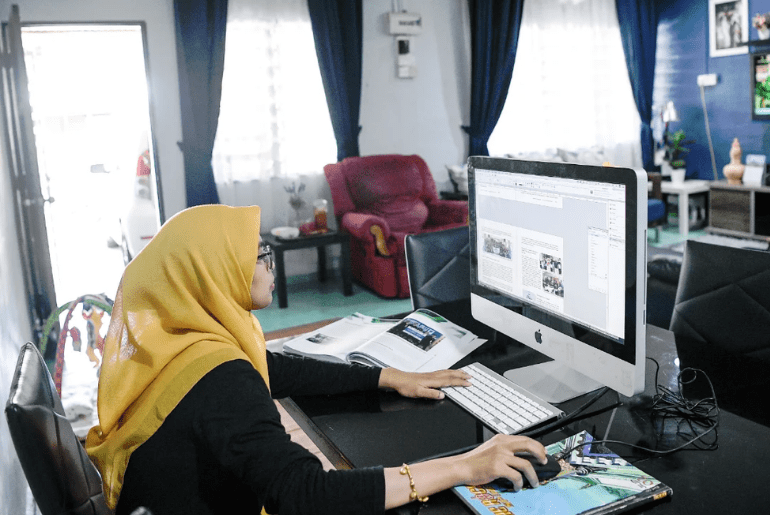
The employee’s rationale for seeking a new opportunity extends beyond the mere inconvenience of a long commute. It encompasses several interconnected concerns that reflect broader shifts in employee priorities. Firstly, the initial expectation of a permanent remote role was a cornerstone of their employment agreement. A unilateral change to this fundamental condition can be perceived as a breach of trust, impacting morale and loyalty. Secondly, the mentioned lack of clarity around the appraisal process adds another layer of uncertainty, suggesting potential issues with performance recognition and career progression within the current organisation. In an environment where transparency and fair evaluation are paramount, such ambiguity can significantly diminish an employee’s sense of value and future prospects.
Thirdly, the practical implications of the commute are substantial. The financial burden of fuel, vehicle wear, and tear, coupled with the significant time expenditure, directly impacts disposable income and personal time. For a marketing professional with five years of experience, time is a valuable commodity, and sacrificing several hours daily to travel detracts from opportunities for skill development, networking, or personal pursuits. The mention of recent layoffs also indicates an underlying sense of job insecurity, further compelling the employee to explore more stable and aligned opportunities. This combination of broken expectations, financial strain, time loss, and perceived instability creates a compelling case for seeking alternative employment.
Expert Insights on Workforce Transitions
Human Resources professionals and career counsellors often advise individuals in similar situations to focus on presenting their career aspirations positively during interviews. While honesty about the reasons for leaving is encouraged, the emphasis should be on growth, new challenges, and finding a better fit for long-term professional development. For instance, an employee might explain that they are seeking a role that aligns more closely with their preferred working style, which proved highly productive during remote work, or one that offers a better balance between professional commitment and personal well-being, which has been impacted by recent policy changes.
Furthermore, experts recommend thoroughly vetting a prospective employer’s remote or hybrid policies. In light of the ongoing evolution of work models, it’s crucial for candidates to inquire about the stability and long-term vision behind these policies to avoid encountering similar reversals in the future. Questions about company culture, communication strategies for remote teams, and performance evaluation methods for distributed workforces are increasingly important during the interview process.
Statistical Snapshot: The Remote Work Imperative
Recent global data underscores the significance of remote and hybrid work models. According to various surveys:
- Employee Preference: A significant majority, often over 70%, of employees express a desire for continued remote or hybrid work options, even post-pandemic. For many, flexibility has become a non-negotiable benefit.
- Productivity: Studies by organisations like Stanford University and PwC have indicated that remote work, when managed effectively, can maintain or even increase productivity. While some companies cite concerns about collaboration, many employees report higher focus and fewer distractions at home.
- Retention: Companies offering flexible work arrangements often report higher employee retention rates and improved talent acquisition. The ability to work remotely expands the talent pool beyond geographical constraints, allowing companies to hire the best candidates regardless of location.
- RTO Pushback: Data shows that mandatory RTO policies can lead to increased attrition, particularly among high-performing employees who value flexibility. Some reports indicate that up to 30-40% of employees would consider leaving their jobs if forced back into the office full-time.
- Commute Impact: Research consistently links long commutes to higher stress levels, lower job satisfaction, and adverse health outcomes. The average daily commute time in major Indian cities can range from 60 to 90 minutes one-way, making a 115 km round trip particularly arduous.
These statistics collectively illustrate the profound impact of workplace policies on employee well-being, productivity, and loyalty. The individual case of the marketing professional is a micro-example of a macro trend, where companies risk losing valuable talent if their policies do not align with contemporary employee expectations.
Economic and Social Implications of Return-to-Office Mandates
The widespread shift towards RTO or hybrid models carries significant economic and social implications beyond individual employees. For urban centres, a mass return to office impacts public transportation systems, road infrastructure, and the demand for commercial real estate. While some argue that RTO revitalises city centres by boosting local businesses (restaurants, cafes, retail), others point to increased traffic congestion, pollution, and strain on public services.
From a company perspective, while RTO might be intended to foster collaboration and culture, it can also lead to increased operational costs related to office maintenance, utilities, and employee amenities. Furthermore, forcing employees to commute long distances can inadvertently create a less diverse and inclusive workforce, as individuals with caregiving responsibilities, disabilities, or those living in remote areas might be disproportionately affected. The decision to mandate RTO is therefore not just an internal HR matter but one with broader societal and economic ripple effects.
The Future of Work: A Continuous Negotiation
The experience of this marketing professional underscores that the future of work is likely to be a continuous negotiation between employers and employees. While companies seek to balance productivity, collaboration, and cultural cohesion, employees increasingly prioritise flexibility, well-being, and autonomy. The "one-size-fits-all" approach to workplace policy is becoming increasingly untenable in a diverse and dynamic global economy.
Organisations that succeed in the long term will likely be those that adopt adaptable, empathetic, and transparent policies, offering a range of flexible options that cater to different employee needs while still achieving business objectives. This might involve carefully designed hybrid models, robust remote work frameworks, or a combination of both. For employees, the incident serves as a crucial reminder to carefully evaluate the long-term implications of workplace policies, especially regarding commute expectations and career progression, before committing to new roles. The dialogue sparked by this employee’s online post reflects a vital ongoing conversation about how best to harmonise corporate goals with the evolving aspirations of the modern workforce.