The intricate balance between professional responsibilities and personal caregiving obligations has reached a critical juncture, with recent findings highlighting a significant disconnect between the pervasive needs of working caregivers and the support structures provided by their employers. As reported by HRDive on August 6, 2026, a substantial one-third of employees find themselves navigating extensive caregiving duties with little to no assistance from their workplaces, underscoring a burgeoning challenge that impacts productivity, employee well-being, and overall economic stability. This issue, far from being a niche concern, is intensifying across all generations of the workforce, posing complex dilemmas for human resources departments and demanding a more comprehensive, empathetic approach from corporate leadership.
The Expanding Landscape of Caregiving: A Demographic Imperative
Caregiving responsibilities in the 21st century extend far beyond the traditional image of direct physical assistance. Modern caregivers are often orchestrating a complex web of logistical, administrative, and emotional support for their dependents, whether they are aging parents, young children, or family members with special needs. As detailed by experts cited in the HRDive report, these duties frequently encompass managing intricate healthcare appointments, overseeing medication schedules, liaising with insurance providers, and navigating complex bureaucratic systems. Beyond medical and administrative tasks, caregivers are also instrumental in providing essential daily living support, including grocery shopping, transportation, and ensuring adequate housing. Furthermore, financial assistance, such as helping with bill payments, rent, or tuition, has become an increasingly common component of caregiving, placing additional strain on individuals already stretched thin.
The demographic shifts currently underway globally are primary drivers behind this escalating caregiving crisis. An aging global population, particularly in developed nations, means that more adults are living longer, often with chronic health conditions that necessitate ongoing care. Concurrently, many individuals are delaying childbearing, leading to a phenomenon where they may be simultaneously caring for young children and elderly parents. This confluence of factors has given rise to the widely recognized "sandwich generation" – a segment of the population caught between the demands of raising their own families and supporting their aging relatives.
The ‘Sandwich Generation’ Squeeze
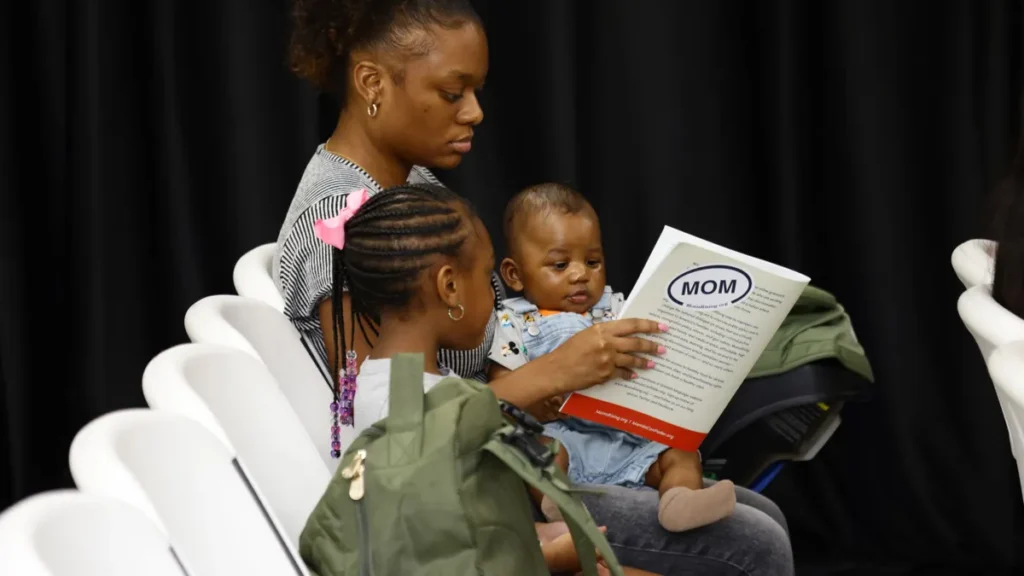
The "sandwich generation" exemplifies the acute pressures faced by many working individuals. A June survey of 1,003 Gen X workers revealed that a striking 37% identify as being part of this demographic, juggling the intricate needs of both minor and adult children while also providing substantial care for aging relatives. This dual responsibility creates a unique set of challenges, often requiring individuals to be available at a moment’s notice for diverse emergencies, from a child’s school pickup to a parent’s medical crisis. The photograph accompanying the original report, depicting a mother with two children in Atlanta, serves as a poignant visual reminder of the everyday reality for millions navigating this demanding phase of life.
The scope of caregiving is also broadening to include adults with disabilities, chronic illnesses, or mental health challenges, further diversifying the types of support required and the skill sets caregivers must possess. This multifaceted nature of caregiving underscores why the demands "inevitably spill over into the workday," as an expert noted, leading to elevated stress levels, fractured professional focus, and a detrimental impact on overall employee well-being.
The Workplace Impact: Stress, Disruptions, and Career Sacrifices
The encroachment of caregiving duties into professional life is not merely an anecdotal observation; it is a quantifiable phenomenon with tangible consequences for both employees and employers. The HRDive report highlighted that 40% of Gen X caregivers frequently experience interruptions during their workday due to appointments, urgent pickups, or unexpected emergencies related to their caregiving roles. Compounding this, 37% of these caregivers admit to struggling with the timely commencement and completion of their work tasks, directly impacting productivity and potentially leading to missed deadlines or a decline in work quality.
Beyond daily disruptions, the long-term career implications for working caregivers are profound. A global survey conducted by software firm Atlassian, encompassing working caregivers across seven countries, revealed that nearly three-quarters (75%) are compelled to use their allocated time off not for personal rejuvenation, but to catch up on work that accumulated due to caregiving responsibilities. Even more concerning, 60% of respondents in the Atlassian study reported that the constant struggle to balance caregiving with professional duties negatively impacts their career progression, often forcing them to forgo promotions, reduce working hours, or even leave the workforce entirely. This "second shift" phenomenon disproportionately affects women, who traditionally bear the brunt of caregiving responsibilities, further exacerbating existing gender pay gaps and hindering efforts towards workplace equity.
Economic Repercussions for Businesses
The cumulative effect of these individual struggles translates into significant economic repercussions for businesses. Unmanaged caregiving responsibilities contribute to increased absenteeism, presenteeism (being physically present but mentally disengaged), higher turnover rates, and reduced overall productivity. The Hidden Costs of Caregiving report by AARP and the National Alliance for Caregiving estimated the economic value of unpaid caregiving in the United States alone to be over $600 billion annually, a figure that dwarfs many industries. While this figure primarily represents unpaid labor, it indirectly reflects the immense strain on the working population and the potential for lost economic output. Companies that fail to acknowledge and address these challenges risk losing valuable talent, particularly experienced employees from the Gen X and Baby Boomer generations who possess institutional knowledge and leadership skills crucial for organizational success.
A Growing Challenge: The Evolution of Caregiving in the Modern Workforce
The scale of this challenge is not static; it is projected to expand significantly in the coming years. Research from The Guardian Life Insurance Company of America revealed a stark increase in the percentage of full-time working Americans managing caregiving responsibilities, which has risen by 13% since 2019. This upward trend suggests that the issue is not merely a temporary blip but a fundamental shift in the realities of the modern workforce.
The Pandemic’s Accelerating Influence
The COVID-19 pandemic served as a brutal accelerator for this trend. With schools and daycare centers closing, and elder care facilities facing unprecedented challenges, millions of employees were suddenly thrust into full-time, round-the-clock caregiving roles while simultaneously attempting to maintain their professional duties from home. The blurring of lines between work and home life during the pandemic brought the invisible labor of caregiving into stark relief for many employers and highlighted the fragility of existing support systems. While some flexibility was introduced out of necessity during the crisis, the long-term structural changes needed to embed sustainable caregiving support within corporate policies are still largely lagging.
Generational Disparities and Universal Strain
While the "sandwich generation" often highlights Gen X, caregiving responsibilities are prominent across all generations, demonstrating the universal nature of this societal challenge. Guardian’s research indicates that 25% of Baby Boomers, 39% of Gen X, a significant 51% of Millennials, and 38% of Generation Z report having caregiving responsibilities. This data is crucial because it debunks the misconception that caregiving is primarily an issue for older workers. Millennials, now the largest segment of the workforce, are heavily impacted, often navigating early career stages, homeownership, and the demands of young children simultaneously. Even Gen Z, typically associated with entry-level roles, is increasingly shouldering caregiving duties, whether for younger siblings, parents, or grandparents, impacting their early career development and financial stability. This broad generational impact necessitates a holistic, enterprise-wide approach to support rather than targeted, age-specific interventions.
Bridging the Gap: The Imperative for Employer Support

The stark reality is that "widespread employer support is still lacking," creating a substantial "gap between the workplace flexibility professionals need and what corporate structures actually provide," as highlighted by the expert cited in the HRDive report. To mitigate the need for employees to take leave, improve engagement, boost retention, and enhance overall performance, companies are urged to implement a range of supportive resources.
Key Strategies for Companies
Guardian Life Insurance Company of America, among other experts, suggests several critical areas for employer intervention:
- Wellness and Mental Health Services: Caregiving is inherently stressful and can lead to burnout, anxiety, and depression. Providing access to comprehensive mental health services, including counseling, stress management programs, and resilience training, can offer vital support.
- Flexible Schedules: Offering options such as flexible working hours, compressed workweeks, hybrid work models, and remote work capabilities can provide caregivers with the autonomy needed to manage their diverse responsibilities without sacrificing their careers.
- Equitable Paid Leave Benefits: Beyond standard vacation and sick leave, robust paid family leave policies (for parental leave, elder care, or care for other family members) are crucial. These policies should be equitable, accessible, and generous enough to genuinely alleviate financial burdens during critical caregiving periods. The Family and Medical Leave Act (FMLA) in the United States provides job-protected, unpaid leave, but many caregivers cannot afford to take unpaid time off, underscoring the need for paid leave solutions.
- Employee Assistance Programs (EAPs): EAPs can offer confidential counseling, referrals to care services, financial advice, and legal consultation, acting as a central hub for caregivers seeking guidance and practical solutions.
- Caregiver Resource Groups/Networks: Creating internal employee resource groups (ERGs) specifically for caregivers can foster a sense of community, provide peer support, and offer a platform for sharing resources and experiences.
- Subsidies and Referrals for Care Services: Some progressive companies are exploring partnerships with childcare providers, elder care agencies, or even offering direct subsidies to help employees afford quality care options.
- Manager Training: Equipping managers with the skills and empathy to understand and support their caregiving team members is paramount. Training can help managers identify signs of caregiver stress, facilitate flexible work arrangements, and communicate available resources effectively.
The Business Case for Caregiver Support
Investing in caregiver support is not merely a philanthropic endeavor; it represents a sound business strategy. Companies that proactively address the needs of their caregiving employees are likely to experience:
- Improved Employee Retention: Reducing the likelihood of valuable employees leaving due to unmanageable caregiving demands.
- Enhanced Productivity: Employees who feel supported are less stressed, more focused, and more engaged.
- Stronger Talent Attraction: A reputation for supporting caregivers becomes a significant competitive advantage in the war for talent.
- Boosted Morale and Engagement: Acknowledging and supporting employees’ personal lives fosters loyalty and a positive workplace culture.
- Greater Diversity and Inclusion: Supporting caregivers helps retain women and other underrepresented groups who often shoulder disproportionate caregiving burdens, contributing to a more diverse and inclusive workforce.
- Positive ESG (Environmental, Social, and Governance) Profile: Demonstrating a commitment to employee well-being enhances a company’s social responsibility credentials.
Policy and Advocacy: Towards a Supportive Ecosystem
While employer initiatives are vital, the scope of the caregiving crisis also necessitates broader policy solutions and societal advocacy. Many countries are grappling with how to fund and implement universal childcare, elder care, and paid family leave programs. In the United States, discussions continue at federal and state levels regarding expanding FMLA, establishing national paid family and medical leave programs, and increasing funding for care infrastructure. States like California, New Jersey, New York, and Massachusetts have already implemented some form of paid family leave, demonstrating a growing recognition of this need. However, the patchwork nature of these policies means that access to support remains highly uneven across the country. Advocacy groups consistently call for a comprehensive national strategy that acknowledges caregiving as a fundamental societal need, not solely an individual or employer responsibility.
Looking Ahead: The Future of Work and Care
As global demographics continue to shift, with populations aging and family structures evolving, the integration of caregiving support into the fabric of the workplace will cease to be an optional perk and will become a fundamental requirement for business sustainability and societal well-being. The findings from HRDive and other reports serve as a stark warning and a clear call to action. Companies that embrace this challenge with innovative, empathetic, and robust support systems will not only secure their own future talent pipelines but also contribute significantly to a more resilient, equitable, and humane society where professional aspirations do not have to come at the prohibitive cost of personal caregiving responsibilities. The conversation is no longer about whether caregiving impacts work, but how rapidly and effectively organizations can adapt to support those who dedicate themselves to both their careers and their loved ones.