Microsoft’s recent advancements in enterprise Artificial Intelligence, particularly through its MS Copilot platform and the introduction of "Frontier Tuning," represent a significant paradigm shift in how businesses will leverage AI. This new approach moves beyond traditional, static software systems to create dynamic, learning agents that can deeply integrate with and, in essence, embody a company’s unique operational knowledge, policies, and culture. This evolution has profound implications for efficiency, competitive advantage, and the very nature of digital transformation within organizations.
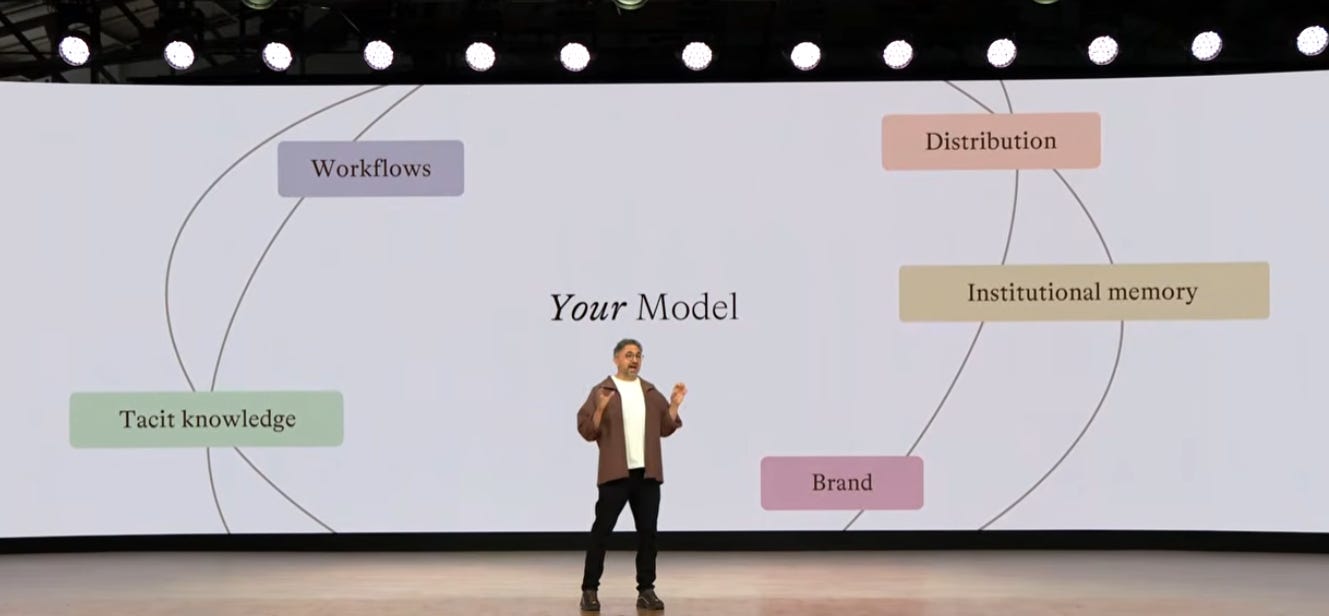
The core of this disruptive innovation lies in the fundamental nature of AI Agents and Superagents. Unlike conventional software applications or discrete systems, these AI entities are designed to learn, adapt, and grow over time. As an AI agent performs tasks such as recruitment, employee training, or service delivery, it becomes progressively more attuned to the specific nuances of the organization it serves. This continuous learning process allows the AI to internalize the company’s unique "tacit knowledge"—the unwritten policies, historical experiences, cultural behaviors, risk management protocols, and ingrained ways of doing business that often constitute a significant competitive advantage.
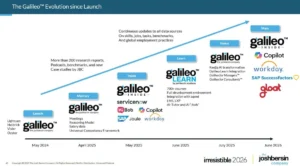
A pivotal demonstration of this capability was the integration of Galileo, an intelligence platform, into MS Copilot. This integration enabled the system to ingest and retrain itself on proprietary intellectual property. Early testing by the Microsoft HR team yielded astoundingly useful and detailed results, with the AI consistently citing knowledgeable sources, effectively transforming MS Copilot into a world-class HR business partner and consultant.
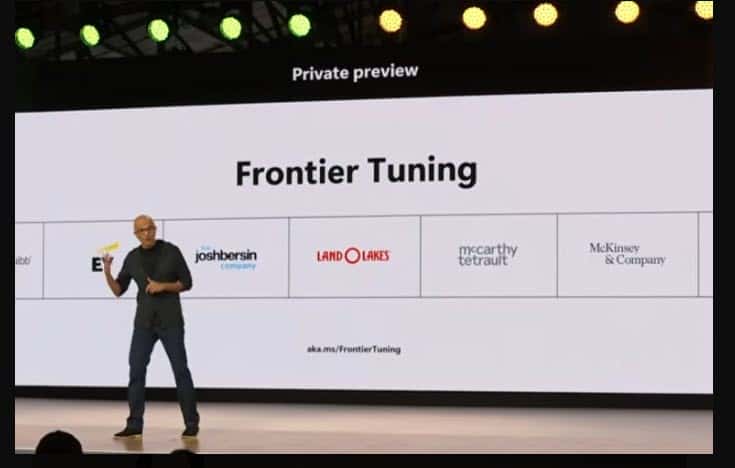
Microsoft’s strategic move to productize this capability, allowing organizations to "fine-tune" their Copilots, marks a critical step towards democratizing advanced AI customization. This empowers IT and HR departments to directly embed company-specific data, including policies, hiring guides, pay practices, and onboarding procedures, directly into the AI system, effectively institutionalizing this knowledge.
The Power of Frontier Tuning and Reinforcement Learning
The distinction between traditional Retrieval Augmented Generation (RAG) implementations and Microsoft’s Frontier Tuning lies in the system’s ability to truly learn and improve independently. While RAG enhances AI by providing access to external data, Frontier Tuning, particularly through its "Reinforcement Learning Environment," allows the AI to train itself based on real-world feedback. This autonomous learning mechanism is akin to how humans acquire and refine skills through experience.
Microsoft’s research initiative, "Agent Lightning," underpins this capability, enabling AI agents to undergo autonomous reinforcement learning. This process allows the AI to continuously update its performance and decision-making based on the utility of its actions, mirroring human learning curves.
An illustrative example provided by Microsoft involves an internal AI agent for crisis management. Initially effective, the agent faced new challenges during geopolitical events like the war in Ukraine and subsequent conflicts. The Reinforcement Learning feature allowed this agent to self-update, incorporating new policies and strategies necessitated by these evolving circumstances, such as addressing employee concerns regarding internet access, communication disruptions, and family relocations.
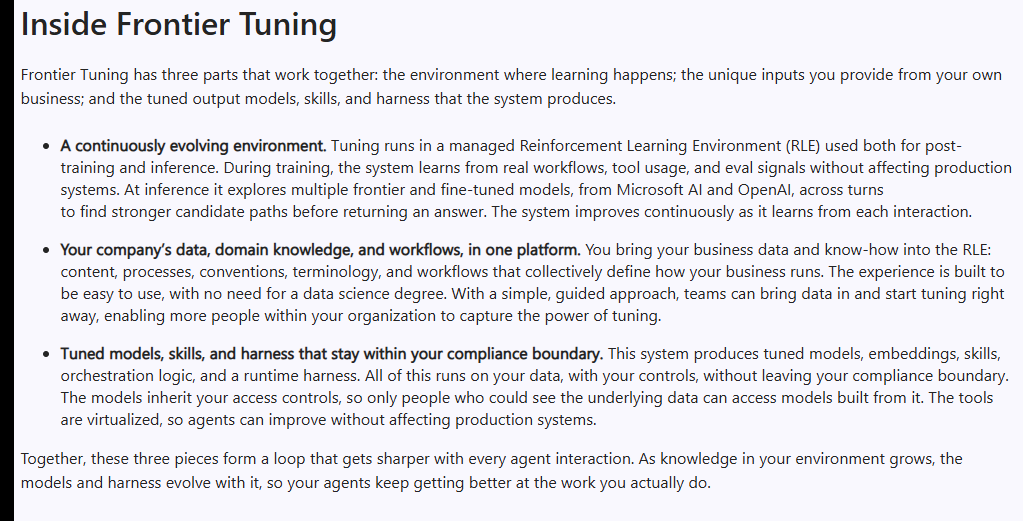
While other methods exist for training MS Copilot, such as utilizing Microsoft Graph Connectors to access data across SharePoint, PowerPoint, Word, Outlook, and Work IQ, these integrations, while valuable for data access, do not offer the same deep, embedded learning capabilities as Frontier Tuning. The reinforcement learning aspect, crucial for continuous, autonomous improvement, would not be applicable in these scenarios.
Microsoft’s Strategic Push with Proprietary AI Models
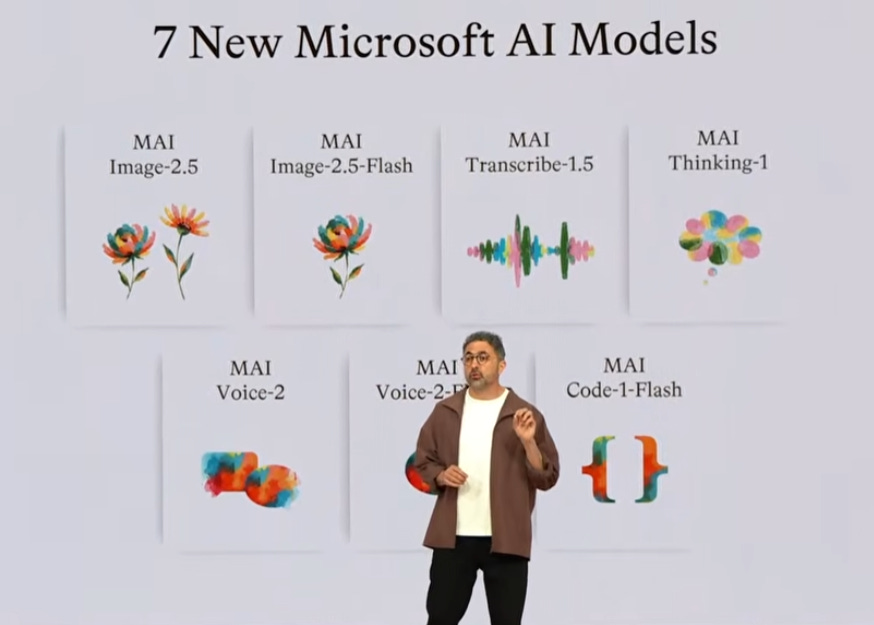
Beyond enabling customization, Microsoft has also made significant strides in developing its own suite of AI models. The announcement of seven new models, optimized for specific business use cases, signals a strategic intent to compete directly with established AI providers. Historically, Microsoft’s partnership with OpenAI presented limitations on developing its own cutting-edge models. However, this has shifted, allowing Microsoft to build rival solutions to models like Anthropic’s Claude and OpenAI’s GPT series.
These proprietary models offer several advantages, including a clean, licensed foundation free from the potential intellectual property concerns associated with models trained on broadly scraped internet content. Furthermore, these models are designed for cost-effectiveness. Mustafa Suleyman, leading Microsoft’s AI efforts, explicitly stated the goal of reducing and ultimately eliminating the reliance on third-party providers like Anthropic, highlighting the economic benefits of developing in-house solutions.
A critical differentiator for these new Microsoft models is their commitment to data privacy and intellectual property protection. Unlike some existing models where user input can inadvertently contribute to the training data for other customers, Microsoft’s approach aims to prevent the leakage of proprietary information. This is particularly significant for businesses that handle sensitive intellectual property and require assurances that their data remains confidential.
Case Studies: Real-World Applications and Impact
The practical applications of these advancements are already being demonstrated across various industries. Mayo Clinic, a leading healthcare institution, is collaborating with Microsoft to develop a "New Frontier Model for Healthcare." This specialized model is designed to assist clinicians by providing deep insights into evidence-based clinical practices. This initiative mirrors the development in human capital management, where AI is being trained on best practices to enhance decision-making and operational efficiency.
Another compelling example is Land-O-Lakes, which has been piloting Microsoft’s MAI-Thinking-1 reasoning model. Through Frontier Tuning, Land-O-Lakes customized this model by feeding it extensive internal documentation, including communications from Microsoft Teams and Outlook emails. The result was a significantly more accurate and cost-efficient solution compared to existing models like OpenAI’s GPT-4.5. According to Microsoft’s senior product manager, Tanaya Yadav, the customized MAI-Thinking-1 proved to be ten times more cost-efficient, underscoring the economic benefits of personalized AI.
These developments were prominently showcased at Microsoft Build 2024, where demonstrations illustrated the power of fine-tuned Copilots for specific functions, such as HR onboarding. Satya Nadella, Microsoft’s CEO, has emphasized the strategic importance of customizing AI models to a company’s unique identity rather than relying on generic, widely shared solutions. This philosophy aligns with the concept of an "AI harness"—a framework that allows organizations to integrate various AI models, including their own fine-tuned versions, to address specific business needs.
The Future of Enterprise AI: Personalization and Autonomy
The implications of Microsoft’s advancements in enterprise AI are far-reaching. The ability to fine-tune AI agents means that companies can create truly bespoke digital collaborators that understand and operate according to their specific rules, culture, and historical context. This moves beyond simple automation to a deeper level of AI integration that can augment human decision-making, streamline complex processes, and unlock new avenues for innovation.
The reinforcement learning capabilities further enhance the value proposition by ensuring that AI agents do not remain static. As business environments evolve, so too will these AI systems, continuously learning and adapting to new challenges and opportunities. This self-improving nature is critical for maintaining a competitive edge in a rapidly changing global landscape.
For organizations operating within the Microsoft ecosystem, the integration of Frontier Tuning and the availability of proprietary AI models present a clear path toward advanced AI adoption. The "harness" architecture allows for flexibility in integrating different AI models, including those from OpenAI, Anthropic, and Microsoft’s own offerings, as well as custom-tuned models. This flexibility is crucial for R&D teams or other specialized departments that may require AI models trained on highly specific, confidential data.
The strategic importance of this direction was further highlighted by the introduction of Microsoft’s new reasoning model, MAI-Thinking-1, and its application in sectors like healthcare and manufacturing. The development of specialized "Frontier Models," such as the one for healthcare in collaboration with Mayo Clinic, demonstrates a commitment to building AI solutions tailored to the unique demands of critical industries.
In conclusion, Microsoft’s commitment to Frontier Tuning and the development of proprietary AI models represents a significant leap forward in enterprise AI. By enabling deep personalization, fostering autonomous learning, and prioritizing data privacy, Microsoft is positioning itself to redefine how businesses leverage artificial intelligence. This approach promises not only enhanced operational efficiency but also the creation of unique competitive advantages through AI systems that truly understand and embody the essence of each organization they serve. The ongoing evolution of this technology suggests a future where AI agents are not just tools, but integral, self-improving partners in business success.