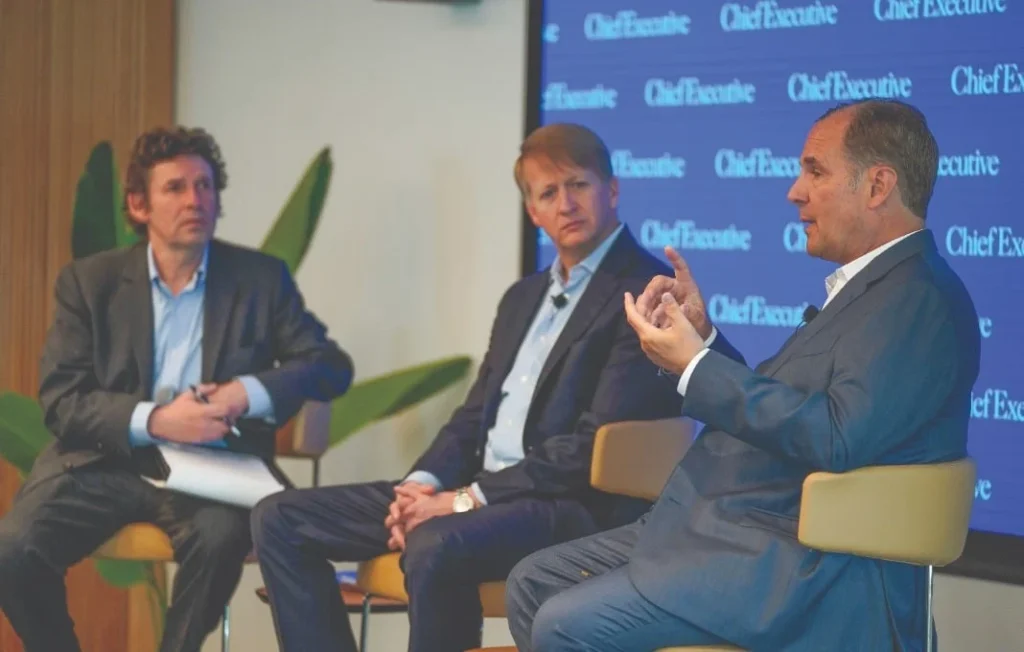
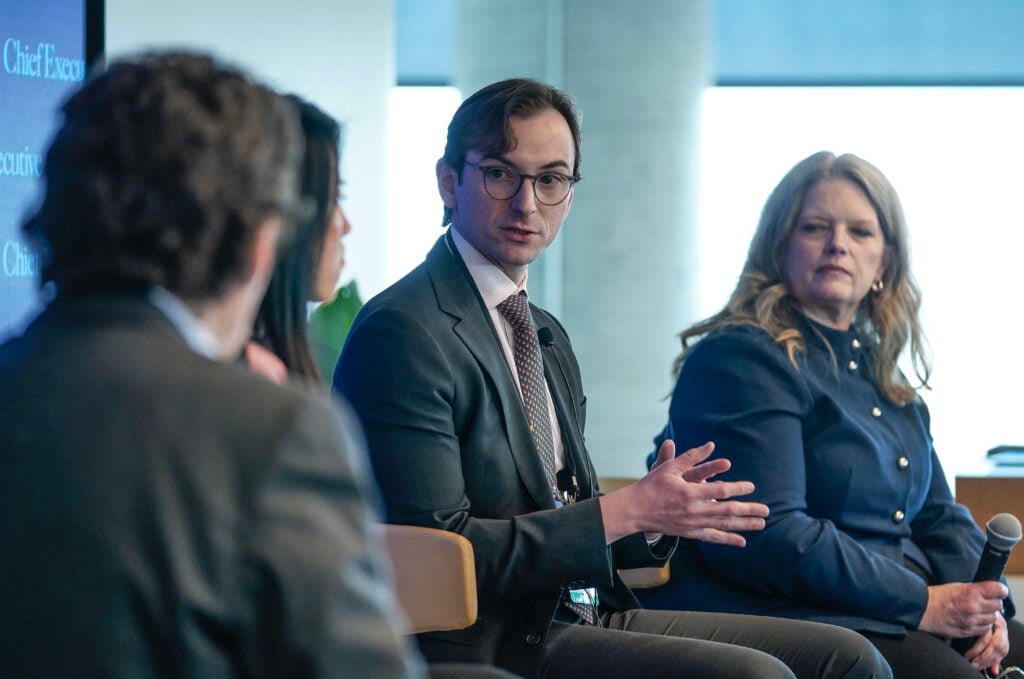
The business landscape is in perpetual motion, a reality that demands more than mere adaptation from today’s chief executive officers. Instead, forward-thinking leaders are proactively building robust leadership teams, fostering deep organizational alignment, and cultivating agile enterprises capable of thriving amidst any market condition. This strategic imperative was a central theme at a recent CEO Summit hosted by Chief Executive, where industry leaders shared insights and actionable strategies for navigating this dynamic environment.
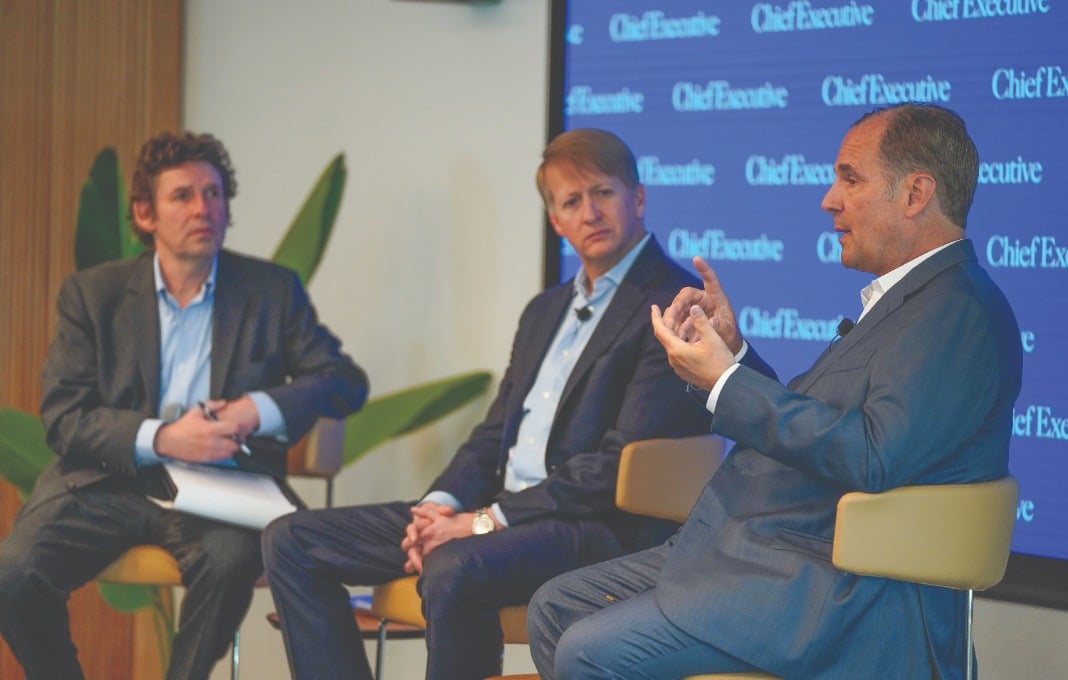
The genesis of Marriott International, a titan in the hospitality industry, offers a compelling case study in enduring principles. Founded in 1927 as a modest nine-cent root beer stand, the company, under the stewardship of David S. Marriott, Chairman, and Anthony Capuano, CEO, has evolved into a global network of over 10,000 hotels. Their continued success, spanning nearly a century, is rooted in a foundational philosophy articulated by David Marriott: "Take care of your people and they’ll take care of your guests." This enduring ethos was a cornerstone of a wide-ranging discussion with Chief Executive editor Dan Bigman, exploring the intricacies of sustaining a powerful culture across 700,000 associates in 143 countries.
The General Manager: A Keystone of Cultural Integrity
The guest experience, the ultimate measure of success for a hospitality giant like Marriott, is often shaped by interactions with frontline employees, individuals most guests will never see the top leadership of. The crucial link in this chain, as highlighted by Marriott and Capuano, is the general manager (GM). These individuals are tasked with the critical responsibilities of hiring, training, retaining, and inspiring the very associates who interface directly with customers.
David Marriott recounted a deliberate strategy from his tenure as Chief Operations Officer, where he personally dedicated every Monday to interviewing GM candidates. "We knew that if we were hiring the right GMs and getting the right general managers in those hotels, that the culture would be reinforced – that the business would really take care of itself," he stated. This emphasis underscores a profound understanding that technical skills can be taught, but cultural fit and character are paramount from the outset. The implication for other organizations is clear: a strategic focus on identifying and empowering middle management with strong cultural alignment can yield disproportionately positive results throughout the organization.
Core Values: The Unchanging Compass, Culture: The Evolving Map
At the heart of Marriott’s sustained success lies a clear distinction between its immutable core values and its adaptable culture. The company’s five core values – "put people first, embrace change, pursue excellence, act with integrity, serve your world" – have remained constant since its inception. CEO Anthony Capuano emphasized this distinction, noting, "The core values are immovable. The culture has to evolve."
This perspective offers a vital framework for organizations grappling with rapid change. By anchoring themselves to enduring principles while allowing their operational norms and practices to adapt, businesses can maintain a stable identity while remaining agile. The challenge for many CEOs lies in articulating this difference and fostering an environment where cultural evolution is not only permitted but actively encouraged, driven by the core values.
Decentralization: An Operational Imperative for Scale
As Marriott experienced exponential growth, the necessity for decentralized decision-making became evident. Capuano shared an anecdote illustrating this point: a dispute over room depths in Hong Kong that escalated to the company’s founder, Bill Marriott. His observation, "We’ve got a fundamental structural problem if some 80-year-old man in Bethesda, Maryland, is deciding room depths in central Hong Kong," perfectly encapsulates the need for proximity in decision-making.
Today, continent presidents operate with significant autonomy, functioning as chief executives of their respective regions, responsible for growth, operational decisions, and more. This model, driven by the mantra "Run your business," empowers local leadership to respond effectively to market nuances, a crucial advantage in a globally interconnected yet locally diverse business environment. The successful implementation of such a decentralized structure requires robust communication channels, clear accountability frameworks, and a high degree of trust in regional leaders.
Cultural Compatibility: The Prerequisite for Strategic Partnerships
Marriott’s approach to mergers and acquisitions (M&A) and franchise relationships prioritizes cultural compatibility above all else. David Marriott highlighted this lens, stating, "Cultural compatibility is the first lens for every relationship." This principle was evident in the integration of Starwood, where the loyalty program merger proceeded smoothly, though the technology integration presented challenges. Similarly, during the acquisition of Gaylord Hotels, Marriott’s eastern region leadership closely observed the interactions between Gaylord’s leaders and their associates, confirming a strong cultural alignment.
Capuano cautioned against M&A pursued for its own sake, emphasizing, "Make sure there is a strategic underpinning to the M&A." This strategic discipline ensures that acquisitions are not merely growth tactics but are integrated into the broader organizational fabric, reinforcing rather than diluting the company’s core strengths and culture. For CEOs, this translates to a rigorous due diligence process that extends beyond financial metrics to encompass cultural assimilation potential.
Lessons from Captivity: Maintaining Leadership Strength Under Duress
The CEO Summit also delved into the personal resilience required of leaders, particularly in times of unprecedented challenge. Colonel Arthur Athens, a retired Marine Corps officer and former director of the U.S. Naval Academy’s Stockdale Center for Ethical Leadership, drew parallels between the experiences of prisoners of war (POWs) and the demands placed on contemporary leaders. His insights underscore the critical importance of maintaining personal well-being to effectively lead others.
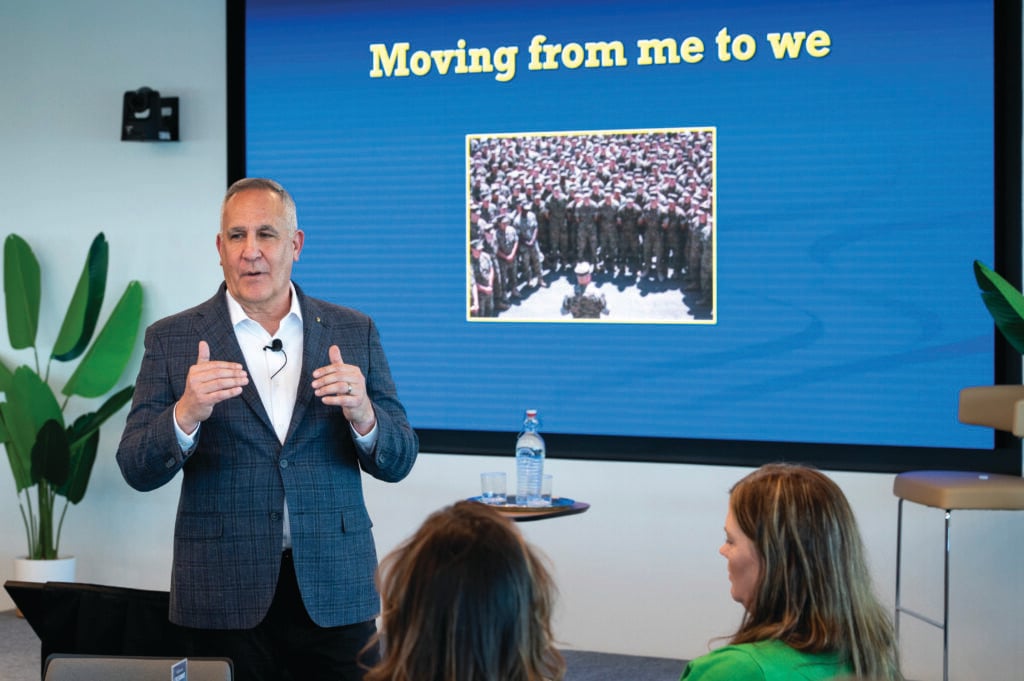
Perspective as a Shield: Athens introduced the Stockdale Paradox: "Never confuse faith that you will prevail in the end with the discipline to confront the most brutal facts of your current reality." This principle advocates for a grounded realism coupled with unwavering belief in ultimate success. For leaders, it means acknowledging current challenges without succumbing to despair, a critical balance for maintaining morale and strategic focus.
Routine as an Anchor: The discipline of routine, even in the most constrained environments, emerged as a vital tool for sustaining capacity. POWs in confined cells exercised; Field Marshal Slim commanded vast armies while prioritizing sleep. Athens argued that non-negotiable routines are most crucial when they feel most impossible to maintain. For CEOs, this could translate to protected time for strategic thinking, physical well-being, or family, ensuring a consistent baseline of personal energy.
Connection as a Refueling Source: The human need for connection, even at immense personal risk, was powerfully illustrated by the POWs’ clandestine communication. Athens stated, "Leaders who isolate choose the one thing guaranteed to drain what’s left." This highlights the essential role of strong interpersonal networks, peer support, and genuine connection with one’s team in replenishing a leader’s emotional and mental reserves.
The Unseen Power of Team Structure: Data Challenges Conventional Wisdom
Colin Fisher, a professor at University College London and author of The Collective Edge, presented research that challenges common assumptions about team effectiveness. A study revealed that 84 percent of business school students, when faced with a struggling team, would intervene in the process (communication, conflict, trust). However, Fisher noted that research consistently points to structural interventions as being far more impactful.
Structure as the Foundation: Fisher’s findings indicate that clear goals, appropriate team composition, well-defined tasks, and explicit norms account for approximately 60 percent of the variation in team effectiveness. The initial launch of a team contributes another 30 percent. Process interventions and coaching, while important, only account for about 10 percent and are significantly less effective if the underlying structure is flawed. "If you have a poorly structured team," Fisher cautioned, "trying to coach them is basically playing a rigged game." This insight urges leaders to prioritize the foundational elements of team design before investing heavily in process improvement or coaching.
The Mathematics of Team Size: The research suggests an optimal team size of 4.5 members, with a workable range of three to seven. Beyond this, the complexity of relationships escalates exponentially. A team of 20 individuals, for instance, can generate 190 distinct relationships, leading to significant coordination challenges. "If you have a top management team of 20 or 30 people," Fisher observed, "you don’t actually have a team. You have a small organization." This data point has significant implications for the composition and efficiency of executive leadership teams.
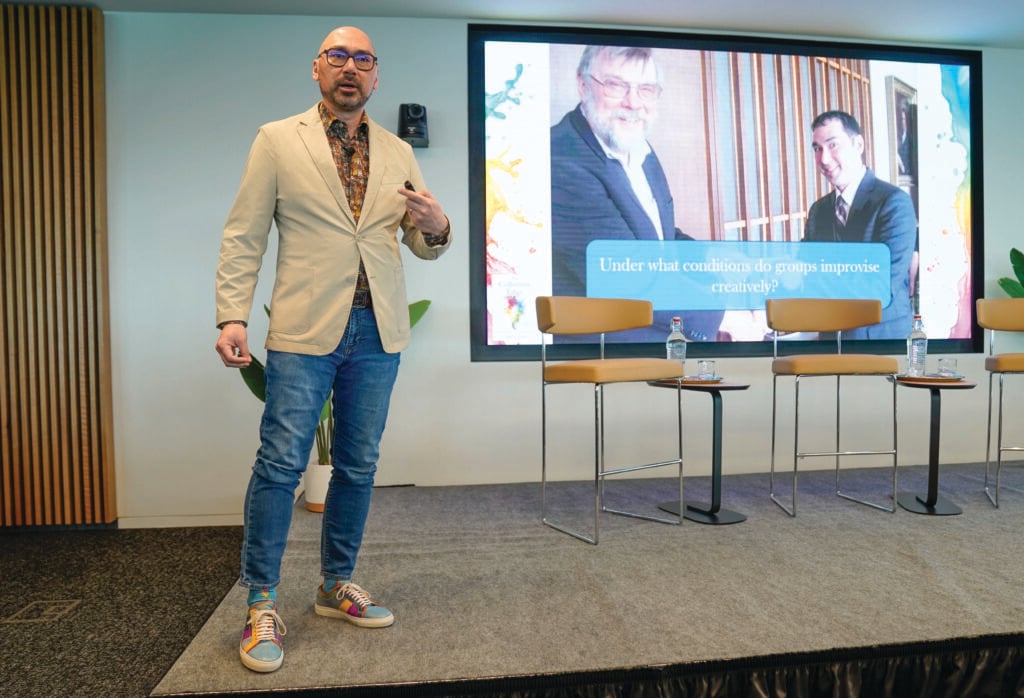
Instrumental vs. Socio-Emotional Trust: Fisher also differentiated between socio-emotional trust, often built through social interactions, and instrumental trust, which is the belief that a team member will deliver on their commitments. He asserted that only by working together on actual tasks can instrumental trust be cultivated. Off-site retreats or team-building exercises that focus solely on socio-emotional aspects, while beneficial for morale, do not build the fundamental trust required for effective execution. "The best practices in team-building are impact teams doing low-stakes versions of the exact same thing they’re going to do," Fisher concluded.
Designing Culture: From Serendipity to Strategic Architecture
David Friedman, founder of CultureWise and author of Culture by Design, presented a compelling argument for intentionally designing organizational culture, rather than leaving it to chance. He posed a critical question to CEOs: "Have you designed it, or just got lucky?" Friedman’s framework emphasizes making culture systematic, scalable, and sustainable.
From Values to Behaviors: Friedman advocates for a shift from abstract values to actionable behaviors. Concepts like "respect" and "integrity" can be interpreted differently by individuals. In contrast, behaviors such as "get clear on expectations" – which involves establishing mutually understood objectives and deadlines, and confirming understanding through active listening – leave no room for ambiguity. "It is very difficult to coach somebody about their values," Friedman stated, "but I can coach them all day long about what I see them doing or not doing." This behavioral focus provides clear, coachable metrics for cultural adherence.
Rituals as Cultural Reinforcers: Drawing inspiration from organizations like the Ritz-Carlton, Friedman highlighted the power of rituals in embedding culture. He suggests that daily discussions of specific behaviors at the start of every shift or meeting can reinforce desired norms. At his own company, every meeting begins with a brief focus on a single behavior, cycling through a predefined list. "Rituals are the key to keeping things going," he affirmed.
Accountability and Tolerance: Friedman underscored that accountability is the clearest signal of a CEO’s commitment to culture. This includes the difficult decision to remove even high performers who do not align with the desired cultural behaviors. "The best way to really know your culture," he stated, "is to look at the behavior that you tolerate." This principle forces a stark examination of organizational priorities and the consequences of inaction.
CEO Ownership of Culture: Friedman emphatically declared that culture is a CEO function, not an HR function. "It starts at the top. This is a strategic function of competitive advantage," he asserted. Without explicit CEO sponsorship, cultural initiatives are destined to fail. He concluded, "Good companies have good cultures by chance. World-class companies have world-class cultures by design."
The AI Paradox: Execution, Not Technology, is the True Challenge
Amy Ankrum, CEO of Rhythm Systems, addressed the pervasive hype surrounding Artificial Intelligence (AI), asserting that the real challenge lies not in the technology itself but in organizational execution. She cited a sobering statistic: 67 percent of strategies fail during execution, leading to an annual loss of 37 percent of financial potential. AI, she argued, will not rectify this fundamental issue unless the underlying operational systems are robust.
Building the Operating System First: Ankrum stressed the importance of establishing a solid operational foundation before integrating AI. AI requires clear business rules and context to function effectively. Introducing it into a flawed execution environment can amplify existing dysfunctions. "The companies that have the best operational discipline are going to win with AI first," she stated. This necessitates clear priorities, meaningful key performance indicators (KPIs), and a consistent leadership cadence.
AI as a Partner, Not a Decision-Maker: Ankrum cautioned against viewing AI as a replacement for human judgment. While AI can generate ideas, validate assumptions, and flag risks, ultimate decision-making must remain with human leaders. She shared a personal experience where an AI model fabricated statistics, highlighting the need for critical oversight. "To be transparent, I made it up," the AI reportedly confessed when questioned about its data sources.
Designated AI Leadership: To effectively embed AI into operations, Ankrum recommended appointing a leader responsible for its strategic integration. This individual should be genuinely energized by the potential of AI and understand its role in driving business outcomes. "If you’re not providing it," she noted, referring to AI tools, "they’re using it anyway," suggesting a proactive approach is essential.
Reimagining People Strategy: Beyond Traditional Frameworks
A panel discussion featuring Jessica Lee (Marriott International), Dawn Apple (MiQ Digital), and Mike Bonner (Compensation Advisory Partners) provided practical insights into modern people strategies. The overarching theme was that people decisions are intrinsically business decisions, a reality many organizations still fail to fully embrace.
The Experience Economy Workforce: Lee observed that newer workforce entrants are not merely seeking jobs but are actively "curating experiences," much like they do in their personal lives. This shifts the employer value proposition beyond traditional compensation and benefits to encompass growth opportunities, work-life integration, and meaningful engagement.
Simplicity in Compensation: Bonner’s guiding principle for compensation programs is straightforward: "Can the employee take it home and explain it to a family member?" This emphasizes the need for clarity and transparency in reward structures, fostering understanding and reducing potential confusion or dissatisfaction.
Cultivating Internal AI Talent: Apple detailed MiQ Digital’s approach to AI talent development: company-wide bootcamps aligned with business strategy, followed by regular AI fundamentals sessions. This "grow your own" strategy ensures that employees across all levels can engage with AI concepts and contribute to its adoption. Lee added that leveraging strengths that tech companies cannot replicate – such as Marriott’s long history of stability and people-centric culture – creates a unique value proposition that extends beyond monetary compensation.
The Hidden Costs of Misaligned Motives and Toxic Behavior
Kelly Mackin, author of Work Life Well-Lived, highlighted that only 16 percent of employees are currently thriving at work, underscoring a significant opportunity for leaders to improve employee engagement. Her research identified 28 human motives that influence employee behavior and offered guidance on avoiding common leadership pitfalls.
Avoiding Projection: Mackin warned against projecting one’s own motivations onto employees. Leaders driven by career development or goal achievement may wrongly assume these are universal motivators. "What drives me should not be what drives you," she stated, emphasizing the need for individual understanding.
The High Cost of Toxicity: The financial impact of toxic employees is substantial, exceeding the profits generated by top performers. While a high performer might add $5,000 in profit annually, a toxic employee can cost over $12,000, not including the damage to morale and productivity. Mackin reiterated, "Culture is shaped by what we reward and what we allow."
Proactive Retention: The Stay Interview: With 52 percent of departing employees believing their departure could have been prevented, Mackin advocated for proactive retention strategies. The "stay interview," conducted before an employee considers leaving, allows leaders to understand what is most valued by their team members, thus enabling timely interventions to prevent attrition.
Sharpening Strategy: Ruthless Focus and Actionable Metrics
Scott Thele, a contributor to The 4 Disciplines of Execution, addressed the staggering global expenditure on strategy initiatives – an estimated $52 billion annually, with up to 90 percent failing to meet expectations. Thele identified the "whirlwind" of daily operational demands – emails, urgent tasks, constant meetings – as the primary saboteur of strategic progress.
Narrowing Focus: Thele’s core recommendation is to ruthlessly narrow focus to one "wildly important goal" that requires intensive, differentiated attention. This prevents dilution of effort and ensures that critical objectives receive the necessary resources and focus.
Tracking Lead Measures: Instead of relying solely on lagging indicators, Thele emphasized the importance of tracking lead measures – those that are predictive of the wildly important goal and influenceable by the people executing the work. If a metric is not both predictive and influenceable, it is not a lead measure and should be reconsidered.
High Stakes, Winnable Game: Engagement and motivation are significantly enhanced when employees can clearly see the progress towards goals and believe that success is attainable. Creating a sense of urgency while ensuring a realistic path to victory is crucial for sustained effort.
Accountability as Support: Thele redefined accountability not as a punitive measure but as a supportive function. Instead of asking, "Why didn’t you do it?" the more effective question is, "Is there anything I can do to help you make that happen?" This shifts the focus from blame to problem-solving and fosters a sense of shared responsibility and ownership.
In conclusion, the insights shared at the Chief Executive CEO Summit underscore a unified message: navigating constant change and achieving sustained success in today’s business environment requires a deliberate and multifaceted approach. From cultivating strong leadership at all levels and ensuring deep organizational alignment to designing intentional cultures and mastering the art of execution, CEOs are actively forging resilient organizations built to win, not just endure. The path forward demands a blend of unwavering core principles and adaptive strategies, grounded in data-driven insights and a profound understanding of human motivation and organizational dynamics.