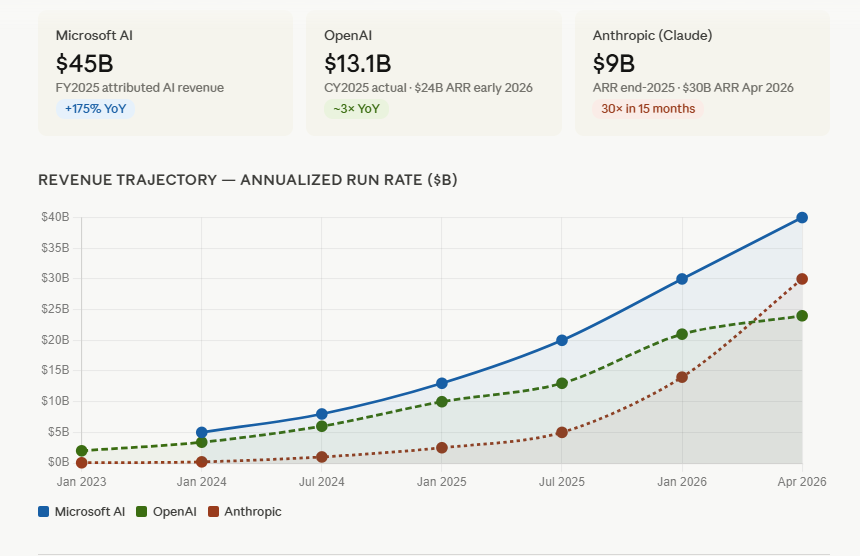
The artificial intelligence landscape is currently dominated by the looming specter of potential public offerings from two of its most prominent players: OpenAI and Anthropic. This dual anticipation has ignited widespread fascination, centering on the dramatic rivalry between their respective CEOs and the strategic implications for the future of AI. As details surrounding their prospective initial public offerings (IPOs) emerge, the industry is keenly observing how these titans will navigate their competitive trajectories. However, beyond the immediate spotlight on OpenAI and Anthropic, a compelling argument can be made that Microsoft, a company deeply embedded in the enterprise ecosystem, is poised to be the most significant beneficiary of this AI revolution.
This analysis posits that the enterprise AI market is not a monolithic entity but rather a multifaceted arena comprising three critical layers: the foundational AI models, the user-facing "surfaces" or application experiences, and the overarching ecosystem that binds them together. While Google, Amazon, Nvidia, and Oracle also vie for dominance, and Anthropic and OpenAI introduce their specialized models, Microsoft’s strategic positioning within the enterprise software realm grants it a unique advantage in capturing substantial market share.
The Fragmented Landscape of AI Models
The initial phase of AI’s enterprise adoption is characterized by a critical challenge: determining the optimal application for each foundational model. The current understanding is that a singular, all-encompassing AI model is unlikely to fulfill the diverse needs of businesses. Instead, specialized models are emerging, each tailored for specific domains.
For instance, coding and analytical tasks might benefit from Anthropic’s Claude, while OpenAI’s models could excel in narrative generation and document processing. Google’s Gemini models are being explored for advanced analytics, and the nascent Grok model from xAI might find its niche in areas like robotics and motion control. Nvidia’s foray into world models also adds another dimension to this evolving specialization.

This specialization extends beyond algorithmic optimization. The crucial element of model training involves not just raw computational power but also meticulous data collection, labeling, and refinement. A pharmaceutical company seeking AI capabilities for understanding complex biological processes, such as protein folding or advanced genetics, requires models specifically trained on domain-specific datasets. This contrasts with general-purpose models that, while powerful, may lack the nuanced understanding necessary for specialized industries.
The current market dynamics suggest a business environment where enterprises will likely adopt a multi-model strategy. This reality undermines the credibility of any AI provider claiming to offer a universal solution. The success of specialized AI applications, like Galileo, which has become an indispensable tool for human capital management by focusing intensely on HR, labor markets, and skills, underscores the value of domain expertise. This trend indicates that the future of enterprise AI will involve a tapestry of specialized models, each contributing to different business functions.
The Primacy of the AI "Surface" and the "AI Harness"
Beyond the underlying AI models lies the crucial layer of the "surface," which encompasses the application experience, user interface, integration capabilities, and development tools that make AI accessible and useful to end-users and developers. This layer, often referred to as the "AI harness," is rapidly becoming more critical than the raw power of the model itself.
The user experience (UX) is paramount. If a consumer-facing AI, like Apple’s Siri, were to achieve unparalleled intelligence and ease of use, it could rapidly capture a billion users. The underlying model would be a secondary consideration compared to the seamless interaction and utility provided.
Microsoft’s historical success in the personal computer market offers a valuable parallel. While early competitors developed graphical interfaces and productivity applications, Microsoft’s relentless focus on the application experience of products like Excel, PowerPoint, and Outlook, coupled with its strategic licensing of core technologies, ultimately led to its dominance. The widespread adoption of Microsoft 365, with over 450 million paying users, is a testament to the power of a well-crafted application ecosystem.
For businesses, this translates into a need for AI solutions that integrate seamlessly with existing enterprise systems. Developers and IT departments are not just looking for powerful AI models; they require a robust platform that facilitates the development, deployment, and management of AI-driven applications, often referred to as "agentic" applications. These applications aim to automate complex tasks and complement or replace existing enterprise systems, which represent trillions of dollars in investment. The key concern for businesses is avoiding vendor lock-in in this rapidly evolving and creative market.
The integration of AI with established enterprise resource planning (ERP) systems like SAP, Oracle, and Workday, as well as customer relationship management (CRM) platforms such as Salesforce and HubSpot, is no longer a luxury but a necessity. A failure in this integration, as demonstrated by a flawed attempt to connect Claude with HubSpot, where the AI struggled to retrieve data and timed out, highlights that the issue often lies with the "surface" or the integration layer, not the core model.
This is where the "AI harness" becomes critical. Companies like ServiceNow, Accenture, and Microsoft are actively building these integration layers. The quality of these integrations directly impacts the perceived value and adoption of the underlying AI models. A poorly executed integration can tarnish the reputation of the AI platform, hindering its widespread use.
The Power of the Enterprise AI Ecosystem
The third pillar of the enterprise AI market is the ecosystem. Businesses require AI platforms that are not only functional but also supported by a broad network of applications, integrations, and third-party developers. Building such an ecosystem is essential for sustained growth and profitability.
The development of AI Galileo serves as a case in point. Customers frequently inquire about integrating Galileo with their existing data sources, policy databases, leadership models, and compliance training modules. Addressing these integration needs, even when they fall outside the core platform, is crucial for customer satisfaction and platform expansion.
In the highly competitive enterprise space, vendors that foster robust partner ecosystems can generate significant revenue through third-party development and support. This collaborative approach allows for the creation of specialized solutions that cater to niche market demands.
The overarching sentiment among HR and IT leaders is clear: they seek AI tools that are both user-friendly for immediate deployment and serve as a comprehensive platform for building, acquiring, and managing agentic applications. The emphasis is on flexibility, extensibility, and avoiding the constraints of single-vendor dependency in a dynamic AI market.
The Shifting Focus: From "Model" to "Surface"
The terminology in the AI industry is evolving, with a growing emphasis on "AI surfaces" rather than solely focusing on "models." An AI surface represents the application experience – the tools, speed, user interface, historical context, and semantic connectivity that define how users interact with AI. It is the synergy between the surface and the model that ultimately creates a valuable user experience.
In the corporate environment, this translates to seamless connectivity with existing systems, such as HR platforms or email clients, ensuring that the AI can access and leverage valuable data. When this connectivity fails to deliver meaningful insights, as experienced with the Claude-HubSpot integration, it signifies a weakness in the "surface" layer.
The challenge for AI providers like Anthropic and OpenAI is that they cannot solely build these comprehensive surfaces. They rely on partners such as ServiceNow, Microsoft, and Accenture to develop these crucial integration layers. If these third-party integrations are suboptimal, the entire AI platform can suffer from a perception of poor performance, leading to limited adoption.
Microsoft’s Ascendancy in the Enterprise AI Arena
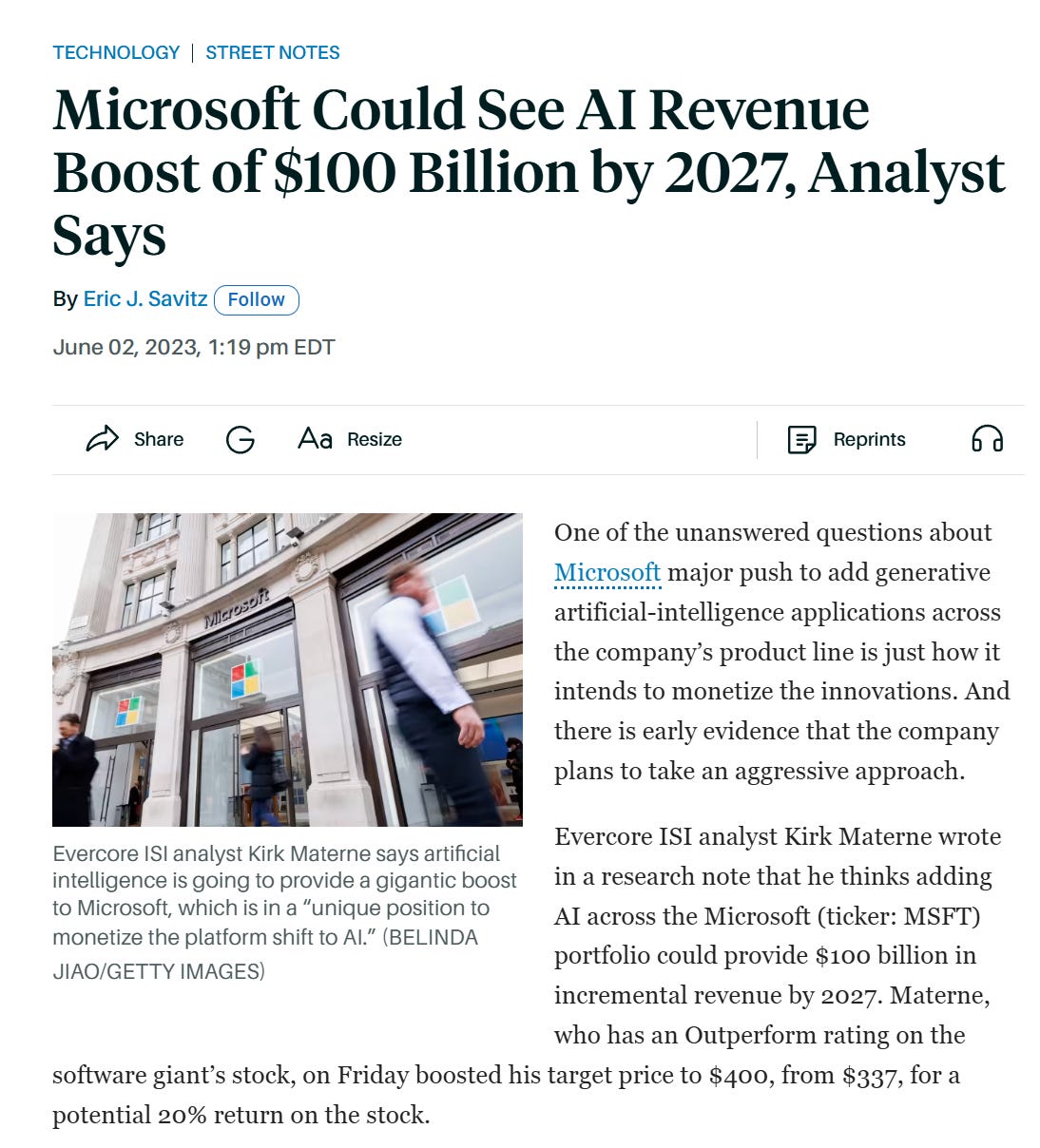
While OpenAI and Anthropic garner significant attention for their foundational AI models and potential IPOs, Microsoft appears to be strategically positioning itself for a dominant role in the enterprise AI market. Recent financial disclosures and market analyses suggest that Microsoft is not only generating substantial revenue from AI but is also rapidly expanding its market share.
Reports indicate that OpenAI’s projected $30 billion in revenue might largely stem from consumer subscriptions, while Anthropic’s revenue could be derived from selling AI compute to other providers. This leaves a significant gap in direct enterprise revenue generation for these companies.
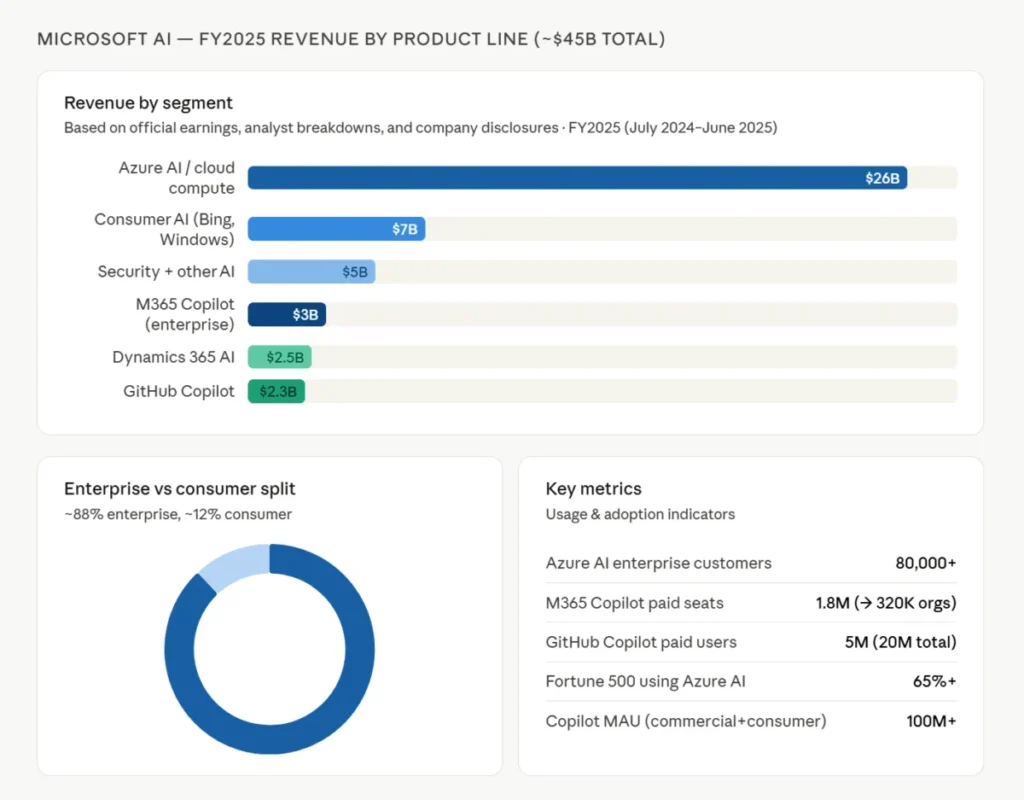
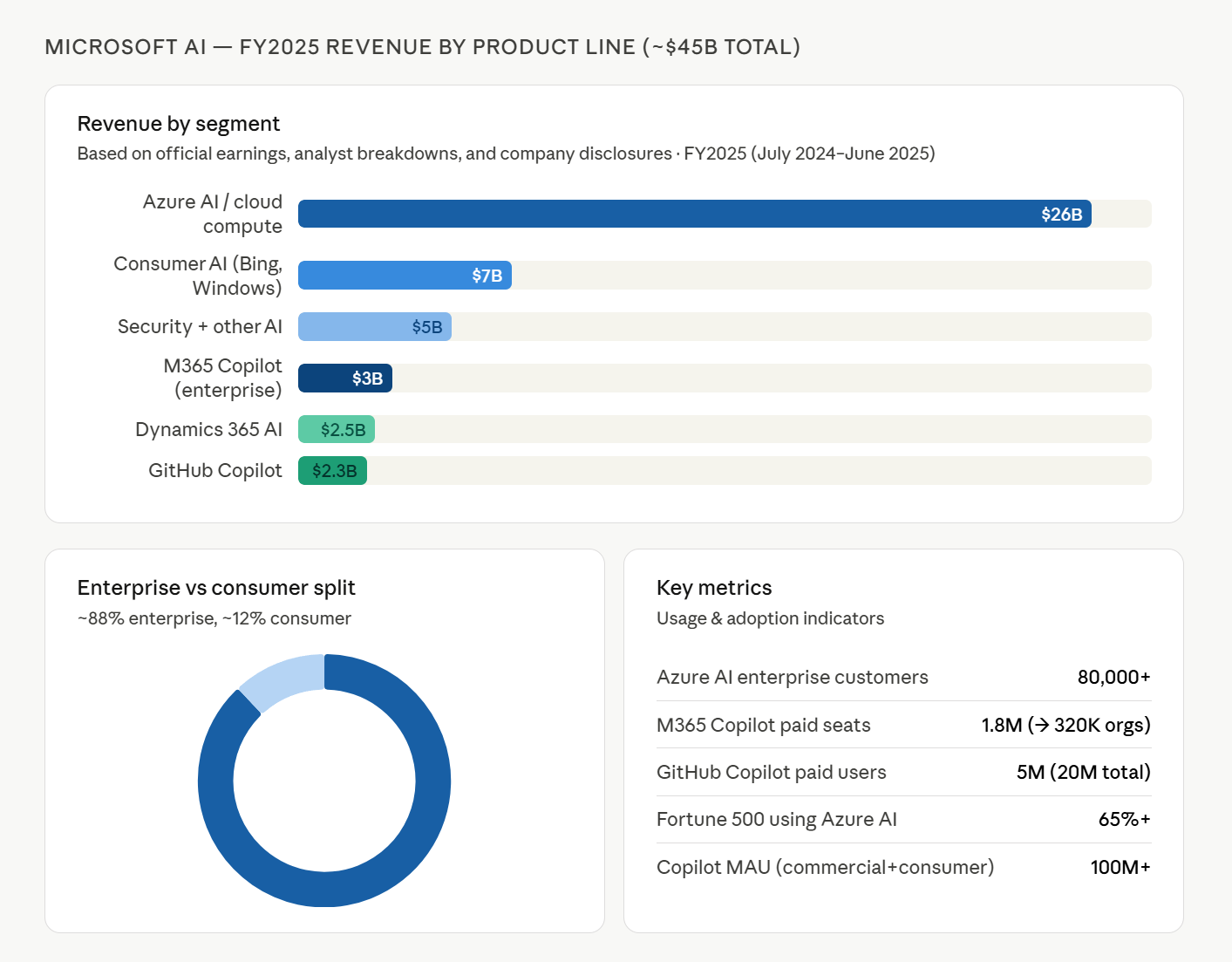
Microsoft, conversely, is demonstrating robust AI-driven revenue growth. The company reported 15 million licensed users for its Copilot offering, generating an estimated $4.5 to $5 billion annually based on an average subscription price of $25 per month. This figure, when combined with revenue from Azure API services and other AI-related offerings, places Microsoft’s AI revenue in the range of $25 billion or more, with its AI segment experiencing a 39% year-over-year growth.
Microsoft’s forward-looking projections are even more ambitious, with the company anticipating over $100 billion in new AI revenue over the next three years, a figure some analysts believe could be achieved even sooner. This aggressive growth trajectory is largely attributed to Microsoft’s strategic focus on the "surface" and the ecosystem.
The Evolution of Microsoft Copilot: From Fragmented Features to an Integrated Platform
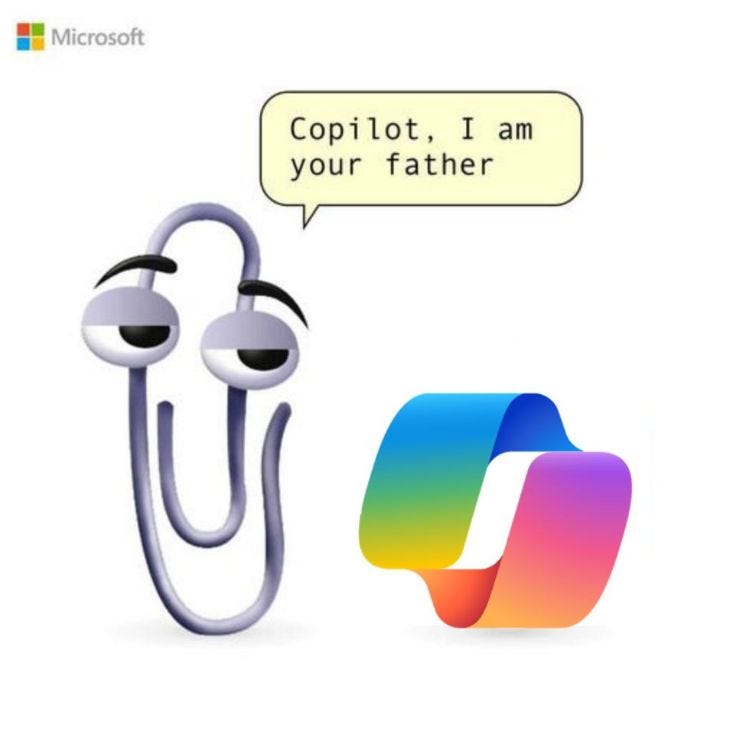
Microsoft’s journey with AI began with its significant investment in OpenAI, initially integrating ChatGPT into Bing. This evolved into the broader Microsoft Copilot vision, which, in its early stages, was perceived as an intelligent assistant akin to the long-forgotten "Clippy." However, Microsoft’s strategy has since undergone a significant transformation, moving from a collection of disparate features to a cohesive and integrated platform.
Initially, Copilot’s offerings were fragmented, with versions integrated into specific Microsoft products like M365, Dynamics, Excel, and GitHub. The company also introduced Copilot Studio and Agent 365, among other AI-powered tools, creating a flurry of new products that, while innovative, sometimes felt disjointed.
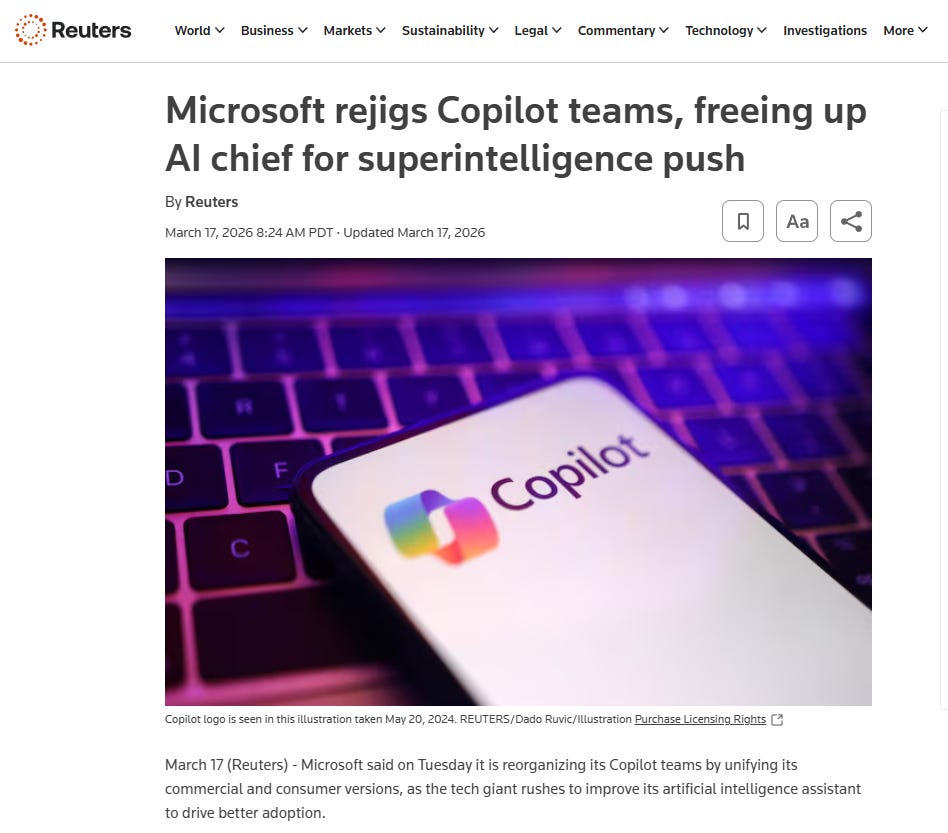
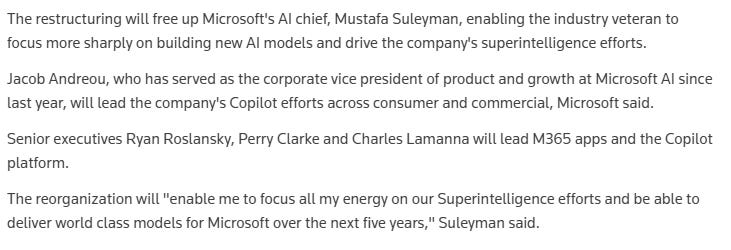
A pivotal moment in this evolution was the reorganization of Microsoft’s Copilot product teams into a single, unified product organization, spearheaded by leaders like Ryan Roslansky (LinkedIn), Perry Clarke (Copilot Core), and Charles Lamanna (Agents and Apps). This consolidation, driven by a desire to address customer confusion and streamline development, allows Microsoft to operate with a more integrated strategy, mirroring the comprehensive approach seen in companies like Nvidia.
This strategic realignment has enabled Microsoft to:
- Unify the AI Experience: By bringing disparate Copilot efforts under one umbrella, Microsoft can deliver a more consistent and intuitive user experience across its product suite.
- Leverage a Diverse Model Strategy: The integrated platform can now seamlessly incorporate models from OpenAI, Anthropic, and potentially Microsoft’s own AI research, offering businesses the flexibility to choose the best model for specific tasks.
- Accelerate Innovation: A single product organization can foster faster development cycles and more efficient resource allocation, leading to quicker deployment of new features and capabilities.
- Strengthen Ecosystem Integration: The unified platform facilitates deeper integration with Microsoft’s existing enterprise tools and partner solutions, creating a more robust and interconnected AI ecosystem.
The leadership team, now including Jacob Andreou (responsible for Copilot growth), is focused on enhancing the overall agent enablement and corporate user value, moving beyond app-specific functionalities. This strategic shift positions Microsoft to effectively compete in the enterprise AI market by offering a comprehensive and integrated solution.
Key Drivers of Microsoft’s Enterprise AI Dominance
Several factors are contributing to Microsoft’s growing market share in the enterprise AI sector:
-
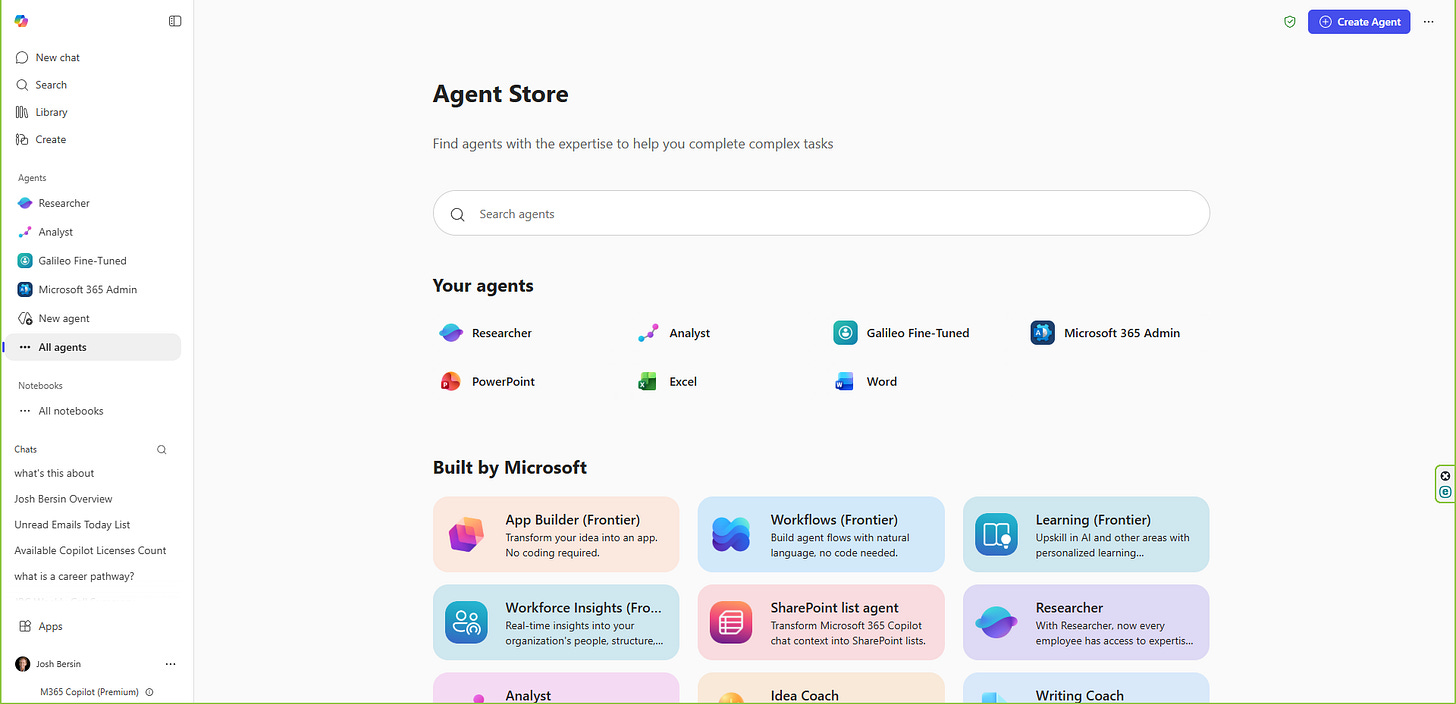
Integrated Enterprise Solutions: The corporate market demands an integrated toolset that combines desktop applications, development tools, IT management capabilities for AI agents, and seamless connectivity with legacy systems. Microsoft, through its WorkIQ strategy and significant investments in Agent365 and Copilot Studio, is actively building this comprehensive solution, often in collaboration with its extensive partner network.
-
Developer-Friendly Platform: The vast application development world is eagerly awaiting a more integrated set of tools. Microsoft is providing APIs that allow various enterprise software vendors – ERP, financial, productivity, analytics – to build applications that plug into the "Copilot-land" ecosystem. While navigating the various API options (Teams, Graph, WorkIQ, Fabric) can be complex, the path towards integration is becoming increasingly clear.
-
User-Centric Desktop Integration: End-users, IT departments, and PC buyers are increasingly recognizing the potential for AI applications to converge within the familiar Microsoft desktop environment. The ongoing improvements to the Copilot user experience, coupled with Microsoft’s investment in top UI designers, are expected to further enhance its appeal. While the current interface may appear somewhat "Frankensteinish," its rapid beautification and refinement are anticipated.
-
Expansive Partner Network: Microsoft’s vast partner network is a significant asset. As APIs for solutions like WorkIQ become available, corporate cloud vendors, who are concerned about being disrupted by AI agents, are likely to seek opportunities to integrate with Microsoft’s platform, further expanding its reach and influence.
Microsoft’s Strategic Value-Add in the AI Landscape
Microsoft’s contributions to the AI landscape extend beyond its integrated platform and ecosystem:
-
Deep Research Capabilities: Features like the "Researcher" tool, which leverages the Microsoft Graph to conduct in-depth analysis of calendar data and other internal information, provide valuable context and advice to users. As this functionality expands with enhanced memory and contextual understanding, it offers significant value to individuals and leaders.
-
Intelligent Routing and Optimization: New Microsoft Agents are being developed to compare queries across different AI models, helping users optimize their resource allocation and costs. Over time, these agents are expected to decompose complex AI tasks, distributing them to the most appropriate models.
-
Agentic Interface for Productivity Apps: The new Copilot allows users to interact with complex documents, ask questions, modify tables, run reports, and create graphs directly within Microsoft applications like Excel, PowerPoint, and Word. This deep in-app integration is expected to evolve and become more sophisticated.
-
Intelligent Context Layer in Work IQ: The upcoming release of the WorkIQ API will enable companies to import and build "context" into Copilot. This will transform Copilot into a true agentic solution for HR, finance, sales, and other business functions, allowing for more intelligent and automated workflows.
The integration of specialized AI solutions, such as Galileo, through the Graph connector and as a fine-tuned model, further exemplifies this strategy. This allows employees to access advanced management and HR advisory services, solidifying Galileo’s position as a world-class resource within the Microsoft ecosystem.
In conclusion, while the public offerings of OpenAI and Anthropic are capturing headlines, Microsoft’s strategic focus on building a comprehensive, integrated, and ecosystem-driven AI platform for the enterprise positions it as a formidable leader in the current and future AI landscape. Its ability to seamlessly blend foundational AI models with user-friendly application experiences and a robust partner network is likely to drive its sustained growth and market dominance.