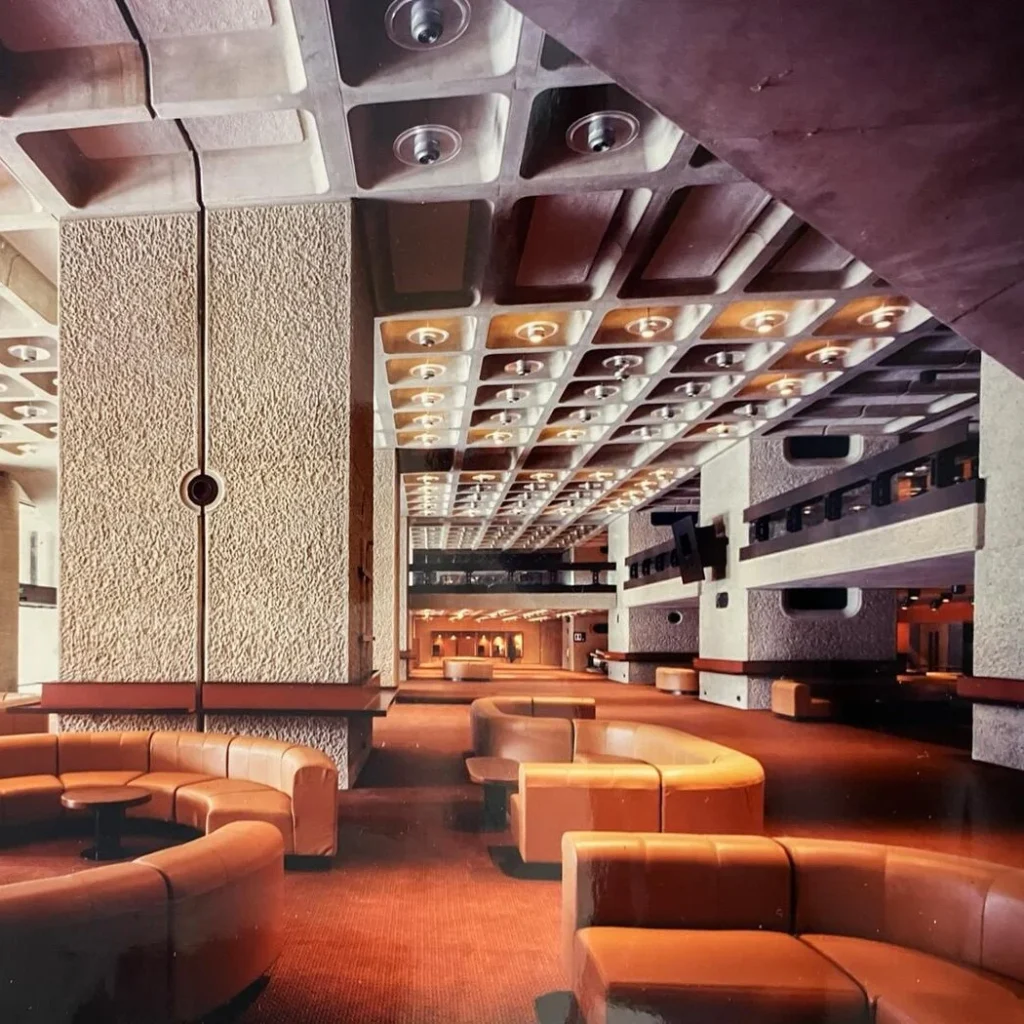
The Barbican Centre has embarked on a significant international search for a visionary designer or design team to craft a comprehensive new furniture strategy for its iconic public spaces. This ambitious undertaking is a cornerstone of the venue’s extensive £231 million renewal programme, a multi-year initiative aimed at preserving and enhancing one of London’s most celebrated cultural landmarks. The commission, set to span from 2026 to 2029, will necessitate the creation of a bespoke collection of up to 500 unique furniture pieces, meticulously designed to complement the Barbican’s distinctive Brutalist architecture, while simultaneously exploring opportunities for the judicious reuse of existing furnishings and the integration of carefully selected off-the-shelf products.
A Global Call for Design Excellence
The open competition, actively seeking submissions from designers and teams worldwide, underscores the Barbican’s commitment to securing the most innovative and fitting solutions for its evolving needs. The initial proposal deadline is set for 28 August, with a competitive shortlist anticipated to emerge in September. This selected group will then proceed to a full tender process, culminating in the appointment of the chosen designer or team in November. The scope of the new furniture is broad, envisioned to furnish the entirety of the Barbican’s public areas. This could encompass a diverse array of items, from comfortable armchairs and modular sofas designed for relaxation and social interaction, to functional coffee tables, practical bar stools, communal benches equipped with parasols for al fresco enjoyment, and versatile stackable chairs to accommodate larger events and performances. Central to the design brief are the critical principles of accessibility, flexibility, and sustainability, ensuring that the new furniture not only enhances the aesthetic and functional qualities of the spaces but also serves the needs of all visitors and minimises environmental impact.
Reimagining Spaces for a Diverse Audience
The furniture strategy will extend its influence across key areas within the Barbican, including the picturesque Lakeside, the open Sculpture Court, and the dynamic Learning Spaces. Furthermore, it will play a crucial role in the redesigned foyers, a collaborative project currently underway with renowned architectural practices Allies and Morrison and Asif Khan Studio. This integrated approach to spatial design highlights the Barbican’s holistic vision for its future.
Recent audience feedback has been a pivotal driver for this furniture initiative. Extensive consultations, inclusive design workshops, and direct co-design sessions with visitors have consistently pointed towards a clear need for furniture that is more inviting, cohesive, and adaptable. The current offerings, while functional, have been identified as not fully meeting the diverse demands of the Barbican’s multifaceted programme and its growing, diverse audience. The desire is for furniture that actively enhances the visitor experience, making every corner of the centre feel more welcoming and conducive to a wide range of activities, from quiet contemplation to lively gatherings.
A Legacy of Design
Furniture has been an intrinsic element of the Barbican’s identity since its inception in 1982. The original interiors featured bespoke pieces crafted by the esteemed designer Robin Day, whose work included distinctive seating, sofas, chairs, and tables specifically conceived for the building’s unique architectural language. While much of this original furniture has been replaced over the decades, its legacy serves as a potent reminder of the profound impact that thoughtfully designed furnishings can have on the character and atmosphere of a space. This new commission presents an opportunity to forge a new chapter in this design heritage, creating pieces that are both contemporary and deeply respectful of the building’s original ethos.
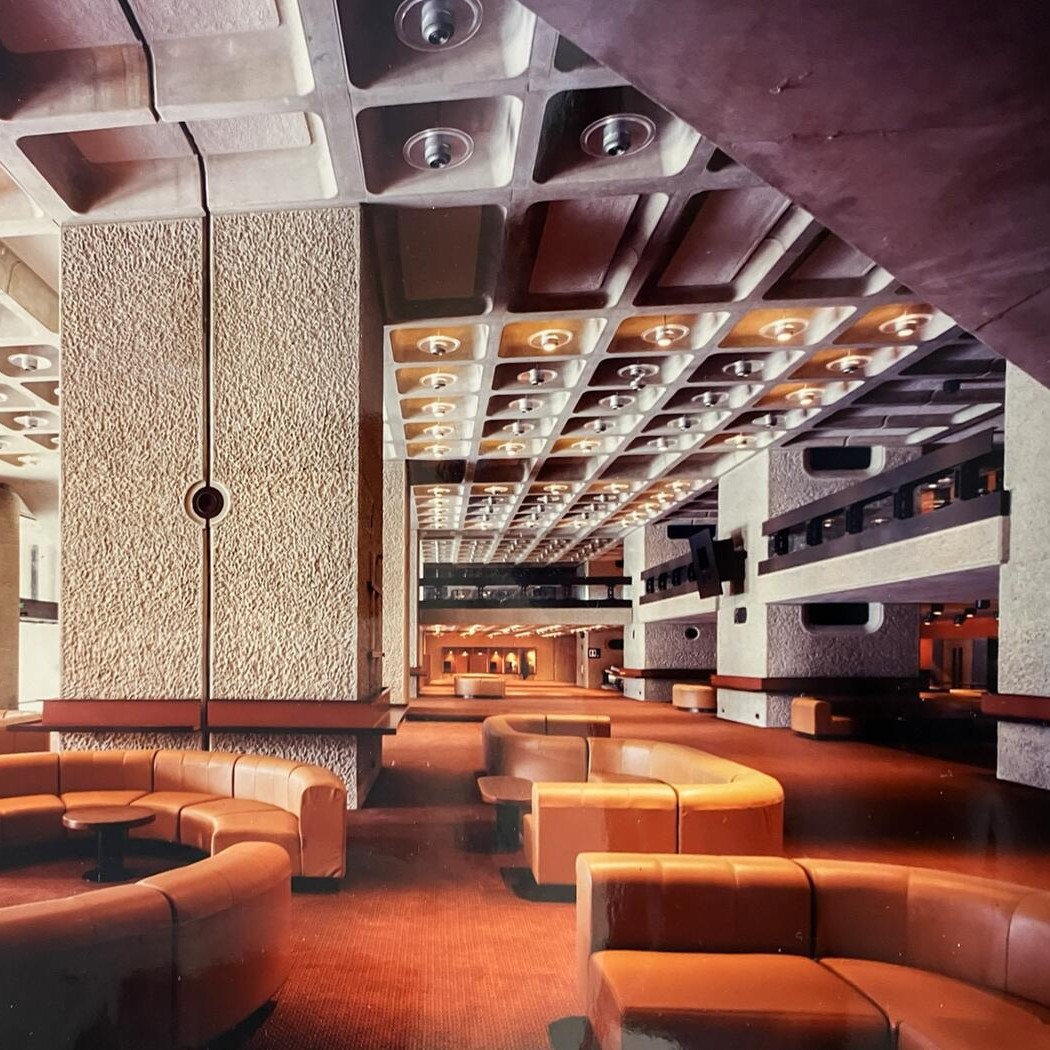
Philippa Simpson, Chief Operating Officer at the Barbican Centre, articulated the significance of this project: "Furniture has always helped shape how people experienced the building. We’re looking for a designer or design team to create objects of quality and comfort, that respond to the Barbican’s extraordinary architecture and artistic purpose. We want these new designs to accommodate the remarkable range of activities that take place in our spaces, ensuring every single visitor knows they are welcome.” Her statement emphasises the dual ambition of the project: to achieve aesthetic excellence and functional superiority, while simultaneously fostering an inclusive and welcoming environment for all.
Alex Watt, an architect at Asif Khan Studio, echoed this sentiment, viewing the commission as a vital extension of the design thinking already being applied to the centre’s foyer renovations. "The furniture commission offers an opportunity to extend the design thinking being applied to the centre’s foyers, while retaining the character of the original architecture," he commented. This perspective highlights the interconnectedness of the renewal programme, where each element, from architectural interventions to furniture design, contributes to a unified vision.
The Barbican Renewal Programme: A Vision for the Future
The furniture project is an integral component of the broader Barbican Renewal programme. This extensive £231 million initiative is designed to meticulously conserve and upgrade the building, ensuring its suitability and appeal for future generations, particularly as it approaches its 50th anniversary. The programme addresses critical aspects such as enhancing accessibility, improving sustainability credentials, and modernising facilities to meet contemporary visitor expectations. The Barbican, a cultural behemoth that welcomes over 30,000 visitors on an average day, requires a constant commitment to evolution and improvement to maintain its status as a world-leading arts and cultural destination.
Supporting Data and Context
- Renewal Programme Budget: £231 million – This substantial investment signifies the Barbican’s commitment to a comprehensive and long-term revitalization.
- Project Timeline: 2026-2029 for the furniture strategy, with the overall Renewal Programme extending over several years.
- Furniture Commission Scope: Up to 500 bespoke pieces, alongside integration of existing and off-the-shelf items.
- Visitor Numbers: Over 30,000 daily visitors – this highlights the scale of the furniture requirement and the need for durable, functional, and aesthetically pleasing designs that can withstand high traffic.
- Key Design Principles: Accessibility, flexibility, and sustainability are paramount, reflecting contemporary design values and the Barbican’s commitment to inclusivity and environmental responsibility.
- Architectural Context: The Barbican is a Grade II-listed building, presenting unique design challenges and opportunities to harmonise new interventions with existing heritage.
Chronology of the Furniture Commission
- Present: International search for a designer/design team launched.
- 28 August: Deadline for initial proposals.
- September: Shortlisting of candidates.
- September onwards: Full tender process for shortlisted parties.
- November: Appointment of the successful designer or design team.
- 2026 – 2029: Development and implementation of the new furniture strategy.
Broader Impact and Implications
The successful implementation of this new furniture strategy will undoubtedly have a profound impact on the daily experience of millions of visitors to the Barbican Centre. Beyond mere aesthetics, the project speaks to a deeper understanding of how physical spaces can shape cultural engagement. By prioritising accessibility, the Barbican is reinforcing its commitment to being a truly inclusive institution, ensuring that individuals of all abilities can navigate and enjoy its spaces comfortably. The emphasis on flexibility acknowledges the dynamic nature of a contemporary arts centre, where spaces must be adaptable to a wide array of events, performances, and public interactions. Furthermore, the focus on sustainability aligns with growing global awareness of environmental responsibility within the design and construction sectors.
The selection process itself, being an international competition, has the potential to attract cutting-edge design talent, fostering innovation and bringing fresh perspectives to the Barbican. This not only benefits the centre but also contributes to the broader discourse on design excellence within the cultural sector. The integration of existing furniture with new bespoke pieces demonstrates a thoughtful approach to resource management and a respect for the building’s history, avoiding a complete, potentially wasteful, overhaul.
The Barbican Renewal Programme, of which this furniture commission is a vital part, represents a significant investment in the future of one of the world’s most important cultural complexes. It signals a dedication to maintaining its architectural integrity while ensuring its continued relevance and appeal in the 21st century. The success of this furniture strategy will be a key indicator of the programme’s ability to harmonise heritage with contemporary needs, ultimately enhancing the visitor experience and solidifying the Barbican’s position as a beacon of arts and culture. The project serves as a compelling case study for how heritage venues can strategically plan for the future, integrating design, sustainability, and audience needs into comprehensive renewal efforts.