Employee engagement, defined as the profound emotional and professional bond individuals forge with their work, their colleagues, and their organization, stands as a cornerstone of sustained business success. This deep-seated connection inspires employees to invest greater effort, achieve higher performance levels, and demonstrate a strong inclination to remain with their employer. Conversely, a deficit in engagement precipitates a tangible decline in productivity, strains workplace culture, and exacerbates employee turnover, a perennial challenge for many organizations. The stakes are significant, with a recent Engagement and Retention Report revealing that by 2026, a mere 25% of employees anticipate a long-term career trajectory within their current company. This statistic underscores that the issue transcends budgetary considerations and is fundamentally a matter of fostering robust employee connections. Engagement flourishes when recognition, open communication, and a supportive culture are integrated into the fabric of daily operations.
Understanding the Multifaceted Nature of Employee Engagement
At its core, employee engagement represents the emotional commitment individuals have toward their organization and its overarching objectives. It extends beyond the mere execution of tasks, delving into the "why" behind their contributions. Engaged employees are characterized by a genuine care for their responsibilities, a strong rapport with their team members, and a belief that their efforts contribute meaningfully to the organization’s success. They are not solely motivated by remuneration or professional advancement; rather, they are driven by a sense of alignment with the company’s mission, confidence in their roles and expectations, and the affirmation of their contributions through recognition.
The Tangible Benefits of a Highly Engaged Workforce
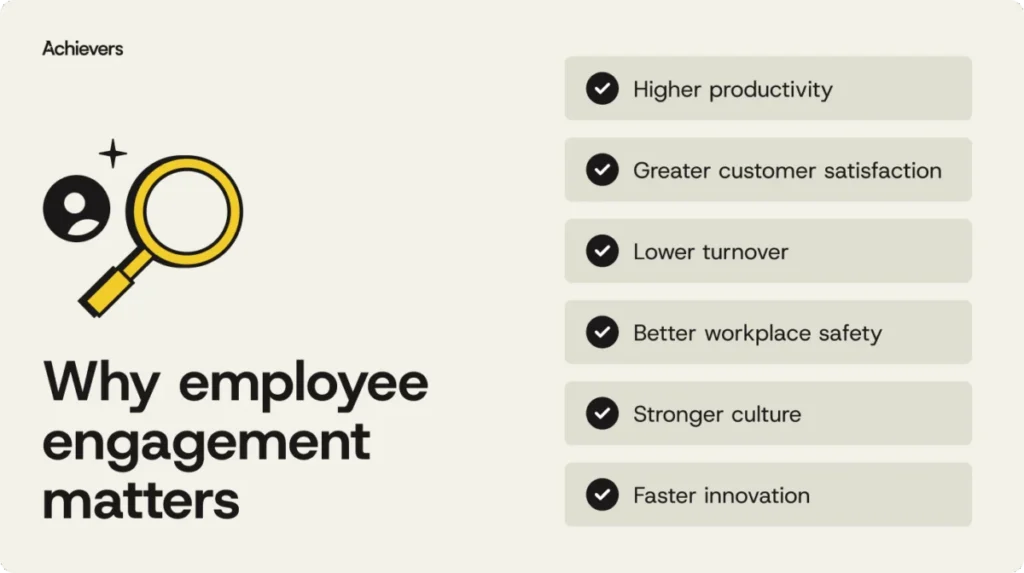
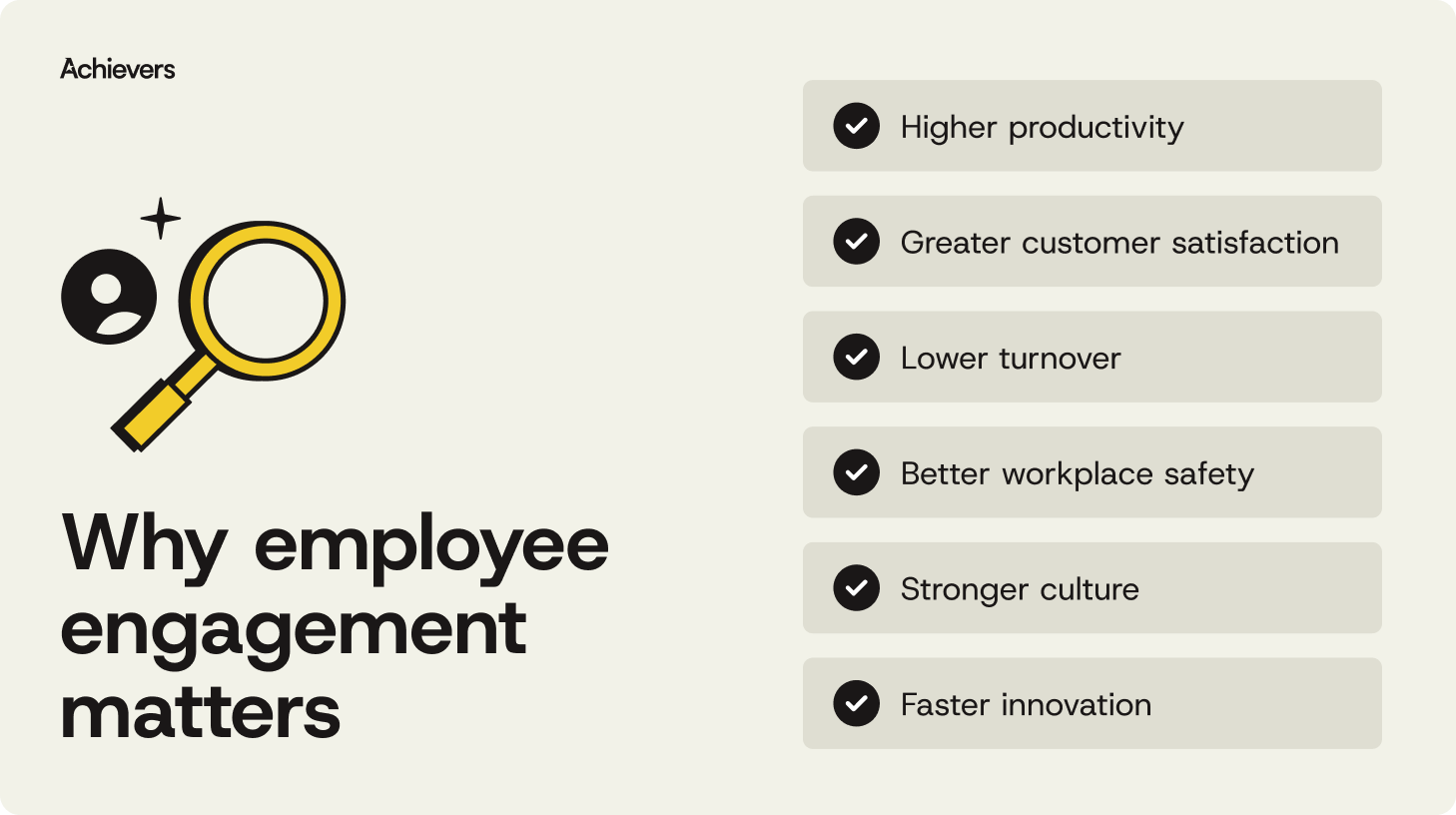
While employee engagement may sometimes be perceived as an ancillary concern, it is, in fact, a critical indicator of an organization’s capacity for sustained performance. A lack of engagement permeates all levels of a business, manifesting as diminished productivity, compromised customer experiences, and increased employee attrition. Conversely, high engagement levels catalyze improvements across a spectrum of operational facets, from enhanced productivity and performance to a more fertile ground for innovation. Investing in employee engagement is, therefore, an investment in the fundamental health and future viability of the enterprise.
The dividends of prioritizing employee engagement are substantial and far-reaching:
Elevated Productivity and Performance
Engaged employees bring not only a greater volume of work but also an infusion of energy and purpose. This translates into more efficient task completion, heightened focus, and superior outcomes, directly impacting the organization’s bottom line.
Enhanced Customer Satisfaction
Individuals who feel a strong connection to their work are inherently more motivated to extend exceptional service to customers. This dedication and commitment radiate outwards, significantly enhancing the overall brand experience.
Reduced Employee Turnover
When employees feel acknowledged, valued, and supported, their propensity to remain with the organization increases significantly. Engagement is a powerful predictor of retention, offering a more cost-effective strategy than the continuous cycle of recruitment and training new talent.
Improved Workplace Safety
A psychologically safe environment is intrinsically linked to high employee engagement. When individuals feel secure in expressing their opinions, posing questions, or admitting to errors, the entire organization operates with greater fluidity and safety.
Fortified Organizational Culture
Employee engagement serves as a catalyst for culture, rather than being a mere byproduct. The consistent recognition of positive behaviors, the cultivation of trust, and the reinforcement of shared objectives collectively shape a culture that employees are eager to be a part of.
Accelerated Innovation
Employees are more inclined to engage in creative thinking and problem-solving when they are invested in the outcomes. Engaged teams are more likely to share novel ideas, experiment with new approaches, and collaborate effectively, transforming initial concepts into impactful innovations.
The true power of engagement often lies in the subtle, everyday interactions. It is evident when employees proactively offer assistance without being prompted, go above and beyond their defined roles, and demonstrate a vested interest in the final results, driven by the conviction that their contributions are meaningful.

The Seven Pillars of Effective Employee Engagement
Achieving robust employee engagement is not a matter of chance or superficial initiatives; it requires building a solid foundational framework. The following seven pillars represent the core drivers of employee engagement in contemporary workplaces:
Clarity of Goals and Expectations
Employees require a clear understanding of their organizational direction and the benchmarks for success. This clarity fosters confidence and ensures that teams remain aligned and accountable for their objectives.
Continuous Feedback and Open Communication
A reciprocal flow of communication is fundamental to engagement. Without it, even well-intentioned organizational messages can be perceived as one-sided pronouncements, failing to resonate with the workforce.
Meaningful Recognition and Appreciation
Recognition plays a pivotal role in fostering employee engagement. When it is specific, timely, and aligned with organizational values, it reinforces desired behaviors, drives performance, and affirms the significance of employees’ contributions.
Opportunities for Growth and Development
Stagnation is detrimental to engagement. Employees are more invested when they can envision a future within the organization, supported by access to learning opportunities, challenging projects, and clearly defined career paths.
Psychological Safety and Inclusivity
A workplace where individuals feel safe to voice their opinions, ask questions, and express their authentic selves fosters stronger engagement. This is complemented by a commitment to work-life balance, demonstrating that employee well-being is valued and that individuals are trusted to manage their time effectively.
Sense of Purpose and Impact
Employees are motivated when they understand that their work has a broader significance. Connecting daily tasks to overarching organizational goals imbues employees with a sense of purpose and belonging to something larger than themselves.
Strong Relationships with Managers and Peers
Engagement is inherently personal and relational. Trust, mutual support, and meaningful connections among colleagues and with management have a profound impact on an individual’s commitment to the organization.
Forward-thinking organizations are increasingly leveraging behavioral data derived from recognition programs to gain deeper insights into employee engagement. This data can illuminate how recognition contributes to enhanced organizational alignment and measurable business outcomes across the entire workforce.
Strategies for Cultivating and Enhancing Employee Engagement
Improving employee engagement necessitates more than mere measurement; it requires a genuine commitment to action. Regardless of the sophistication of an engagement survey, its impact will be limited unless underpinned by concrete steps.
The path to fostering a highly engaged workforce involves several key strategies:
Implementing Real-Time Listening Tools for Continuous Measurement
The traditional annual engagement survey is becoming obsolete. Modern platforms enable continuous sentiment capture through milestones, feedback mechanisms, and ongoing manager interactions. This allows leaders to identify potential issues proactively and address them before disengagement becomes pervasive.
Leveraging One-on-One Meetings to Deepen Engagement
One-on-one meetings should transcend mere status updates. When conducted effectively, they create a space for candid dialogue, personalized coaching, and essential support, thereby building trust and humanizing the work experience.
Gathering Employee Feedback Beyond Traditional Surveys
While dashboards provide an overview of what is happening, focus groups, town hall meetings, and open forums offer crucial insights into the underlying reasons. This multifaceted approach empowers employees to actively shape their work environment.
Tracking Employee Recognition to Understand Engagement Drivers
Data from recognition programs reveals which behaviors are being reinforced and which are not. This information is invaluable for understanding the true drivers of organizational culture and the behaviors that are genuinely rewarded.
Identifying Engagement Trends and Early Warning Signs
Engagement data enables organizations to shift from a reactive to a proactive stance. By monitoring shifts in participation, sentiment, and recognition patterns, leadership can identify potential issues early on and provide timely support, thereby preventing widespread disengagement. The data will signal if employees are becoming less participatory, experiencing burnout, or mentally checking out; the critical question is whether these signals will be recognized and acted upon in time.
The Profound Impact of Recognition on Engagement
Recognition is frequently undervalued as a mere "nice-to-have" gesture. However, empirical data paints a different picture. Research from the Achievers Workforce Institute indicates that employees who receive meaningful recognition at least monthly are six times more likely to recommend their company as an excellent place to work. This substantial impact can be achieved through simple actions that take minimal time but significantly contribute to employees feeling seen, valued, and connected to their purpose.
Achievers’ employee recognition platform is engineered to elevate recognition beyond ephemeral feel-good moments, transforming it into a consistent habit that invigorates engagement, strengthens culture, and enhances performance.
Building a Scalable Employee Engagement Strategy
Ultimately, employee engagement is not an incidental outcome but a cultivated environment. Through consistent recognition, fostering meaningful connections, and continuous measurement, organizations can create a workplace where individuals are motivated to contribute, thrive, and remain.
However, scaling engagement strategies presents a unique challenge. As organizations expand, culture can become diluted, disparate tools can create inefficiencies, and engagement initiatives can lose momentum. This is where a purpose-built platform becomes indispensable.
Achievers is designed to ensure that recognition flows consistently, feedback remains ongoing, and insights are actionable. Every interaction is crafted to feel personal, irrespective of the size or global reach of the team. The objective is not to proliferate additional tools but to embed engagement as an integral component of the organization’s daily operations.
For organizations seeking a more effective approach to employee engagement, Achievers offers comprehensive support in building and implementing robust strategies.