
In the modern digital economy, the traditional metrics of corporate success—reach, impressions, and share of voice—are increasingly viewed as incomplete indicators of a brand’s health. While companies have historically invested heavily in ensuring their names are visible through aggressive SEO, social reach, and media mentions, industry analysts now argue that visibility is merely the precursor to a more critical metric: brand sentiment. Brand sentiment represents the qualitative dimension of a company’s presence, revealing not just that people are talking about a business, but how they feel and what they believe about its products, ethics, and reliability. For B2B organizations, where the sales cycle is long and the financial stakes are high, understanding this emotional and attitudinal landscape has become a prerequisite for sustainable growth and market trust.
The Distinction Between Awareness and Sentiment
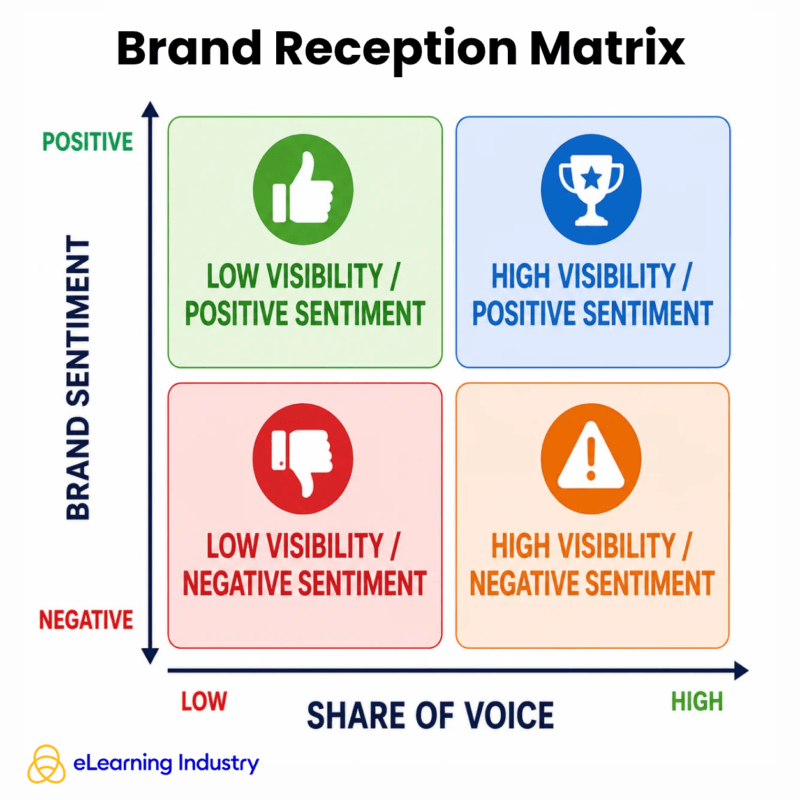
Market visibility answers the question of whether a brand exists in the minds of the target audience. It is a quantitative measure of presence. However, brand sentiment delves into the nature of that presence. A company can dominate a market’s share of voice while simultaneously suffering from a catastrophic decline in customer trust. This phenomenon is often seen following unpopular pricing adjustments, product failures, or controversial corporate leadership decisions. In these instances, high visibility actually becomes a liability, as the broad reach of the brand serves only to amplify negative experiences and criticisms.
Conversely, smaller enterprises or niche B2B providers may possess a lower share of voice but maintain exceptionally high positive sentiment. In these cases, a smaller, more dedicated customer base acts as a force multiplier, providing authentic recommendations and peer-to-peer validation that often carry more weight than a million-dollar advertising campaign. This is particularly true in B2B markets, where the buying process involves multiple stakeholders, extensive research periods, and a high degree of perceived risk. Before a prospect ever engages with a sales representative, they have likely spent weeks scouring reviews, industry forums, and third-party publications to gauge the "vibe" and reliability of the vendor.
Defining the Sentiment Spectrum: Positive, Neutral, and Negative
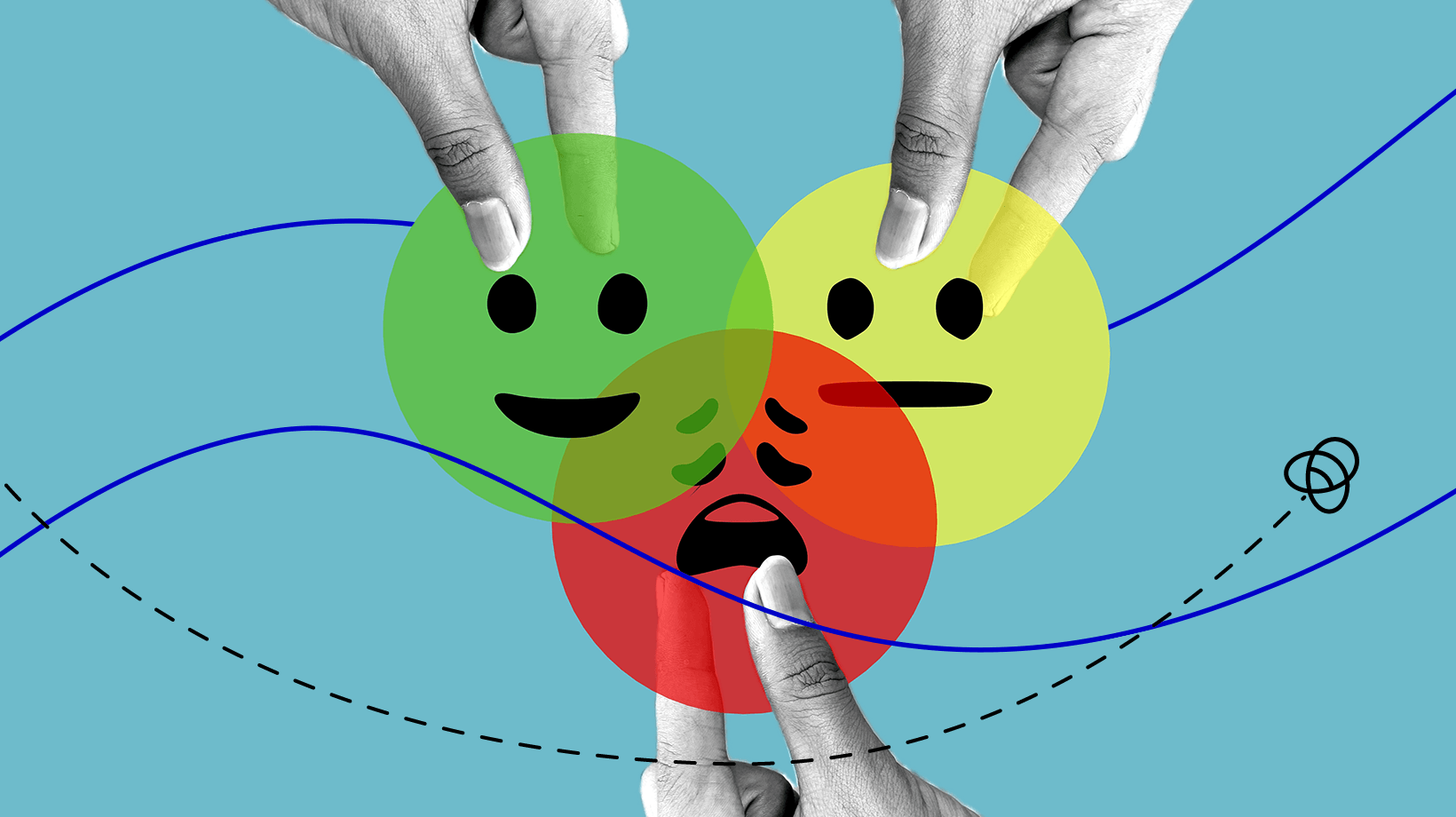
To effectively manage brand sentiment, organizations must first categorize the data they receive from the market. Most sentiment analysis frameworks utilize a tripartite classification system:
Positive Sentiment: The Engine of Advocacy
Positive sentiment is characterized by expressions of trust, satisfaction, and enthusiasm. In a B2B context, this manifests as successful implementation stories, praise for a customer support team, or public endorsements of specific product features. Positive sentiment is the primary driver of customer advocacy, which is the most cost-effective marketing tool available. When customers speak positively about their experiences, they provide the social proof necessary to move prospects through the middle of the sales funnel.
Neutral Sentiment: The Signal of Intent
Often overlooked, neutral sentiment consists of factual mentions, product queries, or news reports that lack a clear emotional charge. However, in B2B sectors like eLearning or HR tech, neutral sentiment is often a precursor to a transaction. A technical question regarding software integration or a request for a feature comparison is "neutral" in tone but represents high-intent buying behavior. Analysts suggest that monitoring neutral sentiment can provide a roadmap for content gaps and pre-sales opportunities.
Negative Sentiment: The Early Warning System
Negative sentiment arises from frustration, disappointment, or a breach of trust. This may stem from poor product reliability, opaque pricing structures, or friction during the onboarding process. While often feared by marketing teams, negative sentiment provides a vital feedback loop. It identifies systemic issues that, if left unaddressed, could lead to high churn rates and long-term reputational damage.
The Hierarchy of Brand Metrics: Sentiment, Perception, and Reputation
While often used interchangeably, brand sentiment, perception, and reputation represent different temporal and psychological aspects of a brand’s standing.
- Brand Sentiment: This is the "now" metric. It captures the current emotional temperature of the market based on recent interactions and conversations.
- Brand Perception: This is broader and more descriptive. It involves the associations people have with a brand—such as "innovative," "affordable," or "legacy." A brand may have a perception of being "innovative" while currently suffering from "negative sentiment" due to a buggy software update.
- Brand Reputation: This is the long-term accumulation of sentiment and perception over years. It is the historical record of a company’s behavior and reliability. Reputation is much harder to build and much slower to change than sentiment.
Industry experts suggest that the ideal market position is a synergy of these elements: high visibility coupled with positive sentiment and relevant brand associations. Without all three, a company’s market position remains fragile.
The B2B Buyer’s Journey and the Chronology of Research
The impact of sentiment is most pronounced during the B2B research phase. Unlike B2C transactions, which can be impulsive, B2B decisions are calculated. A typical chronology of a B2B purchase involves:
- Phase 1: Problem Identification: The buyer recognizes a need.
- Phase 2: Information Search: The buyer looks for solutions. Here, sentiment begins to matter as they encounter top-of-funnel content and social media discussions.
- Phase 3: Evaluation of Alternatives: The buyer looks at reviews, third-party directories, and AI-generated summaries. Negative sentiment here can lead to immediate disqualification.
- Phase 4: Peer Validation: The buyer consults industry communities (e.g., LinkedIn groups or Slack channels). Authentic peer sentiment often outweighs all vendor-provided collateral.
- Phase 5: Selection and Purchase: The buyer enters the sales cycle, often already 70% decided based on the sentiment they encountered during phases 2 through 4.
If a brand has high awareness but poor sentiment, it may generate many leads that never convert, as the "discovery" phase of the buyer’s journey reveals too many red flags.
Data Sources and the Role of AI in Sentiment Analysis
Historically, sentiment analysis was limited to social media monitoring. However, the modern B2B landscape requires a more holistic approach. Valuable data now flows from:
- Third-Party Review Sites: Platforms like G2, Capterra, or eLearning Industry provide deep insights into product-market fit and service quality.
- Customer Support and Success Logs: Internal data from support tickets and success calls can reveal sentiment trends before they reach the public sphere.
- Community Forums and Dark Social: Conversations in private groups or specialized forums often contain the most candid and influential sentiment.
- AI Assistants and Search Generative Experience (SGE): As buyers increasingly use tools like ChatGPT or Perplexity to research vendors, the "sentiment" these AI models synthesize from the web becomes a primary driver of brand perception.
Strategies for Measuring and Improving Sentiment
To move beyond anecdotal evidence, companies must adopt quantitative methods for tracking sentiment. A common approach is the "Net Sentiment Score," calculated by subtracting the percentage of negative mentions from the percentage of positive mentions. However, volume and context are critical. A net sentiment of +50 based on ten mentions is less statistically significant than a score of +30 based on a thousand mentions.
A Framework for Improvement
When negative sentiment is detected, the response must be operational, not just promotional. The recommended framework is:
- Listen: Aggregating data from multiple channels to identify the "why" behind the "what."
- Diagnose: Determining if the sentiment is a result of a communication breakdown or a genuine product/service failure.
- Respond: Engaging with critics transparently and without defensiveness.
- Fix: Implementing the necessary changes to the product, pricing, or support structure.
- Communicate: Publicly or privately closing the loop with the audience to show that feedback was valued and acted upon.
- Measure: Tracking if the changes result in a positive shift in sentiment over the following quarter.
The Broader Impact: Business Intelligence and Corporate Strategy
Ultimately, brand sentiment is more than a marketing KPI; it is a form of business intelligence. It provides product teams with a roadmap for feature development, gives sales teams a heads-up on common objections, and offers leadership an early warning of reputational risks. In an era where AI can summarize a company’s entire history in a single paragraph, the "feeling" a brand leaves behind is its most valuable asset.
By shifting focus from merely being seen to being trusted, B2B companies can build a resilient brand that survives market volatility. The goal is not to control every conversation—which is impossible—but to ensure that the authentic experiences of customers and the public provide a foundation of credibility that supports long-term growth. In the final analysis, brand awareness gets a company noticed, but brand sentiment is what gets them hired.






