The drive to help others, a core human motivation, can inadvertently lead to a profound occupational hazard: compassion fatigue. This insidious condition, characterized by emotional exhaustion stemming from prolonged exposure to suffering, is increasingly impacting professionals across a wide spectrum of industries, from healthcare and social services to education and even corporate HR. What begins as a desire to make a positive impact can, over time, deplete an individual’s capacity for empathy, leading to significant personal and organizational consequences.
The Evolving Landscape of Helping Professions and the Rise of Empathic Distress
The journey toward professions dedicated to aiding others often begins with a noble aspiration to alleviate suffering. For many, this path leads to careers where direct support and emotional investment are paramount. However, the very nature of these roles, which demand constant engagement with the distress of others, creates a fertile ground for compassion fatigue. This phenomenon is not merely a fleeting sense of weariness after a challenging day; it is a gradual erosion of emotional resilience, a cumulative effect of absorbing and processing the pain, trauma, and hardship experienced by those being served.
The concept of compassion fatigue gained significant traction in the late 20th century, particularly within healthcare and social work circles, where professionals frequently encounter intense emotional and psychological distress. However, recent years have seen a broader recognition of its prevalence. As organizations increasingly emphasize employee wellbeing and recognize the interconnectedness of individual and collective health, the understanding of compassion fatigue has broadened beyond traditional "caring" professions. Professionals in human resources, management, education, and even customer service roles, who regularly navigate complex interpersonal dynamics and employee crises, are now understood to be at significant risk.
Defining the Depletion: Compassion Fatigue vs. Burnout

It is crucial to distinguish compassion fatigue from burnout, although the two conditions can often overlap. Burnout is typically characterized by exhaustion, cynicism, and a sense of ineffectiveness, primarily driven by chronic workplace stressors such as excessive workloads, lack of control, unclear expectations, and organizational inequities. It is often described as "work overload."
Compassion fatigue, on the other hand, is more accurately defined as "empathetic distress." It arises from the cumulative emotional toll of witnessing and absorbing the suffering of others. The core issue lies in the inability to process and recover from repeated exposure to trauma and pain, leading to a depletion of empathy. While a burned-out individual may feel detached and indifferent due to overwhelming demands, someone experiencing compassion fatigue often still feels the weight of others’ suffering, but their capacity to respond effectively has been severely diminished. This distinction is vital because the underlying causes and, consequently, the most effective interventions, can differ significantly.
Identifying the Warning Signs: A Multifaceted Impact
The onset of compassion fatigue is often subtle, manifesting gradually and sometimes going unnoticed until significant damage has occurred. Its symptoms are multifaceted, impacting individuals emotionally, physically, and behaviorally. Early recognition is paramount, enabling timely intervention and mitigating long-term consequences.
-
Emotional Symptoms: Individuals experiencing compassion fatigue may exhibit increased irritability, anger, or impatience. They might struggle with feelings of sadness, anxiety, or hopelessness, and experience a diminished sense of pleasure or joy. A pervasive feeling of detachment, numbness, or emotional exhaustion is common, alongside a loss of empathy and a reduced capacity to connect with others on an emotional level. They may also experience intrusive thoughts or images related to the distressing situations they have encountered.
-
Physical Symptoms: The emotional strain of compassion fatigue can manifest physically. Common symptoms include chronic fatigue, sleep disturbances (insomnia or hypersomnia), headaches, muscle tension, and gastrointestinal problems. Some individuals may experience a weakened immune system, making them more susceptible to illness. Changes in appetite and a general sense of physical unease or illness are also reported.

-
Behavioral Symptoms: Behavioral changes can include social withdrawal, increased isolation, and difficulty maintaining relationships. Individuals may develop unhealthy coping mechanisms, such as substance abuse or increased reliance on unhealthy habits. Procrastination, decreased performance, increased absenteeism, and a general disengagement from work responsibilities are also indicators. In professional settings, there may be a noticeable decline in the quality of care or service provided, and an increased tendency to make errors.
Who is Most at Risk?
Certain professions and individuals are inherently at a higher risk for developing compassion fatigue due to the nature of their work and the emotional demands it places upon them. These include, but are not limited to:
- Healthcare Professionals: Doctors, nurses, paramedics, veterinarians, and mental health therapists are frequently exposed to trauma, loss, and suffering.
- Social Workers and Counselors: These professionals often work with individuals and families facing severe crises, abuse, and neglect.
- Educators: Teachers, particularly those working with students experiencing trauma or significant challenges, can experience emotional drain.
- Human Resources Professionals: Those who handle employee grievances, crises, and sensitive personal issues are vulnerable.
- Managers and Leaders: Individuals in leadership positions often bear the emotional burden of their teams, mediating conflicts and supporting staff through difficult times.
- First Responders: Police officers, firefighters, and emergency medical technicians regularly face life-or-death situations.
- Unpaid Caregivers: Family members providing long-term care for ill or disabled loved ones are also at significant risk.
Essentially, any role that necessitates sustained empathy, regular exposure to distressing situations, or a high degree of emotional labor is a potential breeding ground for compassion fatigue.
Organizational Implications: Beyond Individual Wellbeing
The impact of compassion fatigue extends far beyond the individual employee, creating tangible negative outcomes for organizations. When employees are emotionally depleted, the organization experiences a cascade of adverse effects:

- Increased Absenteeism and Turnover: Chronically fatigued employees are more likely to take time off and may ultimately seek employment elsewhere, leading to increased recruitment and training costs.
- Reduced Productivity and Engagement: A diminished capacity for empathy and emotional connection can lead to decreased motivation, lower engagement levels, and a general decline in productivity.
- Compromised Quality of Care/Service: In patient-facing roles or safety-critical environments, the emotional bandwidth required for compassionate and attentive service can be reduced, potentially leading to errors and a decline in the quality of outcomes.
- Negative Impact on Team Dynamics: When one team member experiences compassion fatigue, their reduced capacity can place an additional burden on colleagues, potentially creating a cycle of increased risk for others.
- Reputational Damage: A decline in the quality of service or care due to employee wellbeing issues can negatively impact an organization’s reputation and customer trust.
Recognizing and proactively addressing compassion fatigue is therefore not just a matter of ethical responsibility; it is a strategic imperative for organizational sustainability and success.
A Proactive Approach: Strategies for Prevention and Mitigation
While individual self-care practices are important, the responsibility for preventing and mitigating compassion fatigue ultimately rests on a shared effort between individuals and their organizations. A supportive organizational culture, robust policies, and effective support systems can significantly reduce the risk of empathy-related stress.
Fostering a Culture of Support and Openness
-
Encourage Healthy Emotional and Professional Boundaries: Organizations must clearly define role expectations, including the scope of emotional labor. Employees should be empowered to set reasonable limits and understand when and how to escalate cases requiring specialized support. Policies that normalize seeking help and clarify referral pathways are essential. Leaders should actively model healthy boundaries, such as disconnecting from work during personal time, to demonstrate that such practices are valued and expected.
-
Emphasize and Normalize Self-Care: Self-care should not be viewed as a luxury but as an integral component of professional practice. Organizations can promote this by offering tangible supports like flexible scheduling, adequate break times, and readily accessible mental health resources. Educational initiatives on practical self-care strategies—such as mindfulness, regular physical activity, and sleep hygiene—can equip employees with tools to manage stress during and after work. Making self-care a team responsibility, perhaps through wellness challenges or shared learning opportunities, can further reinforce its importance.
-
Invest in Education and Training on Compassion Fatigue: Comprehensive training programs are crucial for equipping employees with the knowledge and skills to recognize compassion fatigue in themselves and their peers. This training should move beyond awareness to skill-building, focusing on emotional regulation techniques, trauma-informed approaches, and clear guidance on when and how to seek professional support. Education plays a vital role in reducing stigma and fostering a culture where seeking help is seen as a sign of strength. For example, implementing a simple code word for team members feeling overwhelmed can create an immediate, discreet signal for support.

-
Foster Psychological Safety: A cornerstone of preventing compassion fatigue is creating an environment where employees feel safe to voice concerns without fear of reprisal or judgment. Psychological safety encourages individuals to admit when they are struggling, report potential errors, and openly discuss the emotional toll of their work. Leaders can cultivate this by responding constructively to disclosures, promoting open dialogue, and actively acting on employee feedback.
Enhancing Workload Management and Support Systems
-
Improve Workload Management and Resource Allocation: Compassion fatigue often intersects with workload challenges. Organizations should regularly review staffing models and redistribute tasks to prevent the over-concentration of emotional labor on a few individuals. Encouraging peer support for debriefing difficult interactions and implementing triage systems to match staff experience with case complexity can alleviate pressure. Transparency about resource constraints and collaborative prioritization are essential to avoid individuals feeling solely responsible for absorbing excess demand.
-
Expand and Promote Wellbeing Resources: A diverse range of wellbeing supports should be readily available, catering to different needs and preferences. This can include Employee Assistance Programs (EAPs), confidential counseling services, mental health applications, resilience workshops, and financial wellbeing resources. Critically, these resources must be easy to access, confidential, and consistently promoted, not just during times of crisis. Proactive outreach by leaders, offering specific resources to struggling employees, can be highly effective.
-
Create Structured Debriefing and Peer Support Mechanisms: Regular, structured debriefing sessions and peer support programs can significantly reduce the emotional burden associated with challenging cases. Implementing team debriefs, critical incident stress management protocols, or reflective supervision provides a safe space for employees to process their emotions. Peer support networks, where trained colleagues offer a listening ear, can be particularly effective in normalizing reactions and fostering a sense of shared experience.
-
Build a Culture of Appreciation and Recognition: The emotional labor inherent in compassionate work is often undervalued. Implementing regular, meaningful recognition programs—ranging from small gestures of gratitude to formal awards—can reinforce purpose and counteract feelings of futility. Research consistently shows that feeling appreciated significantly improves workplace wellbeing. Acknowledging the emotional work employees undertake signals that their efforts are seen and valued, acting as a buffer against disengagement and fostering a more resilient workforce.
Data-Driven Strategies and Leadership Empowerment
-
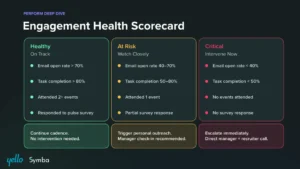
Continuously Measure Employee Wellbeing: Treating employee wellbeing as a routine business metric is essential for proactive management. Utilizing pulse surveys, focus groups, and formal wellbeing programs allows organizations to track stress levels, morale, turnover intentions, and workload pressures. This ongoing measurement provides early warning signs, enables the evaluation of intervention effectiveness, and guides resource allocation to areas of greatest need.

-
Train Managers to Lead with Empathy: Managers are crucial frontline influencers of employee mental health. They must be trained to recognize the signs of compassion fatigue, conduct supportive conversations, and make appropriate workload accommodations. Crucially, managers themselves need to be supported to avoid becoming victims of compassion fatigue. Coaching managers on balancing task delivery with human-centered leadership—active listening, validating emotions, and connecting staff to resources—builds a vital protective layer against empathic distress.
The Role of Technology and Integrated Solutions
In today’s interconnected world, technological solutions can play a pivotal role in supporting employee wellbeing and combating compassion fatigue. Employee Engagement Platforms can streamline the process of appreciation and recognition, transforming it from an occasional event into an embedded daily practice. These platforms facilitate peer-to-peer shout-outs, manager-led acknowledgments, and the distribution of meaningful rewards that directly support wellbeing, such as discounts on health and wellness services or access to mental health resources.
By integrating recognition into daily workflows, these systems help to combat the sense of invisibility that often contributes to compassion fatigue. They foster a culture where emotional labor is consistently noticed and valued, building resilience, enhancing engagement, and demonstrating an organization’s commitment to the human cost of caring.
Conclusion
Compassion fatigue is a complex and pervasive challenge that demands a multifaceted and proactive approach. By fostering a culture of support, implementing robust preventative strategies, and leveraging available resources, organizations can protect their most valuable asset—their people. Addressing compassion fatigue is not merely an HR initiative; it is a fundamental aspect of creating a sustainable, ethical, and thriving workplace where individuals can continue to make a positive impact without sacrificing their own wellbeing. The silent drain of empathic distress can be transformed into a wellspring of resilient compassion when organizations prioritize the human element at the heart of their operations.