Healthcare leaders are currently navigating a complex and demanding landscape, striving to deliver exceptional patient care while simultaneously supporting a workforce subjected to sustained pressure. While the most acute phases of the staffing and burnout crisis may have receded, the strain on healthcare professionals remains a significant and ongoing concern. This persistent challenge directly impacts the quality of care delivered, underscoring the urgent need for strategies that foster robust employee engagement.
The Persistent Shadow of Burnout and Staffing Shortages
Recent analyses highlight the severity of the issue. A comprehensive review of healthcare worker burnout in 2023 indicated a prevalence of approximately 35.4% across a sampled population. This figure, while alarming, is projected to be exacerbated by ongoing staffing concerns. Projections suggest that by 2026, over half of U.S. healthcare workers, including those in high-demand specialties, are contemplating job changes, early retirement, or a reduction in clinical hours. This potential exodus represents a critical threat to healthcare system stability and the continuity of patient care.
These statistics are not abstract data points for healthcare administrators and human resources professionals; they translate into tangible impacts within the workforce, with direct repercussions for the patients these dedicated individuals serve. When healthcare employees are exhausted, disconnected, or lack adequate support, the patient experience inevitably suffers. This can manifest as missed care, decreased patient satisfaction, and an elevated risk of adverse events such as falls and infections. Communication breakdowns become more prevalent, response times lengthen, teamwork falters, and the potential for medical errors escalates.
Conversely, an engaged healthcare workforce brings enhanced focus, deeper compassion, and a willingness to go the extra mile in every patient interaction. Engaged professionals collaborate more effectively, communicate with greater clarity, and contribute to a care environment that patients and residents remember for positive reasons. In a sector where every patient handoff, every room entry, and every bedside conversation carries significant weight, employee engagement transcends mere HR metrics; it is a fundamental component of a successful patient experience strategy.
Defining Healthcare Employee Engagement: Beyond Morale
Employee engagement in healthcare is more profound than simply employees feeling satisfied, happy, or generally positive about their work. While morale and happiness can fluctuate daily, engagement is rooted in a deeper connection. It signifies the extent to which individuals feel aligned with the organization’s mission, are committed to delivering high-quality care, and are motivated to consistently contribute their best efforts.
This distinction is crucial. An engaged nurse is not merely in a good mood; they are vigilant during patient handoffs, proactively escalate concerns, and are dedicated to providing safe and compassionate care. Similarly, an engaged dining aide in a senior living community does more than offer pleasantries; they observe resident preferences, build trust, and contribute to maintaining dignity in everyday moments. As one industry expert noted, "Engagement shows up in behaviors that directly influence quality, safety, and experience."
Therefore, employee engagement should be viewed not as a "soft" metric but as a critical protective factor. When employees feel recognized, supported, and connected to their purpose, they are better equipped to remain resilient, attentive, and compassionate, even amidst demanding circumstances. Engagement does not eliminate workplace stress, but it significantly strengthens employees’ capacity to navigate it without compromising their commitment to the individuals they serve.
The Far-Reaching Implications of Engagement in Healthcare
In the healthcare sector, employee engagement carries consequences that extend well beyond organizational culture. It fundamentally influences how work is performed, how effectively teams communicate, and the overall safety of care delivery.
Engaged healthcare professionals consistently perform at a higher level due to their increased investment in patient outcomes. They are more likely to identify issues early, voice concerns when something appears amiss, offer support to colleagues during high-pressure situations, and remain focused on patient needs. This translates directly into a reduction in preventable medical errors, more robust communication channels, and a more consistent service experience throughout the patient’s journey.
This heightened performance is vital because patient experience is shaped by operational reliability as much as by empathetic interactions. Patients and residents keenly observe whether staff appear coordinated, whether their questions are answered clearly, and whether the care environment feels calm or chaotic. Employee engagement cultivates these positive outcomes by ensuring teams remain present, responsive, and aligned in their efforts.

Furthermore, research consistently points to a significant correlation between employee engagement and patient safety. A review of literature indexed by the National Library of Medicine has identified a positive association between employee engagement and improved patient safety. The review also noted a connection between higher staff engagement, a stronger patient safety culture, and a reduction in errors and adverse events. For Chief Human Resources Officers (CHROs), this reinforces a critical understanding: employee engagement is not separate from clinical performance; it actively creates the conditions necessary for safer, higher-quality care.
In an era where healthcare organizations face mounting pressure to enhance patient experience scores, stabilize staffing levels, and protect financial margins, fostering employee engagement emerges as a strategic imperative that supports all these objectives.
How Engaged Healthcare Teams Elevate Patient Experiences
While patients may not explicitly use the term "employee engagement," they undeniably perceive its presence—or its absence—in their healthcare interactions. When healthcare teams are genuinely engaged, collaboration flows more smoothly across shifts, departments, and disciplines. Nurses, physicians, certified nursing assistants (CNAs), therapists, social workers, environmental services personnel, and administrative staff operate with a more pronounced sense of shared purpose. Information is more likely to be communicated accurately, patient handoffs are more precise, and problems are resolved more efficiently. This consistency contributes to patients feeling safer and better cared for.
Engagement also profoundly influences the human element of the patient experience. In both hospital and aging services settings, individuals are often at their most vulnerable. They may be experiencing pain, anxiety, grief, or the loss of independence. In these critical moments, a warm greeting, a thoughtful explanation, or an extra minute of dedicated attention can make an immeasurable difference. Engaged employees are inherently more likely to provide these vital moments because they are not merely completing tasks; they are connected to the underlying mission of their work.
Conversely, patients can readily discern when staff members are rushed, detached, or operating under extreme duress. Disengagement manifests in curt communication, fragmented service delivery, and missed opportunities for reassurance. While burnout can lead employees to emotionally withdraw as a protective mechanism, patients and residents often interpret this as indifference.
Therefore, improving the patient experience requires more than simply scripting better service behaviors. It necessitates cultivating an environment where employees have the necessary support, recognition, and resources to remain connected to their work and to one another.

Strategic Imperatives for Enhancing Healthcare Employee Engagement and Patient Experience
Reversing declining engagement within the healthcare sector demands more than a generic approach. Hospitals and aging services organizations operate within unique environments characterized by shift work, deskless teams, high emotional labor, and constant regulatory demands. Effective strategies must acknowledge and address these realities.
1. Implement Frequent, Specific Employee Recognition
Recognition stands as one of the most practical and impactful methods for reinforcing engagement in healthcare. Data indicates that a significant majority of healthcare employees (79%) value recognition even without a tangible reward. This underscores the critical need for employees to feel that their efforts are acknowledged, particularly given the emotionally and physically taxing nature of their work.
For healthcare organizations, recognition must be frequent, timely, and specific. A generalized "great job" holds limited impact. Instead, pinpointing precise actions—such as remaining calm during a difficult family interaction, identifying a medication discrepancy, mentoring a new hire, or stepping in to support an understaffed shift—reinforces the specific behaviors that directly enhance patient care.
Recognition also serves to strengthen employees’ connection to purpose. Whether delivered in person or through a formal recognition program, incorporating how an employee’s actions positively affected a patient, resident, family member, or teammate serves as a powerful reminder of their contribution to the organization’s mission and values.
2. Prioritize Holistic Well-being Support
Healthcare employees cannot maintain engagement when they are chronically depleted. Effective well-being support must be accessible, relevant, and user-friendly, especially for deskless and shift-based workers. Leaders are encouraged to model the use of well-being resources and actively promote them to staff. Simple reminders about taking vacation days or utilizing well-being stipends can signal to employees that their leaders genuinely care. In fact, a substantial percentage of healthcare employees (58%) now consider a company that prioritizes their well-being more valuable than a 10% raise.
Making mental health resources visible, reducing the stigma associated with their use, and ensuring support extends beyond basic Employee Assistance Program (EAP) awareness campaigns are crucial for encouraging utilization. Organizations must also consider how they are addressing physical fatigue and financial stress through practical benefits, such as flexible well-being resources, meal support, transportation benefits, financial education, and tools designed to help employees manage everyday pressures. In aging services, where emotional labor and staffing strains are often persistent, comprehensive well-being support is paramount for sustaining compassion over the long term.

3. Establish Continuous Feedback Loops
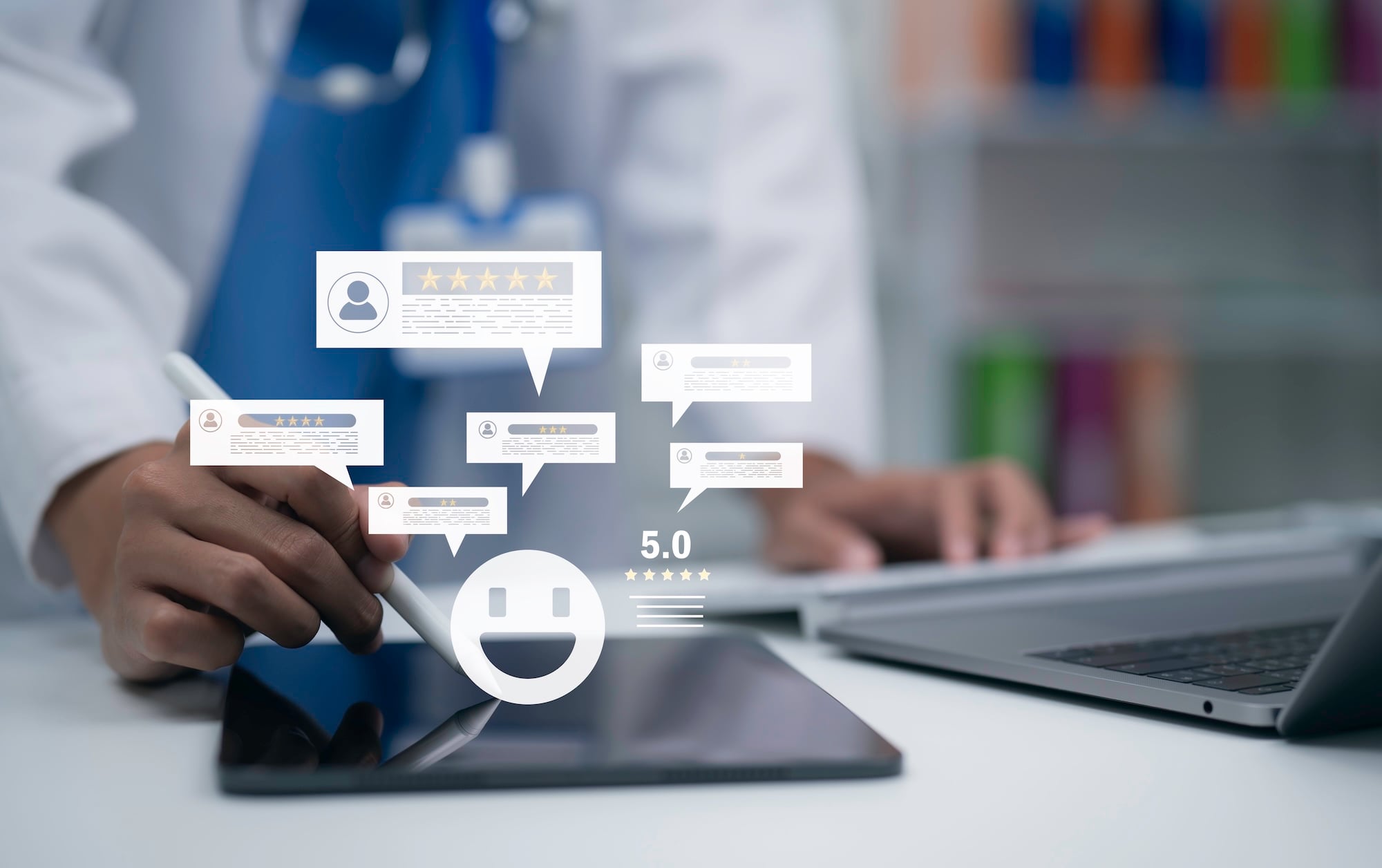
Employee engagement flourishes when individuals believe their voices are heard and valued. In healthcare, where frontline employees engage in frequent exchanges of support and share frustrations multiple times per shift, relying solely on annual surveys is insufficient.
Healthcare people leaders benefit immensely from frequent pulse surveys, regular manager check-ins, and accessible channels for employees to surface concerns in real-time. However, listening is only the first step. Leaders must ensure their communication processes are designed to "close the loop" by transparently sharing what was heard, outlining the actions being taken, and explaining any existing constraints.
This transparency builds trust. Research indicates that a significant majority of healthcare employees (79%) report increased trust when communication is transparent. Trust empowers employees to navigate periods of low staffing and feel like active contributors to organizational goals, rather than passive recipients of top-down directives.
4. Cultivate a Positive Workplace Culture
Culture represents the lived experience of employees beyond formal policies. It is evident in whether teams feel psychologically safe, whether managers are supportive, and whether appreciation is integrated into daily routines.
Healthcare cultures that actively foster engagement are those where employees feel empowered to speak up, ask for assistance, learn from mistakes, and experience respect across all roles. These are environments where new employees receive mentorship rather than disdain as they develop their skills, and where collaboration between clinical and non-clinical teams is actively encouraged rather than siloed.
For hospitals and aging services organizations, cultural initiatives should encompass robust manager enablement, peer recognition programs, values-based leadership, and communication strategies that effectively reach all employees, not just those with desk-based roles.
5. Optimize Staffing and Scheduling Practices
No single recognition or communication strategy can fully compensate for chronically flawed staffing models. When employees are consistently overextended, miss breaks, work unpredictable schedules, or are perpetually tasked with absorbing vacant positions, engagement will inevitably erode.

While labor shortages present complex challenges, healthcare leaders can significantly improve the employee experience through more thoughtful staffing and scheduling practices. Leveraging feedback loops to gather employee input on schedule control and shift-swapping processes can yield valuable insights. Efforts to reduce unnecessary overtime, particularly when made visibly and intentionally known to staff, contribute to a stronger sense of fairness and support.
As evidenced by comprehensive analyses of healthcare burnout, staffing shortages, excessive workloads, and a lack of control are primary drivers of burnout. Addressing these structural challenges is foundational to improving employee engagement and, consequently, patient care.
Empowering a More Engaged Healthcare Workforce
For healthcare CHROs, enhancing the patient experience fundamentally begins with improving the employee experience. When individuals feel recognized, supported, and connected to a meaningful purpose, they are better equipped to deliver the attentive, compassionate, and coordinated care that patients and residents deserve.
Integrated employee engagement platforms can help healthcare organizations consolidate recognition, well-being resources, employee listening tools, and communication strategies into a single, cohesive solution. This streamlines efforts to engage deskless and shift-based teams effectively at scale. From celebrating daily achievements to centralizing well-being resources and gathering real-time employee feedback, the right technological solution can transform engagement from an aspirational goal into a tangible operational advantage.
Ultimately, in healthcare, a more engaged workforce does more than just create a better workplace; it directly contributes to the delivery of better care.