The successful management of workplace change remains a paramount challenge for human resources professionals and business leaders alike. A significant disconnect exists between the intended outcomes of change initiatives and their actual impact on employees, with a recent Gartner report indicating that 54% of Chief Human Resource Officers (CHROs) find their change strategies lacking in employee engagement. This gap underscores a critical realization: the success of any organizational transformation hinges on the employee experience. When managed effectively, change can be a powerful catalyst, invigorating teams, fostering alignment, building momentum, and cultivating resilience. However, achieving this requires a deliberate focus on connection, clarity, and robust communication.
The Shifting Landscape of Organizational Change
In today’s dynamic business environment, change is not an anomaly but a constant. Organizations are perpetually navigating evolving market demands, technological advancements, and shifting employee expectations. The COVID-19 pandemic, for instance, accelerated remote work trends and digital transformation efforts at an unprecedented pace, forcing many companies to adapt their operational models and cultural norms overnight. This period highlighted both the agility of some organizations and the struggles of others to effectively manage large-scale transitions. The ability to implement and sustain change has become a key differentiator, directly impacting an organization’s competitive edge and long-term viability.
Five Pillars of Effective Workplace Change Management
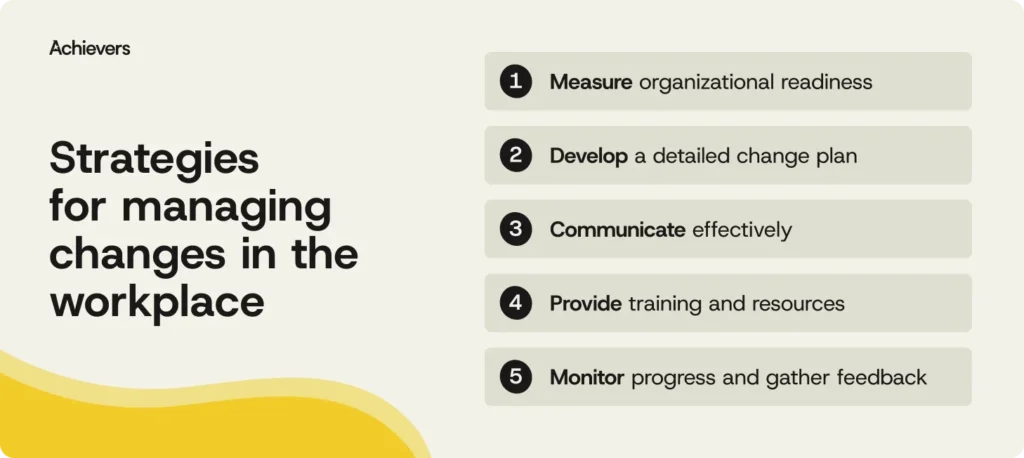
To bridge the gap between intention and impact, organizations must adopt a strategic and people-centric approach to managing change. The following five strategies provide a foundational framework for navigating these transitions successfully:
1. Assess Organizational Readiness: Understanding the Current Climate
Before embarking on any significant new initiative, a thorough assessment of the organization’s readiness is crucial. This involves more than just evaluating logistical preparedness; it necessitates understanding the human element. A "pulse check" of employees and existing processes can reveal potential areas of resistance, anxiety, or confusion. This might involve surveys, focus groups, or one-on-one conversations to gauge employee sentiment, their understanding of the current state, and their receptiveness to future changes. Identifying potential friction points early allows leaders to proactively address concerns and build a stronger foundation for the transition. For example, if an organization is planning to implement new software, assessing current technology adoption rates and employee comfort levels with digital tools can inform the training and support strategies needed.
2. Develop a Detailed and Transparent Change Plan: Charting the Course
A well-articulated and detailed change plan is essential for providing direction and demonstrating commitment. This plan should outline the objectives of the change, the steps involved, the expected timeline, and the roles and responsibilities of all stakeholders. Crucially, it needs to be communicated in a way that highlights the genuine intention behind the decisions being made. Transparency about the rationale for the change, the anticipated benefits, and the potential challenges fosters trust and reduces speculation. A clear roadmap allows employees to understand where they fit into the larger picture and how their contributions will support the overall goals. This detailed planning also aids in resource allocation and risk mitigation, ensuring that the organization is well-equipped to handle the complexities of the transition.
3. Master Effective Communication: The Linchpin of Engagement
Effective communication is arguably the most critical component of successful change management. When employees understand what is changing, why it matters, and how it directly affects them, they are more likely to embrace it. This communication should be multi-faceted, utilizing various channels and ensuring consistency. It’s not a one-time announcement but an ongoing dialogue. Leaders need to be prepared to answer questions, address concerns, and provide regular updates. The tone of communication should be empathetic, acknowledging the potential disruption and stress that change can bring. Clear, consistent, and transparent communication builds trust and helps to manage expectations, preventing misunderstandings and fostering a sense of shared purpose.
4. Provide Comprehensive Training and Resources: Empowering the Workforce
Equipping employees with the necessary skills and knowledge is fundamental to their ability to adapt to new responsibilities and processes. Appropriate training and readily accessible resources ensure that individuals are not left feeling overwhelmed or ill-prepared. This could range from formal training sessions and workshops to readily available documentation, online tutorials, and dedicated support channels. When employees feel adequately supported and empowered, they are more likely to adopt new behaviors and contribute effectively to the changed environment. This investment in employee development not only facilitates the current transition but also builds a more adaptable and skilled workforce for future challenges.
5. Monitor Progress and Actively Solicit Feedback: A Continuous Improvement Loop
The management of change is not a static process; it requires continuous monitoring and a willingness to adapt. Regularly tracking progress against the established plan allows leaders to identify any deviations or emerging issues. Equally important is the active solicitation of feedback from employees. Creating channels for feedback – whether through regular check-ins, anonymous suggestion boxes, or pulse surveys – provides valuable insights into how the change is being perceived and experienced on the ground. Crucially, feedback must be acted upon. When employees see their input directly influencing improvements and shaping the direction of the company, it significantly strengthens their trust and commitment. This iterative process of monitoring and feedback ensures that the change remains on track and continues to evolve in response to organizational and individual needs.
Best Practices for Embedding Change Within the Organizational Fabric
Beyond the core strategies, several best practices can further enhance the success of workplace transformations:
Reinforce the "Why" Through Recognition: Motivating Desired Behaviors
Employees are more likely to understand and adopt new ways of working when they see the tangible value and purpose behind them. Recognizing and celebrating individuals or teams who embrace new behaviors, adapt to new processes, or demonstrate resilience during the change process serves as a powerful motivator. Public acknowledgment, awards, or even simple expressions of appreciation can reinforce desired actions, encouraging their repetition and fostering a culture that values adaptability. This visible reinforcement is a fast and effective way to shape organizational culture and maintain momentum throughout the transformation.

Leverage Data to Identify and Address Friction Points: Proactive Problem-Solving
In the digital age, organizations have access to a wealth of data that can illuminate the path of change. Utilizing data analytics to identify friction points – areas where change adoption is stalling or where employees are exhibiting signs of disengagement – allows leaders to intervene proactively. This might involve analyzing usage patterns of new tools, tracking employee sentiment through engagement surveys, or monitoring productivity metrics. With real-time insights, leaders can make informed decisions to address the root causes of resistance, offer targeted support, or adjust the change strategy. This data-driven approach ensures that interventions are specific, effective, and benefit both the business and the employee experience.
Maintain Consistent and Open Communication Channels: Keeping Employees Informed
Change should never feel like something that is imposed upon employees from above. Fostering ongoing dialogue and actively involving employees in the process is key to sustained engagement and investment. This means providing regular updates, even when there is no significant new information to share, to maintain a sense of continuity and transparency. When employees feel consistently informed and have opportunities to contribute their perspectives, they are more likely to remain invested in the outcome. Recognized and empowered employees are demonstrably more committed to navigating the inevitable ups and downs of any significant organizational shift.
Integrate Change Seamlessly into the Flow of Work: Minimizing Disruption
The more friction a new process or initiative introduces into an employee’s daily routine, the higher the likelihood it will be resisted or abandoned. The goal should be to integrate change into the existing tools, routines, and rhythms that employees already utilize. This might involve embedding new functionalities within familiar software, streamlining new procedures to align with existing workflows, or providing support at the point of need. Change that feels like a natural extension of daily tasks, rather than an additional burden, is more likely to be adopted and sustained. When change feels like less work, not more, its long-term success is significantly enhanced.
Achievers: Empowering Organizations to Transform Change into Lasting Impact
Organizations like Achievers are at the forefront of providing solutions that help businesses navigate these complex transitions and turn moments of change into enduring success. By offering an integrated platform for recognition, feedback, and engagement, Achievers equips organizations with the tools to keep their people connected, heard, and supported throughout any transformation.
The Achievers platform, for instance, can be instrumental in reinforcing the "why" through its recognition capabilities. Employees who embody new values or successfully adopt new processes can be publicly acknowledged, creating a ripple effect of positive reinforcement. Furthermore, the platform’s feedback mechanisms allow for the continuous gathering of employee sentiment, providing leaders with the real-time data needed to identify and address friction points proactively. By enabling ongoing communication and feedback loops, Achievers ensures that employees remain an integral part of the change process, fostering a sense of ownership and investment.
When thoughtful strategic planning is combined with powerful engagement tools like those offered by Achievers, change transcends mere adaptation. It becomes a profound opportunity to shape organizational culture, enhance employee experience, and ultimately drive sustainable business growth. This integrated approach ensures that employees are not just passive recipients of change but active participants in its successful implementation and long-term embedding.
Frequently Asked Questions on Managing Workplace Change
What is the most common reason change initiatives fail?
A primary reason for the failure of change initiatives is a lack of effective employee engagement and communication. When employees do not understand the rationale behind the change, feel disconnected from the process, or are not adequately supported, resistance and disengagement can derail even the best-laid plans.
How can leaders build trust during times of change?
Building trust during change requires consistent transparency, open communication, active listening, and follow-through on commitments. Leaders must be honest about challenges, involve employees in decision-making processes where possible, and demonstrate empathy for their concerns. Acting on feedback received further solidifies trust.
What role does culture play in managing change?
Organizational culture significantly influences the success of change initiatives. A culture that values adaptability, continuous learning, and open communication will generally embrace change more readily than a rigid or risk-averse culture. Leaders must consider how the proposed change aligns with or challenges the existing culture and take steps to foster a more change-ready environment.
How can organizations measure the success of their change management efforts?
Success can be measured through a variety of metrics, including employee engagement scores, adoption rates of new processes or technologies, productivity levels, retention rates, and achievement of specific business objectives tied to the change. Qualitative feedback from employees is also invaluable in assessing the overall impact.
What are the key benefits of effectively managing workplace change?
The benefits of effectively managing workplace change include increased employee morale and engagement, enhanced organizational agility and resilience, improved operational efficiency, greater innovation, and a stronger competitive advantage. Ultimately, it leads to more successful and sustainable business outcomes.