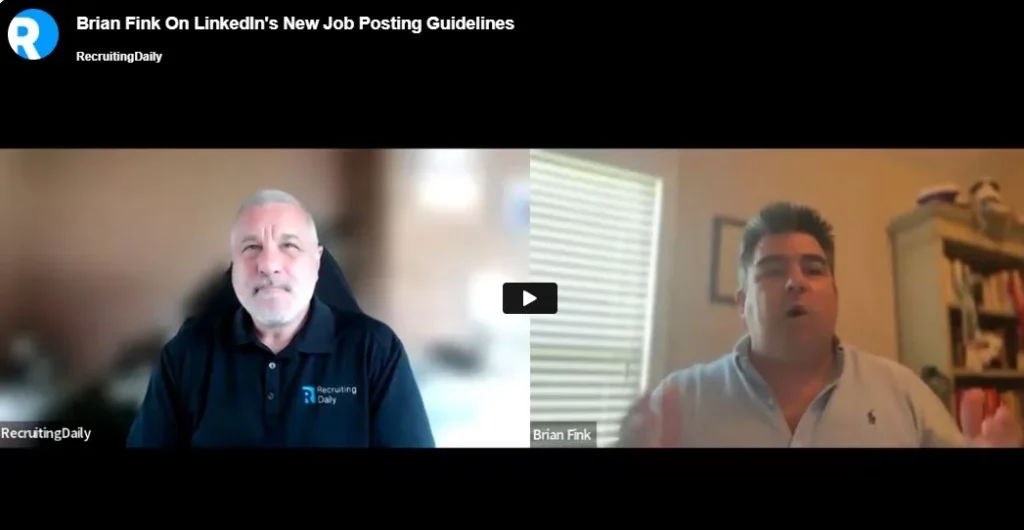
LinkedIn, the world’s largest professional networking platform, is implementing significant changes to its third-party job posting guidelines, effective August 2024. These revisions, ostensibly aimed at enhancing "authenticity," transparency, and user protection, have ignited a contentious debate within the recruitment industry, particularly among independent and smaller recruiting agencies. While LinkedIn frames these updates as crucial steps to safeguard job seekers from misleading or duplicate listings, critics argue that the new mandates represent a strategic move towards further monetizing the platform and could inadvertently stifle competition and innovation in the talent acquisition ecosystem.
The core of the updated policy, detailed in LinkedIn’s XML feed job posting guidelines, introduces stricter visibility rules and compliance audits for job listings originating from third-party Applicant Tracking Systems (ATSs) and XML feeds provided by thousands of recruiting agencies. The platform asserts that these measures are essential to ensure the quality and genuineness of job advertisements, promising to remove any listings found in non-adherence. This commitment to a cleaner, more reliable job-seeking experience is presented as a paramount concern, aligning with the platform’s broader mission to connect professionals with opportunities.
Understanding the New Regulatory Framework
Effective August 2024, LinkedIn’s new guidelines impose several key stipulations on third-party job postings. These include, but are not limited to, requirements for job listings to be:
- Genuine and Active: Each posting must represent a real, currently available position. This aims to combat the proliferation of "ghost jobs" or outdated listings that frustrate job seekers.
- Complete and Detailed: Listings must provide comprehensive information, including clear job titles, detailed descriptions of responsibilities and qualifications, and accurate location data. Vague or incomplete postings are likely to face scrutiny.
- Non-Duplicative: Agencies are prohibited from posting the same job multiple times, either through different feeds or across various accounts. This targets a common practice used to increase visibility, which LinkedIn now deems detrimental to user experience.
- Direct Employer Representation: While not explicitly stated as a blanket ban, the emphasis on authenticity implies a preference for direct employer postings or a very clear delineation of the agency’s relationship with the hiring company. This is a point of particular concern for agencies that often work with multiple clients.
LinkedIn’s audits are designed to monitor compliance with these conditions. The platform has signaled that non-adherence could lead to immediate removal of job listings, and in more severe or repeated cases, termination of the agency’s Basic Jobs contract, potentially after a single warning or due to an excessive number of member complaints. This creates an environment of heightened vigilance for agencies, compelling them to invest significantly more resources into ensuring the accuracy and integrity of their job advertisements.
The "Authenticity" Imperative: A Double-Edged Sword
While LinkedIn’s stated objectives of transparency, quality, and user protection are laudable, the implementation of these new rules has activated a "Spidey-sense" among many in the recruitment industry. The perceived weaponization of "authenticity" to tighten control over third-party content is viewed by some as a calculated move to shift the competitive landscape.
For years, recruiting agencies have relied on "free" postings via XML feeds integrated with their ATSs to engage with active job applicants on platforms like LinkedIn. This model allowed agencies, particularly smaller and mid-sized ones, to cast a wide net without incurring prohibitive costs. The new guidelines fundamentally alter this dynamic. By imposing stricter controls, LinkedIn is effectively raising the barrier to entry for free or low-cost distribution, potentially funneling agencies towards more costly paid solutions or premium partnerships to maintain visibility.
The argument is that while a cleaner interface benefits job seekers by reducing spam and irrelevant content, the cost of this "cleanliness" is borne disproportionately by the very intermediaries that fuel the job market’s dynamism. Data from various industry reports consistently show that recruitment agencies play a pivotal role in bridging the gap between talent and employers, especially in niche markets or for specialized roles that companies struggle to fill directly. They often act as market makers, connecting candidates to opportunities that might not be widely advertised or readily accessible through direct corporate channels.
The Agency Perspective: Increased Burden and Market Consolidation
Recruiting agencies are now faced with the prospect of "jumping through more hoops." Ensuring every job post is "pristine"—no fakes, no duplicates, and detailed "to the bone"—demands a significant investment in time, technology, and personnel. For a large, well-resourced agency, absorbing these compliance costs might be challenging but manageable. They often have dedicated teams for quality assurance, data management, and legal compliance.
However, for smaller agencies or independent recruiters, these new requirements can be crippling. Many operate with lean teams and limited budgets, relying on efficient processes and cost-effective distribution channels. The increased need for rigorous compliance translates directly into higher operational costs, more red tape, and a potential diversion of resources away from core recruitment activities like candidate sourcing and client relationship management. A recent survey by the Association of Staffing Professionals indicated that compliance-related costs for small recruitment firms have increased by an average of 15-20% annually over the last three years, a trend likely to accelerate with LinkedIn’s new policies.

The threat of having listings removed for non-compliance, and particularly the "one warning" or "excessive complaints" clause for contract termination, adds a layer of extreme unpredictability and risk. This high-stakes environment disproportionately affects smaller agencies that cannot afford to navigate such a high-risk pool. A few disgruntled members, perhaps even competitors, or a single oversight could lead to the loss of a crucial distribution channel. This scenario could lead to a significant reduction in competition and innovation within the recruitment sector, as smaller players struggle to keep pace or are forced out of the market.
Historical Precedent and Monetization Strategy
Many industry observers view these changes through the lens of LinkedIn’s broader monetization strategy. The platform, owned by Microsoft, has a track record of evolving its policies and features to drive revenue. A frequently cited example is the significant overhaul of its InMail policy nearly a decade ago. Initially, InMail provided a relatively open channel for recruiters to connect with passive candidates. Over time, stricter limits were imposed on free InMail credits, pushing users towards paid subscriptions and premium accounts to maintain their outreach capabilities. This historical precedent suggests that the current changes to job posting guidelines are not merely about "authenticity" but are likely designed to "corral" more agencies and ATSs into more costly job-posting packages.
LinkedIn’s business model relies heavily on its Talent Solutions segment, which includes revenue from job postings, recruiter subscriptions, and other hiring products. In recent years, as the platform has matured, finding new avenues for revenue growth becomes crucial. By increasing the friction and cost associated with "free" third-party postings, LinkedIn creates a strong incentive for agencies to subscribe to its premium services or direct job advertising products, which offer greater visibility and fewer compliance hurdles. This strategy aligns with a trend observed across many digital platforms that initially offer broad, free access before gradually restricting it to drive paid subscriptions.
Broader Impact and Implications
The implications of these new guidelines extend beyond just recruitment agencies.
- For Job Seekers: While the immediate benefit might be a cleaner, less cluttered job feed with fewer fake or duplicate listings, there’s a potential long-term cost. A less diverse and competitive agency landscape could mean fewer niche opportunities being advertised, a reduction in specialized recruitment services, and potentially a less dynamic overall job market. The jobs that small and specialized agencies often fill are crucial for certain industries.
- For Employers: Companies that rely on a diverse pool of agencies to find talent, especially for hard-to-fill roles, might find their options narrowing. If smaller agencies struggle or are forced out, employers may have fewer choices for recruitment partners, potentially leading to higher fees or longer hiring cycles.
- For the Recruitment Technology Ecosystem: ATS providers, which integrate with LinkedIn’s XML feeds, will also need to adapt. They will likely face increased pressure from their agency clients to ensure their systems facilitate compliance, potentially leading to additional development costs and feature updates.
Expert and Industry Reactions
Industry analysts, while acknowledging the legitimate problem of job spam and fraudulent postings, have voiced concerns about the potential for market distortion. "LinkedIn’s move is a classic case of a dominant platform asserting more control over its ecosystem," states Dr. Elena Petrova, a labor market economist. "While user experience is often the stated goal, the financial implications for third-party providers are undeniable. We could see a significant shake-up, favoring larger, more established players who can absorb the new compliance burden."
Recruitment agency leaders, speaking anonymously due to fear of reprisal, have expressed frustration. "It feels like we’re being punished for a problem that LinkedIn itself should be better at policing," commented the CEO of a mid-sized staffing firm. "We work hard to provide value to both candidates and clients, and now we face an existential threat to our primary distribution channel unless we dramatically increase our operational spend."
Conclusion: Good Intentions, Contentious Execution
In retrospect, LinkedIn’s execution of these new guidelines, while framed by the noble intent of fostering authenticity and protecting job seekers, leaves much to be desired in terms of its perceived fairness and market impact. Job seekers might indeed find a cleaner, more reliable interface on the platform, free from some of the clutter and frustration of outdated or misleading posts. However, this improved user experience comes at a potentially significant cost to the dynamism and diversity of the broader job market.
The tension between platform governance, user protection, and market economics is a constant challenge in the digital age. LinkedIn’s latest policy shift is a stark reminder of the immense power wielded by dominant platforms and their capacity to reshape entire industries. Whether these changes ultimately lead to a more efficient and equitable talent acquisition landscape, or simply consolidate power and drive up costs, remains to be seen. What is clear is that recruiting agencies, particularly the smaller and independent players, are bracing for a turbulent period of adaptation, grappling with what many perceive as a veiled monetization strategy that could fundamentally alter their business models and the competitive fabric of Agencyland.