September 12 marks National Day of Encouragement, a timely observance dedicated to the simple yet profound act of uplifting those around us. In the dynamic and often demanding landscape of today’s workplace, the impact of genuine encouragement resonates more powerfully than ever. A few well-chosen words can significantly boost employee morale, fostering a sense of being seen, valued, and motivated, particularly during periods of intense workload, critical project phases, or challenging circumstances. This holiday provides a natural and accessible platform for organizations to integrate employee recognition efforts with everyday human support, whether through informal messages, team-wide acknowledgments, or thoughtful digital greetings.
The genesis of National Day of Encouragement can be traced back to efforts to promote positive interpersonal interactions and mental well-being. While the exact origins are often attributed to various community initiatives aimed at fostering a more supportive society, its adoption by organizations highlights a growing awareness of the critical role positive reinforcement plays in professional environments. This day serves as a dedicated moment to pause and intentionally practice empathy and support, recognizing that consistent encouragement can be a potent antidote to stress and burnout.
Encouragement vs. Recognition: A Synergistic Approach to Employee Experience

While closely intertwined, encouragement and recognition represent distinct yet complementary facets of a robust employee engagement strategy. Recognition typically focuses on past actions, acknowledging completed efforts, achieved results, demonstrated behaviors, or significant accomplishments. It is the verbal or tangible affirmation that says, "You have done an excellent job."
Encouragement, conversely, is forward-looking. It serves to reassure individuals, bolster their confidence, and reinforce the knowledge that they have support for what lies ahead. Encouragement communicates, "Keep going – your contributions are making a difference."
The true power emerges when these two elements are employed in tandem. When employees receive both recognition for their achievements and encouragement for their ongoing efforts, the message is amplified. Recognition validates their contributions, underscoring their value to the organization. Simultaneously, encouragement fuels their resilience, sustains their motivation, and reinforces their confidence to tackle future challenges. Together, they cultivate an environment where appreciation is not merely a retrospective celebration of wins but an active, ongoing process of supporting individuals in real-time.
This synergistic approach is particularly valuable for managers and HR professionals striving to cultivate a consistently positive employee experience. Not every meaningful contribution aligns with a major milestone. Often, a timely message of encouragement can possess the same, if not greater, impact as formal recognition. Data from numerous employee engagement surveys consistently points to the significance of feeling supported by leadership and peers. For instance, a 2023 report by Gallup indicated that employees who feel their manager cares about them as a person are significantly more likely to be engaged and less likely to leave their organization. This sentiment of care is often expressed through encouragement.
Leveraging National Day of Encouragement for a More Engaged Workforce
The National Day of Encouragement offers a prime opportunity for organizations to implement or enhance their employee recognition programs. It provides a low-barrier entry point for fostering a culture of appreciation that extends beyond formal reward structures. By framing recognition around encouragement, companies can highlight the ongoing efforts and resilience of their employees, not just their ultimate successes.
Key Strategies for Integrating Encouragement into Workplace Culture:
-
Strategic eCard Campaigns: Utilizing digital platforms for sending eCards allows for a quick, scalable, and cost-effective way to disseminate messages of encouragement. These campaigns can be initiated by leadership, managers, or even peers, fostering a sense of shared support. Examples of eCard messages tailored for National Day of Encouragement include:

- For Employees Facing New Challenges or Deadlines: "You’ve got this, and we’re cheering you on! We know you’ll tackle this new project with your usual dedication and skill. Your hard work is truly appreciated." This message acknowledges potential pressure while expressing confidence in the employee’s abilities.
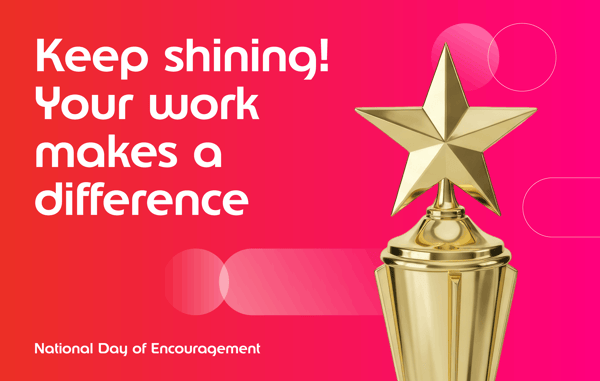
- For Consistent Contributors and Team Players: "Keep shining! Your consistent effort and positive attitude make a real difference every single day. We value your contributions to our team culture immensely." This highlights the importance of sustained effort and positive impact on the broader team dynamic.
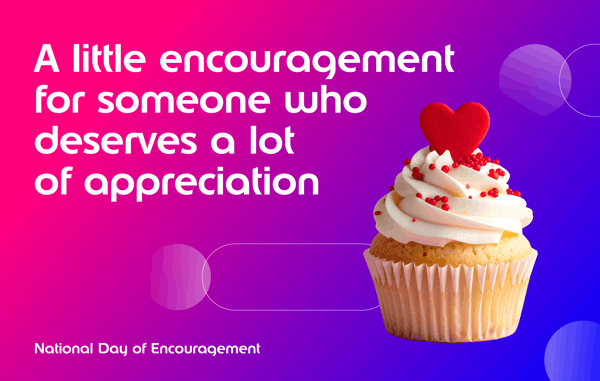
- For General Appreciation and Support: "A little encouragement for someone who deserves a lot of appreciation. Thank you for your dedication and for always being a supportive colleague. Your efforts do not go unnoticed." This offers a broad yet impactful message of gratitude and support, suitable for a wide range of employees.
These eCards can be integrated into existing recognition platforms or shared via internal communication channels, making them accessible and easy to deploy. The visual aspect of eCards can also add a personal touch, enhancing the impact of the message.
-
Encouragement Prompts and Icebreakers: Providing employees with pre-written prompts can significantly lower the barrier to sending encouraging messages. These prompts can be shared through internal communication channels, team meeting agendas, or recognition platform newsletters. Examples include:
- "I wanted to send a note of encouragement as you navigate [specific project/task]. I believe in your ability to [mention a specific skill or quality]."
- "Thinking of you today and sending positive energy for [upcoming event/challenge]. Remember all the great work you’ve done in the past; you’ve got this!"
- "Just a reminder that your contributions to [team goal/company value] are highly valued. Keep up the fantastic work!"
These prompts act as conversation starters, helping individuals articulate their support and appreciation effectively.
-
Dedicated Recognition Moments in Team Meetings: Allocating a few minutes at the beginning or end of regular team meetings for peer-to-peer shoutouts or recognition moments can create a consistent rhythm of appreciation. This practice ensures that encouragement is integrated into the operational flow of the team, making it a natural part of their interaction. Managers can facilitate these sessions, prompting team members to share brief messages of encouragement or acknowledgment for their colleagues. This fosters a sense of camaraderie and shared purpose.
-
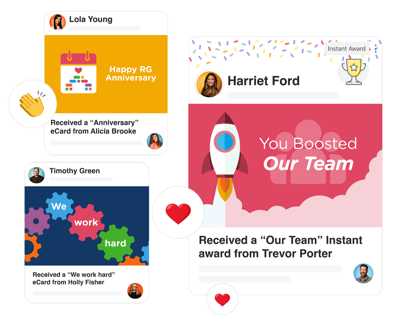
Digital Encouragement Walls and Recognition Hubs: Creating a centralized digital space, such as an intranet page, a dedicated Slack channel, or a feature within an employee experience platform, allows employees to post public messages of encouragement for one another. This "digital encouragement wall" can serve as a visible testament to the positive culture within the organization. Platforms like Reward Gateway | Edenred’s "Wow wall" exemplify this, enabling employees to share recognition, receive reactions and comments, and even attach spot awards. This visibility not only validates individual efforts but also inspires others to engage in similar acts of support. The data suggests that public recognition, when coupled with genuine appreciation, can significantly boost morale and productivity.
-
Spotlighting Everyday Impact Beyond Major Wins: National Day of Encouragement serves as a crucial reminder for HR teams and leadership to broaden their definition of recognition. While celebrating significant achievements is important, acknowledging consistent effort, collaboration, problem-solving, and incremental progress is equally vital. These often-unseen contributions form the bedrock of organizational success and require consistent validation. By actively seeking out and celebrating these everyday impacts, companies can foster a culture where every employee feels their contribution is valued, regardless of its scale. This can lead to increased job satisfaction and reduced turnover, as employees feel genuinely appreciated for their ongoing commitment.
The Broader Impact and Implications of Consistent Encouragement
The practice of offering encouragement, especially on a dedicated day like September 12, has far-reaching implications for organizational health and employee well-being. Beyond immediate morale boosts, consistent encouragement contributes to several key organizational outcomes:
- Enhanced Employee Retention: A study by the Society for Human Resource Management (SHRM) found that companies with strong recognition programs experience significantly lower voluntary turnover rates. When employees feel supported and appreciated, they are less likely to seek opportunities elsewhere. Encouragement, as a form of ongoing support, plays a critical role in this.
- Increased Productivity and Innovation: Employees who feel encouraged are more likely to take risks, share ideas, and persevere through challenges. This fosters an environment conducive to innovation and can lead to measurable improvements in productivity. Research by the Harvard Business Review has indicated a strong correlation between positive employee sentiment and business outcomes, including profitability and customer satisfaction.
- Stronger Team Cohesion and Collaboration: Encouragement fosters a sense of psychological safety, where team members feel comfortable supporting each other. This strengthens interpersonal relationships, improves communication, and enhances overall team performance. When colleagues actively encourage one another, it builds a more cohesive and resilient workforce.
- Improved Mental Health and Well-being: The workplace can be a significant source of stress. Regular expressions of support and belief in an employee’s capabilities can act as a buffer against burnout and promote better mental health. This aligns with a growing trend in corporate responsibility, where organizations are increasingly prioritizing the holistic well-being of their employees.
- Cultivating a Positive Employer Brand: Organizations known for their supportive and appreciative cultures attract top talent. By actively participating in initiatives like National Day of Encouragement, companies signal their commitment to their people, enhancing their employer brand and making them more desirable workplaces.
In conclusion, National Day of Encouragement is more than just a calendar observance; it is a powerful catalyst for building a more engaged, resilient, and positive workplace. By intentionally integrating encouragement into daily practices and formal recognition strategies, organizations can unlock significant benefits for their employees and their bottom line. The simple act of offering support and belief can indeed make a profound difference, transforming the employee experience and contributing to a world where work is not just productive, but also profoundly human.
Reward Gateway | Edenred, a leader in employee experience platforms, champions this philosophy. Their integrated solutions are designed to facilitate year-round recognition and engagement, making it easier for organizations to foster a culture where encouragement and appreciation are embedded in the everyday fabric of work. By providing tools for seamless communication and recognition, they empower companies to build environments where employees not only feel valued for their past achievements but also confidently supported for their future endeavors.