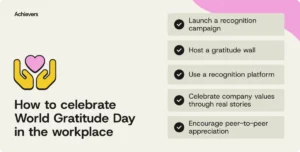
The notion of gratitude in the workplace might initially conjure images of soft, feel-good initiatives. However, a closer examination of business metrics reveals that a culture of appreciation is far from a mere nicety; it is a strategic driver of tangible organizational success. When employees feel genuinely seen, supported, and connected to their work, key performance indicators such as engagement, wellbeing, retention, and day-to-day productivity experience a measurable uplift. Research consistently links personalized recognition to heightened feelings of appreciation, stronger workplace connections, improved wellbeing, and a greater intent to remain with the company. Therefore, fostering gratitude at work transcends simple politeness, offering a practical, evidence-based approach to cultivating a healthier organizational culture and a more robust employee experience without necessitating a complete overhaul of existing people strategies. This article delves into the multifaceted meaning of workplace gratitude, its critical importance, and actionable strategies for HR leaders to embed it into the fabric of daily operations.
Defining Workplace Gratitude: More Than a Casual Thank You
Workplace gratitude is defined as the deliberate and consistent practice of noticing, acknowledging, and valuing individuals for their contributions, efforts, and the impact they make within the organization. This goes beyond perfunctory acknowledgments during major achievements or the annual performance review cycle. Instead, it is integrated into the ongoing employee experience, becoming a fundamental aspect of how individuals perceive their workplace day in and day out. This distinction is crucial, setting genuine workplace gratitude apart from fleeting, generic recognition or the perfunctory "thanks" exchanged in casual digital communications.
While a one-off expression of gratitude can provide a momentary positive feeling, the essence of workplace gratitude is its depth. It is characterized by specificity, consistency, and a foundation of sincere appreciation for both the tasks employees perform and their intrinsic value as team members. Ideally, workplace gratitude evolves into an ingrained habit, permeating the organizational culture. This means managers proactively recognize progress, colleagues actively celebrate each other’s collaborative efforts and support, and leadership consistently reinforces the behaviors and values the organization seeks to promote. The outcome is a work environment where appreciation is an inherent component, not an add-on.

For HR leaders, this distinction holds significant weight. When gratitude is approached as an intentional, continuous practice, it cultivates an environment where employees feel visible, valued, and intrinsically motivated to contribute. This sustained motivation stems not from isolated positive interactions but from an embedded appreciation that is integral to the daily workflow. The impact of integrating gratitude into the employee experience extends beyond transient positive emotions. It profoundly influences how employees perceive their work, the dynamics of team collaboration, and ultimately, the long-term performance of the organization. In essence, workplace gratitude offers a dual benefit, enhancing both the humanistic aspects of work and its business outcomes – a highly desirable outcome for strategic HR leadership.
The Tangible Benefits of a Grateful Workplace
The implementation of a gratitude-focused culture yields a cascade of positive effects, directly impacting individual employees and the organization as a whole. These benefits are not theoretical; they are supported by data and observable in key business metrics.
1. Strengthening Employee Wellbeing
The feeling of being appreciated has a profound and immediate effect on an employee’s daily work experience. When individuals understand that their efforts are recognized and valued, they are more inclined to feel supported, motivated, and emotionally connected to their workplace. This is critical because employee wellbeing extends beyond access to resources; it fundamentally involves employees feeling acknowledged as individuals, not merely as cogs in a machine responsible for producing deliverables and managing schedules. Gratitude fosters a sense of value and belonging, which in turn creates a more resilient individual and a more positive overall employee experience. A study by the American Psychological Association found that 89% of employees at companies that support wellbeing initiatives are more likely to recommend their company as a place to work.
2. Boosting Employee Engagement
Employees are significantly more likely to remain engaged when they believe their contributions are noticed and appreciated. Gratitude cultivates a vital feedback loop, signaling to employees that their work has a tangible impact, that their efforts are not lost in organizational obscurity, and that their daily contributions are meaningful to both their team and the broader business objectives. This sense of appreciation can deepen an employee’s emotional commitment to the organization. Data from Reward Gateway’s own research indicates that 82% of employees report feeling more connected to their workplace when they receive personalized recognition. This heightened connection is a powerful catalyst for engagement.

3. Elevating Job Satisfaction
Job satisfaction is a complex construct influenced by factors extending beyond salary and job title. Employees also seek to be respected, valued, and acknowledged for their specific roles within the organizational structure. Gratitude directly supports this by making appreciation more visible and frequent, rather than leaving it to implicit understanding. When employees consistently receive affirmation that their work is meaningful, their perception of their role and the workplace environment becomes more positive. Over time, this contributes to a more rewarding employee experience, independent of extravagant perks or infrequent morale-boosting events. Research consistently shows a strong correlation between feeling valued and higher job satisfaction, with studies suggesting that employees who feel appreciated are significantly less likely to actively seek new employment.
4. Mitigating Stress and Absenteeism
Workplaces that lack a culture of appreciation can quickly become emotionally draining. When effort goes unacknowledged, employees may experience feelings of disconnection, discouragement, or burnout, feeling as though their efforts are futile. Gratitude acts as a powerful antidote to this, reinforcing a sense of support, progress, and human connection. These elements can significantly alleviate the emotional burden individuals carry at work. According to the Reward Gateway Employee Recognition Report, 73% of employees state that personalized recognition helps them feel less stressed. A reduction in workplace stress often translates into positive ripple effects, including improved attendance, enhanced energy levels, and greater team stability.
5. Enhancing Retention Rates
A fundamental principle of employee retention is that individuals are more inclined to stay with organizations where they feel valued. Gratitude reinforces the perception that employees are making a meaningful difference, thereby strengthening loyalty and diminishing the allure of external opportunities that may offer greater appreciation. This connection is clearly reflected in empirical data: 81% of employees indicate that customized recognition makes them more likely to remain with their company long-term. For HR departments focused on retention, gratitude is not merely a desirable cultural add-on but a practical strategy for fostering a deeper sense of investment among employees.
6. Cultivating a Positive Workplace Culture
Organizational culture is not built on static values statements; it is forged through consistent, repeated behaviors. When gratitude is an integral part of interpersonal interactions, it establishes a prevailing tone of respect, encouragement, and shared appreciation. This fosters an environment where teams are more prone to celebrating collective efforts, acknowledging collaborative achievements, and reinforcing behaviors that contribute to a stronger workplace. Over time, this cultivates a sense of deeper connection among colleagues and greater confidence that individual contributions are meaningful. When appreciation becomes commonplace rather than exceptional, a positive culture transitions from an aspiration to an everyday reality.

Practical Pathways to Cultivating Workplace Gratitude
Transitioning from understanding the importance of gratitude to actively embedding it into the daily workflow requires a structured approach. The objective for HR leaders is not to orchestrate sporadic displays of appreciation but to ensure that recognition is consistent, visible, and meaningfully aligned with organizational values.
Establishing Formal Recognition Programs
A well-structured recognition program provides a reliable framework for gratitude. It offers a clear mechanism for employees and managers to celebrate contributions, acknowledge milestones, and reinforce desirable behaviors, thereby removing the element of chance from appreciation. The most effective programs facilitate ease of giving, receiving, and connecting recognition to overarching business objectives. Furthermore, such programs assist HR in ensuring that appreciation is disseminated uniformly across teams, locations, and leadership levels, preventing it from becoming concentrated only in departments with more vocal communication channels.
Championing Peer-to-Peer Recognition
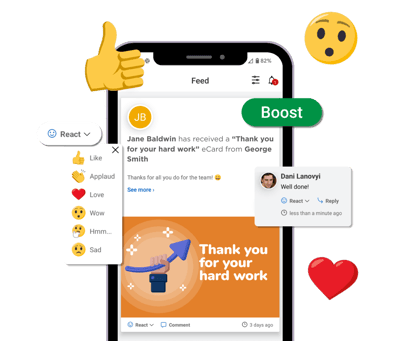
The enduring impact of gratitude is amplified when it flows in all directions. While manager-led recognition is significant, peer-to-peer appreciation is instrumental in integrating gratitude into the daily team dynamic, moving it beyond a top-down directive. Colleagues are often privy to the small yet crucial contributions that might elude management: assisting a team member with a pressing deadline, facilitating a smooth project handover, or discreetly preventing a project from derailing. Providing employees with the means to recognize one another makes these contributions more visible and strengthens day-to-day connections across teams.
Modeling Appreciation from Leadership
If senior leaders do not actively demonstrate gratitude, employees will likely perceive it as a well-intentioned suggestion rather than a genuine priority. Leadership behavior establishes the precedent for whether appreciation is perceived as authentic, encouraged, and worthy of time investment. When executives and people managers consistently acknowledge effort, celebrate progress, and link recognition to team impact, they signal that gratitude is an integral part of the organizational culture, not merely an HR communication. Such leadership example is pivotal in transforming appreciation from a recommendation into a prevailing norm.
Integrating Gratitude into Daily Routines
Gratitude is most sustainable when it is woven into existing organizational rhythms rather than being treated as an additional task that is easily forgotten. Small, repeatable habits tend to be more effective than infrequent grand gestures. This might involve initiating team meetings with acknowledgments, incorporating recognition into one-on-one discussions, or allocating space in internal communications to highlight contributions across the business. The specific format is less critical than the regularity. Consistent moments of appreciation help gratitude feel natural rather than performative.
Aligning Gratitude with Company Values
Recognition gains greater significance when it extends beyond a generic "good job." Linking gratitude to company values helps employees understand which behaviors the organization aims to foster and why these actions are important. This also imbues appreciation with strategic weight. Instead of existing as a tangential cultural benefit, recognition becomes a tool for reinforcing the company’s mission, behaviors, and expectations in real time. For HR professionals, this establishes a stronger connection between culture-building initiatives and core business priorities, offering a more substantial benefit than vague positive sentiments alone.
Navigating the Challenges of Workplace Gratitude
While the benefits are clear, establishing a robust culture of gratitude is not without its hurdles. HR leaders often contend with constraints such as packed schedules, inconsistent manager practices, employee skepticism, and leaders who may endorse recognition in principle but struggle to model it effectively.
Addressing Time Constraints
The perception of a lack of time is a pervasive obstacle and a highly solvable one. In fast-paced organizations, recognition can begin to feel optional, relegated to a future when workloads are lighter—a future that rarely materializes. The solution lies in simplifying gratitude and integrating it into existing workflows. Brief recognition moments during meetings, user-friendly peer-to-peer tools, and structured manager prompts can facilitate appreciation without imposing significant new processes. When gratitude is easy to deliver in real-time, it is far more likely to become a habitual practice.

Securing Leadership Buy-In
If leaders do not perceive gratitude as a strategic business tool, it risks being dismissed as superficial or secondary to more pressing concerns. This presents a challenge because employees tend to emulate what leaders reinforce, not solely what HR recommends. To overcome this, it is essential to connect gratitude to outcomes that leaders already prioritize, such as engagement, retention, wellbeing, and overall culture. Presenting relevant data, highlighting successful internal examples, and framing recognition as a driver of performance, rather than a distraction, can build crucial leadership support. Understanding that appreciation is intrinsically linked to business results facilitates greater buy-in.
Overcoming Resistance to Change
Even positive organizational changes can sometimes be met with skepticism if employees perceive new gratitude initiatives as forced, overly scripted, or excessively corporate. If appreciation appears abruptly with highly polished messaging and an unclear purpose, some degree of resistance is predictable. The most effective approach is to emphasize authenticity. The initiative should remain practical, encourage specific and meaningful recognition, and avoid transforming gratitude into a compliance-driven exercise. Starting with smaller, pilot programs can also be beneficial. When employees witness genuine appreciation in action—rather than a mandatory enthusiasm campaign—they are more likely to engage and trust the process.
Building a Culture of Gratitude with Reward Gateway | Edenred
Establishing a culture of gratitude demands more than good intentions; it requires the right tools, consistent practices, and a system for making appreciation visible across the entire organization, moving beyond isolated pockets where it may already flourish. This is where Reward Gateway | Edenred offers a comprehensive solution.
Reward Gateway assists HR teams in embedding gratitude into the daily work environment through recognition and reward experiences that are user-friendly, scalable, and easily aligned with company values. By implementing the appropriate structure, organizations can foster peer-to-peer recognition, support manager-led appreciation, celebrate significant moments, and clearly communicate the behaviors that are most valued.

To learn more about how Reward Gateway | Edenred can empower your organization to cultivate a culture of gratitude and contribute to a more positive and productive work environment, explore their offerings and schedule a demonstration.