As World Gratitude Day approaches on September 21, 2026, it presents a pivotal opportunity for organizations worldwide to address a pervasive challenge: the disengagement of their workforce. The timing is particularly resonant, given the findings of the 2026 Engagement and Retention Report. This comprehensive study, which surveyed 2,500 employees globally, revealed a concerning statistic: only 25% of employees report being actively engaged in their work. This low engagement level not only impacts individual well-being but also has significant repercussions for productivity, innovation, and overall organizational success.
The report underscores a fundamental truth that is often overlooked in the fast-paced corporate environment: employees thrive and perform better when they feel genuinely valued and recognized. Gratitude, when intentionally cultivated, can be a powerful catalyst for transforming workplace dynamics. Employees who experience regular recognition are demonstrably more connected to their roles, more committed to their organizations, and possess a greater capacity to bring their best energy and ideas to the table. However, fostering a culture of gratitude is not an organic process; it requires deliberate effort, consistent practice, and proactive leadership commitment. World Gratitude Day serves as an annual anchor, reminding us of this imperative and providing a structured moment to initiate or reinforce these vital cultural shifts.
Understanding World Gratitude Day: Origins and Purpose
World Gratitude Day, observed annually on September 21, is a global observance dedicated to acknowledging the people and experiences that enrich our lives and contribute to our successes, both personal and professional. It is a day that encourages individuals, teams, and communities to pause and reflect on what they are thankful for, fostering a more positive and appreciative outlook. Unlike many holidays that observe a shifting calendar date, World Gratitude Day is consistently celebrated on September 21, establishing a predictable global touchpoint for expressing and receiving gratitude. In 2026, this falls on a Monday, marking the start of the week with a focus on positive connection.
The genesis of World Gratitude Day traces back to 1965. The concept was first proposed during a Thanksgiving dinner held at the United Nations building in Hawaii. Sri Chinmoy, a spiritual leader and advocate for peace, alongside the Peace Meditations at the United Nations, put forth the idea of a dedicated global day for expressing gratitude. The proposal resonated with attendees, and the inaugural celebration officially took place on September 21, 1966. Since then, the day has evolved into a widely recognized occasion, emphasizing the universal human need for connection and appreciation.
While World Gratitude Day does not adhere to a specific overarching theme each year, its intrinsic spirit encourages a focus on what is functioning well and who is contributing positively. This mindset is crucial for building resilience within organizations and strengthening interpersonal bonds. It is less about a prescribed message and more about cultivating an attitude that humanizes the workplace and enhances the employee experience.
The Critical Role of Gratitude in the Modern Workplace
The importance of World Gratitude Day in the professional sphere cannot be overstated. For organizations, it offers a clear and timely opportunity to address a significant desire among employees: genuine appreciation. The 2026 Engagement and Retention Report highlights that a lack of recognition is a key driver of disengagement and can directly impact retention rates. By actively participating in and promoting World Gratitude Day, companies can begin to bridge these critical gaps.

The impact of gratitude on employee performance and well-being is multifaceted:
- Enhanced Engagement: When employees feel seen and appreciated, their emotional investment in their work deepens. This leads to increased motivation, higher levels of discretionary effort, and a greater willingness to go above and beyond.
- Improved Retention: A culture that values gratitude is intrinsically linked to higher employee retention. Feeling appreciated combats feelings of being undervalued, a common reason for employees seeking opportunities elsewhere.
- Boosted Morale and Well-being: Expressing and receiving gratitude can have a profound impact on mental health, reducing stress and fostering a more positive and supportive work environment. This, in turn, contributes to overall employee well-being.
- Strengthened Team Cohesion: Gratitude fosters a sense of community and mutual respect among colleagues. When team members acknowledge each other’s contributions, it builds stronger working relationships and enhances collaboration.
- Increased Productivity and Innovation: Engaged and motivated employees are more productive. Furthermore, a culture where contributions are recognized encourages individuals to share their ideas and take risks, fostering innovation.
Strategies for Cultivating Gratitude on World Gratitude Day and Beyond
Implementing effective gratitude practices requires more than a one-off gesture. It necessitates a strategic and sustained approach, with World Gratitude Day serving as an excellent springboard. Organizations can leverage this occasion to embed appreciation into their daily operations.
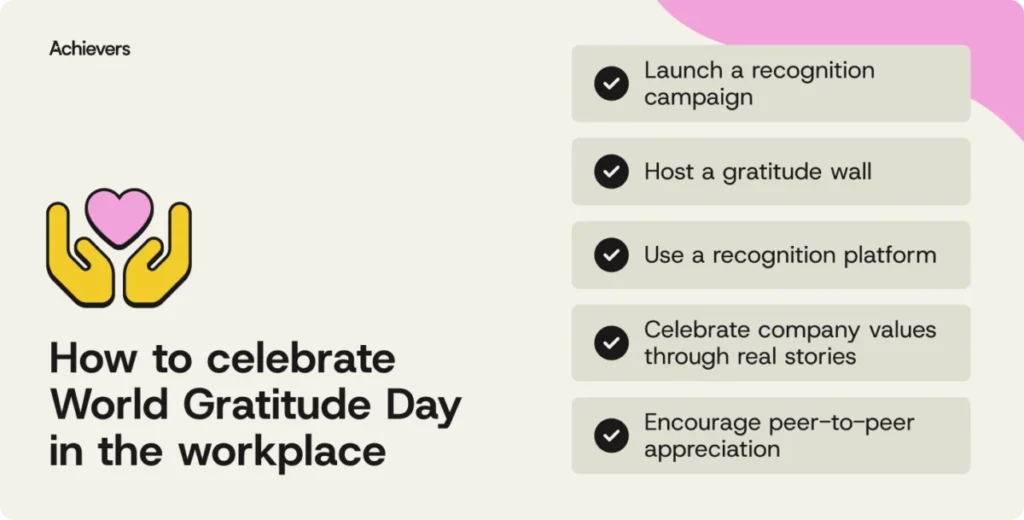
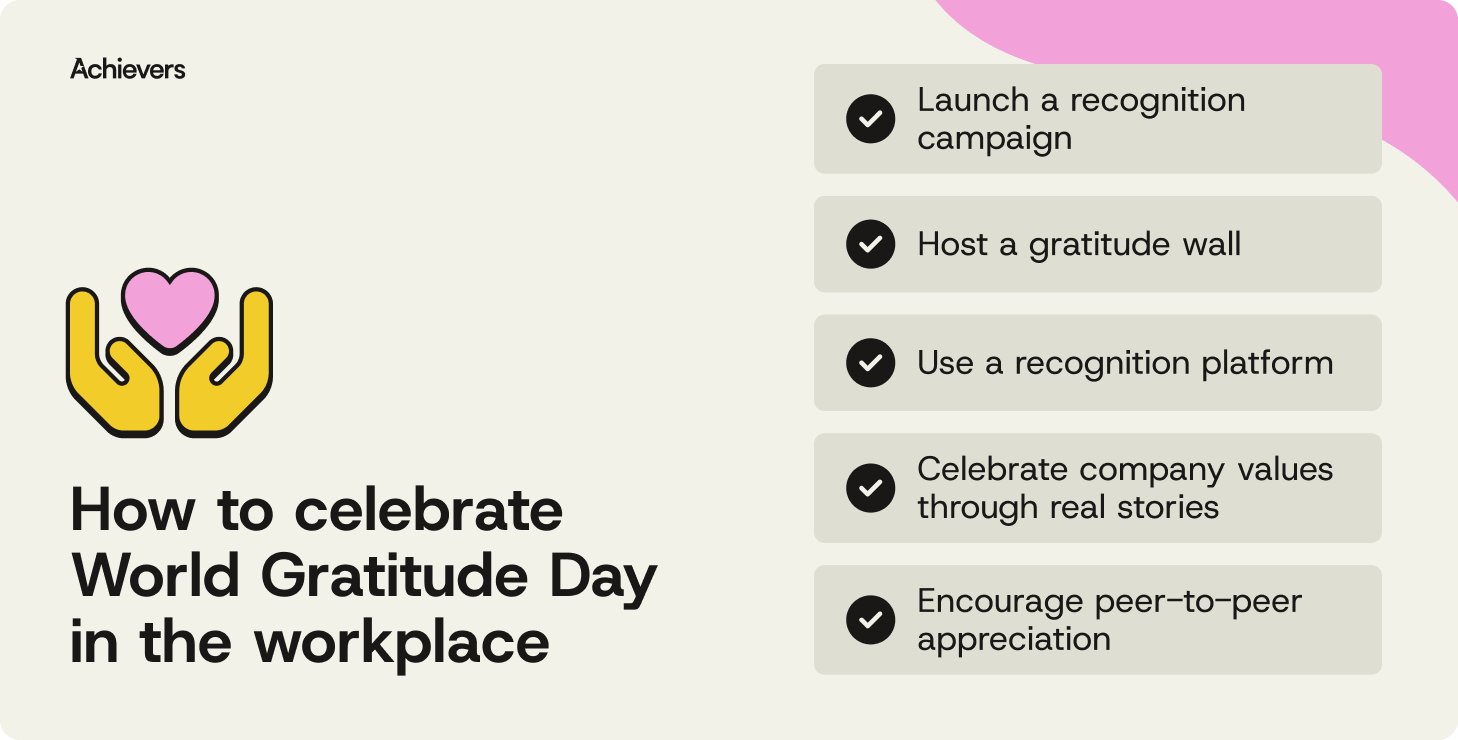
Here are several impactful ways to celebrate World Gratitude Day and foster a lasting culture of appreciation:
1. Launch a Recognition Campaign
Initiate a straightforward, high-visibility campaign that encourages employees to participate in peer-to-peer recognition. This can involve highlighting colleagues who embody company values or go the extra mile. Utilizing automated prompts or providing pre-designed templates can help maintain momentum and make the process effortless. The simpler recognition is made, the more likely employees are to engage with it. This peer-driven approach democratizes appreciation, ensuring that contributions at all levels are acknowledged.
2. Host a Digital or Physical Gratitude Wall
Establish a shared platform, either digital or physical, where employees can post messages of appreciation for their colleagues across different teams. A social media-style feed or a mobile-friendly posting option ensures inclusivity for all employees, whether they are working remotely, in a hybrid model, or in a traditional office setting. This creates a visible testament to the positive interactions and contributions happening within the organization.
3. Celebrate Company Values Through Real Stories
Showcase specific instances where employees have demonstrated exemplary behavior and contributed to the company’s success. Sharing these real-life stories makes individuals feel genuinely seen and understood. These narratives also serve as powerful, implicit reinforcements of the behaviors that drive organizational culture and performance forward, providing tangible examples of what exceptional work looks like in practice.
4. Empower Managers with Gratitude Toolkits
Equip managers with the resources they need to recognize their teams more consistently. This can include suggested prompts, customizable templates, and timely reminders. The impact of managerial recognition is profound. According to the State of Recognition Report by AWI, employees who are recognized by their managers are significantly more likely to trust them (19 times more likely) and recommend their company (16.5 times more likely). Providing managers with simple tools and real-time insights can help them build sustainable recognition habits.
5. Encourage Peer-to-Peer Appreciation
Recognition should not be confined to hierarchical structures. Create avenues for teammates to acknowledge and appreciate each other for their collaborative efforts, support, and even small victories. Non-monetary recognition can be incredibly powerful, especially when it is prompt, personal, and publicly shared where its impact can be observed by others. This fosters a sense of camaraderie and shared success.
6. Leverage Recognition Platforms to Amplify the Day
Utilize dedicated recognition platforms to streamline and amplify gratitude efforts. These platforms facilitate real-time recognition on any device, offer helpful prompts, and provide visibility across teams. When appreciation is made simple, consistent, and universally accessible, World Gratitude Day can transition from a singular event to the beginning of an enduring recognition habit that permeates the entire year.
The Transformative Power of Gratitude on Performance
The impact of gratitude extends beyond morale; it is a tangible driver of improved performance in the workplace. When individuals feel appreciated, their engagement levels rise, leading to a more dedicated and productive workforce.
Key ways gratitude shapes performance include:
- Increased Motivation and Productivity: Acknowledged employees are more likely to be motivated, leading to higher output and a greater commitment to meeting and exceeding expectations.
- Enhanced Problem-Solving and Innovation: Feeling valued can create a psychological safety net that encourages employees to voice new ideas, take calculated risks, and engage in more creative problem-solving.
- Improved Collaboration and Teamwork: When individuals are recognized for their contributions to team efforts, it reinforces the value of collaboration and encourages more effective teamwork.
- Greater Resilience: In the face of challenges, employees who feel appreciated are often more resilient and better equipped to navigate setbacks, drawing strength from the positive regard of their peers and leaders.
- Reduced Absenteeism and Turnover: A positive and appreciative work environment contributes to overall employee satisfaction, which can lead to reduced absenteeism and a lower rate of voluntary turnover.
The Lasting Impact: From a Single Day to a Continuous Culture
While World Gratitude Day provides a valuable focal point, its true significance lies in its potential to catalyze sustained change. The real impact of this observance is realized in the actions taken after September 21, when teams return to their daily routines and the initial novelty of the day begins to fade. This is where leadership plays a crucial role.
HR teams and managers can harness World Gratitude Day as a springboard to embed gratitude into the fabric of the everyday work experience. This involves actively noticing great work, articulating specific appreciation, and consistently reinforcing the behaviors that enable employees to perform at their best. Organizations like Achievers have consistently observed that sustained, consistent recognition fundamentally transforms workplace culture. When employees feel seen, valued, and appreciated, not only do they perform better, but the entire organizational ecosystem flourishes. World Gratitude Day serves as a powerful reminder and an effective catalyst for building this essential foundation of appreciation.