Non-monetary rewards, encompassing vital elements like recognition, professional growth, and a sense of purpose, are increasingly acknowledged as the enduring drivers of employee satisfaction and commitment, long after the immediate impact of financial compensation fades. This profound influence is often encapsulated by the term "emotional salary," representing the intangible yet powerful benefits that make employees feel genuinely valued, seen, and invested in their work and workplace. When this emotional salary is robustly paid, organizations witness a direct correlation with heightened employee engagement, superior performance, and significantly improved talent retention.
The Evolving Landscape: Why Non-Monetary Rewards Are Paramount Now
The contemporary employment landscape has undergone a seismic shift, moving beyond a purely transactional employer-employee dynamic. Factors such as the "Great Resignation" (or "Great Reevaluation"), the accelerated adoption of remote and hybrid work models, and a generational shift in employee expectations have thrust non-monetary rewards into the spotlight. Employees, particularly younger generations, are seeking more than just a paycheck; they desire meaningful work, a supportive culture, opportunities for development, and a sense of belonging. This shift is not a sudden phenomenon but rather an acceleration of trends that have been building for over a decade, culminating in a post-pandemic world where mental well-being, flexibility, and purpose are non-negotiable aspects of a desirable job.
Data underscores this paradigm shift. While traditional compensation remains foundational, its singular power to motivate and retain is diminishing. A revealing 2026 research report from the Achievers Workforce Institute highlighted a significant disconnect: only 11% of HR leaders reported their organizations commonly leverage non-monetary perks like flexibility and time off. Yet, a striking 44% of employees indicated their most impactful recognition experience was specific and not monetary. This discrepancy signals a critical blind spot for many organizations and an untapped reservoir of potential for those willing to adapt.
Pay will always constitute a fundamental component of the total rewards package, ensuring basic needs and market competitiveness. However, it fails to fully explain why employees choose to stay, to grow within an organization, to advocate for their employer, or to consistently exceed expectations. These deeper levels of commitment are cultivated through recognition, genuine connection, transparent growth opportunities, and the flexibility to integrate work with personal life. When these critical components of emotional salary are absent, even highly competitive financial compensation struggles to sustain employee engagement and loyalty in the long term.
It is crucial to understand that rewards and recognition are not competing investments but complementary forces. The most successful organizations, those demonstrating the strongest outcomes in engagement and retention, adeptly combine both. They deploy meaningful recognition that consistently reinforces desired behaviors and company values, paired with flexible reward systems that allow employees to personalize their benefits. This personalization can manifest through a diverse marketplace offering experiences, gifting options, travel vouchers, merchandise, opportunities for charitable giving, and other tailored choices. This integrated approach ensures that employees feel both financially secure and deeply valued on a personal and professional level.
Defining "Emotional Salary": Beyond the Paycheck
"Emotional salary" refers to the non-financial benefits and opportunities that an employee receives, which contribute to their overall job satisfaction, well-being, and sense of purpose. It encompasses everything from the work environment and company culture to opportunities for personal and professional development, work-life balance, and, critically, recognition and appreciation. This concept has gained traction as organizations realize that a healthy financial package alone is insufficient to cultivate a highly engaged, loyal, and productive workforce in today’s competitive talent market. The intrinsic rewards derived from work—the feeling of making a difference, learning new skills, or being part of a supportive team—often outweigh marginal differences in pay when it comes to long-term satisfaction and retention.
Five Pillars of Non-Monetary Value for Employees
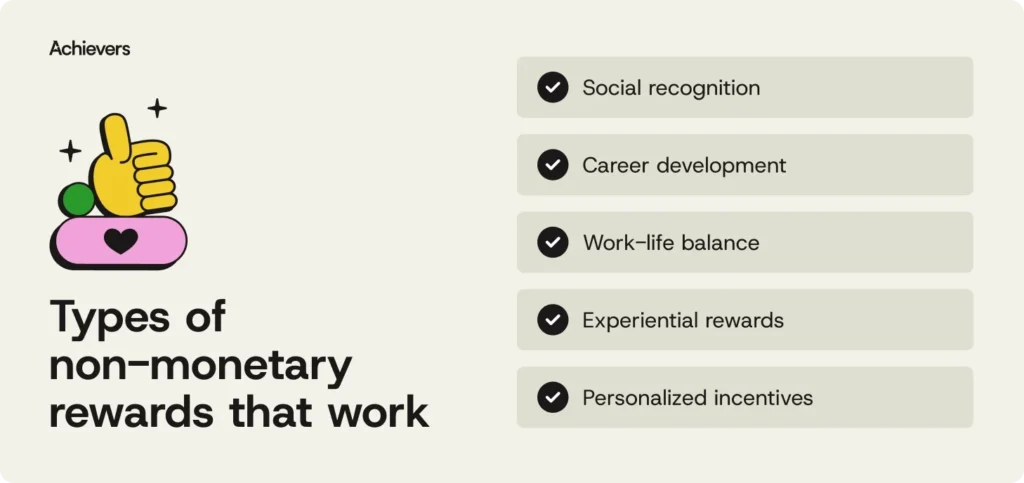
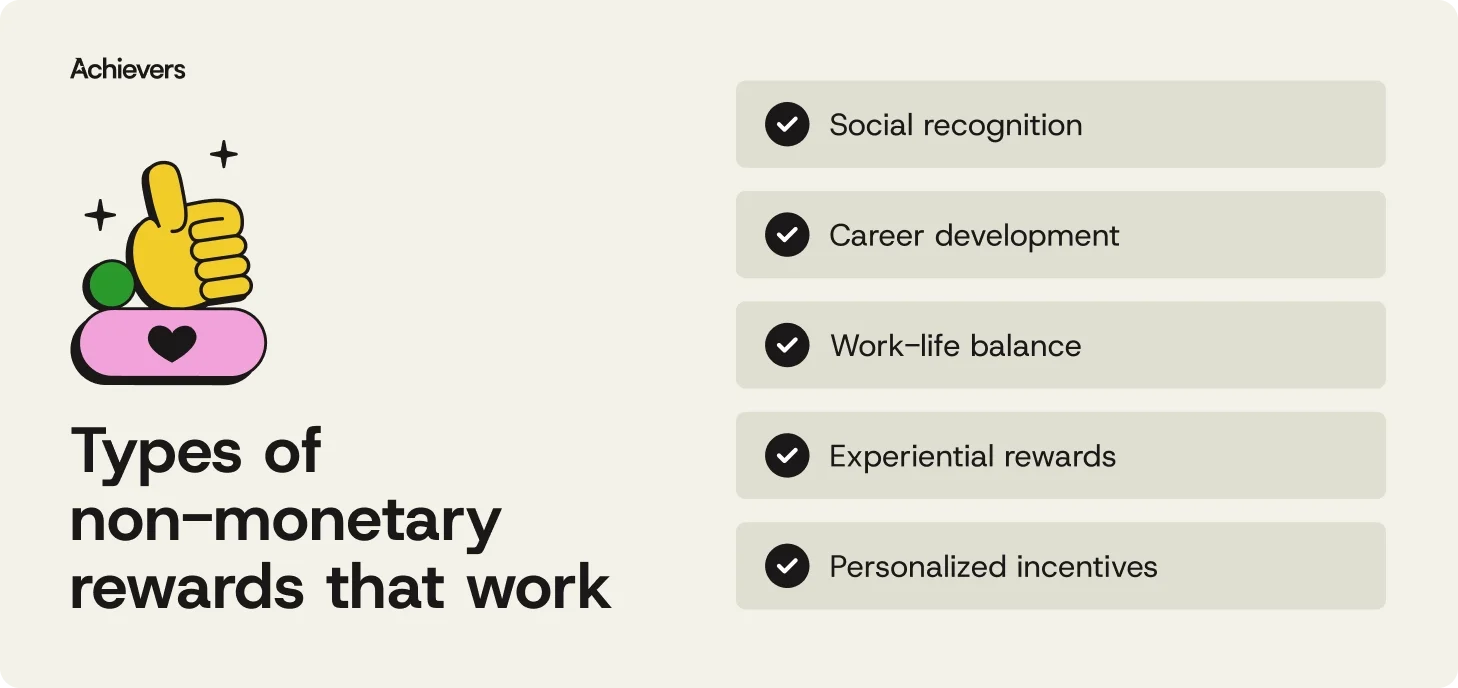
Organizations seeking to enrich their "emotional salary" offerings can focus on several key areas, each designed to foster a deeper connection between employees and their work.

1. Social Recognition: Fostering Connection and Belonging
Social recognition is a powerful non-monetary reward because it addresses fundamental human needs for acknowledgment and belonging. It strengthens interpersonal connections by allowing employees to feel seen and appreciated by their managers and, crucially, by their peers. Whether it’s a spontaneous shout-out in a team meeting, a public acknowledgment on an internal platform, or a heartfelt thank you, recognition reinforces positive behaviors and helps to weave the fabric of a positive organizational culture.
The impact of consistent social recognition is profound. The 2026 State of Recognition Report indicated that employees receiving weekly recognition are 4.2 times more likely to feel included and 4.6 times more likely to report strong connections with their coworkers. This data highlights recognition as one of the most potent drivers of belonging in the workplace, a critical factor for both individual well-being and team cohesion. When employees feel recognized, they are more likely to be engaged, collaborative, and committed to their team’s success.
2. Career Development Opportunities: Investing in the Future
Offering robust career development opportunities stands as one of the most valuable non-monetary rewards because it signals an organization’s investment in its employees’ long-term future. This goes beyond mere training; it encompasses mentorship programs, access to advanced courses, opportunities for cross-functional projects, clear pathways for advancement, and regular coaching. When employees perceive a clear trajectory for growth, they are more likely to commit to the organization, seeing their current role as a stepping stone within a supportive environment.
The link between recognition and employee development is strong and symbiotic. The 2026 State of Recognition Report further revealed that employees who receive weekly recognition are an astonishing 11.7 times more likely to receive coaching and 8.6 times more likely to feel that their manager actively supports their growth goals. This suggests that when recognition becomes a regular leadership habit, it naturally leads to more frequent and meaningful development conversations, providing employees with clearer, more actionable pathways for professional advancement.
3. Flexible Work and Work-Life Balance: Trust and Well-being
In the modern workforce, work-life balance remains a cornerstone of effective non-monetary rewards. Companies that champion flexible schedules, implement comprehensive wellness initiatives, offer generous time off, and actively support employees’ personal priorities demonstrate a profound level of trust and an understanding that their team members are multifaceted individuals, not just their job titles. This flexibility is no longer a perk but often a baseline expectation, particularly for those balancing family responsibilities, personal health needs, or simply seeking a more integrated lifestyle.
The positive correlation between feeling appreciated and overall well-being is undeniable. According to the 2026 Engagement and Retention Report, employees who feel appreciated and engaged are 47 times more likely to report feeling supported in their well-being compared to their unappreciated or disengaged counterparts. Recognition, therefore, plays a pivotal role in shaping an employee’s overall experience of well-being at work, contributing to reduced stress, improved mental health, and greater job satisfaction.
4. Experiential Rewards: Creating Lasting Memories
Experiential rewards offer a unique and highly memorable form of non-monetary recognition. Unlike a monetary bonus that can quickly be absorbed into daily expenses, an experience creates lasting memories directly tied to the recognition moment itself. These could range from tickets to a sporting event or concert, a unique team-building outing, a weekend getaway, or even a specialized workshop or class. The value lies in the unique memory and story created, which often resonates more deeply than a purely financial incentive.
Employees consistently express a preference for rewards that offer flexibility and choice. The 2026 research from Achievers Workforce Institute highlighted that access to a diverse rewards marketplace significantly impacts employee behavior (30%) and supports retention efforts (30%). By offering a curated selection of experiences, organizations empower employees to choose rewards that truly resonate with their interests, making the recognition feel more personal and impactful.
5. Personalized Incentives: Acknowledging Individuality
The principle that "one size never fits all" holds particularly true for employee incentives. Personalized incentives are effective precisely because individuals value different things. While one employee might be deeply moved by a charitable donation made in their name, another might prefer a local gift card to their favorite restaurant, a travel experience, company-branded merchandise, or a flexible credit to be used as they see fit. This understanding of individual preferences is paramount in making recognition feel authentic and meaningful.
Organizations that provide employees with a range of choices in their rewards create recognition experiences that are perceived as more relevant, memorable, and genuinely aligned with what each employee values. This approach not only boosts the impact of the reward but also reinforces the message that the organization sees and understands its employees as unique individuals, further contributing to their emotional salary.
Strategic Implementation: Enhancing Non-Monetary Reward Programs
For organizations to effectively leverage non-monetary rewards, a strategic and integrated approach is essential. It’s not enough to simply offer a few perks; these initiatives must be embedded within the company culture and supported by robust systems.
- Develop a Culture of Continuous Recognition: Shift from annual reviews to real-time, frequent, and specific recognition. Encourage peer-to-peer recognition as much as manager-led acknowledgment. Implement digital platforms that make giving and receiving recognition easy and visible across the organization.
- Invest in Leadership Training: Equip managers with the skills to provide effective, constructive feedback and meaningful recognition. Managers are the frontline implementers of emotional salary, and their ability to genuinely connect with and appreciate their teams is critical.
- Prioritize Employee Voice and Feedback: Regularly solicit feedback on what non-monetary rewards employees value most. Conduct surveys, focus groups, and one-on-one discussions to understand evolving preferences and tailor offerings accordingly.
- Promote Career Pathing and Skill Development: Create clear career ladders and provide resources for upskilling and reskilling. Offer mentorship programs, internal mobility opportunities, and access to learning platforms. Make development conversations a regular part of performance management.
- Champion Flexibility and Well-being: Go beyond basic offerings. Implement flexible work arrangements (hybrid, remote, compressed workweeks) where feasible. Offer comprehensive wellness programs that address physical, mental, and financial well-being. Encourage and model work-life boundaries from leadership.
- Curate a Diverse Rewards Marketplace: Partner with providers that offer a wide array of personalized and experiential rewards. Ensure the marketplace is easy to navigate and provides options that cater to diverse demographics and interests. This could include charitable donations, unique local experiences, travel, or popular gift cards.
- Measure and Iterate: Track the impact of non-monetary reward programs on key metrics like employee engagement, retention, and performance. Use this data to continuously refine and improve the offerings, ensuring they remain relevant and effective.
Case Study in Action: General Motors’ Recognition Revolution
General Motors (GM), a global automotive giant, embarked on a comprehensive mission to revitalize its employee recognition strategy. Recognizing that their existing approach was fragmented and failing to resonate with a diverse, global workforce, GM sought a fundamental "rebuild" rather than a mere "paint job." Employees were vocal in their desire for greater transparency, more genuine appreciation, and rewards that held personal significance. This ambition led GM to partner with Achievers to implement a transformational recognition platform.
The objective was clear: create a global platform that would make real-time, peer-to-peer recognition not just possible, but intuitive, engaging, and deeply embedded in the company culture. The results were immediate and overwhelmingly positive. In the inaugural month following the platform’s launch, an impressive 87% of GM’s workforce actively engaged, sending over 80,000 recognitions across the organization. This rapid adoption demonstrated that when the mechanism for expressing gratitude is simplified and made accessible, people readily embrace it.
The momentum continued well beyond the initial rollout. Since its launch, 90% of GM’s global workforce has maintained monthly engagement with the platform, including 80% of managers. This sustained participation underscores a crucial insight: recognition, when implemented effectively, transcends being a mere "nice-to-have" perk and evolves into a fundamental cultural shift that profoundly impacts how employees perceive their value and connection to the company.
GM’s redesigned program, reaching 67,000 employees across 26 countries, strategically integrated a mix of personalized rewards with meaningful non-monetary moments. The platform empowered employees to convert their earned appreciation into tangible benefits that resonated with their individual interests, or simply to bask in the satisfaction of being acknowledged. This dual approach ensured both intrinsic and extrinsic motivation were addressed.
The enduring outcome for General Motors has been a more connected and appreciative workforce, characterized by a stronger sense of belonging and loyalty. GM’s success story serves as compelling evidence that a well-conceived and executed recognition program can significantly drive employee engagement, cultivate a thriving company culture, foster loyalty, and enhance the critical feeling of belonging among its global employee base.
The Broader Impact and Future Outlook
The increasing emphasis on non-monetary rewards is not merely a trend but a fundamental recalibration of what constitutes a comprehensive and compelling employee value proposition. In a world where talent scarcity is a growing concern and employee expectations are continuously rising, organizations that master the art of delivering a robust "emotional salary" will gain a distinct competitive advantage. They will not only attract top talent but also cultivate a resilient, high-performing workforce that is more likely to innovate, adapt, and remain loyal through economic fluctuations and industry shifts.
Looking ahead, the integration of technology, particularly AI and sophisticated analytics, will further refine how non-monetary rewards are delivered and personalized. Platforms like Achievers will continue to evolve, offering even more intuitive ways to facilitate real-time recognition, track its impact, and tailor reward options to individual preferences and career stages. The future of work is undeniably human-centric, and non-monetary rewards will remain at the heart of building workplaces where employees don’t just work, but truly thrive.
While financial bonuses undeniably provide a welcome boost, the true magic in cultivating a culture where employees feel genuinely valued and deeply connected lies in the strategic deployment of non-monetary rewards. Achievers, through its innovative platform, enables organizations to seamlessly integrate real-time social recognition with flexible, personalized rewards. By making appreciation an accessible, daily habit—whether through a peer-to-peer shout-out or a customized reward from its global marketplace—Achievers empowers companies to foster a culture of sustained appreciation that resonates across the entire workforce, making non-monetary rewards go the distance in building enduring employee loyalty and engagement.