The Foundational Role of Gratitude in Workplace Dynamics
The concept of employee appreciation, particularly around holidays like Thanksgiving, is deeply rooted in the broader understanding of human psychology and organizational behavior. While the holiday itself carries historical significance related to harvest and collective gratitude, its application in the corporate sphere transforms it into a strategic tool for fostering positive workplace environments. Beyond the traditional exchange of seasonal greetings, a deliberate act of appreciation communicates respect, acknowledges hard work, and validates an individual’s contribution to collective success.
The modern workforce, increasingly diverse and discerning, seeks more than just financial compensation. Studies by organizations like Gallup consistently show that intrinsic motivators, such as recognition, opportunities for growth, and a sense of belonging, are paramount for employee satisfaction and retention. When employees feel genuinely appreciated, it directly impacts their morale, motivation, and commitment. This translates into tangible benefits for the organization, including reduced turnover rates, increased productivity, enhanced customer satisfaction, and a stronger employer brand reputation. The cost of replacing an employee can range from half to two times the employee’s annual salary, depending on the role and seniority, making retention through effective recognition a financially prudent strategy.
Historical Context: The Evolution of Workplace Recognition
The idea of recognizing employees has evolved significantly over time. In the early 20th century, workplace relations were largely transactional, with focus primarily on wages and working conditions. The concept of "human relations" emerged mid-century, slowly introducing the idea that employee morale and satisfaction could impact productivity. However, formal recognition programs, beyond annual bonuses or service awards, were less common.
The late 20th and early 21st centuries saw a paradigm shift. With increased global competition, the rise of knowledge work, and a greater understanding of industrial psychology, organizations began to realize that their human capital was their most valuable asset. The war for talent, particularly in specialized fields, forced companies to look beyond traditional incentives. Employee engagement became a key metric, and recognition programs, both formal and informal, started to gain prominence as a critical component of talent management strategies. Thanksgiving, with its inherent theme of gratitude, naturally became a touchstone for expressing this evolving appreciation. This shift has been further accelerated by generational changes, with younger generations often prioritizing purpose, culture, and recognition over purely monetary rewards.
Crafting Impactful Messages: A Guide to Effective Communication
The efficacy of a Thanksgiving message, or any message of appreciation, lies in its delivery and content. It must be authentic, specific, and resonate with the recipient. Generic, boilerplate messages often fall flat, failing to convey genuine sentiment. Instead, employers should strive for messages that reflect an understanding of the individual’s or team’s contributions and the impact of their efforts.

For instance, "short appreciation messages for staff" can be highly effective when delivered in a timely and personal manner. A quick note recognizing a specific achievement, a challenging project completed, or an extra effort made can be incredibly powerful. These messages might be: "Thank you for your incredible dedication on the [Project Name] – your commitment truly made a difference," or "Your positive attitude and willingness to help always uplift the team. Happy Thanksgiving!" The brevity ensures they are easily digestible and often more frequent.
"Professional and heartwarming wishes" typically carry a slightly more formal yet still empathetic tone. These might come from senior leadership and address broader team achievements or company-wide resilience. An example could be: "As we approach Thanksgiving, I want to extend my deepest gratitude to each of you. Your collective efforts this year have been instrumental in navigating challenges and achieving our goals. We are truly thankful for your hard work and commitment," or "Wishing you and your loved ones a Happy Thanksgiving. Your dedication makes our organization exceptional, and we deeply appreciate your contributions." These messages aim to foster a sense of collective purpose and shared success.
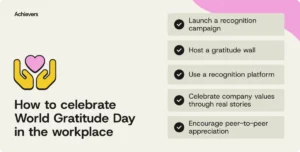
"Creative and engaging messaging ideas" go a step further, often incorporating multimedia, interactive elements, or unique delivery methods. This could involve personalized video messages from leadership, virtual "gratitude walls" where colleagues can post appreciation for one another, or even small, themed events. For example, a company might host a virtual "Thankful for You" coffee break where employees share what they appreciate about their colleagues, or a digital campaign showcasing employee success stories throughout the year. The key is to make the recognition memorable and align it with the company’s culture and values. The Achievers platform, for instance, facilitates these creative and frequent recognition moments, allowing for peer-to-peer appreciation and personalized messages that are visible and celebrated across the organization.
Beyond the Holiday: Cultivating a Culture of Continuous Recognition
While Thanksgiving provides an opportune moment for reflection and gratitude, the most successful organizations understand that appreciation should not be a once-a-year tradition. The impact of intermittent recognition, while positive, is fleeting. To truly harness the power of appreciation, companies must build cultures where recognition happens regularly, organically, and meaningfully throughout the year.
A continuous culture of recognition means integrating appreciation into the daily workflow. This involves empowering leaders to regularly acknowledge good work, fostering a peer-to-peer recognition system, and embedding recognition into performance management processes. When employees feel seen and valued consistently, they are more engaged, more motivated, and more deeply committed to their organization’s mission and success. This proactive approach helps mitigate burnout, strengthens team bonds, and reinforces desired behaviors and values.
Consider the implications of a sustained recognition strategy:

- Increased Engagement: Regular positive reinforcement fuels intrinsic motivation, leading to higher levels of involvement and enthusiasm for work.
- Reduced Turnover: Employees who feel valued are less likely to seek opportunities elsewhere, saving the company significant recruitment and training costs. A survey by O.C. Tanner found that 79% of employees who quit their jobs cite a lack of appreciation as a key reason for leaving.
- Improved Productivity and Performance: Recognized employees are more likely to be innovative, take initiative, and strive for excellence. They feel a greater sense of ownership over their work.
- Stronger Company Culture: A culture of appreciation builds trust, psychological safety, and a positive work environment, which in turn attracts top talent.
- Enhanced Employer Brand: Companies known for valuing their employees are more attractive to prospective candidates, giving them an edge in competitive talent markets.
Implementing such a culture requires more than just good intentions. It demands robust systems and tools. Platforms like Achievers are designed to facilitate this continuous recognition. They provide intuitive interfaces for employees to give and receive recognition, often tied to company values, and allow for the accumulation of points that can be redeemed for rewards. This gamified approach makes recognition fun, visible, and integrated into the daily experience, transforming sporadic gestures into a lasting habit. Leaders can track recognition trends, identify unsung heroes, and ensure that appreciation is distributed equitably across teams and departments.
Broader Implications and The Future of Work
The emphasis on continuous employee recognition carries significant implications for the future of work. As organizations grapple with evolving work models (remote, hybrid), talent shortages, and the increasing demand for purpose-driven work, the ability to foster a strong, appreciative culture becomes a critical competitive differentiator.
The COVID-19 pandemic, in particular, highlighted the importance of empathy and recognition. As employees faced unprecedented personal and professional challenges, companies that prioritized their well-being and consistently showed appreciation experienced higher morale and retention rates. This trend is likely to continue, with employee experience becoming a central focus for HR and business leaders.
Furthermore, a culture of recognition contributes to a more inclusive workplace. By acknowledging diverse contributions and celebrating successes across all levels and backgrounds, companies can ensure that every employee feels a sense of belonging and value. This is especially crucial in fostering psychological safety, where employees feel comfortable expressing ideas, making mistakes, and being their authentic selves without fear of negative repercussions.
In conclusion, while Thanksgiving offers a timely and traditional occasion to express gratitude, its true power in the workplace is realized when it serves as a catalyst for a sustained, year-round culture of appreciation. Giving thanks is not merely a polite gesture; it is a fundamental workplace strategy that drives engagement, boosts performance, enhances retention, and ultimately contributes to the long-term success and sustainability of any organization. By investing in meaningful and continuous recognition, companies can transform their workforce from a collection of individuals into a cohesive, motivated, and deeply connected community, ready to tackle future challenges and achieve shared triumphs.