
The National Day of Encouragement, observed annually on September 12th, serves as a potent reminder of the profound impact that simple acts of support, optimism, and appreciation can have on individuals. In the demanding landscape of today’s professional world, this day’s core message—lifting people up—resonates particularly strongly within organizational settings. A well-timed word of encouragement can significantly bolster employee morale, making them feel seen, valued, and intrinsically motivated, especially during periods of intense activity, ambitious projects, or unforeseen challenges. This makes the National Day of Encouragement a natural focal point for robust employee recognition strategies, offering a readily accessible opportunity for organizations to integrate genuine human support into their daily operations, whether through brief messages, public team acknowledgments, or thoughtfully designed digital greetings.
The Symbiotic Relationship Between Encouragement and Recognition
While closely intertwined, encouragement and recognition are distinct yet complementary forces in shaping a positive work environment. Recognition typically focuses on past actions, acknowledging completed efforts, tangible results, specific behaviors, or notable achievements. It articulates a clear message: "You have performed admirably." In contrast, encouragement is forward-looking. It aims to reassure individuals, build their confidence, and affirm their support system as they navigate future endeavors. It conveys a message of ongoing belief: "Keep pushing forward; your contributions are making a difference."
The most powerful impact is often achieved when these two elements are integrated. When employees receive both recognition for their past contributions and encouragement for their future efforts, the message of their value is amplified. Recognition validates their past work, affirming that their efforts are noticed and appreciated. Encouragement, on the other hand, fuels their resilience, sustains their motivation, and reinforces their belief in their own capabilities, enabling them to tackle upcoming tasks with renewed vigor. Together, they cultivate a workplace culture where appreciation is not merely a retrospective acknowledgment of successes but a dynamic, real-time support system.

This dual approach is particularly valuable for managers and HR professionals striving to enhance the overall employee experience. Not every significant moment needs to be a grand, formal event. Often, a timely message of encouragement can possess as much, if not more, power than a traditional, formal recognition gesture. Data from employee engagement surveys consistently shows a correlation between feeling supported and higher levels of job satisfaction and productivity. For instance, a 2023 report by Gallup found that employees who feel strongly encouraged by their managers are 67% less likely to look for a new job. This underscores the tangible benefits of integrating encouragement into recognition frameworks.
Historical Context and Evolution of Workplace Appreciation
The concept of acknowledging employee contributions has evolved significantly over time. Early industrial models often focused on output and efficiency, with recognition being primarily monetary or tied to promotions. However, as the understanding of human psychology and organizational behavior deepened, particularly following the Hawthorne Studies in the early 20th century, the importance of social and psychological factors in the workplace became evident. These studies highlighted that employees’ feelings of being valued and respected significantly influenced their performance.
The latter half of the 20th century saw the rise of formal employee recognition programs, often driven by HR departments aiming to boost morale and reduce turnover. These programs typically involved awards, bonuses, and public commendations for specific achievements. The advent of digital communication and collaborative tools in the 21st century has further democratized recognition, making it more immediate, accessible, and often peer-driven. The National Day of Encouragement, while a specific observance, taps into this broader trend of valuing the human element in work and recognizing that sustained motivation is often built on consistent, positive reinforcement.
Leveraging National Day of Encouragement for Impactful Recognition
The National Day of Encouragement presents a low-barrier, high-impact opportunity for organizations to foster a culture of support. It provides a timely prompt to initiate or enhance employee recognition efforts. The key lies in making these gestures authentic and integrated into the daily fabric of the workplace.
Three eCard Examples for Targeted Encouragement:
To facilitate immediate action, pre-designed eCards can serve as effective tools. These can be deployed through internal communication platforms, email, or dedicated recognition software.
-
For Stepping Up to New Challenges:
- Visual: A graphic depicting a mountain climber reaching a summit or a runner crossing a finish line.
- Message: "You’ve got this, and we’re cheering you on! We’ve seen your dedication and skill, and we have no doubt you’ll conquer this new challenge. Keep up the incredible work."
- Context: Ideal for employees embarking on new projects, taking on advanced responsibilities, or preparing for significant presentations or deadlines. This message acknowledges their capability and offers collective support.
-
For Consistent Impact and Positive Influence:

- Visual: An image of a sunflower reaching towards the sun or a vibrant, interconnected network.
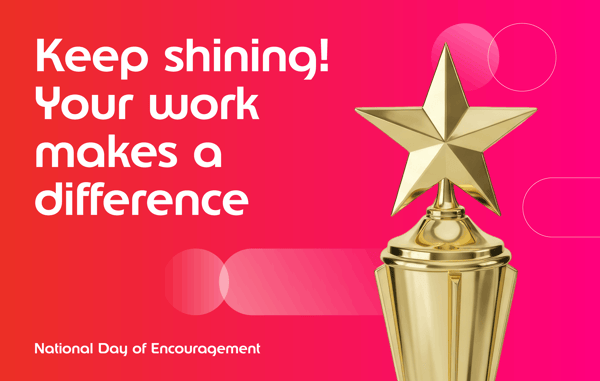
- Message: "Keep shining! Your consistent effort and positive attitude make a real difference to our team and our culture. We truly appreciate the impact you make every single day."
- Context: Suited for employees who consistently contribute positively, maintain a strong work ethic, or are invaluable in strengthening team cohesion, even if their contributions aren’t always tied to high-profile projects. This highlights their steady, invaluable presence.
-
For Appreciating Quiet Contributors:
- Visual: A subtle, elegant design with a warm color palette, perhaps featuring a gentle ripple effect.
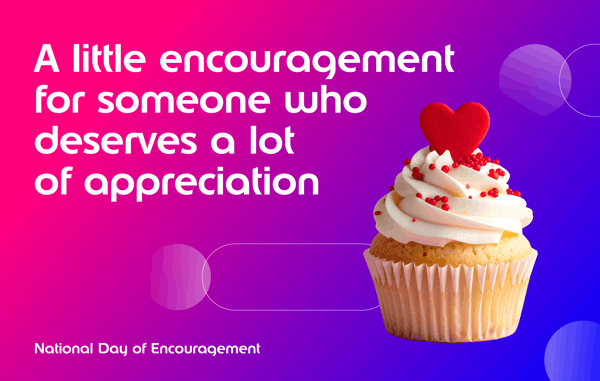
- Message: "A little encouragement for someone who deserves a lot of appreciation. Your contributions, though perhaps not always in the spotlight, are vital to our success. Thank you for all that you do."
- Context: Perfect for individuals whose efforts might be less visible but are nonetheless crucial to the organization’s smooth functioning and overall success. This message ensures that often-overlooked contributions are acknowledged and valued.
These eCard concepts can be adapted and personalized, becoming more impactful when accompanied by specific examples of the employee’s contributions. For instance, instead of just "You’ve got this," a manager might add, "I’ve seen how you tackled the X project with such dedication, and I know you’ll bring that same focus to the upcoming Y initiative."
Cost-Effective Strategies for National Day of Encouragement
Celebrating National Day of Encouragement does not necessitate significant financial investment or extensive planning. Numerous impactful initiatives can be implemented with minimal cost:
-
Launch a Focused eCard Campaign: Encourage all employees, from leadership to frontline staff, to send at least one message of encouragement to a colleague within the week leading up to or on September 12th. This can generate a widespread ripple effect of positive sentiment. A simple internal survey post-campaign can gauge participation and perceived impact.
-
Distribute Encouragement Prompts: Provide employees with a curated list of prompts that they can use in recognition platforms, internal chat channels, or emails. Examples include:
- "I really admire how you handled [specific situation]. Your [skill/quality] is a huge asset to the team."
- "Just wanted to send some positive energy your way as you tackle [upcoming task/project]."
- "Thank you for your consistent effort on [ongoing responsibility]. It doesn’t go unnoticed."
- "I’m inspired by your [positive trait] and how you bring it to work every day."
-
Integrate Recognition into Team Meetings: Dedicate the first five minutes of weekly or bi-weekly team meetings to a "peer shoutout" segment. This provides a structured yet informal platform for team members to acknowledge and encourage one another, keeping the activity brief, inclusive, and manageable for facilitators. Tracking the frequency and nature of these shoutouts can offer insights into team dynamics.
-
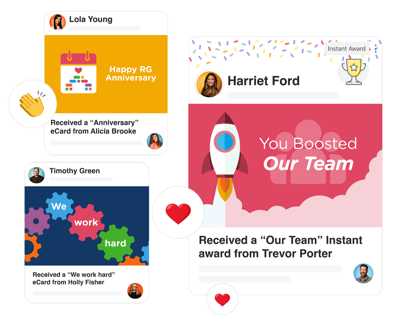
Establish a Digital Encouragement Wall: Create a dedicated space on the company intranet, a shared digital whiteboard, or a specific Slack/Teams channel where employees can post supportive messages for their colleagues. Platforms like Reward Gateway | Edenred’s "Wow wall" allow for public recognition, comments, reactions, and even the attachment of small spot awards, fostering a vibrant community of appreciation. Monitoring engagement on this wall can indicate its effectiveness in promoting positive interactions.
-
Spotlight Everyday Contributions: Use the holiday as a catalyst to shift the focus beyond major achievements. Actively encourage the recognition of consistency, diligent effort, collaborative spirit, and demonstrable progress. These often-unsung contributions are fundamental to long-term success and employee well-being. A simple tally of recognized "everyday impact" instances compared to "major win" recognitions can highlight this shift in organizational focus.
The Broader Implications for Employee Experience and Organizational Culture
The National Day of Encouragement serves as a powerful reminder that meaningful appreciation does not always require formality. A brief, sincere message, a well-chosen eCard, or a few words of genuine support can significantly enhance an employee’s sense of connection and confidence in their contributions. For HR professionals and organizational leaders, this day presents an invaluable opportunity to reinforce the principle that recognition is most impactful when it is woven into the daily operational fabric, rather than being reserved solely for significant milestones.
When encouragement is an intrinsic part of the organizational culture, employees feel not only appreciated for their past accomplishments but also actively supported in their ongoing efforts and future endeavors. This fosters a more resilient, engaged, and productive workforce. Research by the Harvard Business Review indicates that cultures that prioritize frequent, specific, and sincere recognition experience higher employee retention rates, increased customer satisfaction, and improved financial performance.
Furthermore, a culture that champions encouragement contributes to a healthier work-life balance by mitigating stress and burnout. Knowing that their efforts are acknowledged and that they have a supportive network can empower employees to navigate workplace pressures more effectively. This proactive approach to employee well-being is increasingly recognized as a critical component of sustainable business success in the modern economy.
In conclusion, the National Day of Encouragement, observed on September 12th, is more than just a calendar event; it is an actionable framework for cultivating a more supportive, motivated, and engaged workforce. By integrating simple yet profound acts of encouragement into daily practices and formal recognition strategies, organizations can build stronger teams, enhance employee experience, and ultimately, create a more positive and productive environment where individuals feel valued, supported, and inspired to achieve their best. This commitment to human-centric appreciation not only benefits individual employees but also contributes to the overall resilience and success of the organization.