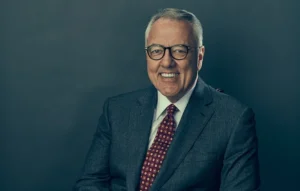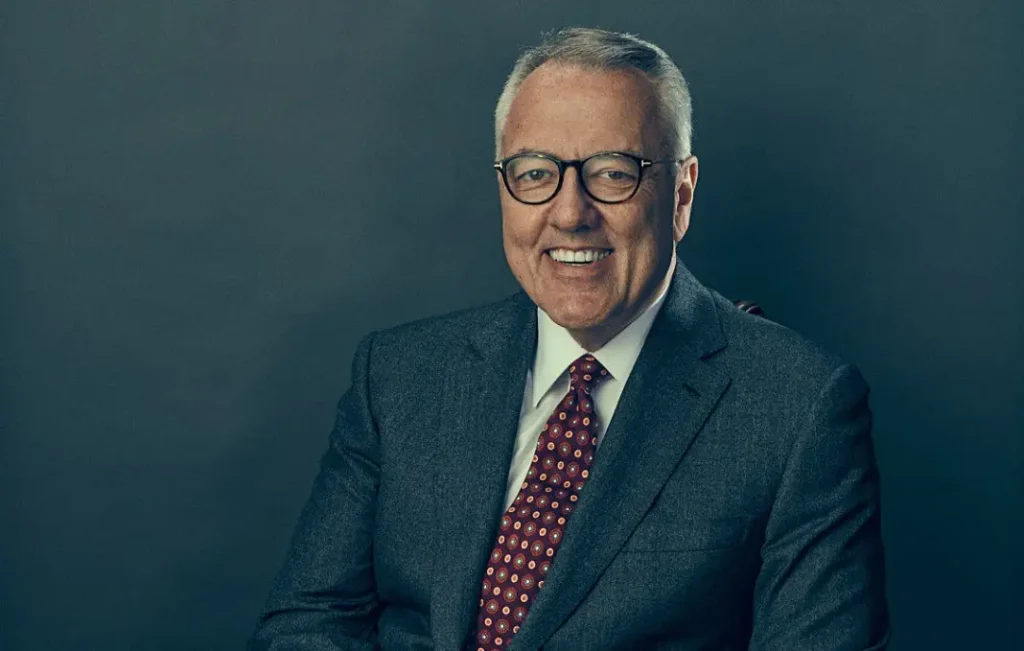
In the pre-dawn hours of 2008, with the weight of a sprawling, financially ailing $40 billion-plus Motorola empire pressing down on him, CEO Greg Brown found himself pacing his home, sleep a distant luxury. The company, once a titan of innovation, was bleeding cash, its iconic handset division hemorrhaging over $1 billion annually. Activist investor Carl Icahn loomed, the board was restless, and the very survival of Motorola hung precariously in the balance. This period of intense personal and professional strain, marked by a 40-pound weight loss and the agonizing necessity of drastic measures like job cuts, pension freezes, and stock splits, would become a crucible for Brown and the company he was tasked with salvaging.
Brown’s wife, Anna, found him in his restless state, a silent witness to his profound struggle. "You have no idea how bad this is," he confided. Her response, a blend of pragmatism and unwavering support, became a rallying cry: "You’re right. And I don’t care. But while you’re walking around the house with your shoulders slumped, consumed in self-doubt and self-pity, there are 75,000 people working for you waiting for you to lead. So, Greg, you gotta get your shit together. Eat the elephant one bite at a time and get going." This simple, yet powerful, advice marked a turning point, shifting Brown’s focus from the overwhelming crisis to actionable steps.
The subsequent transformation of Motorola was not a sudden, dramatic rescue but a methodical, often contentious, rebuilding process. Brown, armed with this renewed resolve, made difficult, yet decisive, choices. He brought in Sanjay Jha, a Qualcomm executive with a vision for Android, as co-CEO of the handset business, acknowledging his own limitations in that specific domain. He navigated a fraught settlement with Carl Icahn, a move that, despite initial board objections, ultimately streamlined decision-making. The most pivotal decision, however, was the strategic pivot away from the consumer mobile business, the very engine of Motorola’s past fame, and a bold recommitment to its mission-critical communications division, serving public safety, military, and government entities worldwide. This foresight, eighteen years ago, has yielded returns far exceeding anyone’s initial expectations.
The Crucible of Crisis: Early 2008
When Greg Brown officially assumed the CEO role in January 2008, Motorola was a company at a crossroads, its once-glorious legacy overshadowed by mounting financial pressures. The company, founded in 1928, had a storied history of innovation, from the car radio and the portable television to the pager and, most famously, the cellular telephone. Its peak revenue of $42.9 billion in 2006 painted a picture of a colossus, but the cracks were widening. The handset division, responsible for iconic devices like the Razr, was struggling immensely. The advent of the iPhone in 2007 and the rapid evolution of the smartphone market had left Motorola’s offerings increasingly outmoded, particularly after missing critical advancements like 3G technology.
Brown, who had joined Motorola in 2003 to lead its Commercial, Government and Industrial Solutions Sector (CGISS), had recognized early on the potential of this "afterthought" division. While the consumer mobile business commanded headlines and the bulk of attention, CGISS, with its focus on mission-critical networks for public safety and enterprise security, represented a more stable, defensible, and ultimately, more profitable future. These were not consumer gadgets easily replaced; these were bespoke, high-switching-cost systems integral to national security and public safety infrastructure.
The financial reality was stark. The handset unit was hemorrhaging approximately $300 million per quarter, burdened by nearly $3 billion in bloated inventory. The company’s stock had suffered significant declines, and shareholder dissatisfaction was palpable. The arrival of activist investor Carl Icahn, who took a substantial stake in the company, amplified the pressure for immediate and drastic action. Icahn’s involvement, while contentious, served as a catalyst, forcing the board and management to confront the severity of the situation head-on.
A Daring Strategic Pivot: Spinning Off Mobility
The decision to divest the consumer mobile business, the very heart of Motorola’s brand recognition, was a monumental undertaking. In his first board meeting as CEO in January 2008, Brown advocated for a statement signaling the evaluation of "strategic alternatives." By March, the board was actively considering spinning off the handset division. This was a move met with significant internal debate and external skepticism, as it meant jettisoning the business that had made Motorola a household name.
Brown’s justification was clear and unwavering: "If we didn’t get out of the cell phone business, there would be no interview today. We wouldn’t be here." He recognized that the company’s core strength lay not in competing with rapidly innovating consumer electronics giants but in providing reliable, specialized communication solutions. The CGISS division, built around custom-engineered, city-by-city and agency-by-agency networks, presented significant barriers to entry and high switching costs, offering a much more sustainable competitive advantage.
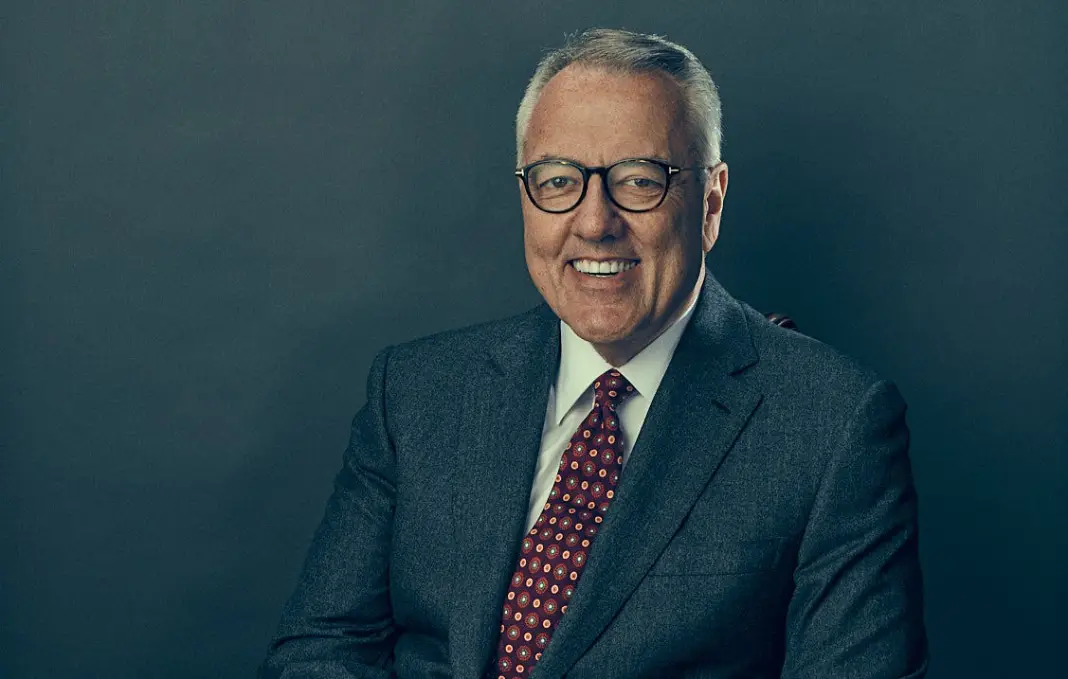
In April 2008, just four months into his tenure, Brown made another critical decision: to settle with Carl Icahn. This move, against the board’s initial reservations, was a pragmatic assessment of the costs and distractions of a protracted proxy fight. Brown’s rationale, often quoted as "I want him inside the tent pissing out, not outside pissing in," underscored his focus on internal stability and forward momentum. The settlement, while controversial, ultimately accelerated the company’s transformation.
The spin-off of Motorola Mobility was completed in January 2011. Eight months later, Google acquired it for a substantial $12.5 billion. This divestiture allowed the remaining entity, now focused on its mission-critical communications and enterprise security business, to shed its most significant financial burden and concentrate on its core strengths. This remaining entity, rebranded as Motorola Solutions and trading as MSI, began its journey under Brown’s continued leadership, setting the stage for an extraordinary period of growth and shareholder value creation.
The Rise of Motorola Solutions: A Compounder’s Journey
Under Greg Brown’s leadership, Motorola Solutions has evolved into a global powerhouse in public safety and enterprise security. The company now boasts an impressive $11.7 billion in annual revenue, a testament to its focused strategy and disciplined execution. Its portfolio encompasses the vital infrastructure that underpins 911 call centers, advanced body-worn cameras for law enforcement, and sophisticated communication systems utilized by first responders in major cities across the United States and in over 100 countries.
The company’s growth has been fueled by a strategic and consistent acquisition strategy, completing more than 60 acquisitions since the spin-off. These acquisitions have been meticulously chosen to complement and enhance its core mission, reinforcing its competitive moat. Notable acquisitions include Avigilon, a leader in AI-driven video security; Airwave, managing the UK’s national emergency services network; and Silvus Technologies, a specialist in mission-critical mobile ad-hoc networks. These strategic moves have solidified Motorola Solutions’ position as an indispensable partner for public safety entities.
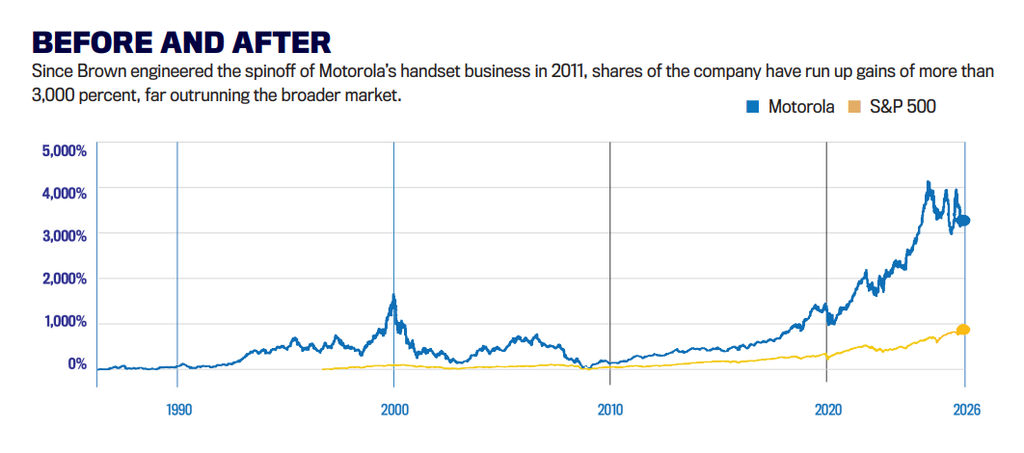
The financial results have been equally remarkable. Since the spin-off, Motorola Solutions has generated a total shareholder return exceeding 1,500 percent, significantly outperforming the S&P 500’s approximate 400 percent return over the same period. With a market capitalization now standing at $66.5 billion, MSI is recognized as one of the most successful "compounders" in modern American business, a fact that often surprises those who still associate the Motorola name solely with consumer cell phones.
Leadership Philosophy: "Eat the Elephant One Bite at a Time"
Brown’s leadership style is characterized by a blend of hard-nosed pragmatism, relentless focus, and a deep understanding of human motivation. His wife’s early advice to "eat the elephant one bite at a time" encapsulates his approach to tackling immense challenges. This philosophy was evident in the pivotal 2014 leadership meeting where, facing internal skepticism about his strategy, Brown confronted his team directly. He displayed critical feedback from social media and press, starkly stating, "You sucked… I don’t even think you should be here. So, I’m sure I’m part of the problem, but I ain’t the biggest one. You are." He then offered a generous severance package to anyone who wished to leave, demanding commitment or exit: "Commit or quit." Approximately 15 percent of attendees chose to depart, a move that galvanized the remaining team around a shared vision and a renewed commitment to total shareholder return.
Brown’s emphasis on total shareholder return was a cultural shift for an organization historically steeped in a culture of innovation and full employment. He discovered an unwritten rule that tenured employees could only be fired by the chairman, a cultural artifact of a bygone era. His assertive approach, while jarring, was instrumental in realigning the company’s priorities towards performance and accountability.
A Career Forged in Telecom and Technology
Greg Brown’s path to leading Motorola Solutions is a testament to his diverse experience and innate drive. Born in Highland Park, New Jersey, he pursued economics at Rutgers University. His career began at AT&T, where he quickly ascended through the ranks. He caught the attention of Ameritech CEO Dick Notebaert, rising to lead Ameritech New Media and building a cable TV operation from the ground up, which was later sold for approximately $1 billion.
In 1999, Brown took a risk by joining Micromuse, a publicly traded software company, as its CEO. He successfully grew its annual revenue from $28 million to over $200 million before Motorola recruited him in 2003. He initially led the CGISS sector, which he believed to be the company’s most promising asset, laying the groundwork for the future Motorola Solutions.
Brown attributes his work ethic and resilience to his upbringing. His father instilled a philosophy of personal accountability: "When you’re in a tough spot, don’t be an excuse guy. Look in the mirror, and mow your own lawn." This was balanced by his mother’s optimistic encouragement, fostering a belief in his ability to achieve anything he set his mind to. This blend of discipline and optimism has defined his leadership journey.
The Power of "Event Drivers" and Continuous Learning
Brown’s leadership extends beyond strategic decisions to the meticulous orchestration of company culture and communication. He views every interaction, from board meetings and earnings calls to one-on-one meetings and town halls, as "event drivers"—opportunities to reinforce alignment, clarify priorities, and galvanize the organization. He believes in relentless communication, ensuring that every employee understands the company’s mission, its strategic direction, and their role in achieving it.
A hallmark of his approach is his commitment to continuous learning and his openness to feedback, even critical perspectives. He actively seeks out diverse viewpoints, including those of investors and analysts who may hold a "hold" rating on the company’s stock, encouraging them to share their unfiltered assessments. This willingness to confront uncomfortable truths and to learn from every interaction is a key driver of his success. He famously asked his head of products to teach him about AI "like I’m in second grade," demonstrating a profound lack of ego and an insatiable curiosity.
The Future of Public Safety and Security: AI and Beyond
Looking ahead, Greg Brown sees Motorola Solutions at the vanguard of technological innovation, particularly in the realm of artificial intelligence. He envisions AI not as a job-displacing force but as an additive technology that enhances human capabilities and accelerates response times, ultimately saving lives. He emphasizes that AI in Motorola’s products focuses on providing better information, increasing productivity, and enabling faster, more effective decision-making for public safety professionals.
The company is actively integrating AI into its product lines, offering features like real-time translation for 911 calls, anomaly detection in video security systems, and enhanced operational efficiency in legal and customer service functions. Brown is also acutely aware of the ethical implications of AI, highlighting Motorola Solutions’ proactive approach through its Technical Advisory Council (MTAC) and its commitment to transparency via AI "nutrition labels" on its products.
The opportunity for Motorola Solutions, as Brown sees it, is immense and exponential. From deploying unmanned drones as first responders and developing counter-drone systems to enhancing communication networks in a hyper-connected world, the company is poised to play a critical role in shaping the future of public safety and national security. His unwavering belief in the company’s mission, its talented team, and its technological prowess fuels his palpable enthusiasm for the road ahead.
In his 19 years at the helm, longer than all but Motorola’s founder and his son, Brown has not only saved a venerable company but has transformed it into a leader in a critical sector, demonstrating the profound impact of bold leadership, strategic vision, and an unwavering commitment to execution. His tenure serves as a compelling case study in corporate reinvention and the enduring power of focusing on mission-critical strengths in an ever-evolving global landscape.