In today’s highly competitive talent landscape, small to medium-sized B2B companies face a formidable challenge: securing highly specialized professionals who often hold the keys to innovation and growth. Unlike their larger, household-name counterparts, these niche businesses frequently operate outside the mainstream public consciousness, making traditional recruitment tactics less effective. The problem is compounded by a global talent shortage across numerous sectors, where demand for specific skills far outstrips supply. Experts estimate that by 2030, a global talent shortage could result in over $8.5 trillion in unfulfilled economic output, underscoring the urgency for companies to differentiate themselves. For small B2B firms, merely posting a job advertisement with generic phrases like "great culture" or "exciting work" is insufficient to capture the attention of these elusive specialists. A strategic, authentic, and data-driven approach to employer branding is not merely an advantage; it is an imperative. This guide outlines a systematic framework for small B2B companies to build a compelling employer brand around their existing strengths, translating internal value into external appeal and effectively attracting the niche talent they need to thrive.
The Evolving Talent Landscape and the B2B Challenge
The past decade has witnessed a dramatic shift in candidate expectations. Beyond compensation, factors like work-life balance, company values, opportunities for professional growth, and an inclusive environment have surged in importance. According to LinkedIn’s 2025 research, while compensation remains a primary driver, work-life balance and flexible arrangements are equally critical, with growing interest in shared company values and inclusive workplaces. This evolution presents both a challenge and an opportunity for smaller B2B entities. While they may lack the extensive resources or brand recognition of multinational corporations, they often possess inherent advantages: closer-knit teams, clearer lines of impact, and direct access to leadership. The difficulty lies in effectively communicating these unique selling propositions to a target audience that may not even know the company exists.
For B2B companies operating in highly specialized fields—be it advanced manufacturing, niche software development, specialized consulting, or bespoke marketing for specific industries—the pool of qualified candidates is inherently smaller. These individuals are often deeply embedded in their current roles or sought after by numerous competitors. The critical hurdle is to bridge the awareness gap and articulate a value proposition that resonates with their specific career aspirations and professional identities. Without a strong employer brand, these companies risk being overlooked, leading to prolonged vacancies, increased recruitment costs, and stalled strategic initiatives.
What Constitutes a Potent Employer Brand?
Employer branding extends far beyond a company’s logo or mission statement. It is the sum total of how an organization presents and earns its reputation as a place to work. This encompasses everything from authentic employee testimonials and the narrative presented on a careers page to the implicit promises embedded within job descriptions and the real-world experiences of current and former employees. A robust employer brand functions as a magnet, drawing in candidates by vividly portraying what a team accomplishes, the significance of their work, and the tangible benefits—both professional and personal—that a new hire could gain by joining. Critically, it does not necessitate an exorbitant budget or global recognition. It is built on authenticity, clarity, and consistency.
The Indispensable Value of Employer Branding for Specialized Roles
When only a select cohort of professionals possesses the requisite skills for a role, every potential candidate becomes invaluable. Losing even one promising individual due to a poorly articulated value proposition or an opaque hiring process is a luxury small B2B companies cannot afford. A strong employer brand yields several critical advantages:
- Enhanced Attractiveness: It makes the company and its roles more appealing to passive candidates who might not be actively searching but are open to compelling opportunities.
- Improved Candidate Quality: By clearly defining the work and culture, it self-selects candidates whose values and professional goals align with the organization, leading to a higher caliber of applicants.
- Reduced Time-to-Hire: A strong brand pre-sells the company, accelerating the decision-making process for candidates and shortening recruitment cycles. Industry data suggests that companies with strong employer brands can reduce their cost per hire by up to 50% and decrease turnover by 28%.
- Cost Efficiency: While requiring an initial investment of time and effort, a well-executed employer branding strategy reduces reliance on expensive recruitment agencies and broad advertising campaigns.
- Competitive Edge: It allows small B2B companies to punch above their weight, competing effectively with larger organizations for top talent by highlighting unique benefits that big companies often struggle to offer, such as greater autonomy, direct impact, and a closer-knit community.
A Strategic Framework: Building an Employer Brand for Niche B2B Talent
The process of constructing a compelling employer brand is iterative and rooted in genuine introspection. Here’s a step-by-step guide for small B2B companies to implement this strategy effectively:
1. Conduct an Internal Audit: Unearthing Your Core Value Proposition
The foundation of any authentic employer brand lies within its current workforce. Begin by engaging with existing employees to understand their motivations. This can be achieved through a combination of anonymous surveys and informal group discussions. Key questions to explore include:
- What initially attracted you to this company?
- What aspects of your work do you find most enjoyable or fulfilling?
- What has surprised you positively since joining?
- What opportunities for growth or learning have you experienced?
- How would you describe the team culture or daily environment?
Analyze the collected responses for recurring themes and patterns. These themes, supported by concrete examples, represent the true essence of your employee value proposition (EVP). For instance, if multiple employees highlight "ownership of projects," seek specific anecdotes where individuals took the lead on significant initiatives. If "collaborative problem-solving" emerges, document instances of successful cross-functional teamwork.
To systematize this, create a "Theme Doc"—a simple spreadsheet or Google Doc. Start with columns for:
- Theme: The overarching positive aspect identified (e.g., "Impactful Work," "Direct Ownership," "Mentorship Opportunities").
- Real Example/Proof Point: A specific, verifiable instance that illustrates the theme.
- Who Shared It: The employee (with their permission for potential public use) who provided the anecdote. This initial collection of authentic stories will be the raw material for your careers page and job descriptions, lending credibility and specificity to your claims.
2. Articulate Appeal: Connecting Internal Strengths to Candidate Desires
With a clear understanding of your internal value, the next step is to connect these insights directly to the specialized roles you aim to fill. It’s crucial to select the strongest, most honest points that will resonate with your target candidates. While foundational elements like compensation, work-life balance, and flexible arrangements are non-negotiable considerations for most professionals, specialized talent also seeks intellectual challenge, meaningful impact, and opportunities to apply their unique expertise.
Expand your Theme Doc with a fourth column:
- Relevant Roles: Identify which specific job functions or types of specialized candidates would find each theme most appealing. For a Senior Data Scientist, "direct ownership of complex algorithms" might be a powerful draw, while for a B2B Marketing Strategist, "shaping industry-specific campaigns" could be more compelling.
Prioritize the top two or three most potent themes for each open position. A critical "gut check" is essential here: if a current employee in that role were to read your articulated appeal, would they genuinely agree, or would they dismiss it as corporate platitude? Authenticity is paramount.
3. Substantiate Claims: From Abstract Promises to Tangible Realities
Generic statements are easily ignored. Specialized candidates are astute; they seek evidence. This is where the specific examples gathered in your Theme Doc become invaluable. Transform broad claims into vivid, actionable details that candidates can easily visualize themselves experiencing.
-
Instead of: "You’ll have real ownership."
-
Try: "In her second month, our newest analyst redesigned our client reporting process, a system now implemented across all accounts, showcasing direct impact and autonomy."
-
Instead of: "We’re a collaborative team."
-
Try: "Every Friday, our strategists and engineers conduct a joint review of one live project, collaboratively deciding on optimizations before final deployment."
If professional development is a cornerstone of your pitch, make the investment transparent. "Room to grow" is vague. Articulate what it concretely entails: "Employees receive an annual budget of $2,000 and dedicated time to attend executive education programs or industry-specific certifications, alongside opportunities to lead new cross-functional initiatives."
Add a fifth column to your Theme Doc:
- Candidate-Ready Line: Craft concise, compelling sentences that integrate the theme, the specific example, and the benefit for the candidate. This pre-written content ensures consistency and efficiency when populating your hiring materials.
4. Integrate Your Message: Uniformity Across Hiring Materials
With your compelling narratives crystallized, the next step is to disseminate them strategically across all candidate-facing touchpoints. Consistency is key. Your core employer brand message must resonate across your careers page, job descriptions, company LinkedIn profile, and any other recruitment collateral.
- Careers Page: This is your digital storefront for talent. It should vividly illustrate your company’s mission, values, and the unique problems you solve for clients. Feature employee testimonials and project highlights prominently.
- Job Descriptions: Move beyond lists of responsibilities. Infuse each job description with the specific, candidate-ready lines from your Theme Doc. For a company specializing in HVAC marketing services, instead of "join our fast-paced, innovative team," articulate: "You’ll build targeted campaigns around HVAC businesses’ seasonal demands, helping clients maintain technician bookings during peak and off-peak periods." For a healthcare tech company focusing on remote patient monitoring, instead of "you’ll help improve patient care," specify: "You’ll own the alert workflow that intelligently prioritizes patients, ensuring care teams receive timely notifications for critical check-ins." These details demonstrate industry expertise and allow specialists to immediately grasp the relevance of their skills.
5. Amplify Employee and Client Narratives
Leverage the "who shared it" column in your Theme Doc. Approach those employees and seek their permission to feature their stories. Authentic voices are incredibly powerful. Offer them various easy-to-produce formats:
- Short Video Testimonials: Brief, unscripted clips of employees describing their work and experience.
- Quote Graphics: Visually appealing images featuring a compelling quote from an employee.
- LinkedIn Spotlight Posts: Detailed posts showcasing an employee’s journey, projects, and impact.
- "Day in the Life" Blog Posts: A narrative glimpse into a typical workday, highlighting specific challenges and successes.
Share these narratives on your careers page, company LinkedIn page, and even pre-interview communications. This not only humanizes your brand but also provides candidates with a genuine sense of the team dynamics and work environment.
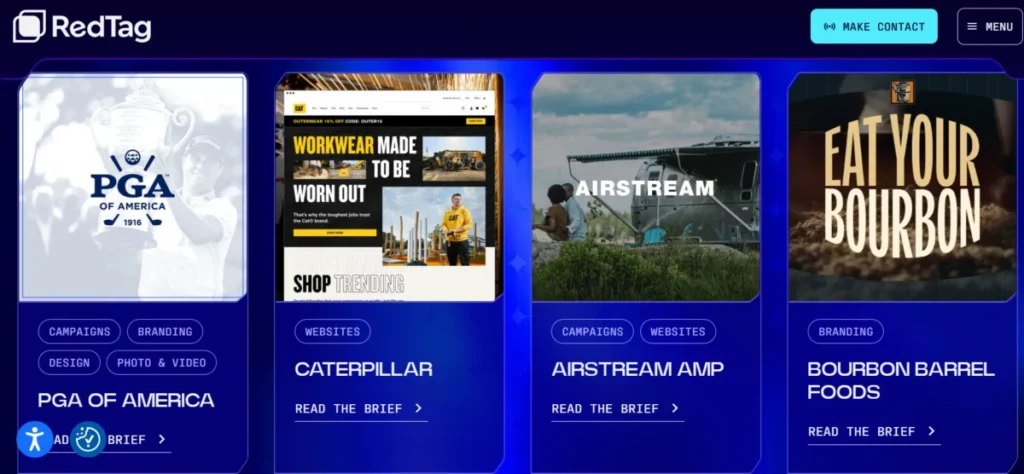
Furthermore, your client work can be a potent component of your employer brand. For a marketing agency like RedTag Digital in Louisville, showcasing successful campaigns and client partnerships provides prospective hires with a concrete understanding of the caliber of work, the industry standards, and the impact they would be creating. A portfolio of compelling client projects can speak volumes about your company’s expertise and the meaningful challenges your team tackles, often more effectively than any internal messaging.
6. Continuous Feedback and Iteration: Measuring Brand Effectiveness
An employer brand is a living entity, requiring ongoing evaluation and refinement. The ultimate measure of its success is whether it consistently attracts the right people for the right reasons. The most straightforward way to gauge this is by asking.
Integrate two concise questions into your initial candidate interviews:
- "What specifically about our company or this role caught your attention?"
- "What did you learn about us that resonated most with you?"
Analyze the patterns in their responses:
- Successful Themes: If candidates consistently reference a particular employee story, project, or specific role detail, that theme is resonating powerfully. Amplify its presence across more of your hiring materials.
- Missed Opportunities: If candidates rarely mention your carefully crafted, role-specific examples, those details might be buried or unclear. Re-evaluate their placement and prominence in your job ads and careers page. Move your strongest proof points higher up.
- Broad vs. Niche: If you’re attracting generalists when you require specialists, your message is likely too generic. Inject more specific details that only a specialist would truly appreciate: the unique tools they would utilize, the specific client challenges they would solve, or the cutting-edge technologies they would work with.
Document candidate feedback alongside the corresponding themes in your Theme Doc. Regularly review this feedback (e.g., after every few hires) to identify what’s working and what needs revision or removal. This iterative process ensures your employer brand remains dynamic, authentic, and highly effective in a constantly evolving talent market.
Broader Impact and Long-Term Implications
The investment in a robust employer brand extends far beyond immediate hiring needs. It cultivates a stronger organizational culture, as employees feel valued and their contributions are recognized. It enhances employee retention, as individuals who join for the right reasons are more likely to stay engaged and committed. Furthermore, a strong employer brand can positively influence business development, as clients are often drawn to companies that attract and retain top talent. It signals stability, expertise, and a commitment to excellence, contributing to overall market perception and sustained business growth. For small B2B companies, this strategic differentiator can be the key to unlocking new levels of innovation, scaling operations, and solidifying their position as leaders in their specialized fields.
A small team does not need an astronomical budget or a ubiquitous presence to attract specialized talent. By systematically leveraging internal strengths, authentic employee narratives, and precise communication, B2B companies can craft an employer brand that speaks directly to the aspirations of niche professionals. The journey begins with internal listening, progresses through strategic articulation and proof, and culminates in consistent communication and continuous refinement.
FAQs about Employer Branding for Niche B2B Companies
What is employer branding for small B2B companies?
Employer branding for small B2B companies is the strategic process of defining and showcasing what makes a niche business an attractive place to work. It involves clearly communicating the company’s culture, values, work impact, and growth opportunities through various channels like careers pages, job descriptions, and employee testimonials, tailored to specialized candidates.
How can a small B2B company compete with bigger employers for specialized talent?
Small B2B companies can effectively compete by highlighting their unique advantages that larger organizations often struggle to offer: real ownership of projects, direct access to and mentorship from expert teammates and leadership, and a clear line of sight to the impact of one’s work. While being upfront about compensation, the strategy emphasizes proving these distinct benefits with specific, authentic examples.
How do you know if your employer brand is working?
You know your employer brand is working effectively when you consistently attract high-caliber, specialized candidates who articulate a clear understanding of your company’s unique value proposition and the specific nature of the role. By asking candidates what initially caught their attention and what resonated with them, you can identify if your core messages and stories are landing as intended. Consistent positive feedback on specific themes indicates success, while a lack of mention suggests areas for refinement.
Author Bio:
Ioana Wilkinson
Ioana Wilkinson is a business strategist and content writer for B2B tech and SaaS brands. She also helps aspiring entrepreneurs and writers build remote businesses. Born in Transylvania and raised in Texas, Ioana has been living the digital nomad life since 2016. When she’s not writing, you can catch her snorkeling, exploring, or enjoying a café con leche in Barcelona!
November 6, 2026 by Ioana Wilkinson in Employer Branding