The imperative for organizations to prioritize employee wellbeing has never been more pronounced. As the nature of work undergoes a rapid transformation, marked by the widespread adoption of hybrid and remote arrangements, HR leaders are grappling with the challenge of designing and implementing wellbeing programs that are not only effective but also accessible, sustainable, and responsive to diverse employee needs. The traditional, one-size-fits-all approach to wellness is increasingly proving insufficient, necessitating a more nuanced and adaptable strategy. This article delves into the critical importance of employee wellbeing, explores the core pillars of a modern program, and offers practical insights for building a year-round, inclusive wellbeing initiative.
The Growing Significance of Employee Wellbeing in a Dynamic Work Environment
The modern workplace is characterized by a confluence of factors that elevate the importance of employee wellbeing. The shift towards hybrid and remote work models, while offering flexibility, has blurred the lines between professional and personal lives, making it more challenging for individuals to disconnect and recharge. This has, in turn, exacerbated concerns around burnout and employee retention, issues that have been consistently cited as top priorities for businesses globally. A recent study by Deloitte found that 70% of executives believe employee wellbeing is critical to business success. This underscores a fundamental understanding within leadership that a healthy workforce is a productive and engaged workforce.

Employee wellbeing programs are no longer viewed as mere perks but as strategic investments in human capital. They serve as a tangible demonstration of an organization’s commitment to its employees’ holistic health, fostering a culture of support that can significantly impact engagement, productivity, and overall job satisfaction. When employees feel genuinely cared for and supported, they are better equipped to navigate challenges, contribute meaningfully to their teams, and build stronger professional relationships. This proactive approach to employee health can translate into tangible business benefits, including reduced absenteeism, lower healthcare costs, and improved talent acquisition and retention.
The Pillars of a Comprehensive Modern Employee Wellbeing Program
A truly effective wellbeing program extends beyond isolated initiatives and addresses the multifaceted aspects of an employee’s life that can influence their experience at work. While the specific mix of offerings will vary depending on an organization’s unique context, four core pillars provide a robust framework for developing a holistic strategy:
Physical Health Initiatives
Physical wellbeing encompasses activities that promote movement, encourage adequate rest, and provide access to essential health resources. This can range from simple, yet impactful, initiatives such as organizing walking groups or providing ergonomic assessments for home and office workspaces, to more comprehensive offerings like on-site fitness classes, subsidized gym memberships, or regular health screenings. The key to success lies in ensuring these initiatives are flexible and accessible to all employees, regardless of their physical abilities, work schedules, or personal preferences. For instance, offering a variety of exercise options, from high-intensity interval training to gentle yoga, caters to a broader range of fitness levels. Similarly, providing resources for managing sleep hygiene or stress can significantly contribute to physical health.

Mental Health and Emotional Wellbeing
The importance of mental health in the workplace cannot be overstated. Employees require varying levels of support at different points in their careers, and a robust program should offer a spectrum of resources. This might include confidential access to counseling services through Employee Assistance Programs (EAPs), mental health workshops for managers to equip them with the skills to support their teams, and readily available educational materials on topics such as stress management, mindfulness, and resilience. Crucially, organizations must foster an environment where employees feel safe and empowered to seek help without fear of stigma or reprisal. Ensuring privacy and confidentiality is paramount when employees utilize these services. Data from the World Health Organization indicates that depression and anxiety disorders cost the global economy US$1 trillion each year in lost productivity, highlighting the economic imperative of addressing mental health proactively.
Social Wellness
Positive social connections are vital for fostering a sense of belonging and community within an organization. Initiatives that encourage employees to connect with their colleagues can significantly enhance their overall wellbeing. This can include organizing informal social gatherings, implementing peer recognition programs, or establishing buddy systems for new hires. These opportunities are particularly important for remote and hybrid employees who may have fewer spontaneous interactions. The goal is to create an inclusive environment where employees can build rapport and strengthen their professional networks. However, it is essential to ensure that these social activities are optional and feel like genuine opportunities for connection rather than additional obligations.
Financial Wellness
Financial concerns can be a significant source of stress and can profoundly impact an individual’s overall wellbeing. Many employees may feel hesitant to discuss their financial challenges openly. Therefore, providing practical support in this area is crucial. This can involve offering financial literacy workshops, providing access to budgeting tools and resources, or hosting sessions on understanding and maximizing workplace benefits. The focus should be on delivering actionable information that empowers employees to make informed financial decisions, acknowledging that individuals will have diverse financial circumstances and goals. According to a recent survey by the American Payroll Association, 70% of American workers live paycheck to paycheck, underscoring the widespread need for financial education and support.
Innovative Wellbeing Program Ideas for Today’s Workforce

Implementing a successful wellbeing program doesn’t require a complete overhaul or a massive budget from day one. The key is to start with a few targeted initiatives that resonate with your team, communicate them effectively, and then iterate based on employee feedback and engagement. A thoughtful blend across the four core pillars can create a comprehensive and impactful program.
Physical Wellbeing in Action
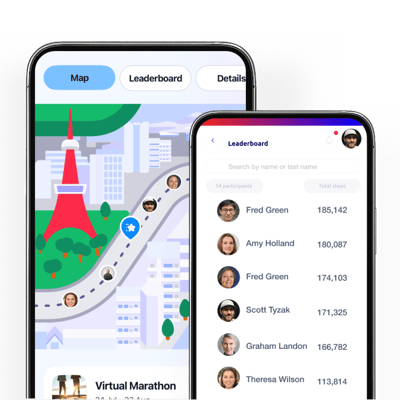
- Flexible Movement Challenges: Instead of rigid, time-bound competitions, offer ongoing challenges where employees can track their steps, activity minutes, or healthy habits on their own schedule. This could involve virtual team challenges or individual goal setting with small rewards.
- Ergonomic Support for Home Offices: Provide resources and checklists for employees to optimize their home workspace for comfort and health, potentially offering stipends for ergonomic equipment.
- Wellness Webinars: Host short, accessible webinars on topics like healthy eating, sleep hygiene, or injury prevention, recorded for those who cannot attend live.
Enhancing Mental and Emotional Resilience
- Mindfulness and Meditation Resources: Offer subscriptions to meditation apps or provide guided mindfulness sessions, either live or on-demand.
- Manager Training on Mental Health First Aid: Equip managers with the skills to recognize signs of distress in their team members and guide them to appropriate support resources.
- Encouraging and Normalizing Breaks: Actively promote the importance of taking regular breaks throughout the workday and encourage managers to model this behavior.
Fostering Social Connection
- Virtual Coffee Breaks and Social Hours: Facilitate informal online gatherings where employees can chat about non-work-related topics.
- Interest-Based Online Groups: Create channels or forums for employees to connect over shared hobbies and interests, such as book clubs, gaming groups, or photography enthusiasts.
- Team-Building Activities with a Purpose: Organize virtual team-building events that focus on collaboration and fun, perhaps with a charitable component.
Strengthening Financial Wellbeing
- Budgeting and Financial Planning Workshops: Partner with financial experts to offer practical workshops on budgeting, saving, investing, and debt management.
- Access to Financial Advisors: Provide employees with opportunities to schedule confidential consultations with financial advisors.
- Information Hub for Benefits: Create a centralized, easy-to-understand resource that clearly outlines all available company benefits and how employees can utilize them.
Building a Sustainable Year-Round Wellbeing Calendar
A well-structured wellbeing calendar can transform sporadic initiatives into a consistent and integrated part of the employee experience. This approach helps in planning ahead, disseminating valuable resources, and preventing wellbeing efforts from being confined to isolated campaigns. The calendar doesn’t need to be packed with events every month; a few carefully chosen themes, coupled with regular reminders about available support, can provide employees with ongoing engagement opportunities throughout the year.
The process begins with identifying themes that align with employee needs and organizational priorities. These themes can be seasonal, tied to relevant awareness days (e.g., Mental Health Awareness Month), or focus on practical subjects like rest, movement, connection, and financial health. It is crucial to treat these themes as prompts for exploration rather than mandatory activities, recognizing the diverse interests and circumstances of employees.

For each theme, select a manageable activity or resource. This could be a concise learning session, an optional team activity, a helpful wellbeing tip, or a reminder about existing benefits. The calendar should incorporate a variety of participation methods, including options that employees can access asynchronously, catering to different work styles and time zones.
Effective communication is integral to the success of the calendar. Clearly articulate what activities are happening, why they are beneficial, and how employees can participate. Encourage managers to actively promote these resources and guide their teams toward them, while consistently emphasizing that participation is voluntary and should not add pressure.
Finally, continuous review and adaptation are essential. Regularly solicit feedback from employees on what they found helpful, observe which activities garner the most attention, and adjust plans accordingly. This iterative approach ensures that the wellbeing calendar remains relevant, engaging, and impactful over time.
Measuring the Impact: Quantifying Wellbeing’s Value

Measuring the effectiveness of an employee wellbeing program is crucial for demonstrating its value and identifying areas for improvement. While complex dashboards are not always necessary, selecting a few key metrics that align with your program’s goals and consistently tracking them can provide valuable insights.
Key indicators for measuring wellbeing program success can include:
- Participation Rates: Tracking how many employees engage with different initiatives can indicate their perceived value and accessibility.
- Employee Feedback and Satisfaction: Regular surveys, pulse checks, and focus groups can provide qualitative data on employee perceptions of the program’s usefulness and impact.
- Engagement Survey Results: Observing trends in employee engagement scores, particularly in areas related to support, belonging, and overall job satisfaction, can reflect the program’s influence.
- Utilization of Wellbeing Resources: Monitoring the uptake of EAP services, mental health resources, or financial advisory sessions can highlight areas of need and program effectiveness.
- Absenteeism and Retention Rates: While influenced by numerous factors, long-term trends in these metrics can provide contextual data on the program’s broader impact on employee health and commitment.
Establishing a baseline before implementing new initiatives and conducting follow-up assessments at regular intervals is essential for tracking progress. Transparently sharing findings with employees and explaining how their feedback will shape future program developments fosters a sense of co-ownership and continuous improvement.
Navigating Common Pitfalls in Employee Wellbeing Program Design

Even with the best intentions, wellbeing programs can sometimes miss their mark. Being aware of common missteps can help organizations design and implement more effective initiatives:
- Lack of Employee Input: Launching initiatives based on assumptions rather than understanding employee needs can lead to programs that are underutilized or irrelevant.
- A One-Size-Fits-All Approach: Failing to recognize the diversity of employee needs, schedules, and locations can alienate segments of the workforce. Offering a range of options, including asynchronous and private resources, is crucial.
- Creating Additional Burden: Overly prescriptive or compulsory activities can add pressure rather than alleviate it. Emphasizing optional participation and flexibility is key.
- Excluding Managers: Managers play a pivotal role in shaping employee experience. Failing to equip them with the knowledge and support to champion wellbeing can undermine program efforts.
- Poor Communication and Accessibility: A valuable resource is ineffective if employees are unaware of its existence or struggle to access it. Clear, consistent communication through multiple channels is essential.
- Measuring Activity, Not Impact: Focusing solely on attendance numbers without gathering feedback on usefulness provides an incomplete picture. Pairing participation data with qualitative insights is vital for program improvement.
Getting Started: An Actionable Wellbeing Program Plan
Embarking on the journey of building an employee wellbeing program doesn’t require a perfectly polished plan from the outset. The most effective approach is to start with a clear understanding of your employees’ needs, select a few impactful actions, and then build and refine the program based on what you learn.
Initial Steps:
- Conduct an Employee Needs Assessment: Utilize surveys, focus groups, or informal discussions to understand employees’ current wellbeing challenges, interests, and preferred support methods.
- Identify Core Wellbeing Pillars: Based on the needs assessment, determine which of the four pillars (physical, mental, social, financial) require the most immediate attention.
- Select Pilot Initiatives: Choose a few well-defined, manageable initiatives that address key needs and are feasible within your budget and resources.
- Develop a Communication Strategy: Plan how you will introduce the program, explain its benefits, and guide employees on how to participate.
- Establish Measurement Metrics: Define how you will track the success of your pilot initiatives, focusing on both participation and employee feedback.
- Pilot and Gather Feedback: Launch the chosen initiatives with a specific group or for a defined period, actively collecting feedback from participants.
- Analyze and Iterate: Review the data and feedback, identify what worked well and what could be improved, and adjust your program accordingly before a wider rollout.
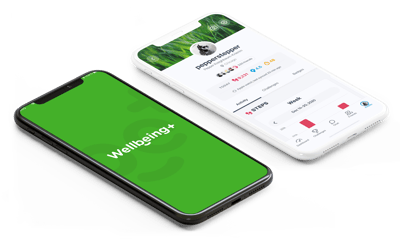
Reward Gateway, now part of Edenred, offers a comprehensive employee engagement platform designed to support HR teams in creating, communicating, and sustaining effective wellbeing initiatives. This platform aims to simplify access to relevant support for employees and streamline program management for HR departments, ensuring wellbeing remains visible and manageable.
Frequently Asked Questions about Employee Wellbeing Programs
Q: What are the most cost-effective employee wellbeing program ideas?
Cost-effective initiatives often focus on optimizing existing resources and fostering internal support. These include clearly communicating existing benefits, promoting flexible work practices, organizing low-cost activities like walking groups or peer connection sessions, and providing short, accessible learning modules. The most crucial step is to survey employees to understand what they would find most valuable before investing in new activities. Piloting ideas can also help gauge their effectiveness before a full-scale rollout.

Q: How do I measure the success of an employee wellbeing program?
Success measurement should align with your program’s specific goals. Key metrics can include participation rates, employee feedback and satisfaction scores from surveys, trends in engagement survey results, and the utilization of wellbeing resources like EAPs. While broader indicators like absenteeism and retention rates can offer contextual insights, it’s important to remember they are influenced by many factors. A holistic approach, considering multiple signals together, provides a more accurate picture of the program’s impact.
Q: What wellness program ideas work best for remote and hybrid teams?
For remote and hybrid teams, a flexible and diverse approach is essential. Virtual social events, online fitness challenges that allow for individual participation, and readily available digital wellbeing resources can foster connection and activity. Asynchronous content, such as recorded webinars or self-paced learning modules, is particularly valuable as it allows employees to engage according to their schedules and time zones. Regularly asking employees about their preferences for formats and activities is key to tailoring the program effectively.
Q: What are the benefits of using an employee engagement platform for wellness programs?
An employee engagement platform can serve as a central hub for employees to discover and access wellbeing resources, activities, and benefit information. It also empowers HR teams to effectively communicate initiatives, track engagement levels, and gain insights into program utilization. The platform enhances the accessibility and visibility of wellbeing support, making it easier for employees to find what they need and for HR to manage the program efficiently. However, it is crucial to remember that a platform is a tool to facilitate wellbeing; it should complement, not replace, genuine listening to employee needs and continuous improvement of support offerings.