
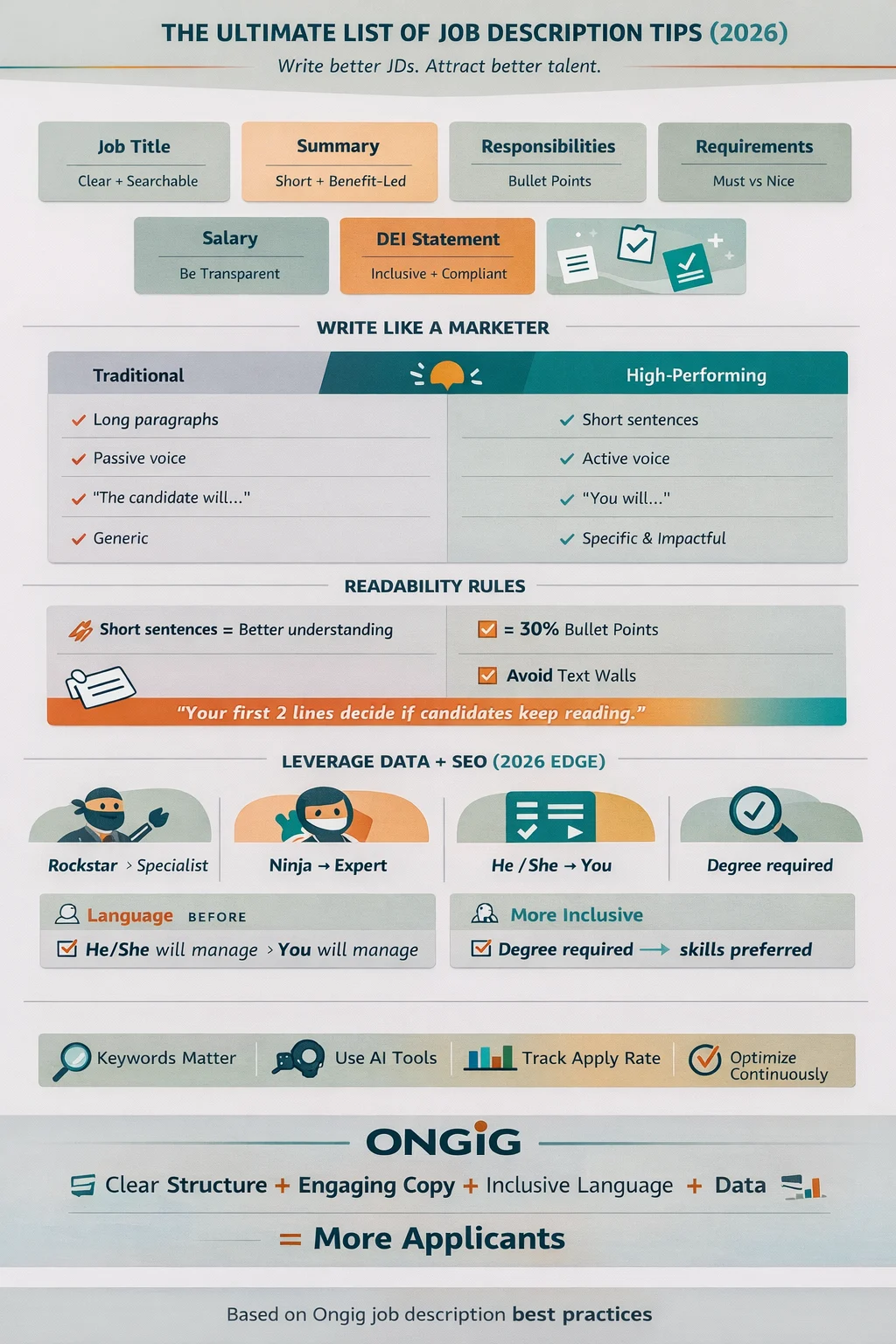
Finding the ideal candidates for any role begins long before an interview, rooted fundamentally in the quality of the job description (JD) itself. In today’s highly competitive and candidate-driven market, a well-crafted job description transcends a mere list of duties; it serves as a powerful marketing tool, a brand ambassador, and the initial touchpoint that either captivates or deters top-tier talent. Companies are increasingly recognizing that investing in the strategic development of their JDs is not just a best practice, but a critical imperative for attracting and encouraging the best applicants. This guide delves into essential strategies, leveraging industry insights and data, to elevate job descriptions from perfunctory documents to compelling invitations for exceptional professionals.
The Evolving Landscape of Talent Acquisition and the JD’s Pivotal Role
The journey of the job description has mirrored the evolution of the workplace itself. Historically, JDs were often internal documents, simple outlines used for organizational structure and performance reviews. With the advent of newspaper classifieds and later, the internet, they transformed into external advertisements. The rise of online job boards in the late 1990s and early 2000s, followed by professional networking platforms like LinkedIn, dramatically amplified their reach and importance. Today, in an era characterized by remote work flexibility, a heightened focus on diversity, equity, and inclusion (DEI), and a candidate-centric market, JDs are under unprecedented scrutiny. Job seekers no longer passively browse; they actively evaluate company culture, values, and the tangible benefits of a role, often forming their first impressions solely from the JD. This shift necessitates a strategic approach, moving beyond basic requirements to articulate a compelling employee value proposition.
Foundational Principles for Crafting Impactful Job Descriptions
To stand out in a crowded digital marketplace, JDs must adhere to fundamental principles that enhance readability, professionalism, and appeal.
Clarity and Consistency as Cornerstones:
A professional and trustworthy employer brand is built on consistency. When candidates review multiple postings from a single company, uniformity in presentation signals attention to detail and organizational maturity. This includes maintaining a consistent section order across all JDs. For instance, if an "About Us" section appears at the beginning of one posting, it should consistently occupy that position in all others. This predictable structure aids readability and fosters a sense of professionalism. Similarly, establishing and adhering to a single point of view (POV)—whether first-person ("we," "us"), second-person ("you"), or third-person—is crucial. Industry experts widely recommend the first or second person as they lend a more personal and engaging tone, making the role feel more accessible to the applicant. Inconsistent POVs can inadvertently project an image of sloppiness or a lack of internal coordination, eroding candidate confidence. Furthermore, boilerplate sections, such as company mission, benefits, and diversity statements, must feature identical copy across all JDs. This ensures brand messaging is unified and legally compliant, often requiring collaboration with legal and marketing teams to finalize approved text.
Brevity and Focus in Content:
In an age of information overload, attention spans are fleeting. Research consistently shows that candidates scan job descriptions rather than reading them word-for-word. A study by The Ladders, for example, revealed that the average candidate spends only 14 seconds reviewing a JD before deciding whether to apply. This underscores the critical need for brevity and conciseness. Every sentence must serve a purpose: to describe the role, outline essential requirements, or articulate why a candidate should want the job. Eliminating corporate jargon, buzzwords, and superfluous "mission speak" is paramount. Such filler dilutes the message and can confuse candidates, particularly those new to an industry or at entry-level positions. According to a Business in the Community (BITC) report, approximately 38% of job ads contain jargon, a barrier to diverse talent pools. A stringent editing process, where any line not directly contributing to the core message is removed, ensures the JD is direct, impactful, and respects the candidate’s time.
Strategic Content for Candidate Engagement
Beyond structural consistency, the substance of the JD must be strategically designed to engage and attract.
Compelling Job Titles:
The job title is often the first, and sometimes only, impression a candidate gets. It must be simple, searchable, and accurately reflect the role’s level and responsibilities. Avoid internal-facing titles or overly complex hierarchical designations (e.g., "Senior Widget Innovator III") that may not resonate with external candidates searching for standard roles like "Sales Apprentice" or "Software Engineer." Simplicity enhances search engine optimization (SEO) on job boards and makes it easier for candidates to locate relevant opportunities.
Salary Transparency and Benefits:
One of the most significant shifts in modern recruitment is the increasing demand for salary transparency. An Indeed survey highlights that nearly one in four job seekers considers compensation the most critical aspect of a job description. This demand is increasingly backed by legislation; currently, 16 U.S. states have enacted pay transparency laws, requiring employers to disclose salary ranges in job postings. While not always mandatory to state an exact figure, providing a salary range is a powerful attractor, signaling transparency and fairness. Beyond salary, explicitly flaunting company perks and benefits is equally vital. Comprehensive benefits packages—including paid vacation, monthly incentives, flexible work schedules, health and wellness programs, and professional development opportunities—can differentiate a company and provide compelling reasons for candidates to apply, addressing their holistic needs and aspirations.
Diversity, Equity, and Inclusion (DEI) at the Forefront:
To attract a broad and diverse talent pool, job descriptions must be consciously bias-free and inclusive. Bias, defined by The Oxford Dictionary as a "tendency to favour or dislike a person or thing, especially as a result of a preconceived opinion; partiality, prejudice," can inadvertently deter qualified candidates from underrepresented groups. Common biases include gendered language (e.g., "ninja," "rockstar," or excessive use of masculine pronouns), ageist terms, ableist language, or cultural biases. For example, studies by LinkedIn’s Gender Insights Report found that women apply to 20% fewer jobs than men and are 16% less likely to apply after viewing the same role, often due to perceived gendered language or requirements. Tools like Ongig Text Analyzer can help identify and suggest more inclusive alternatives. Beyond language, including a thoughtful and customized DEI statement—moving beyond the generic "equal opportunity employer" boilerplate from the 1964 Civil Rights Act—demonstrates genuine commitment to fostering an inclusive workplace culture. An empathetic, specific statement can resonate deeply with candidates seeking an environment where they feel valued and belong.
Skills-Based Hiring and Role Clarity:
The traditional emphasis on academic credentials and years of experience is giving way to a skills-first approach. NACE’s Job Outlook 2026 survey indicates that 70% of employers now utilize skills-based hiring, a significant increase from the previous year. This paradigm shift acknowledges that a bachelor’s degree or a specific number of years of experience may not always be a true proxy for a candidate’s ability to perform a job effectively. Instead, JDs should explicitly list the specific skills, competencies, and demonstrable abilities required for the role. Replacing "5 years of experience required" with a detailed list of what a candidate should be able to do (e.g., "Proficiency in Python for data analysis," "Ability to lead cross-functional project teams") broadens the talent pool. LinkedIn data supports this, reporting that a skills-first approach can lead to an average 9.4x increase in eligible workers across all jobs, significantly expanding the candidate pipeline and promoting more equitable hiring practices.
Leveraging Technology and Innovation for Enhanced Engagement
Modern job descriptions can go beyond static text, embracing technology to create a dynamic and interactive experience.
Interactive and Multimedia Elements:
Embedding visual elements like maps, videos, or infographics can dramatically enhance engagement. A map (e.g., via Google Maps API) provides immediate geographical context, preventing candidates from leaving the page to research location. Videos about the company culture, the team, or even a virtual office tour can provide an authentic glimpse into the work environment. High-quality photos or infographics can break up text, convey information quickly, and make the JD more visually appealing, helping companies stand out from competitors.
Real-time Communication and Transparency:
Interactivity can extend to direct communication. Integrating instant messaging, text, email options, or chatbots allows candidates to ask questions and receive immediate responses, fostering engagement and reducing friction in the application process. Moreover, transparency regarding the application process itself builds trust. Companies like Google excel in this, providing a dedicated "How We Hire" page that meticulously walks candidates through every stage, from resume submission to offer. Such transparency reduces candidate anxiety, manages expectations, and ultimately improves conversion rates by demystifying the hiring journey.
Clear Work Location Policies:
The post-pandemic work environment has underscored the importance of work location flexibility. Gallup research indicates that 6 in 10 employees with remote-capable jobs prefer a hybrid arrangement, with less than 10% desiring a fully on-site setup. Job descriptions must explicitly state whether a role is on-site, hybrid (specifying required office days), or fully remote (including any time zone or travel expectations). Vague statements like "flexible working options available" are often perceived as red flags, leading to candidate drop-off. Clear communication on this front is non-negotiable for attracting talent aligned with the company’s operational model.
Authentic Employee Testimonials:
Nothing validates a company’s culture and employee experience more powerfully than the voices of its own people. Including video testimonials or written quotes from current employees within the JD or linked from it provides authentic insights, builds credibility, and helps candidates envision themselves thriving within the organization. This human element significantly enhances the employer brand.
Operational Excellence: Automation and Quality Control
Managing numerous JDs, especially within larger organizations, requires streamlined processes and robust quality control.
Automating with Templates and Builder Tools:
For high-volume recruiting, using standardized templates is essential. Templates ensure consistency in formatting, branding, and core messaging, while also expediting the drafting process. Many HR tech platforms and job description builder tools (e.g., Ongig, Greenhouse, Workable) offer features that assist in writing effective, inclusive JDs, generating reusable templates, and maintaining a high standard of quality across all postings. These tools can integrate bias checkers and readability scores, further enhancing the JD’s effectiveness.
Addressing the Risks of AI-Generated JDs:
The increasing adoption of AI in recruiting, particularly for generating initial JD drafts, presents both opportunities and challenges. While AI can significantly speed up the writing process, it is not without risks. AI models can inadvertently perpetuate biases present in their training data, leading to gendered language, ageist assumptions, or the inclusion of irrelevant or overly stringent requirements not aligned with the actual role. Factual inaccuracies, generic content, or a lack of human nuance are also common pitfalls. Therefore, rigorous human review is non-negotiable for any AI-generated JD. Running AI-produced content through bias checkers and ensuring alignment with current hiring strategies and company values are crucial steps before publication. Some companies are even exploring disclosing when JDs are AI-assisted, though this is not yet a legal requirement in most markets.
Final Quality Assurance: Grammar, Spelling, and Readability:
Despite all strategic efforts, basic errors in grammar and spelling can undermine professionalism and credibility. Utilizing editing software like Grammarly is essential for catching such mistakes. Equally important is ensuring readability. Tools like Hemingway App can assess a text’s complexity, aiming for a readability score suitable for a broad audience (typically grade 8 or below for general public consumption). A well-written, error-free, and easily digestible JD reflects positively on the company and respects the candidate’s effort.
In conclusion, the job description has evolved from a simple administrative document into a strategic marketing asset critical for talent acquisition. In a competitive landscape where candidates hold increasing power, companies must treat their JDs as prime opportunities to showcase their employer brand, culture, and commitment to a diverse and inclusive workforce. By embracing clarity, consistency, transparency, technological enhancements, and a skills-first approach, organizations can craft JDs that not only attract but truly inspire the best talent to apply, forming the bedrock of a successful and sustainable hiring strategy.






