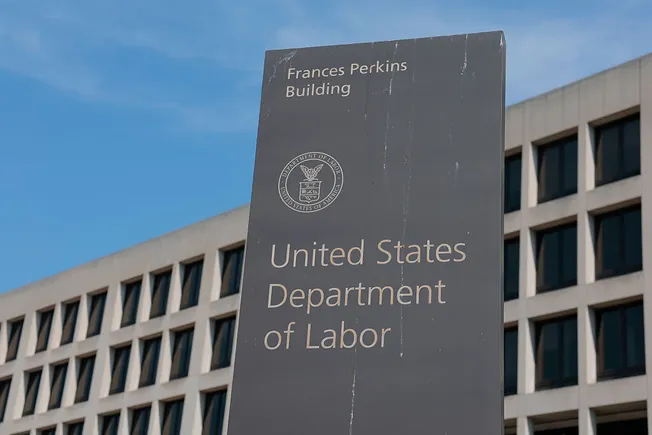
The U.S. Department of Labor (DOL) is on the cusp of finalizing a pivotal rule designed to compel Pharmacy Benefit Managers (PBMs), often described as enigmatic intermediaries within the complex pharmaceutical supply chain, to disclose comprehensive pricing and compensation data. This regulatory push has garnered overwhelming backing from a diverse coalition of stakeholders, including major employers, influential lawmakers, impassioned patient advocacy groups, and dedicated price transparency organizations, all of whom have urged the DOL to expedite the rule’s finalization. Conversely, the PBM industry has voiced strong opposition, framing the proposed regulation as an unwarranted governmental overreach, according to their detailed submissions during the recently concluded public input period.
This regulatory initiative, first proposed in January 2026, finds itself at the intersection of powerful economic forces: the healthcare purchasers, such as large corporations and employee benefit plans, who contract with PBMs to manage their prescription drug benefits, and the PBMs themselves. The growing chorus of criticism directed at PBM practices, coupled with the Trump administration’s broader strategic bet that enhanced price transparency will ultimately drive down healthcare costs, provides the overarching context for this contentious debate. The public comment period for the rule officially closed on a recent Wednesday, revealing a stark dichotomy in perspectives. While hundreds of comments advocated for the DOL to not only finalize the rule swiftly but also to broaden its scope to include more middlemen and mandate even more stringent information sharing, PBMs vehemently denounced it, asserting that recent industry-led transparency efforts and simplified business models render the proposed rule superfluous.
The Nexus of Scrutiny: Understanding Pharmacy Benefit Managers (PBMs)
To fully grasp the significance of the DOL’s proposed rule, it is crucial to understand the multifaceted role of Pharmacy Benefit Managers within the U.S. pharmaceutical ecosystem. PBMs are third-party administrators contracted by health insurance companies, large employers, and government programs (like Medicare Part D) to manage prescription drug benefits for their members. Their responsibilities are extensive, encompassing the negotiation of drug prices and rebates with pharmaceutical manufacturers, the establishment and management of pharmacy networks, the development of prescription drug formularies (lists of covered drugs), and the processing of claims.
PBMs position themselves as critical cost-savers, asserting that their negotiating power with drug manufacturers and pharmacies translates into significant discounts for their clients and, ultimately, for patients. They argue that without their intricate network management and bulk purchasing capabilities, drug costs would be substantially higher. Indeed, industry data from organizations like the Pharmaceutical Care Management Association (PCMA) often cite billions of dollars in annual savings attributed to PBM activities. For instance, the PBM industry managed over $400 billion in prescription drug spending in 2023, touching nearly every prescription filled in the U.S.
However, despite these claims, PBMs have become a focal point of intense scrutiny due to the opaque nature of their financial arrangements. Critics argue that the complex web of rebates, discounts, administrative fees, and spread pricing mechanisms makes it nearly impossible for clients—let alone patients—to ascertain the true cost of drugs or to determine whether their drug spending is genuinely optimized. This lack of transparency has fueled suspicions that PBMs often prioritize their own profits over the financial well-being of their clients and patients, especially as prescription drug costs continue to escalate for millions of Americans. For instance, reports from various consumer advocacy groups consistently highlight the burden of high out-of-pocket drug costs, even for insured individuals, prompting questions about where the savings negotiated by PBMs truly land. The "Big Three" PBMs—Cigna’s Express Scripts, CVS Health’s Caremark, and UnitedHealth Group’s Optum Rx—jointly command approximately 80% of all U.S. prescription volume, a market concentration that further exacerbates concerns about potential anti-competitive practices and a lack of accountability. This dominance has allowed them to exert considerable influence over drug access and pricing across the nation.
A Call for Clarity: The DOL’s Proposed Transparency Rule
The DOL’s proposed rule, formally titled "Improving Transparency into Pharmacy Benefit Manager Fee Disclosure," was introduced in January 2026 with the explicit objective of lifting the veil on PBM financial practices. The rule seeks to empower employers and health plans by providing them with unprecedented insight into the actual costs and remuneration involved in their prescription drug benefits. This initiative aligns with the DOL’s responsibilities under the Employee Retirement Income Security Act (ERISA), which mandates fiduciaries of employer-sponsored health plans to act solely in the interest of plan participants and beneficiaries. The department views PBMs as service providers to these ERISA plans, thus falling under its purview for oversight.
Specifically, the rule would mandate PBMs to disclose granular details about their compensation structures. This includes, but is not limited to:
- Rebates: The actual dollar amounts of rebates negotiated with drug manufacturers. Currently, PBMs often report only aggregated percentages or generalized figures, obscuring the specific financial benefits they derive from these manufacturer payments.
- Spread Pricing: Any profits generated from "spread pricing" arrangements, where PBMs charge the client (employer/plan) one price for a drug and reimburse the pharmacy a lower price, pocketing the "spread" as profit.
- Additional Payments: Any other payments recouped from pharmacies (e.g., direct and indirect remuneration (DIR) fees) or other entities related to an employer’s prescription drugs, which might not be clearly passed through or accounted for.
Crucially, the rule insists on the disclosure of actual dollar amounts, moving away from the vague percentages or methodological descriptions PBMs frequently provide. If finalized, this information would be furnished to clients both before a contract is signed, enabling more informed decision-making, and through semiannual reports, allowing for ongoing oversight. Furthermore, the rule would grant employers and plans the explicit right to audit these disclosures to verify their accuracy, a critical enforcement mechanism.
DOL officials have hailed the rule as a potential "game-changer" for drug benefit management. This sentiment was echoed by many of the approximately 560 comments submitted to the department. Taylor Hittle, Executive Director of the Partnership for Employer-Sponsored Coverage (PESC), an influential employer coalition, affirmed in a statement that the proposal represents "an important step toward exposing the opaque pricing practices that have driven up prescription drug costs for employers and workers." This widespread endorsement underscores the deep-seated frustration among purchasers regarding the current lack of transparency, especially as employers grapple with double-digit increases in prescription drug spending year after year.
Unprecedented Support: A Unified Front for Transparency
The sheer breadth and depth of support for the DOL’s proposed rule are remarkable, highlighting a rare convergence of interests across the healthcare landscape. Beyond employers like those represented by PESC, numerous other powerful entities have thrown their weight behind the initiative, often advocating for even more robust measures.
Leading Democratic congressmen, including Reps. Bobby Scott (D-Va.) and Mark DeSaulnier (D-Calif.), both holding leadership positions in the House Committee on Education and Workforce, have submitted comments urging the DOL to quickly finalize the rule, noting its potential to be "substantially different from, and in certain ways stronger than" existing reporting obligations. Their involvement signals a bipartisan legislative interest in PBM reform, building on years of congressional hearings and investigations into PBM practices.
Patient advocacy groups, such as those representing individuals with chronic conditions or cancer, have consistently highlighted the human cost of inflated drug prices. Organizations like the Community Oncology Alliance (COA) and various HIV/Hepatitis patient groups have submitted comments, underscoring how PBM practices directly impact patient access to essential medications and financial burdens. They argue that transparency is a prerequisite for accountability and affordability, especially when 1 in 4 Americans report difficulty affording their prescription drugs.
Price transparency groups, long at the forefront of advocating for clear healthcare pricing, have naturally championed the DOL’s efforts. Groups like PatientRightsAdvocate.org have called for the rule to be expanded and strengthened, recognizing its potential to set a precedent for transparency across the broader healthcare sector. State financial officers have also weighed in, highlighting the impact of PBM practices on state budgets and public employee health plans. Even law enforcement officers, through associations like the National Association of Police Organizations (NAPO), have supported the rule, emphasizing the need to ensure responsible use of funds allocated for their members’ healthcare benefits, which are often funded by taxpayer dollars.
Perhaps one of the most significant endorsements came from a bipartisan coalition of 45 state attorneys general. In a joint letter, they not only urged the DOL to ensure PBMs cannot circumvent transparency reforms by citing existing laws but also offered their assistance to the federal government in enforcing the rule if necessary. This collective stance from state legal officers underscores the perceived urgency and widespread concern regarding PBM practices, reflecting the fact that all 50 states have already enacted various laws attempting to rein in PBMs due to a lack of comprehensive federal action. These state-level initiatives, often focused on specific issues like spread pricing or network access, demonstrate a consistent demand for greater oversight and provide a powerful backdrop to the federal initiative.
Pushing for More: Gaps and Recommendations
While celebrating the DOL’s initiative, many commenters, even those strongly in favor, identified perceived gaps and recommended areas for expansion, illustrating the depth of desire for comprehensive reform.
One critical area of concern revolves around Group Purchasing Organizations (GPOs). The proposed rule would require PBMs to disclose rebates received from drugmakers and GPOs. However, commenters pointed out that major GPOs are often subsidiaries of the "Big Three" PBMs themselves (e.g., CVS Caremark, Express Scripts, Optum Rx). This vertical integration raises questions about whether GPOs are truly passing all rebates through to the PBMs, or if the parent companies retain a portion of these rebate dollars, effectively obscuring the full extent of financial benefits. PESC, for instance, explicitly recommended that DOL clarify that disclosure requirements apply to all PBM-controlled entities, including these GPOs, to prevent potential loopholes and ensure a holistic view of financial flows.
Another significant limitation highlighted by numerous stakeholders is the rule’s current scope, which applies only to self-insured group health plans. In these plans, employers directly bear the financial risk of providing healthcare benefits. The rule would not extend to fully insured group plans, where PBM services are bundled with the insurance product itself, leaving a large segment of the market unaddressed. PESC strongly argued against this exclusion, stating that "excluding fully insured group coverage would leave a substantial portion of the employer market without the transparency necessary to evaluate whether PBM-driven costs are reasonable." They contended that employers purchasing insured products should not be forced to accept "blind pricing" in one segment of the market while greater transparency is mandated in another. This sentiment was echoed by congressmen, patient advocates, and state attorneys general alike, all urging the DOL to apply the transparency framework broadly to fully-insured plans to ensure equitable protection.
Beyond PBMs and GPOs, some commenters advocated for the expansion of disclosure requirements to other "middlemen" within the pharmaceutical supply chain, such as third-party administrators (TPAs) and claims repricers. The rationale is that true transparency requires shedding light on all entities that profit from drug transactions, not just the primary PBM. This broader perspective underscores the complexity of the drug supply chain and the difficulty in isolating the impact of any single actor, making comprehensive disclosure crucial for genuine reform.
**Industry Resistance: