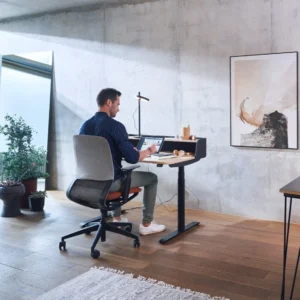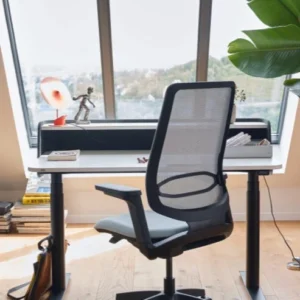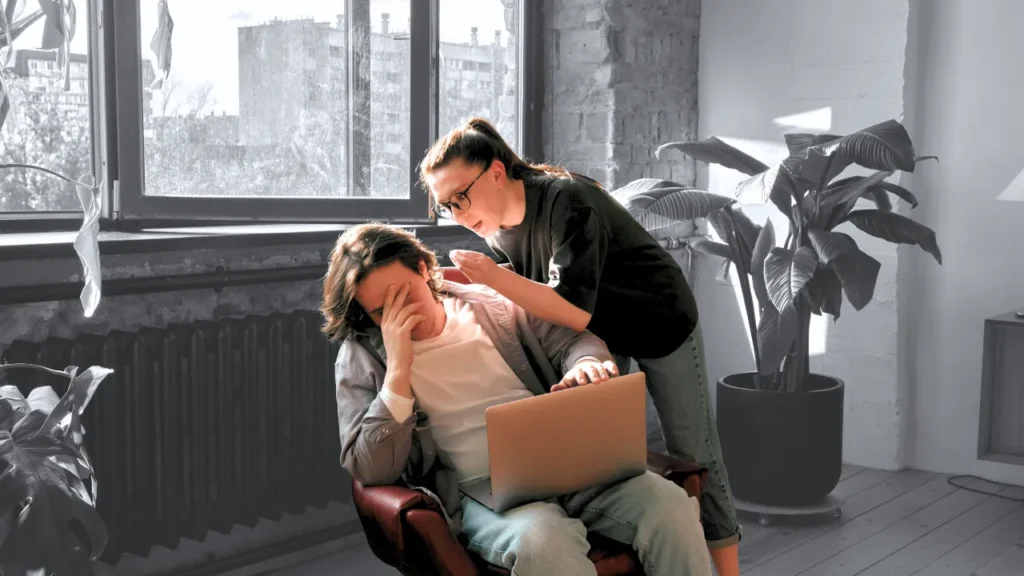
The ubiquitous open-plan office, a staple of modern corporate design intended to foster collaboration and trim real estate expenses, is now facing critical scrutiny. Emerging research is questioning the long-held assumptions about its benefits, specifically investigating the consequences of placing employees in a state of perpetual proximity without adequate environmental control. A comprehensive study published by Springer Nature reveals a significant and concerning trend: employees working in traditional open-plan offices are at a substantially higher risk of experiencing workplace bullying compared to their counterparts in private offices or smaller shared workspaces. This heightened risk persists even after controlling for individual personality traits, demographic factors, and remote work patterns, suggesting that the architectural layout itself plays a crucial role in shaping workplace dynamics and fostering negative social behaviors.
The findings underscore a critical shift in understanding workplace design, moving the focus from mere occupant numbers to the inherent structure of the environment and its direct impact on employee well-being and interpersonal interactions. This research challenges the prevailing narrative that proximity automatically equates to enhanced teamwork, instead highlighting the potential downsides of constant visibility and limited personal space.
The Evolving Landscape of Office Design and Its Unintended Consequences
For decades, the open-plan office has been championed as the vanguard of modern work culture. Its adoption accelerated through the late 20th and early 21st centuries, driven by a confluence of factors: a desire for a more egalitarian and collaborative atmosphere, the perceived efficiency gains from shared resources, and, crucially, the significant cost savings associated with reducing individual office footprints. Companies embraced this model as a symbol of transparency and innovation, believing it would break down hierarchical barriers and spark spontaneous idea generation. However, this widespread implementation has gradually revealed a more complex reality.
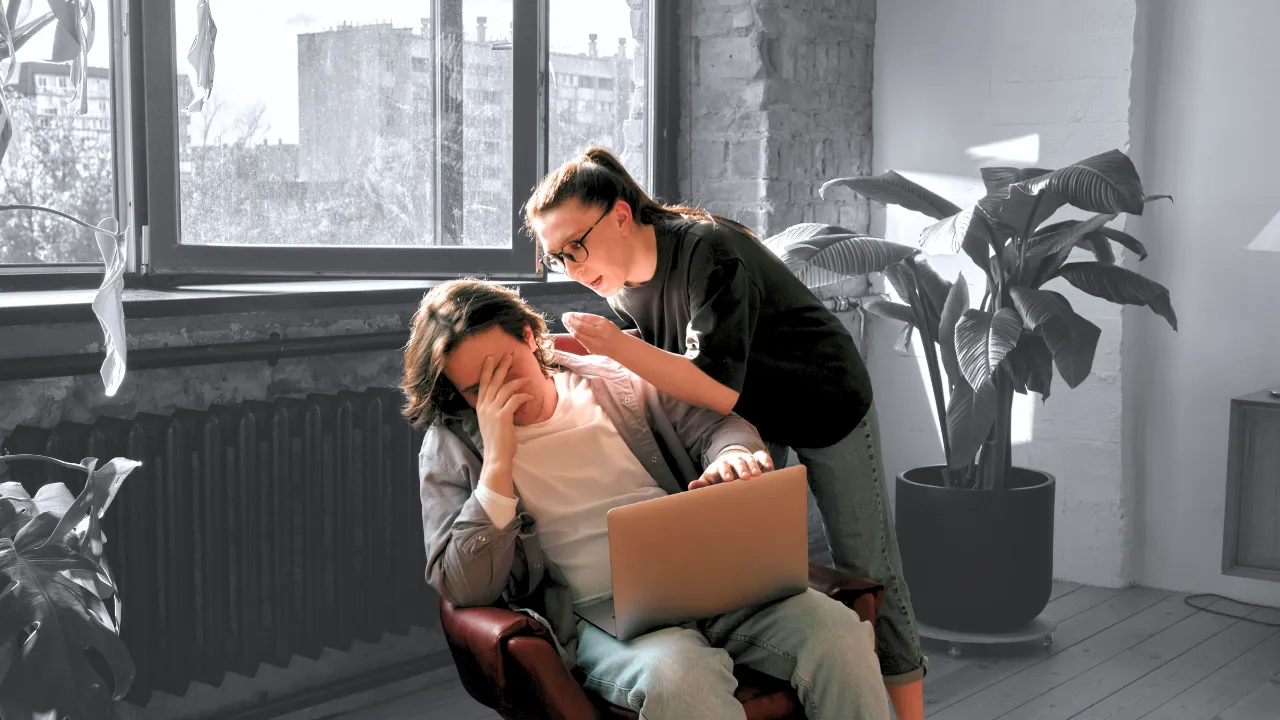
The Springer Nature study, which analyzed data meticulously gathered and controlled for various confounding variables, provides empirical evidence for what many employees have anecdotally experienced. The core of the issue, according to the research, lies not solely with the individuals within the space, but with the very architecture that dictates their daily interactions. The research paper, accessible via Springer Nature’s extensive academic database, highlights the nuanced differences between various open-plan configurations, differentiating between traditional, fixed-desk environments and more dynamic, activity-based models.
Traditional Open Offices: A Breeding Ground for Conflict?
The study specifically identifies traditional open offices – characterized by large, shared spaces, assigned desks, and minimal physical barriers between workstations – as the primary locus of the increased bullying risk. In these environments, employees not only face a greater likelihood of negative social interactions but also report lower levels of job satisfaction and a higher propensity to seek alternative employment. This indicates a systemic issue where the physical environment directly contributes to a toxic workplace culture, leading to disengagement and turnover.
The constant visibility inherent in these layouts means that colleagues are privy to a wide range of personal and professional behaviors. Conversations are easily overheard, screens are readily visible, and even subtle cues like body language or working habits become subjects of observation. This pervasive exposure, the study suggests, can amplify minor disagreements and create a fertile ground for judgment and criticism. When coupled with the inability to retreat to a private space or create physical distance from colleagues, these situations can escalate into more serious interpersonal friction.
The research further posits that workplace bullying often follows a gradual trajectory, beginning with a series of negative interactions that, over time, can intensify. In traditional open offices, the lack of an immediate "escape" mechanism – the ability to step away and decompress in a private setting – can accelerate this process. The constant proximity means that individuals are perpetually within the orbit of potential conflict, with limited opportunities to diffuse tension.

Activity-Based Offices: A More Flexible Approach
In contrast to the traditional model, activity-based offices present a different scenario. These layouts offer employees a variety of specialized zones tailored to different tasks, such as quiet areas for focused work, collaborative hubs for team discussions, and private rooms for confidential meetings or personal calls. The Springer Nature study found that these more flexible and adaptable environments do not exhibit the same elevated risk of bullying.
The key differentiator, according to the research, is the element of control and choice. When employees have the agency to select their workspace based on their current needs and to move between different environments throughout the day, they gain a crucial degree of autonomy. This flexibility allows individuals to manage their sensory input, avoid overstimulation, and create necessary personal space, thereby mitigating the build-up of tension and reducing the likelihood of negative interactions. The ability to "opt-out" of constant social engagement or to find a serene corner for focused work is a powerful buffer against the stresses that can contribute to workplace friction.
The Psychological Toll of Constant Visibility and Interruption
The implications of constant visibility in open offices extend beyond interpersonal dynamics, impacting psychological well-being and productivity. The research highlights how the lack of privacy in these settings can lead to increased stress and reduced job satisfaction. The constant awareness of colleagues’ activities, conversations, and even their screens can create a sense of being perpetually scrutinized, even when no direct interaction is occurring. This can lead to heightened anxiety and a feeling of being unable to truly disengage from work.
Furthermore, open offices are inherently prone to distractions. The ambient noise, particularly from conversations, can significantly disrupt concentration. Frequent interruptions, whether direct requests or the mere visual disruption of colleagues moving around, break workflow and necessitate mental re-tasking, which is known to decrease efficiency and increase errors. A 2023 report by Microsoft, for instance, indicated that a significant majority of workers experience interruptions that hinder their ability to perform effectively, a problem exacerbated by the inherent nature of open-plan layouts. This persistent low-level stress, stemming from a lack of privacy and continuous disruptions, can over time manifest as irritation, miscommunication, and strained relationships among colleagues.

This aligns with established research linking open offices to higher stress levels and increased absenteeism. The Springer Nature study builds upon this foundation by drawing a direct correlation between these environmental stressors and the escalation of negative social behaviors, including bullying.
The Myth of Enhanced Collaboration in Open Offices
One of the foundational arguments for the adoption of open-plan offices was the belief that increased physical proximity would naturally lead to more spontaneous collaboration and communication. However, the research suggests that this outcome is far from guaranteed, and in many cases, the opposite occurs. Employees, in an effort to reclaim focus and manage the constant barrage of stimuli, develop coping mechanisms that can paradoxically reduce face-to-face interaction. These include wearing headphones, minimizing conversations, and migrating communication to digital platforms, even when seated mere feet apart.
When direct, in-person communication declines, even minor misunderstandings are less likely to be resolved quickly and effectively. This creates a vacuum where assumptions can fester, tensions can linger, and small disagreements can escalate into more significant interpersonal conflicts. The intended outcome of enhanced collaboration is thus undermined, replaced by a more isolated and potentially more friction-filled work environment.
Strategic Implications for Workplace Design and Culture
The rapid expansion of open-plan offices was largely driven by the pursuit of cost efficiencies and the adaptation to evolving work styles, particularly the rise of hybrid models. While hybrid work has altered the frequency with which employees occupy these spaces, the underlying architectural designs often remain unchanged. Simultaneously, employee expectations have evolved significantly. Workers are increasingly aware of how their physical environment impacts their focus, stress levels, and overall well-being, making the design of the workspace a critical factor in employee experience and retention.
The findings from the Springer Nature research place office design squarely within the realm of strategic workplace management, directly influencing conversations around workplace culture, risk mitigation, and employee well-being. Issues such as bullying, high turnover rates, and low job satisfaction are no longer viewed solely as management or HR challenges but are intrinsically linked to the physical organization of work.
Rethinking the Future of Office Spaces
In response to these evolving understandings, companies are increasingly experimenting with alternative office formats. These often involve incorporating a greater variety of spaces, such as dedicated quiet zones, private meeting rooms, and flexible seating arrangements that allow employees to move and adapt their environment throughout the day.
Activity-based office models, as highlighted by the study, represent one promising avenue. By empowering employees with greater choice and control over their workspace, these designs can help alleviate the pressure points associated with traditional open layouts. The research strongly suggests that flexibility and autonomy are key to fostering a healthier and more productive work environment.
It is crucial to acknowledge that design alone cannot dictate behavior. However, it undeniably shapes the conditions under which behavior develops and unfolds. As organizations continue to re-evaluate the purpose and function of the physical office, the focus is shifting beyond mere metrics of density and cost. The fundamental structure of the workspace is now recognized as an integral component of how companies manage performance, retain talent, and prioritize employee well-being.

Ultimately, office design has transcended its traditional role in space planning. It is now a critical element in setting the tone for workplace communication, conflict resolution, and the daily interactions that define the employee experience. By acknowledging the profound impact of physical environments, businesses can move towards creating workspaces that not only support operational efficiency but also foster a more positive, respectful, and ultimately, more productive workplace for all. The ongoing dialogue about the future of work necessitates a deeper integration of human-centric design principles, ensuring that office spaces actively contribute to a thriving and supportive organizational culture.