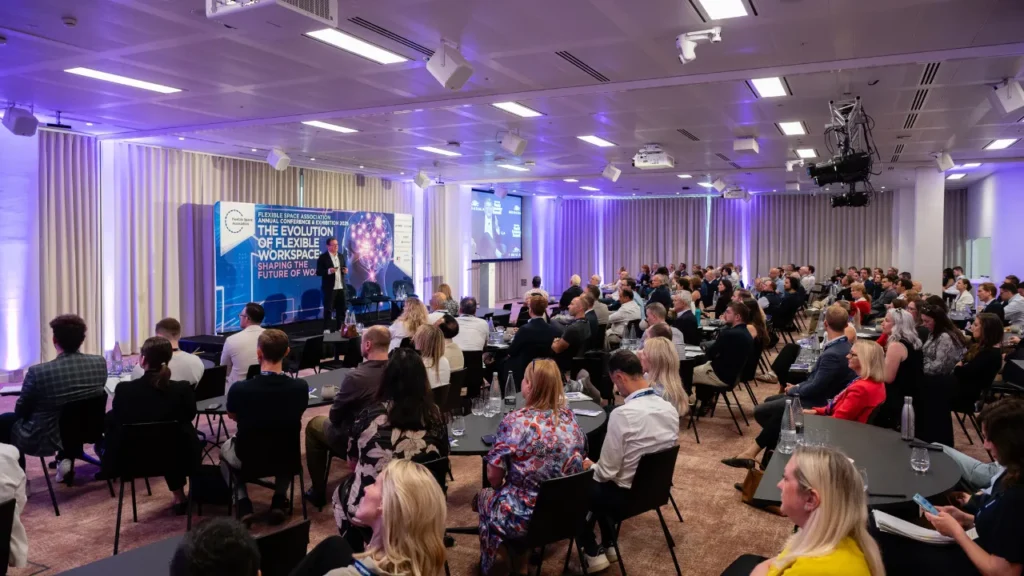
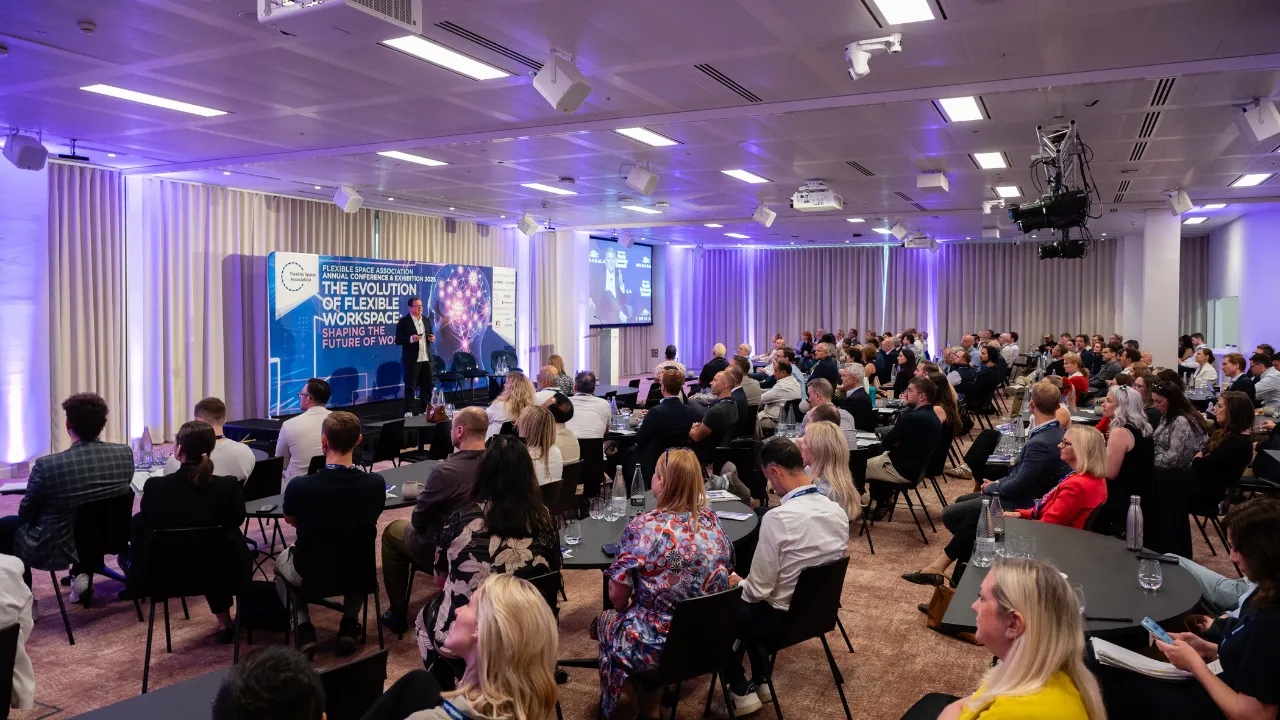
London, 23rd April 2026 – The Flexible Space Association (FlexSA) Annual Conference & Exhibition 2026 is set to feature a significant address from a representative of the HMRC Valuation Office, underscoring the critical importance of business rates to the burgeoning flexible workspace sector. Scheduled for Tuesday, 12th May, at Convene, 200 Aldersgate, London, the event will convene senior industry leaders, operators, landlords, and service providers to deliberate on the evolving landscape of flexible working. The inclusion of the Valuation Office signifies a pivotal moment for the industry, offering a direct platform to discuss the ramifications of business rate changes and their impact on the operational viability and growth of serviced offices and coworking spaces.
The conference, themed "Rethinking flex: Resilience, innovation and the evolution of workspace," aims to provide a comprehensive overview of the challenges and opportunities facing the flexible workspace market. Beyond the immediate fiscal concerns, the agenda is robust, promising in-depth discussions on innovation, career development, and the future trajectory of the sector. This strategic focus reflects the dynamic nature of the flexible workspace industry, which has experienced significant transformation in recent years, accelerated by shifts in working patterns and economic pressures.
Jane Sartin, Executive Director at FlexSA, highlighted the paramount importance of the business rates discussion. "Business rates remain one of the biggest concerns for flexible workspace operators," Sartin stated. "Hearing directly from the Valuation Office at FlexSA is incredibly valuable for our members. The conference programme is diverse in the topics it covers, but all sessions will be invaluable for everyone working in or alongside the flex sector." This sentiment underscores the industry’s collective anxiety and anticipation regarding potential policy adjustments and their financial implications. The inclusion of the Valuation Office representative is therefore not merely symbolic but represents a crucial opportunity for dialogue and potential clarification on a matter that directly affects the profitability and sustainability of flexible workspace providers across the UK.
The impact of business rates on flexible workspace operators is multifaceted. As a significant overhead, these rates can directly influence pricing structures, expansion plans, and the overall competitiveness of providers. For serviced offices, which often operate on a per-desk or per-office basis, fluctuations in business rates can necessitate rapid adjustments to their business models, potentially impacting their ability to offer affordable and flexible solutions to a diverse client base. The Valuation Office’s role in assessing and valuing commercial properties for business rates purposes makes its participation in this conference particularly significant. Industry leaders will be keen to understand the Valuation Office’s perspective on the unique operational characteristics of flexible workspaces and how these are factored into rateable valuations.
A Deep Dive into the Flexible Workspace Landscape
The conference agenda is meticulously crafted to address a broad spectrum of issues pertinent to the flexible workspace ecosystem. Co-hosted by Freddie Fforde, Founder of Patch, and Natalie Lovett, VP and General Manager U.K. & Ireland at WeWork, the event promises a dynamic and engaging experience. The overarching theme, "Rethinking flex: Resilience, innovation and the evolution of workspace," signals a forward-looking approach, acknowledging the need for adaptation in a constantly shifting market.

A key session will feature an "in conversation" segment between Tim Burke, Editor of Estates Gazette, and Charlie Green, CEO of Workspace Group. This discussion is expected to delve into the current outlook for the UK flexible workspace market, offering insights into strategic directions and future growth prospects. Charlie Green’s perspective will be particularly sought after, given his recent appointment at Workspace Group and his extensive prior experience as Co-Founder and Co-CEO of The Office Group (now Fora). His journey with The Office Group, which he scaled into a leading flexible workspace enterprise over two decades, provides a wealth of knowledge on navigating market challenges and capitalizing on emerging opportunities. This segment is anticipated to offer valuable lessons in leadership, market positioning, and long-term strategic planning within the flexible workspace sector.
Addressing the Talent Pipeline: Flex Generation Initiative
Beyond commercial and policy considerations, the conference places a strong emphasis on people and progression within the sector. FlexSA’s "Flex Generation" initiative will be a central focus, with a dedicated panel session titled "Flex generation: Career path and perspectives on working in flex." This session will explore how current economic pressures, including the impact of business rates, are influencing recruitment, retention, and career development within the rapidly expanding flexible workspace industry.
The panel is expected to feature a diverse group of individuals representing various facets of the flexible workspace workforce. While specific names were not detailed in the initial announcement, the discussion is poised to shed light on the challenges faced by emerging talent and the strategies being employed by companies to foster a sustainable and attractive career path. In an industry that relies heavily on skilled professionals for operations, client relations, and business development, understanding and addressing the needs of the workforce is crucial for continued growth and innovation. The session aims to provide actionable insights for operators looking to build and retain high-performing teams, and for individuals considering a career in this dynamic field.

Innovation and Experience in a Changing Market
The conference program also includes forward-thinking sessions on the integration of technology and the value of seasoned experience. The session "AI in flex: practical steps for strategic expansion" will likely explore how artificial intelligence can be leveraged to optimize space utilization, enhance customer experience, and streamline operational processes. As the flexible workspace sector matures, the adoption of advanced technologies is becoming increasingly critical for maintaining a competitive edge.
Furthermore, the session "What experience teaches in the ever-changing flex market" will bring together seasoned industry veterans to share their accumulated wisdom. Alan Pepper, CEO of Orega, Andrew Butler, Commercial Director of FigFlex, and Andrea Kolokasi, FlexSA board chair and head of business development at Workspace Group, are slated to share their insights. With decades of collective experience, these leaders will undoubtedly offer valuable perspectives on navigating market volatility, fostering resilience, and achieving success amidst challenging economic conditions. Their discussions are expected to provide practical strategies and cautionary tales, drawing from their extensive careers in the flexible workspace arena.
Sartin reiterated the conference’s commitment to relevance and impact. "The FlexSA Conference brings together exactly the conversations our sector needs right now," she remarked. "From hearing directly from the Valuation Office on business rates, to learning from the CEOs of some of the UK’s largest workspace operators, alongside the energy and innovation represented by Flex Generation, this year’s programme is designed to reflect both the realities and the future of flexible workspace." This comprehensive approach ensures that attendees will gain a holistic understanding of the industry’s current state and future potential.

Background and Context of the Flexible Space Association
The Flexible Space Association (FlexSA) serves as the primary voice and professional trade body for the flexible workspace industry in the United Kingdom. Its mission is to support, promote, and represent this dynamic and growing sector. FlexSA’s membership is diverse, encompassing operators of serviced offices, managed offices, coworking spaces, business centers, workshop units, and virtual office providers. Additionally, the association includes a broad array of service providers who offer essential goods and expertise to the flexible workspace industry, ranging from technology solutions and furniture suppliers to recruitment agencies and consultancy firms.
The flexible workspace industry plays an integral role in the broader UK economy. By providing adaptable and scalable office solutions, it empowers businesses of all sizes to grow at a pace that suits their individual needs and market conditions. This flexibility fosters entrepreneurship, drives innovation, and supports economic growth by lowering barriers to entry for startups and providing agile solutions for established companies seeking to expand or restructure their operations. FlexSA actively advocates on behalf of the industry, working to create an environment conducive to its continued success and development. The association also serves as a crucial platform for its members, facilitating the exchange of information, best practices, and networking opportunities.
The upcoming conference, therefore, represents a significant event in the calendar of the UK flexible workspace industry. It is an opportunity for stakeholders to collectively address critical issues, share knowledge, and forge strategies that will shape the future of work and the built environment that supports it. The presence of the HMRC Valuation Office is a testament to the industry’s growing influence and its direct impact on fiscal policy considerations. As the sector continues to evolve, events like the FlexSA Annual Conference & Exhibition are indispensable for fostering collaboration, driving innovation, and ensuring the sustained prosperity of flexible workspaces across the nation. The discussions planned for May 12th are poised to provide clarity, foster dialogue, and lay the groundwork for future resilience and growth within this vital sector of the UK economy.