A well-designed employee rewards and recognition program transcends mere employee satisfaction; it serves as a strategic imperative for organizations navigating the complexities of scaling teams and managing diverse workforces. Such programs offer a tangible pathway to cultivating robust employee engagement, driving enhanced performance, and significantly improving retention rates amidst escalating operational demands. However, the efficacy of these initiatives is not universally guaranteed. The critical differentiator between programs that are merely conceptual and those that yield demonstrable results lies in the intentionality and frequency of recognition delivery.
Recent findings from the State of Recognition Report underscore a compelling correlation: employees who receive recognition on a weekly basis are 2.6 times more likely to perform at their peak. This data points to a straightforward conclusion: recognition is most potent when it is frequent, imbued with genuine meaning, and explicitly linked to the behaviors that organizational leadership aims to foster and amplify. This guide delves into the core components of truly effective recognition, explores successful reward strategies alongside those that fall short, and offers practical insights for embedding appreciation into the very fabric of the workplace culture, transforming it from an occasional gesture into an ingrained habit.
At its fundamental level, an employee rewards and recognition program is a structured framework designed to acknowledge and reinforce exceptional work. It serves to validate employee contributions, encompassing both significant achievements and consistent daily efforts, and pairs this acknowledgment with meaningful incentives. Modern programs are typically delivered through systematic, scalable platforms, providing organizations with a consistent mechanism for recognizing excellence today while simultaneously supporting future growth and increasing operational complexity. This approach ensures that recognition is visible across teams, reinforcing shared organizational values. Rewards, often points-based, offer employees flexibility while providing HR leaders with budgetary control and operational simplicity, a model that proves effective for mid-market entities and global corporations alike. The overarching strategic objective is clear: to elevate morale, encourage high performance, and enhance employee retention.
When executed with precision, employee recognition does more than simply make individuals feel good; it actively influences engagement, productivity, and retention metrics. The positive news is that establishing a high-impact recognition program does not necessitate extensive enterprise-level resources. Instead, it requires a well-defined structure, clearly articulated objectives, and an unwavering commitment to consistent appreciation as the organization expands.
Real-World Recognition: Demonstrating Employee Value
Effective employee recognition need not be elaborate; its sincerity is paramount. The most impactful approaches are timely, meaningful, and directly connected to an employee’s contributions. Organizations can implement a variety of practical and proven methods to recognize and reward their workforce:
Work Anniversaries with Genuine Impact
While a perfunctory "Congratulations on five years!" offers a basic acknowledgment, personalized messages, public commendations, or thoughtful gifts demonstrate a deeper appreciation for an employee’s tenure and commitment. Celebrating service milestones, from the first year to the tenth and beyond, reinforces loyalty and assures employees they are valued for their enduring contributions.
Employee Appreciation Events That Go Beyond the Ordinary
Organizing team lunches, virtual celebrations, or company-wide appreciation events provides dedicated opportunities to recognize employees without the constraints of a packed meeting agenda. These occasions allow organizations to pause, express gratitude, and foster stronger connections among team members. The inclusion of celebratory elements, such as shared meals or desserts, can further enhance the positive atmosphere.
Achievement Recognition to Reinforce Desired Behaviors
Publicly acknowledging accomplishments, such as the successful completion of a major project, attainment of a performance target, or navigating a challenging deadline, helps to reinforce the behaviors that align with organizational goals. Recognition shared in team meetings, through formal awards programs, or via internal communication platforms makes successes visible and encourages their replication.
Employee Spotlights for Consistent Appreciation
Implementing weekly or monthly employee spotlights offers a straightforward method for regularly recognizing individuals, extending beyond significant milestones. A brief feature in a company newsletter or a public acknowledgment on collaborative platforms like Slack ensures employees feel seen and provides tangible examples of exemplary work for others to emulate.

The Distinction Between Recognition and Rewards
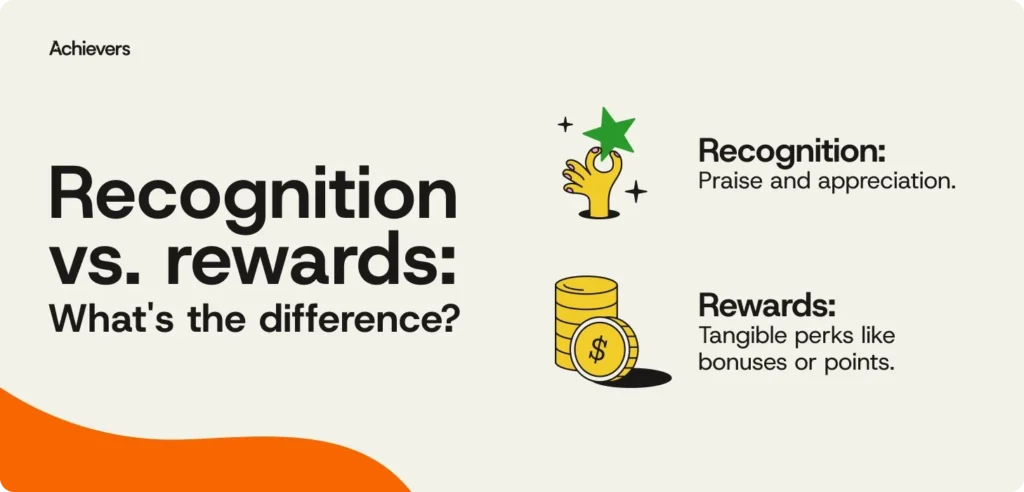
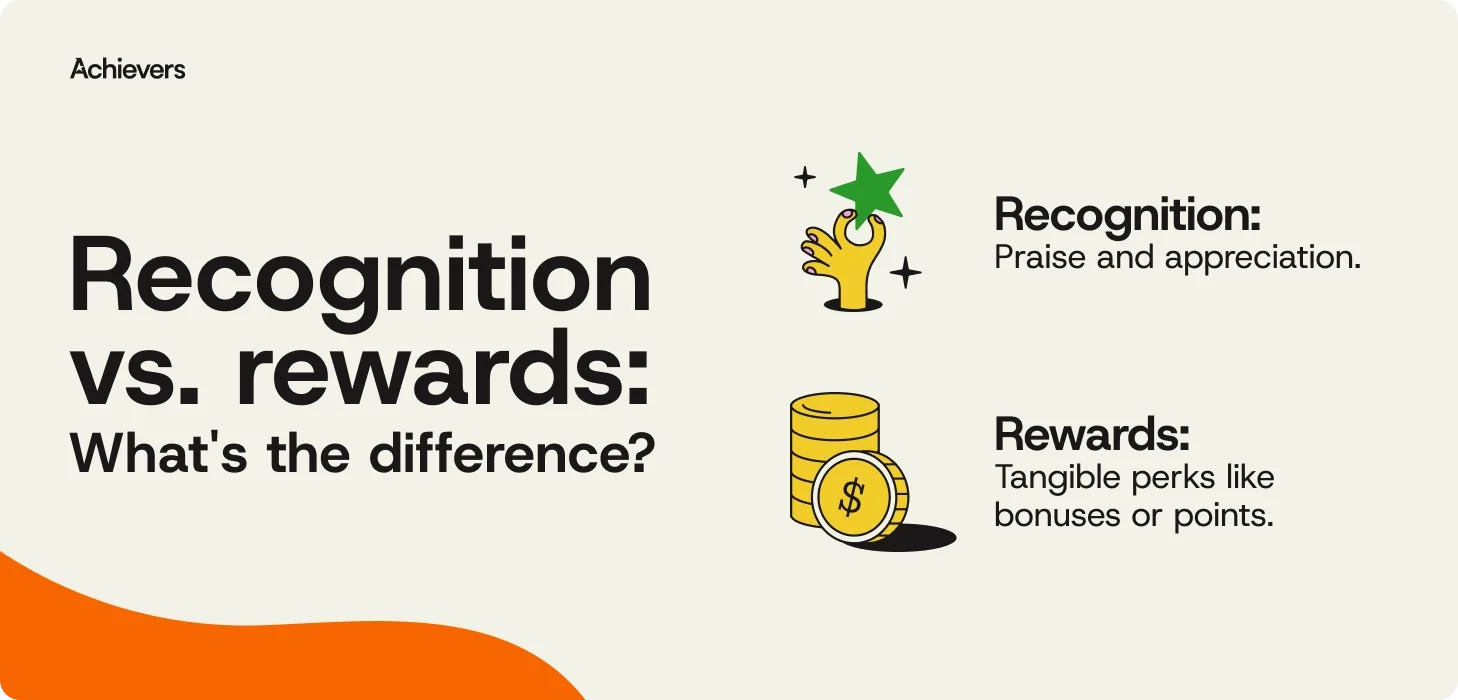
Employee recognition and rewards, while closely intertwined, are distinct concepts. Understanding this difference is crucial, as the most robust programs strategically integrate both. For growing organizations, recognition often serves as the initial step, establishing habits, visibility, and consistency. Rewards then layer on structure and reinforcement as teams expand and expectations evolve. The most effective programs intentionally combine both elements.
Recognition is the act of acknowledging an employee’s effort, behavior, or outcome. It can range from a sincere "thank you" message to a public commendation or a note detailing the impact of an individual’s work. Recognition is typically social and visible, reinforcing core values and making commendable actions more apparent and repeatable.
Rewards, conversely, are tangible. They commonly include bonuses, gift cards, points redeemable for goods or experiences, or other perks. Rewards add an additional layer of impact by bestowing material value upon the recognition, but their effectiveness is maximized when coupled with clear, meaningful acknowledgment.
In essence:
- Recognition communicates, "I see what you did, and it mattered."
- Rewards convey, "And we value it."
The most effective employee rewards and recognition programs avoid an "either/or" approach. They judiciously blend timely recognition with thoughtful rewards to reinforce the behaviors that drive engagement, performance, and retention, without introducing undue complexity into the process.
The Strategic Imperative: Investing in Recognition and Rewards
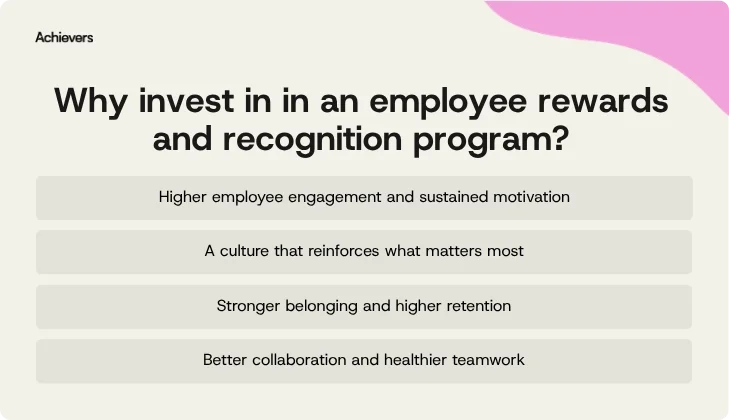
Beyond fostering a sense of appreciation, rewards and recognition programs are instrumental in cultivating a more engaged, connected, and loyal workforce. The aspiration for employees to feel enthusiastic about their work on Monday mornings, while perhaps ambitious, is not entirely unattainable with the right approach. Effective programs contribute to several key organizational outcomes:
Enhanced Employee Engagement and Sustained Motivation
When employees feel acknowledged and valued, they tend to invest more energy and commitment into their work. Regular recognition, particularly through points-based systems, ensures that appreciation is delivered in real-time, rather than being deferred to annual reviews that may occur long after the impactful moment has passed.
A Culture That Emphasizes Core Values
Recognition stands out as one of the most potent tools for reinforcing company values and strategic priorities. By consistently highlighting behaviors that align with the organizational mission, recognition helps to disseminate these desired actions throughout the workforce, transforming abstract values from static statements into repeatable, ingrained behaviors.
Strengthened Belonging and Improved Retention
The feeling of being valued cultivates a profound sense of connection. When employees understand that their contributions are significant, they experience increased inclusion, heightened motivation, and a greater likelihood of envisioning a long-term future within the organization. Recognition can elevate a job from a mere occupation to a genuine sense of belonging.
Improved Collaboration and Healthier Team Dynamics
When recognition is integrated into the daily workflow, rather than being confined to managerial directives or private communications, interpersonal relationships within teams tend to improve. Public acknowledgment, peer-to-peer recognition, and shared celebrations foster mutual support among teams and cultivate an environment where individuals are inclined to uplift one another, irrespective of celebratory occasions.
The Quantifiable Impact of Appreciation
While the intrinsic value of recognition is widely understood, empirical data demonstrates its capacity to deliver measurable results when implemented consistently and purposefully. Insights gleaned from the Achievers Workforce Institute’s State of Recognition Report reveal a clear trend: recognition is effective, but only when designed for scalability and sustained impact.
-
Monthly Recognition Boosts Engagement: Employees recognized at least once a month exhibit 45% higher engagement levels. Consistent recognition signals to employees that their contributions are observed and valued in real-time, fostering a continuous cycle of positive reinforcement that goes beyond periodic performance reviews.
-
Managerial Recognition Curbs Turnover: Regular recognition from managers can reduce turnover risk by 35%. Managerial acknowledgment carries significant weight as it directly links employee efforts to organizational expectations and strategic priorities. This consistent feedback loop builds trust, enhances clarity, and strengthens employee confidence, all critical factors in retaining talent.
-
Peer-to-Peer Programs Drive Business Outcomes: Organizations that implement peer-to-peer recognition programs are 37% more likely to achieve positive business outcomes. This collaborative approach to appreciation distributes recognition across all organizational levels, reinforcing culture organically and capturing contributions that might otherwise go unnoticed by leadership. It transforms recognition into a shared responsibility.
-
Frequent, Low-Cost Recognition Yields Success: Programs prioritizing frequent, low-cost recognition initiatives are 26% more likely to succeed. While grand gestures can be memorable, small, consistent acknowledgments are more sustainable. Programs that emphasize regular, meaningful recognition over occasional high-value rewards are easier to maintain and prove far more effective in shaping employee behavior over the long term.
-
Social Recognition’s Significant Contribution: Non-monetary, social recognition can account for 60-70% of total recognition efforts while still driving substantial results. Recognition does not need to be costly to be impactful. Public praise, thoughtful messages, and visible appreciation fulfill a fundamental human need for validation. While monetary rewards add value, social recognition is crucial for building connection and fostering culture at scale.
-
Alignment with Values is Key: A remarkable 96% of high-performing recognition programs align recognition efforts with company values. Effective programs focus on recognizing what truly matters to the organization. When recognition is directly tied to organizational culture and values, it reinforces priorities, guides behavior, and translates abstract principles into concrete actions that employees can readily emulate.
-
Milestone Awards Outperform Generic Tenure Recognition: Milestone awards that reflect meaningful contributions drive 50% higher retention rates compared to generic years-of-service awards. Recognition that acknowledges significant moments of growth, impact, and achievement resonates far more deeply than standardized tenure-based acknowledgments. Employees are more likely to remain with an organization when recognition feels personal, relevant, and earned.
Ultimately, the success of an employee rewards and recognition program hinges less on budget size and more on intention and consistent follow-through.
Building a Sustainable and Scalable Recognition Program
Constructing a program that consistently delivers results does not require undue complexity. With a clear structural framework, a focused approach, and a genuine commitment to appreciation, organizations can cultivate a recognition experience that is not only valued by employees but also contributes positively to their overall workplace satisfaction. Key elements for success include:
Timely, Frequent, and Frictionless Recognition
Frequency is a critical determinant of impact. When recognition is integrated into the daily workflow, rather than being reserved for infrequent occasions like birthdays or annual reviews, employees feel consistently seen and supported. The most effective programs proactively remove barriers to recognition, utilizing intuitive platforms that facilitate participation for everyone, from senior executives to newly hired staff.
Specificity and Meaning in Recognition
Generic praise tends to be easily forgotten. Recognition is most impactful when it articulates precisely what an employee did and why it was significant. Instead of a vague "great job," specific acknowledgment should highlight the behavior or outcome being reinforced—whether it’s assisting a team in meeting a deadline, providing exceptional customer service, or collaborating effectively across departments. This specificity builds clarity and makes desirable work repeatable.
Soliciting and Acting Upon Feedback
The most effective recognition programs are dynamic and adaptable. Regular feedback from employees, whether through satisfaction surveys, pulse checks, or informal conversations, provides invaluable insights into what aspects of the program are resonating and which areas require adjustment. Crucially, demonstrating that employee input leads to tangible changes builds trust, credibility, and sustained engagement.
Partnering for Program Excellence
The efficacy of an employee rewards and recognition program is intrinsically linked to the underlying platform that supports it. A well-chosen third-party solution not only simplifies the process of recognition but also helps to embed appreciation as a consistent, measurable practice across the entire organization.
When evaluating employee recognition platforms, several essential criteria should be prioritized:
- Scalability: The platform must be capable of supporting organizational growth and evolving needs.
- User-Friendliness: An intuitive interface ensures ease of use for all employees, encouraging adoption and participation.
- Integration Capabilities: Seamless integration with existing HR systems can streamline workflows and data management.
- Reporting and Analytics: Robust reporting features allow for the measurement of program impact and identification of areas for improvement.
- Reward Options: A diverse and appealing selection of rewards enhances employee motivation and satisfaction.
Elevating Employee Recognition and Rewards
When executed thoughtfully, a well-structured employee rewards and recognition program fosters a culture of appreciation that directly contributes to organizational success. Frequent, meaningful recognition that aligns with company values encourages positive behaviors, leading to enhanced team dynamics and improved business outcomes.
Whether formalizing recognition for the first time or scaling an existing program for a larger workforce, the strategic approach adopted today can lay the groundwork for future organizational achievements. Modern, mobile-friendly platforms, such as those offered by Achievers, streamline the recognition process, supporting peer-to-peer appreciation, manager-led initiatives, and points-based reward systems. By offering a wide array of desirable rewards, these platforms can create a recognition experience that keeps employees motivated and committed to the organization.