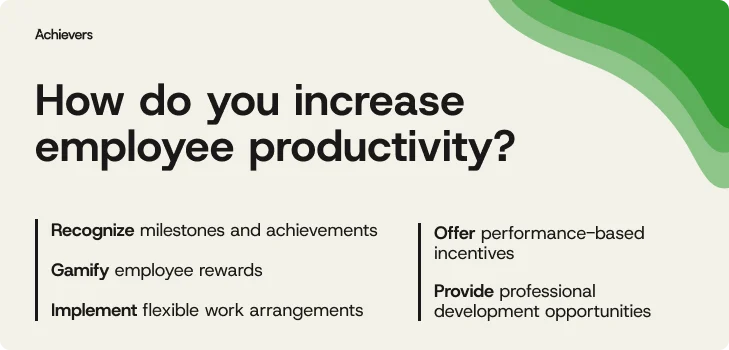
The fundamental driver of employee productivity hinges on an organization’s ability to empower its workforce with the right focus, adequate support, and a streamlined environment that minimizes friction. Currently, this ideal scenario remains an elusive goal for a significant number of companies worldwide. Recent analyses indicate that a mere 20% of the global workforce exhibited genuine engagement in 2025, a statistic that contributes to an estimated annual loss of $10 trillion in global productivity. The root causes of this deficit are seldom dramatic, but rather deeply embedded structural issues: a lack of clarity in priorities, a fragmented technology landscape, inconsistent acknowledgment of achievements, and work that often feels demanding without providing a sense of meaningful contribution.
Understanding the Nuances of Employee Productivity
At its core, employee productivity refers to the efficiency with which individuals complete their assigned tasks. This is typically quantified by measuring output against input – essentially, the quality of work produced within a reasonable timeframe. However, a common misconception is that productivity is solely about the sheer volume of tasks checked off a list. True productivity is about achieving a sustainable equilibrium between operational efficiency and employee well-being. The consequences of neglecting this balance are severe; an overworked workforce is prone to burnout, a condition that demonstrably hinders, rather than enhances, results. Data from Gallup underscores this point, revealing that engaged employees are a remarkable 17% more productive than their disengaged counterparts. Therefore, striking a balance is paramount: driving performance without pushing employees to their breaking point. The adage that a happy team is a productive team holds more weight than often acknowledged.
The staggering economic impact of disengagement and low productivity has been a growing concern for global economic bodies and corporate leadership for years. While the exact figures fluctuate with economic cycles and reporting methodologies, the consensus points to a persistent challenge. Reports from organizations like the World Economic Forum and various human capital consultancies have consistently highlighted the correlation between employee engagement and a company’s bottom line. The $10 trillion figure cited, while substantial, serves as a stark indicator of the untapped potential within the global workforce. This is not a new phenomenon; the discourse around employee engagement and its impact on productivity gained significant traction in the early 2000s as businesses began to recognize the limitations of traditional management approaches in a rapidly evolving economic landscape.
The digital transformation of the past two decades has presented both opportunities and challenges. While new technologies have the potential to streamline workflows and enhance collaboration, their implementation often falls short of expectations. A lack of strategic integration, inadequate training, and a failure to align technological solutions with specific organizational needs can lead to the very fragmentation and friction that hinder productivity. This was a recurring theme in discussions at industry conferences throughout the late 2010s and early 2020s, with experts urging a more holistic approach to technology adoption.
Ten Strategies to Cultivate a High-Productivity Environment
Achieving higher employee productivity is a continuous objective for any forward-thinking organization. The key lies not in demanding more effort, but in fostering an environment where employees can work smarter. By strategically addressing critical factors such as recognition, clarity of objectives, communication efficacy, and the crucial element of work-life balance, companies can cultivate a workforce that is not only more efficient but also significantly more motivated and engaged.
-
Foster a Culture of Recognition and Engagement: Recognition serves as a powerful reinforcement mechanism for behaviors that directly contribute to desired outcomes. When employees perceive that their contributions are acknowledged and valued, their inclination to remain engaged and direct their efforts toward impactful tasks increases substantially. Consistent and timely recognition builds not only morale but also momentum, providing clear indicators of what constitutes exemplary performance. This approach moves beyond superficial praise to embed a system where genuine appreciation drives sustained effort.
-
Provide Clear Goals and Expectations: Productivity is inevitably undermined when organizational priorities are ambiguous or subject to frequent shifts. Clearly defined goals ensure a shared understanding among employees regarding what is most important and how success will be measured. Frameworks such as SMART (Specific, Measurable, Achievable, Relevant, Time-bound) goals provide teams with a focused direction for their time and energy, thereby minimizing rework and mitigating confusion. When expectations are unambiguous, individuals can proceed with confidence, rather than being hampered by constant second-guessing.
-
Improve Communication and Collaboration: Effective workflow is contingent upon robust information exchange. Clear internal communication channels and strong inter-team collaboration are instrumental in reducing delays, preventing duplication of efforts, and minimizing unnecessary friction between departments. When individuals can seamlessly share updates, pose questions, and reach consensus on decisions, work progresses with greater speed and fewer preventable complications. This has been a central tenet of organizational development research for decades, with studies consistently showing a strong correlation between communication effectiveness and project success rates.
-
Offer Professional Development and Training: Employee productivity is enhanced when individuals possess the requisite skills to adapt to evolving demands. Comprehensive training and development programs equip employees to perform their current roles more effectively while simultaneously preparing them for future challenges and opportunities. When organizations invest in their employees’ growth, individuals tend to exhibit greater confidence, capability, and a deeper commitment to the quality of their work. This investment is often viewed as a long-term strategic advantage, fostering a more resilient and adaptable workforce.
-
Optimize the Workplace Environment: The physical or virtual work environment plays a more significant role in productivity than is often credited. Comfortable workspaces, thoughtful design, and the minimization of distractions create conditions conducive to deep focus. When the environment actively supports the work being done, employees expend less energy compensating for inefficiencies and more energy producing valuable outcomes. This can range from ergonomic considerations in physical offices to the provision of appropriate digital tools and quiet zones for remote workers.

-
Leverage Technology and Automation: The strategic application of technology can significantly reduce the burden of mundane, repetitive tasks, thereby freeing employees to concentrate on higher-value activities. Automation is particularly effective in handling routine processes, while integrated collaboration and planning tools can enhance team organization and alignment. When technological systems are designed to work in synergy, overall productivity sees a marked improvement, not because individuals are working at a faster pace, but because they are working more intelligently. The evolution of AI and machine learning has further accelerated the potential for automation, presenting new frontiers for productivity enhancement.
-
Encourage Work-Life Balance and Well-being: Sustained productivity is fueled by energy, not sheer endurance. Flexible work arrangements, comprehensive wellness support programs, and the establishment of realistic workloads are crucial in preventing burnout before it manifests as disengagement or errors. When employees have adequate opportunities to rest and recharge, their capacity for focused concentration, effective problem-solving, and consistent performance is significantly enhanced. The COVID-19 pandemic acted as a catalyst for many organizations to re-evaluate their approach to work-life balance, leading to a broader adoption of flexible work models.
-
Streamline Processes and Reduce Unnecessary Meetings: Overly complex workflows and an excessive number of meetings can quietly erode productivity. Streamlining operational processes and critically evaluating the necessity of meetings can reclaim valuable time for focused, deep work. Fewer interruptions lead to clearer thinking, faster execution, and a reduction in frustration across teams. This involves a conscious effort to optimize workflows, eliminate redundant steps, and ensure that every meeting has a clear agenda and actionable outcomes.
-
Implement Performance Tracking and Feedback Systems: Productivity flourishes when feedback is both timely and specific. Ongoing performance monitoring coupled with regular check-ins enables employees to understand their progress and identify areas for improvement. Clear feedback loops prevent unwelcome surprises, foster continuous development, and ensure that individual progress remains aligned with organizational expectations. The shift towards continuous feedback mechanisms, rather than solely relying on annual reviews, has been a significant trend in human resources management over the past decade.
-
Promote Team Building and Workplace Connections: Strong interpersonal relationships within a team facilitate more effective collaboration. When employees trust one another and feel a sense of connection to their colleagues, communication flows more smoothly, and problems are resolved more rapidly. Productivity benefits when individuals enjoy working together, not merely for the sake of enjoyment, but because these positive relationships inherently reduce friction and foster a more supportive atmosphere.
Key Factors Influencing Employee Productivity
Employee productivity is not an isolated phenomenon; it is profoundly shaped by a multitude of interconnected factors, ranging from the overarching workplace culture to the specific technological tools at an employee’s disposal. A comprehensive understanding of the drivers behind employee performance is essential for cultivating an environment where individuals can not only succeed but also find satisfaction in their work.
- Workplace Culture and Environment: A positive and supportive culture acts as a catalyst for maximizing employee potential, whereas a toxic environment can lead to increased turnover and decreased morale. This encompasses everything from leadership style and communication norms to the physical or virtual workspace design.
- Employee Engagement and Motivation: When employees are intrinsically motivated and feel a genuine connection to their work and the organization, they are more likely to invest discretionary effort. Conversely, a lack of engagement often results in employees performing only the minimum required tasks.
- Access to the Right Tools and Technology: Providing employees with efficient and user-friendly tools is paramount. The right technology can transform time into tangible output, while inadequate or outdated systems can lead to frustration, inefficiency, and significant time spent on troubleshooting.
- Workload Management and Role Clarity: Clearly defined roles and equitable workloads are crucial for maintaining focus and preventing overwhelm. When employees understand their responsibilities and have manageable workloads, they are less likely to experience stress and can dedicate their energy to productive tasks.
- Leadership and Management Style: Effective leadership serves as a guiding force, setting clear direction and fostering a supportive atmosphere. Conversely, poor management can create obstacles, stifle innovation, and demoralize a team.
Measuring Success: Tracking Productivity Improvements
The principle of "what gets measured, gets managed" is particularly relevant to employee productivity. To effectively drive improvements, organizations must move beyond mere guesswork and establish clear metrics aligned with their strategic objectives. Key Performance Indicators (KPIs) such as output per employee, project completion times, and customer satisfaction scores provide tangible benchmarks for progress. It is crucial, however, to focus on genuine performance rather than superficial metrics; for instance, the speed of email responses does not always equate to productive work.
While quantitative data offers valuable insights, it does not present a complete picture. Employee feedback and engagement surveys are indispensable for understanding the underlying drivers of motivation and the perceived quality of support. Platforms that capture real-time employee sentiment can offer a more accurate and dynamic assessment of engagement and productivity levels. For example, Sobeys, a major retail company, reported significant improvements in both engagement and productivity across its extensive workforce by integrating recognition and feedback mechanisms through specialized platforms. This case study exemplifies how a dual approach, combining traditional KPIs with qualitative employee input, provides a holistic understanding and actionable strategies for enhancement.
Driving Sustainable Productivity: The Path Forward
The pursuit of enhanced employee productivity is not about extracting the maximum effort from a team through sheer pressure. Instead, it is about cultivating a workplace environment where individuals are intrinsically motivated to perform at their best. The most effective strategies, from nurturing a culture of recognition and setting unambiguous goals to streamlining technological resources and prioritizing employee well-being, consistently place people at the forefront of their approach, with processes serving as supporting structures.
To achieve enduring results, organizations must transition away from relying on ephemeral solutions like excessive caffeine consumption or sheer hope. A strategic investment in appropriate tools, a commitment to actively listening to employee feedback, and the creation of an environment that fosters thriving are essential. When employees are empowered, engaged, and supported, productivity naturally follows. The benefits extend beyond immediate operational gains, contributing to increased employee retention, fostering innovation, and driving long-term organizational growth. Ultimately, prioritizing the well-being and empowerment of employees emerges as the most astute and sustainable business strategy.