National Nurses Week, observed annually from May 11th to May 17th, culminating on International Nurses Day on May 12th, serves as a critical moment to acknowledge the indispensable contributions of the United States’ 4.7 million registered nurses and Canada’s over 478,000 registered nurses. This week-long observance is more than a symbolic gesture; it is a vital recognition of the profound dedication, exceptional skill, and unwavering compassion that nurses exhibit daily in their demanding roles. From the bustling environment of hospital wards to the intimate setting of home visits, nurses are the backbone of the healthcare system, often sustaining it through sheer resilience and extended hours.
The significance of Nurses Week extends beyond a singular annual event. It represents an opportunity for healthcare organizations, policymakers, and the public to reflect on the challenges faced by nurses, including demanding workloads, emotional labor, and the constant need for adaptability in an ever-evolving medical landscape. In 2026, this recognition comes at a time when the healthcare sector continues to grapple with the aftermath of global health crises, underscoring the critical need for sustained support and appreciation for these frontline professionals.
The Genesis and Evolution of National Nurses Week
The roots of National Nurses Week can be traced back to the early 20th century. While various nursing appreciation days and weeks were proposed and celebrated in the decades prior, the modern iteration gained traction in 1953 when Dorothy Sutherland, an employee of the U.S. Department of Health, Education, and Welfare, proposed a National Nurse Day. This proposal was eventually approved by President Dwight D. Eisenhower. However, it wasn’t until 1974 that May 12th, the birthday of Florence Nightingale, the founder of modern nursing, was officially proclaimed as National Nurse Day. This was later expanded into National Nurses Week in 1982 by the American Nurses Association (ANA).
The consistent establishment of this week in May highlights the enduring importance of nursing and its pivotal role in public health. Each year, the ANA and other nursing organizations select a theme to guide the week’s activities, focusing on specific aspects of nursing practice, advocacy, or well-being. For 2026, the focus is anticipated to be on reinforcing the resilience and adaptability of the nursing profession, acknowledging their critical role in navigating complex healthcare challenges.
Celebrating and Motivating Nurses: Strategies for Healthcare Administrators
Healthcare administrators have a unique opportunity during National Nurses Week to not only express gratitude but also to implement strategies that foster a culture of continuous appreciation and motivation. This period can serve as a catalyst for meaningful dialogue and tangible improvements in the nursing work environment.
Creative Recognition Ideas for National Nurses Week 2026:
Beyond the traditional gestures, a wealth of creative approaches can be employed to make nurses feel genuinely seen and valued:
- Personalized Appreciation: Instead of generic tokens, focus on individual recognition. This could involve handwritten notes from leadership detailing specific contributions, "shout-out" boards where colleagues can publicly acknowledge each other, or personalized gift certificates to local businesses or for professional development.
- Wellness and Self-Care Initiatives: Recognize the high-stress nature of nursing by offering resources that promote well-being. This might include on-site massage therapy sessions, mindfulness workshops, access to mental health support services, or providing healthy meal options and hydration stations throughout the week.
- Professional Development and Growth Opportunities: Investing in nurses’ futures demonstrates long-term commitment. This could involve offering scholarships for continuing education, sponsoring attendance at nursing conferences, or providing opportunities for nurses to lead in-house training sessions, thereby recognizing their expertise.
- Team-Building and Social Events: Foster camaraderie and reduce professional isolation through well-organized social events. This could range from a catered appreciation lunch or dinner to more informal gatherings like a "coffee and chat" session with leadership or a fun, low-stakes team competition.
- Skill-Based Recognition: Highlight and celebrate the diverse skills nurses possess, from clinical expertise to leadership and innovation. Awarding nurses for specific achievements in these areas, such as developing a new patient care protocol or mentoring junior staff, can be highly impactful.
- Empowerment and Voice: Create platforms for nurses to share their experiences and offer suggestions. This could be through town hall meetings specifically for nursing staff, suggestion boxes with guaranteed follow-up, or by involving nurses in decision-making processes related to patient care and workflow improvements.
- Public Acknowledgment: Utilize internal communication channels, hospital newsletters, and social media platforms to highlight the achievements and dedication of nurses. Sharing patient testimonials (with consent) can also be a powerful form of external validation.
- "Day Off" or Flexible Scheduling: For many nurses, the most appreciated gift is time. Offering an extra paid day off, or the flexibility to adjust schedules, can significantly alleviate burnout and demonstrate a commitment to work-life balance.
- Specialized Gifts: Consider gifts tailored to different nursing specialties. For example, a critical care nurse might appreciate advanced diagnostic tools for personal use, while a pediatric nurse might benefit from resources that enhance child-friendly care environments.
- Community Engagement: Organize volunteer opportunities for nurses to give back to the community, fostering a sense of shared purpose and reinforcing their commitment to service.
Data-Driven Insights on Nurse Appreciation:
Research consistently underscores the link between appreciation and nurse retention. A study published in the Journal of Nursing Management found that robust recognition programs are associated with higher job satisfaction, reduced burnout, and lower turnover rates among nurses. Furthermore, a 2023 survey by the American Association of Critical-Care Nurses (AACN) revealed that nearly 70% of nurses reported feeling undervalued in their roles, highlighting a significant gap between the demands of the profession and the recognition they receive. Addressing this gap is not only a matter of ethical responsibility but also a strategic imperative for healthcare organizations facing persistent staffing shortages.
Engaging the Entire Healthcare Ecosystem
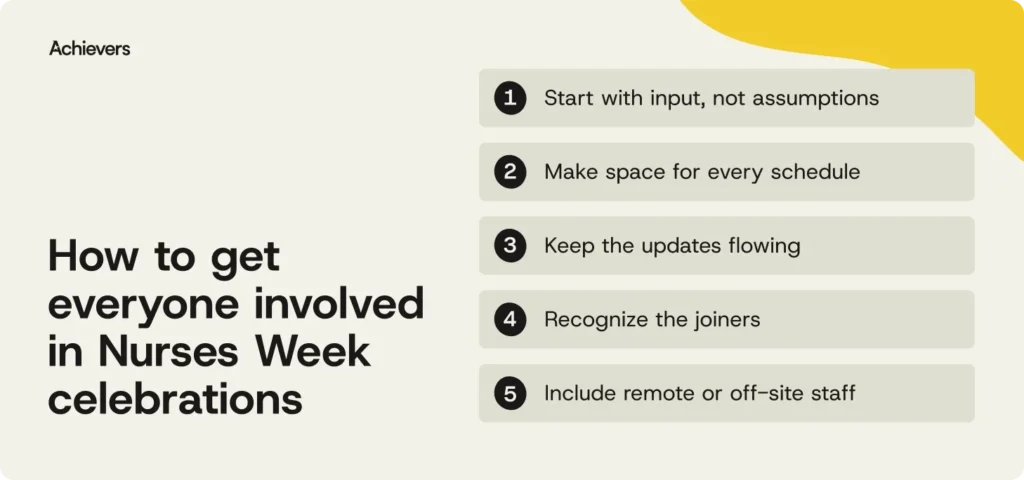
Effective celebration of National Nurses Week requires a holistic approach, involving not just administrators but also physicians, allied health professionals, support staff, and even patients. Creating an inclusive environment where everyone feels empowered to participate ensures that appreciation is not confined to a few individuals or departments.
Strategies for Broad Engagement:

- Interdisciplinary Collaboration: Encourage joint initiatives between nursing and physician groups, such as collaborative problem-solving sessions on patient care issues or shared appreciation events. This fosters mutual respect and reinforces the understanding that healthcare is a team sport.
- Patient Involvement: Invite patients and their families to share their positive experiences with nurses. This can be facilitated through written testimonials, video messages, or designated "thank you" cards available in waiting areas. Such feedback provides powerful, real-world validation of nurses’ impact.
- Organizational-Wide Campaigns: Launch internal communication campaigns that educate all staff about the significance of Nurses Week and provide clear avenues for participation. This could include digital posters, email newsletters, and intranet features highlighting nursing achievements.
- Leadership Visibility: Ensure that senior leadership, including hospital presidents and chief medical officers, are visible and actively participating in appreciation activities. Their presence can significantly amplify the impact of these efforts.
- Community Partnerships: Collaborate with local businesses and community organizations to offer discounts, special services, or donations to nurses during the week. This extends the circle of appreciation beyond the hospital walls.
- Educational Outreach: Organize events or presentations that educate the wider community about the nursing profession, its challenges, and its vital role in healthcare. This can foster greater public understanding and support.
The goal is to move beyond superficial gestures and cultivate a culture where appreciation is woven into the fabric of daily operations. When participation is easy, meaningful, and fun, it transforms from a perfunctory task into a genuine expression of gratitude and a moment of shared connection.
Sustaining Appreciation: Beyond a Single Week
The true measure of an organization’s commitment to its nurses lies in its ability to translate the spirit of Nurses Week into ongoing support and advocacy. While a week of focused appreciation is valuable, its impact is significantly amplified when it is part of a sustained effort to address the systemic challenges faced by the profession.
Transitioning from a Week to Lasting Impact:
- Continuous Feedback Mechanisms: Implement robust systems for collecting regular feedback from nurses regarding their work environment, workload, and professional development needs. This feedback must be acted upon, with transparent communication about the steps being taken.
- Advocacy for Policy Changes: Support initiatives that advocate for improved nurse-to-patient ratios, fair compensation, enhanced mental health resources, and policies that protect nurses from workplace violence. Organizations can champion these causes through professional associations and direct engagement with policymakers.
- Investing in Technology and Resources: Ensure nurses have access to the latest technology, equipment, and resources that can improve efficiency, reduce manual labor, and enhance patient care. This demonstrates a commitment to supporting their practice.
- Mentorship and Career Ladder Programs: Establish formal mentorship programs that pair experienced nurses with newer colleagues, and create clear pathways for career advancement within the organization. This fosters professional growth and long-term engagement.
- Promoting a Culture of Psychological Safety: Cultivate an environment where nurses feel safe to speak up about concerns, admit mistakes without fear of retribution, and challenge unsafe practices. Psychological safety is fundamental to a healthy and high-performing nursing workforce.
- Recognizing Emotional Labor: Acknowledge and address the significant emotional toll that nursing can take. Providing access to counseling services, peer support groups, and debriefing sessions after critical incidents is essential.
The data suggests a strong correlation between sustained recognition and nurse retention. A report by the National Academy of Medicine highlights that fostering supportive work environments and ensuring adequate staffing levels are crucial for preventing burnout and maintaining a healthy nursing workforce. Nurses Week, therefore, should be viewed not as an endpoint but as a powerful springboard for continuous improvement and advocacy.
The Future of Nurse Appreciation
As healthcare continues to evolve, so too must the methods of appreciating and supporting nurses. The integration of technology, such as recognition platforms that allow for real-time peer-to-peer and manager-to-employee feedback, can help embed appreciation into the daily workflow. These tools can facilitate the tracking of contributions, the awarding of points or badges, and the redemption of rewards, making recognition more immediate and impactful.
Ultimately, making nurse appreciation more than a fleeting moment requires a fundamental shift towards building a culture where nurses are consistently seen, heard, and supported. By fostering continuous feedback, celebrating achievements regularly, and actively advocating for the profession’s needs, healthcare organizations can ensure that their nurses feel valued not just during National Nurses Week, but every single day. The dedication, problem-solving, and compassionate care that nurses provide deserve nothing less.
Nurses Week FAQs
What is the official date range for National Nurses Week?
National Nurses Week is observed annually from May 11th to May 17th.
When is International Nurses Day?
International Nurses Day is celebrated on May 12th, marking the birthday of Florence Nightingale.
Why is Nurses Week important?
It serves to honor the vital contributions of nurses to healthcare and society, raising awareness of the profession’s challenges and promoting appreciation for their dedication and skill.
Who organizes National Nurses Week?
The American Nurses Association (ANA) is a primary organizer in the United States, and various nursing organizations and healthcare institutions participate globally.
How can individuals show appreciation for nurses?
Individuals can express gratitude through direct thanks, sending thank-you notes, supporting nursing advocacy efforts, and acknowledging their hard work and commitment.
What are some common challenges faced by nurses?
Nurses often face demanding workloads, long hours, emotional stress, exposure to infectious diseases, and challenges related to staffing levels and workplace safety.