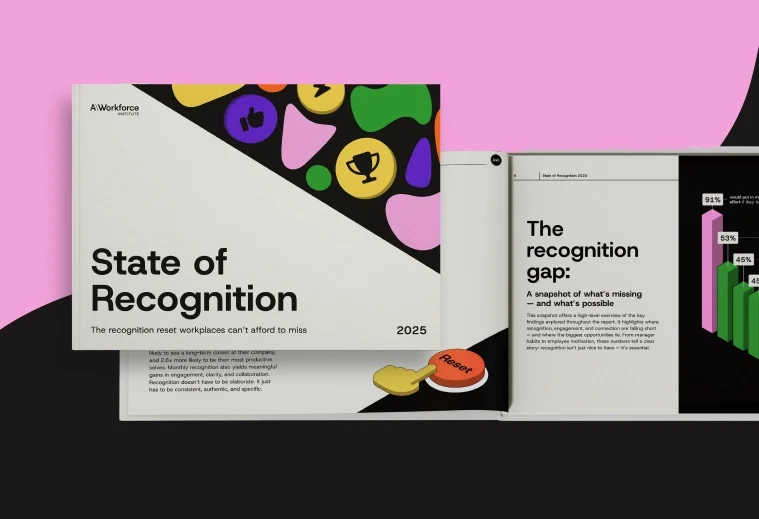
A robust employee recognition program transcends mere acknowledgment; it serves as a powerful catalyst for organizational growth, fostering intention and alignment across the workforce. Whether leading a rapidly expanding mid-market enterprise or managing a sprawling global operation, HR leaders can leverage recognition as a practical tool to reinforce core values, cultivate engagement, and ensure talent retention amidst escalating demands. In essence, effective recognition transforms a job into a destination, a place where individuals are motivated to contribute their utmost. The profound impact of consistent appreciation is underscored by compelling data: employees who receive recognition weekly are 2.6 times more likely to exhibit peak productivity, according to the comprehensive 2025 State of Employee Recognition Report. This statistic clearly illustrates that recognition is not merely a feel-good initiative but a direct driver of enhanced performance.
The journey to establishing a recognition program that resonates with employees and delivers tangible impact begins with a clear understanding of its fundamental purpose. At its core, an employee recognition program is a structured approach for companies to celebrate and reward the contributions of their people, encompassing both significant achievements and the consistent, everyday efforts that sustain business operations. It provides organizations with a reliable mechanism to acknowledge excellence, highlight the embodiment of company values, and maintain employee motivation. A well-rounded program integrates various forms of recognition, from top-down endorsements to peer-to-peer acknowledgments, and thoughtfully considers the diverse range of rewards that can accommodate varying budgets.
The Crucial Role of Employee Recognition
The importance of employee recognition programs cannot be overstated for any business aiming to foster an engaged, productive, and committed workforce. These programs create consistent opportunities for employees to feel seen and valued for their contributions, thereby motivating them to perpetuate the behaviors that strengthen company culture and, consequently, the bottom line. In a competitive labor market, where employee experience is increasingly paramount, recognition acts as a vital retention tool and a significant differentiator.
Universality of Recognition Programs
Employee recognition programs are not exclusive to large corporations or specific industries; they are beneficial for organizations at every stage of their development. From mid-market teams striving to establish consistent practices to global enterprises aiming to scale recognition across diverse regions, the principle remains the same: a clear, repeatable method for integrating appreciation into the daily workflow. When recognition is consistently applied and inclusive, it permeates all levels of the organization, reaching frontline staff, hybrid teams, remote workers, and global workforces alike. This inclusivity ensures that every member of the team feels acknowledged and appreciated.
Integrating Recognition into the Workflow
The most effective recognition programs are seamlessly integrated into the existing workflows of employees. For many organizations, this means leveraging the tools employees already use daily, such as Slack, Microsoft Teams, or Outlook. However, the reach of a recognition program should extend beyond digital platforms to become an intrinsic part of the workplace culture, woven into team meetings, town halls, and informal interactions. When appreciation is visible and experienced in the moments that matter, it feels authentic, meaningful, and impactful. The objective is not complexity, but rather to make recognition so accessible that it becomes a natural and consistent practice.
Maximizing Impact Through Timeliness
The greatest impact of employee recognition programs is realized when they are embedded within the everyday flow of work. Research consistently shows that frequent recognition, particularly on a weekly basis, significantly enhances employee productivity and fosters a strong sense of belonging. When employees are recognized in the moment, the impact is amplified, reinforcing positive actions and behaviors immediately. Conversely, delayed recognition can diminish its perceived sincerity, transforming a powerful gesture into a mere footnote.
Strategic Framework for Building a Recognition Program
The development of an effective employee recognition program requires careful consideration of the desired company culture and the intended employee experience. Meaningful recognition programs are not spontaneous creations; they require thoughtful planning, structured implementation, and a willingness to adapt through trial and error. A step-by-step approach can guide organizations in building a program that is both impactful and sustainable.
Designing the Program Architecture
The design phase is akin to crafting a unique recipe, ensuring adaptability to accommodate evolving needs and team dynamics. The ultimate goal is to create a program that is so intuitive and user-friendly that it seamlessly integrates into employees’ daily routines.
Establishing Clear Objectives
Every successful recognition program is anchored by a clear purpose. Whether the aim is to elevate employee engagement, retain top talent, or encourage behaviors that align with company values, these objectives should dictate the program’s structure and measurement. Key performance indicators (KPIs) such as participation rates and recognition frequency are crucial for tracking progress. Furthermore, it is beneficial to link recognition efforts to broader business outcomes, enabling a clearer calculation of return on investment (ROI).

Cultural Alignment
The existing company culture serves as the foundational blueprint for any recognition program. An effective program should amplify the unique characteristics of the workplace rather than attempting to fundamentally alter them. Whether the organizational ethos is characterized by high energy and fun or by a mission-driven and focused approach, the recognition program must reflect this identity. Tying recognition to core values reinforces the desired culture and celebrates the individuals who embody it.
Budget Allocation
A recognition program without an allocated budget is akin to an engine without fuel – all potential, no propulsion. Thoughtful consideration must be given to the financial investment required for software, rewards, and communication initiatives. To ensure long-term sustainability, it is advisable to prioritize value and long-term impact over superficial, short-term displays.
Policy Framework
Clear policies act as the user manual for the recognition program. While they need not be rigid, clarity is paramount. Defining what merits recognition, who can extend it, and how rewards are administered establishes consistent expectations across the organization. Providing concrete examples of exemplary recognition further clarifies the program’s intent.
Global Scalability
Inclusivity is a non-negotiable aspect of modern recognition programs. For organizations with a global workforce, a platform that accommodates diverse locations, languages, and time zones is essential. Global recognition is no longer a luxury but a necessity, ensuring a consistent and equitable experience for all employees, regardless of their geographical location.
Launching the Recognition Program
A successful launch requires more than a simple announcement; it demands intention, clarity, and sustained momentum. A well-orchestrated rollout plan can build excitement, educate employees, and secure leadership involvement. It is imperative to articulate clearly why recognition is important and how it can be integrated into daily work. Data plays a crucial role here; managers equipped with metrics such as recognitions sent, monthly active users, and team participation can lead by example, making recognition feel meaningful rather than obligatory.
Key KPIs to track during the launch phase include:
- Recognition Frequency: The number of recognitions sent per employee over a given period.
- Participation Rate: The percentage of employees actively sending or receiving recognition.
- Top Recognizers: Identifying individuals who consistently engage with the program.
- Engagement Metrics: Analyzing how recognition correlates with broader engagement survey scores.
Measuring Program Effectiveness
Once the program is established and actively used, the next critical step is to measure its impact and identify areas for improvement. Recognition is a powerful tool, but its value must be quantifiable. Tracking changes in employee retention, engagement levels, and even customer satisfaction provides concrete evidence of the program’s success. Comparing pre- and post-launch data reveals trends and informs ongoing adjustments. Employee surveys and focus groups can surface immediate wins and identify long-term gaps, ensuring continuous program evolution. When employees feel heard and valued, their commitment and engagement naturally increase, making continuous feedback and adaptation essential for program excellence.
The Role of a Robust Recognition Platform
The efficacy of any recognition program is intrinsically linked to the strength of the underlying platform. The most effective recognition platforms integrate seamlessly into employees’ daily tools, enabling spontaneous recognition without disrupting workflow. Key features to consider include user-friendliness, scalability, insightful analytics, and exceptional customer support. A flexible platform can adapt to evolving organizational needs, supporting new goals, expanding teams, and changing workflows, ensuring that recognition efforts remain dynamic and effective.
Best Practices for Sustained Impact
To ensure an employee recognition program consistently hits the mark and delivers maximum impact, adherence to a few tried-and-true practices is essential.
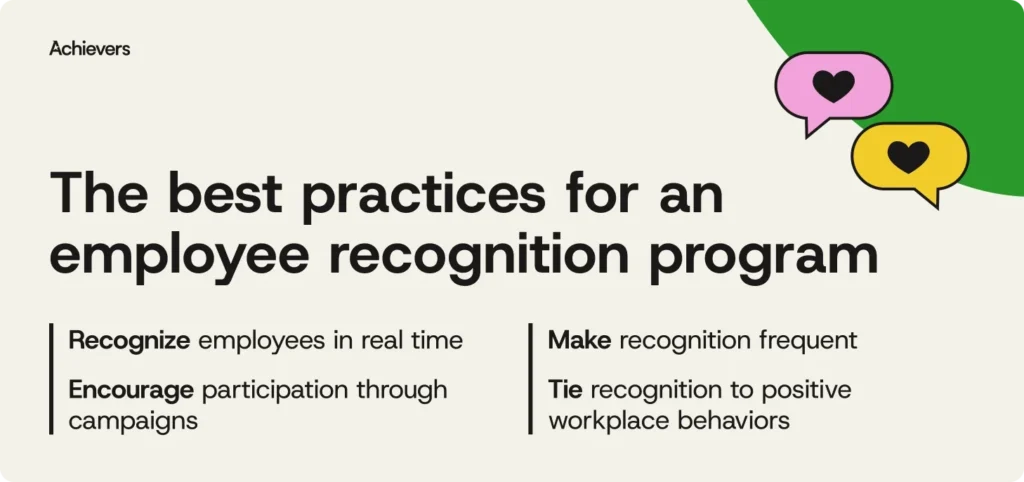
Real-Time Recognition
The potency of recognition diminishes with delay. Immediate acknowledgment of great work reinforces positive behaviors at the moment they occur, making the praise feel more genuine and memorable. Whether through spontaneous verbal appreciation or a timely reward, real-time recognition is key.

Engaging Recognition Campaigns
To prevent recognition from becoming monotonous, organizations should implement creative campaigns that inject energy and excitement. Aligning these campaigns with holidays, company milestones, or specific objectives can transform recognition into a celebratory event. A monthly recognition calendar playbook can be an invaluable resource for planning ahead, ensuring consistency, and fostering regular moments of appreciation.
Frequent and Meaningful Recognition
The more consistently recognition is provided, the more deeply it becomes embedded in the organizational culture. When employees feel that their contributions are consistently valued, it can lead to significant improvements in engagement, morale, and retention. Moving employees from a state of passive acceptance to a strong sense of belonging can boost engagement and productivity by as much as 400%.
Specific and Behavior-Tied Recognition
The most impactful recognition is thoughtful and specific. Moving beyond generic praise to highlight precisely what an employee did and why it mattered not only personalizes the acknowledgment but also reinforces desired behaviors, encouraging their repetition.
Diverse Types of Employee Recognition
Recognition is not a one-size-fits-all concept. Effective programs employ a variety of approaches to connect with employees on multiple levels. The most successful strategies are built upon three foundational pillars:
Social Recognition
This form of recognition involves public acknowledgment shared in collaborative work environments, ranging from quick shout-outs to company-wide highlights. By making recognition visible, organizations signal valued behaviors, reinforce positive habits, and foster a culture of appreciation that spreads organically across teams. It is, in essence, real-time culture-building.
Monetary Recognition
Tangible rewards, such as points, gift cards, or access to a global rewards marketplace, constitute monetary recognition. These rewards offer employees something of tangible value, extending the impact of the acknowledgment. The flexibility of monetary recognition allows rewards to be scaled to the magnitude of the achievement, and employees can select what is most meaningful to them, ensuring the "thank you" endures beyond the immediate moment.
Peer-to-Peer Recognition
Acknowledgment originating directly from colleagues fosters a deeper sense of connection and collaboration. When peers regularly recognize each other’s contributions, it cultivates a more supportive and team-oriented environment. Employees who receive monthly peer recognition are twice as likely to feel a strong sense of belonging and trust, underscoring the power of internal validation.
The Compelling Business Case for Recognition Programs
Beyond the emotional and human connection, the business case for employee recognition programs is robust and data-driven. When employees feel genuinely valued, their motivation to contribute to the company’s success intensifies. Statistics consistently demonstrate a direct correlation between recognition and business performance, leading to several key benefits:
Enhanced Business Results
Recognition is not merely a benevolent gesture; it directly impacts business performance. When employees feel valued, they are more motivated to contribute to company goals. Research indicates that organizations with highly effective recognition programs experience:
- Significantly higher revenue per employee.
- Increased employee retention rates.
- Improved customer satisfaction scores.
- Greater profitability.
Improved Organizational Culture
Culture acts as the cohesive force within an organization. Employees who feel connected to their work, their colleagues, and their leadership are more inclined to produce their best. According to Gallup, organizations that prioritize culture realize substantial benefits, including:
- Higher employee engagement.
- Reduced turnover.
- Enhanced employer branding.
- Greater innovation and adaptability.
Securing Executive Buy-In
Even the most thoughtfully designed recognition program will falter without executive support. To gain leadership buy-in, it is crucial to present recognition not merely as an HR initiative but as a strategic tool for driving business results. Research from the Achievers Workforce Institute (AWI) highlights that:
- Executives who champion recognition programs see improved employee engagement and retention.
- Programs linked to business objectives are more likely to receive sustained investment.
- Leadership involvement is a key predictor of program success.
Best Practices for International and Global Recognition Programs
A truly global recognition program achieves a unified experience rooted in shared values while empowering each region to adapt recognition in culturally authentic ways. Key best practices include:
Building a Shared Global Foundation
A global program necessitates clarity. Employees across all regions must understand what constitutes great work, why it is important, and how recognition fits within the company’s cultural framework. This includes:
- Shared Values that Translate: Universal values serve as the connective tissue of a global culture, providing a common understanding of excellence while allowing for local expression.
- Clear Cross-Cultural Expectations: Explicit criteria remove ambiguity, ensuring consistency across time zones and fostering trust in the program’s fairness.
- Consistent System, Local Expressions: A centralized platform ensures alignment and measurability, while regional teams can tailor tone, rewards, and communication styles to resonate locally.
Culturally Relevant and Locally Meaningful Recognition
A one-size-fits-all global playbook is rarely effective. Regional nuance is critical for genuine connection and provides a competitive advantage. This involves:
- Regional Voices in Design: Local HR and people leaders possess invaluable insights into how recognition naturally occurs within their cultures, ensuring the program feels authentic.
- Adaptable Messaging and Celebration Styles: Recognizing that recognition manifests differently across cultures allows for tailored approaches, ensuring sincerity and respect.
- Locally Relevant Rewards: Understanding regional reward preferences ensures that offerings are desirable, culturally aligned, and genuinely meaningful.
Ensuring Equity and Access Globally
A program is only truly global when every employee can participate fully, irrespective of their role, region, or work environment. This requires:
- Accessible Tools and Channels: Recognition should be easy to deliver and receive via mobile devices, workflow tools, or direct interaction, meeting employees where they are.
- In-Zone, In-Language Support: Providing support in local languages and time zones enhances approachability and demonstrates a commitment to the employee’s reality.
- Fairness Through Transparency: Regularly reviewing recognition patterns across regions ensures equitable opportunities for acknowledgment and helps identify and correct unintentional biases.
Empowering Leaders and Local Champions
Leadership is a primary driver of recognition culture, especially in large or growing organizations. This involves:
- Training Global Managers: Equipping managers to recognize intentionally is crucial, as employees recognized by their managers report higher levels of trust and belonging.
- Seamless, In-Flow Recognition Tools: Integrations with common workplace tools (e.g., Workday, Microsoft Teams, Slack) make recognition an effortless part of a leader’s day.
- Regional Advocates: Local ambassadors can model recognition, share success stories, and shape the program’s cultural integration, particularly during launch phases.
Global Launch with Local Activation
A successful global launch sets the tone for program adoption across all regions. This requires:
- Pilot Programs: Testing the program in diverse regions to identify friction points and gather insights for a broader rollout.
- Global Plan, Local Adaptation: Providing a clear global message and toolkit while empowering regions to localize delivery, tone, and timing.
- Visible and Engaging Launches: Pairing clear messaging with leadership presence and offering a simple initial action for employees to engage with the program.
- Manager Enablement: Equipping leaders with ready-to-use resources and tools to consistently model recognition.
- Employee Support: Offering localized support to build confidence and demonstrate the program’s user-centric design.
- Data-Driven Refinement: Utilizing participation and recognition data alongside regional feedback to ensure ongoing fairness and cultural relevance.
Creating Lasting Impact
Whether building a new recognition program or refining an existing one, clarity of purpose is paramount. Focusing on the specific behaviors that organizations wish to encourage and selecting a recognition approach that aligns with current capabilities, rather than aspirational goals, forms a solid foundation. Developing the right program is a thoughtful process involving meticulous planning, creativity, and a deep understanding of what truly matters to employees. The ultimate objective is a program that seamlessly integrates into daily work, ignites genuine enthusiasm, and drives measurable business impact.
Achievers offers a comprehensive solution to bring this vision to life. Their award-winning platform is designed for mid-market simplicity with enterprise-level scalability, ensuring it can grow with an organization without requiring platform changes. The platform uniquely combines recognition, rewards, and insights into an intuitive, integrated experience that supports wherever employees work. By partnering with Achievers, organizations can transform their employee recognition strategy into a powerful engine for sustained growth and employee engagement.