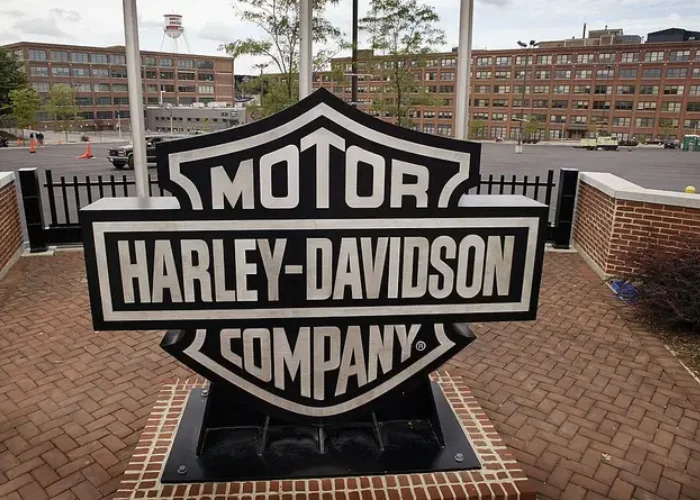
Harley-Davidson, the venerable American motorcycle manufacturer, is aggressively recalibrating its global operations through significant workforce reductions and a comprehensive strategic overhaul, following a financially challenging year marked by declining sales and mounting operating losses. The iconic brand, a symbol of American freedom and rebellion for over a century, is at a pivotal juncture, attempting to streamline its cost structure while simultaneously reimagining its product portfolio to appeal to a new generation of riders and navigate a rapidly evolving global market.
The Genesis of the Restructuring: A Challenging 2025
The impetus for this sweeping restructuring stems directly from a tumultuous 2025 financial performance. The company reported a substantial operating loss, estimated by industry analysts to be in the range of $200-$250 million, on revenues that saw a double-digit decline. Global motorcycle sales units plummeted by approximately 12-15% across key markets, a stark indicator of weakening consumer demand and an oversupply of inventory in dealer showrooms. This downturn was not isolated to a single region but reflected broader challenges in North America, its traditional stronghold, as well as crucial international markets in Europe and Asia. The financial pressures were compounded by escalating operational costs, including supply chain disruptions and inflationary pressures impacting raw materials and logistics.
Chronology of Workforce Reductions and Cost-Cutting Imperatives
The first tangible actions of this restructuring began in early April 2026, with widespread workforce reductions initiated across Harley-Davidson’s international footprint. These layoffs were meticulously planned to target both factory-level roles, primarily within its manufacturing facilities in Wisconsin and Pennsylvania, and corporate positions at its Milwaukee headquarters and regional offices worldwide. While specific figures for the total number of affected employees have not been publicly disclosed, internal communications and reports suggest a significant reduction across various departments, reflecting a concerted effort to recalibrate the company’s headcount to match current production needs and strategic priorities.
The primary objective of these cuts is to realize an estimated $150 million in annualized ongoing cost savings. This substantial figure underscores the urgency and scale of the financial challenges Harley-Davidson faces. These savings are expected to be achieved through a combination of reduced payroll expenses, optimized operational efficiencies, and a streamlining of its organizational structure. The company views these measures as critical for improving its financial resilience, enhancing profitability, and generating capital to reinvest in future product development and marketing initiatives. The decision to implement such drastic measures, though painful for employees, is framed by leadership as a necessary step to ensure the long-term viability and competitiveness of the brand.
External Headwinds: Tariffs and Economic Pressures
Beyond internal operational challenges, Harley-Davidson has also been buffeted by significant external pressures. Rising tariffs have emerged as a persistent financial strain, adding considerable costs to its global supply chain and impacting its ability to price competitively in key international markets. For instance, the ongoing trade disputes between the United States and the European Union have resulted in retaliatory tariffs on American-made motorcycles, which at times have reached 31% on imported Harley-Davidson bikes into the EU. This has directly eroded profit margins and forced the company to absorb a portion of these costs or pass them on to consumers, thereby affecting demand. Industry analysts estimate that these tariffs alone have cost Harley-Davidson tens of millions of dollars annually, with expectations for these costs to persist or even increase in the current fiscal year.
Broader economic headwinds have further complicated the situation. High inflation rates in major economies have reduced discretionary consumer spending, making big-ticket items like premium motorcycles a less accessible purchase for many. Rising interest rates have also increased the cost of financing for both dealers and consumers, further dampening sales. Geopolitical uncertainties and fluctuating currency exchange rates have added layers of complexity to the company’s international business operations, impacting profitability and market stability.
Historical Context: Harley-Davidson’s Enduring Legacy and Recent Struggles
Harley-Davidson’s current restructuring is not an isolated event but rather the latest chapter in a series of strategic maneuvers aimed at addressing fundamental shifts in the global motorcycle market. For decades, Harley-Davidson cultivated an unparalleled brand loyalty, attracting riders through its iconic V-twin engines, distinctive styling, and a powerful lifestyle association. However, in recent years, the company has grappled with an aging core demographic and a struggle to attract younger riders, who often favor smaller, more agile, and more technologically advanced motorcycles.
Previous strategic initiatives, such as the "Rewire" and "Hardwire" plans launched in 2020 and 2021 respectively, sought to streamline operations, enhance profitability, and refocus on core strengths. The "Rewire" plan, implemented during the height of the pandemic, concentrated on simplifying product offerings, exiting underperforming international markets, and reducing global dealer inventory. This was followed by the "Hardwire" strategic plan, which aimed to execute a five-year strategy focused on "Rallying the World to Ride," prioritizing profitability, selective expansion, and targeted investments in new categories like electric motorcycles. While these plans yielded some improvements in efficiency and profitability, they did not fully reverse the trend of declining sales volume or effectively address the demographic challenge to the extent needed. The current restructuring builds upon the foundational work of these earlier initiatives but with a renewed sense of urgency and a more drastic approach to cost control and market repositioning.
The Upcoming Strategic Roadmap: "Future Forward" (or similar initiative)
A critical element of Harley-Davidson’s revitalization efforts is the eagerly anticipated unveiling of a new strategic roadmap, tentatively scheduled for May 2026. While the full details remain under wraps, industry speculation and leaked insights suggest this plan will mark a significant departure from the brand’s long-standing emphasis on large, premium, high-margin touring motorcycles. This segment, while historically profitable, has seen softening demand as its core customer base ages out of riding.
Instead, the company is expected to pivot towards a more diversified product strategy. This includes a renewed focus on developing and marketing more accessible, entry-level models. These bikes would likely feature smaller displacement engines, lighter chassis, and a more approachable price point, specifically designed to appeal to younger, urban riders who prioritize agility, modern technology, and affordability. Such a move would aim to broaden the brand’s appeal beyond its traditional cruiser segment, potentially competing more directly with manufacturers offering smaller, more versatile bikes.
Simultaneously, Harley-Davidson is expected to maintain a robust presence in performance and racing segments. This would involve continued investment in its high-performance models, potentially expanding its Screamin’ Eagle line-up, and reinforcing its commitment to motorsports. This dual approach aims to attract new riders while reassuring its loyal existing customer base that the brand’s commitment to power, heritage, and the thrill of riding remains unwavering. The company’s pioneering efforts in electric motorcycles, spearheaded by its LiveWire brand, are also anticipated to play a more central role in this future strategy, positioning Harley-Davidson at the forefront of sustainable mobility within the powersports industry.
Statements and Reactions
While Harley-Davidson has not released a comprehensive public statement on the exact numbers of layoffs, CEO Jochen Zeitz has consistently emphasized the necessity of these "tough but essential decisions" to "strengthen our business and ensure our future." In an internal memo reportedly circulated to employees, Zeitz acknowledged the difficulty of the situation but underscored the long-term vision: "We are taking decisive action to align our cost structure with the realities of the current market and to invest in the strategic priorities that will drive our growth for decades to come."
Industry analysts have largely viewed the restructuring as a necessary, albeit painful, step. "Harley-Davidson has been facing an existential challenge for years, and these aggressive cost-cutting measures, coupled with a bold strategic pivot, indicate a serious commitment to survival and reinvention," commented Sarah Jenkins, an automotive industry analyst at Global Market Insights. "The market will be closely watching the May 2026 roadmap for concrete details on how they plan to execute this shift, especially in attracting new demographics without alienating their core riders."
Union representatives, while acknowledging the economic pressures, have expressed concerns regarding the impact on affected workers and their families. "Our priority is to ensure that all laid-off employees receive fair severance packages and support for their transition," stated a representative from the United Steelworkers, which represents some Harley-Davidson factory workers. "We hope these measures truly set the company on a stable path, minimizing future disruptions to our workforce."
Broader Impact and Implications
The developments at Harley-Davidson carry significant implications not only for the company itself but also for the broader motorcycle industry and local economies dependent on its operations. For Harley-Davidson, the success of its upcoming strategic plan will be the ultimate determinant of its ability to navigate shifting consumer preferences, economic headwinds, and intense competition. A successful pivot could reinvigorate the brand, expand its market share, and secure its long-term relevance. Conversely, a misstep could further erode its market position and financial stability.
The move towards more accessible and entry-level models could signal a broader trend within the powersports industry, prompting competitors like Indian Motorcycle, Triumph, and major Japanese manufacturers (Honda, Yamaha, Kawasaki, Suzuki) to re-evaluate their own product strategies for attracting new riders. The focus on cost control and operational efficiency may also set a precedent for other legacy brands facing similar challenges in mature markets.
Economically, the layoffs will have an immediate impact on the communities where Harley-Davidson operates, particularly in Wisconsin, where the company is a major employer. While the company is striving for long-term stability, the short-term economic ripple effects of reduced employment and consumer spending will be felt.
In conclusion, Harley-Davidson stands at a critical juncture, balancing the immediate imperative of cost control with the long-term vision of product repositioning. The aggressive restructuring, coupled with the highly anticipated strategic roadmap, represents a high-stakes gamble to ensure the enduring legacy of an American icon in a rapidly changing world. The coming months will be crucial in determining whether these bold moves can successfully steer the legendary brand towards a new era of growth and relevance.