Pleasanton, CA – In a significant strategic pivot, Workday, a long-standing leader in cloud-based enterprise applications for finance and human capital management (HCM), has articulated a comprehensive vision for its future, heavily emphasizing artificial intelligence (AI) and the burgeoning field of AI agents. The company’s recently unveiled strategy, presented at a high-profile summit, signals a determined effort to not only adapt but to lead in the rapidly evolving landscape shaped by generative AI. This ambitious plan is underpinned by substantial investments in recent acquisitions, a revamped executive team, and a fundamental redefinition of Workday’s role as a foundational platform for intelligent automation.
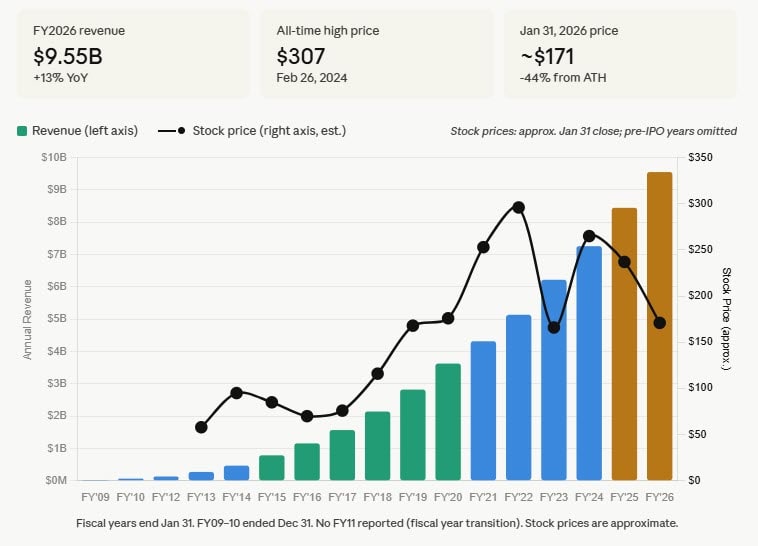
The move marks a critical juncture for Workday, a company that revolutionized enterprise software in 2008 with its cloud-native architecture. At a time when businesses were grappling with outdated on-premise systems, Workday introduced a groundbreaking, object-oriented platform designed for scalability, flexibility, and seamless integration. This innovative approach, branded under the "Power of One" philosophy, promised a unified system for HR and financial operations, a promise that resonated deeply with the market. The company’s rapid growth, capturing over 30% of the Fortune Global 2000 and amassing more than 11,500 customers and over 75 million end-users, is a testament to its early success.
However, in the accelerating era of AI, the company, like many established tech giants, faced the challenge of demonstrating a clear and compelling AI strategy. Aneel Bhusri, co-founder and former CEO, acknowledged a perceived loss of startup agility and strategic clarity in recent years. This realization prompted his return to the CEO role in early 2024, succeeding Carl Eschenbach, to spearhead a significant corporate reinvention. The newly articulated strategy appears to be the culmination of this intensive period of introspection and strategic realignment.
The Strategic Reinvention: From System of Record to Platform for Agents
At the heart of Workday’s new strategy is a bold redefinition of its core value proposition. The company is transforming its identity as a "system of record" into a robust "platform for agents." This shift addresses a fundamental question facing many enterprises: what is the role of established, data-centric systems in a world where AI agents can be rapidly developed and deployed?

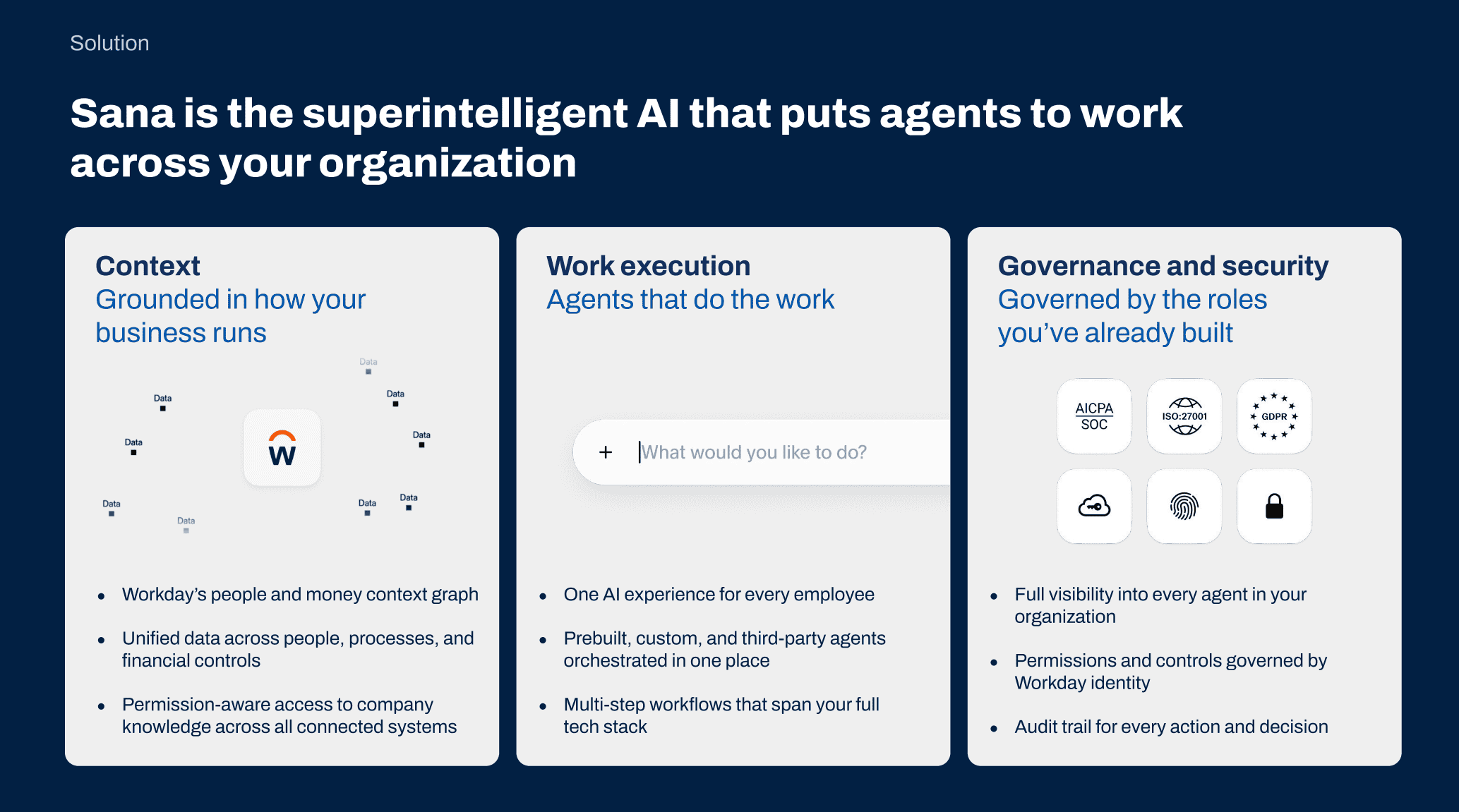
Workday’s answer is that by unlocking its deep reservoir of enterprise data, security protocols, and intricate business rules, it can provide the essential infrastructure for agents to operate at scale, with inherent security and speed. The company posits that its existing "rails"—the meticulously defined company rules, policies, security models, and compliance frameworks—are invaluable. Recreating this complex foundation outside of Workday, it argues, would be prohibitively expensive, time-consuming, and fraught with risk.
This strategic repositioning is built upon five foundational pillars:
Pillar 1: AI as a Complement, Not a Replacement, for Enterprise Software
Workday emphasizes that while AI excels at probabilistic reasoning, critical enterprise functions like payroll processing, financial closing, employee onboarding, and segregation of duties demand deterministic rules and established workflows. The company’s strategy integrates probabilistic AI reasoning with its own deterministic execution engine, which has been refined over two decades. This approach positions Workday as providing "enterprise AI," distinct from standalone agent platforms that operate on extracted data, which Workday considers structurally incomplete.
This argument draws parallels to other critical infrastructure dependencies. Just as autonomous vehicles rely on established road networks, traffic signals, and legal frameworks, or data centers require a robust electrical grid, Workday contends that AI agents require the stable, rule-bound environment it provides. The company’s stance is not one of protecting its existing business but of enabling broader innovation by offering a scalable, secure, and compliant infrastructure.
Pillar 2: Workday’s "Rails" as the Core of Enterprise AI
The intricate configuration and business process frameworks within Workday encapsulate each customer’s unique policies, approval hierarchies, compliance mandates, and organizational structures. These elements, essentially, represent the operational DNA of a company. Workday asserts that agents operating outside this framework lack an understanding of these critical business rules, potentially generating outputs that appear reasonable but violate compliance standards. By routing agent actions through its existing configuration, Workday aims to make agents "lawful by default."
The analogy here is that attempting to build an ecosystem of AI agents from scratch without leveraging existing, robust rule sets is akin to building a city without established zoning laws or traffic regulations. Workday’s argument is that these "coordination" and "rules" agents are essential, and it is more efficient and secure to leverage the established infrastructure already present within the Workday platform.
Pillar 3: Productizing Governance and Agent Management
Workday recognizes the impending challenge of "agent sprawl"—the proliferation of diverse AI agents within an organization. To address this, the company is positioning its agent management tools as a core component of its future infrastructure. Agents, much like human employees, are envisioned as first-class citizens with unique identities, defined skill sets, scoped authorizations, and auditable trails.
Key productized layers include the "Agent System of Record," which already sees over twelve hundred customers registering and monitoring agents. This is complemented by a new standards-based access and privilege management system and a unified "single front door" for both internal and external agents. These offerings are designed to provide enterprise-grade trust infrastructure, managing the complexity and potential risks associated with widespread agent deployment. While this is a nascent and contested market, with competitors like ServiceNow and Microsoft offering similar tools, Workday’s integrated approach aims to provide a cohesive solution for its existing customer base.
Pillar 4: The Unified Experience Through Sana
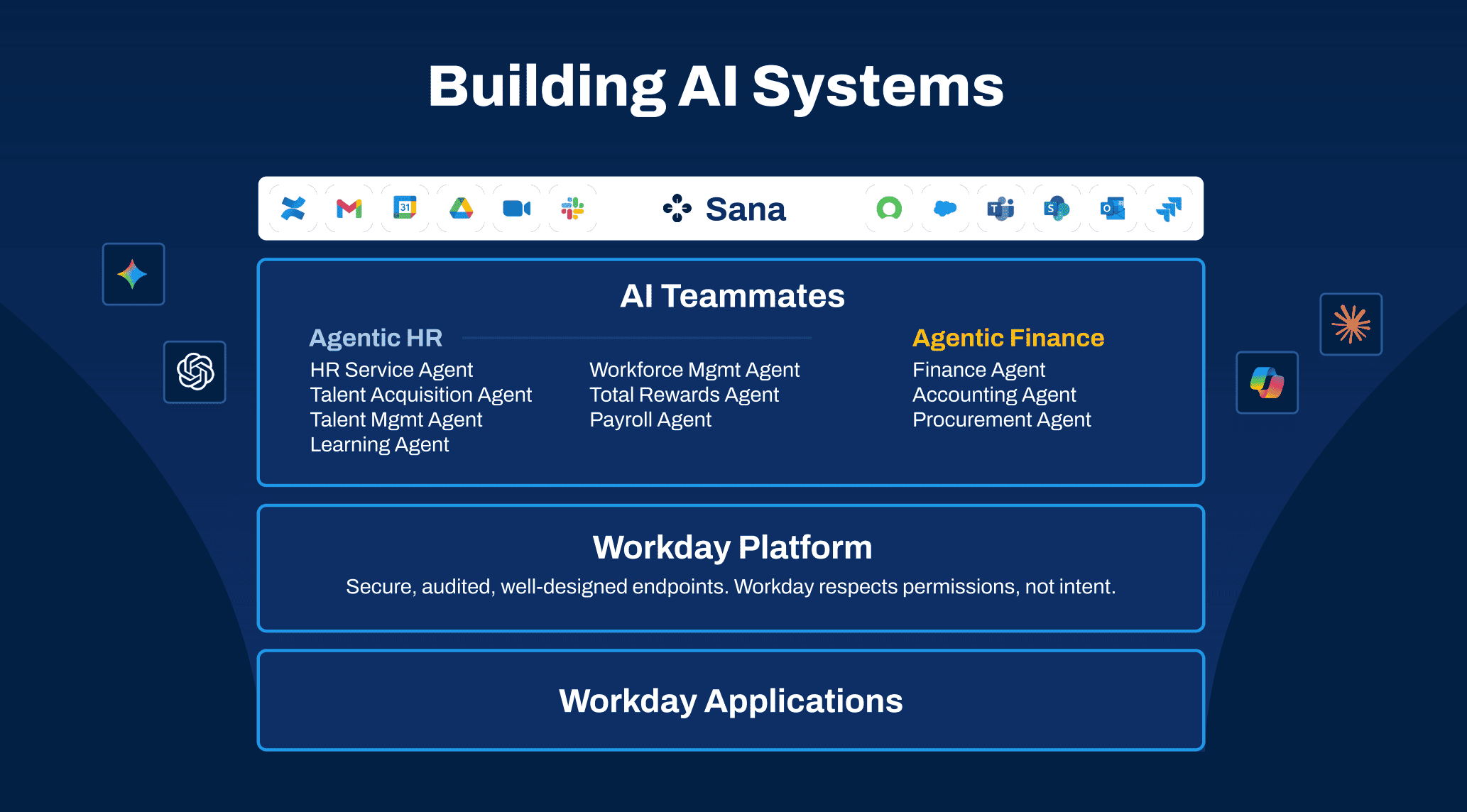
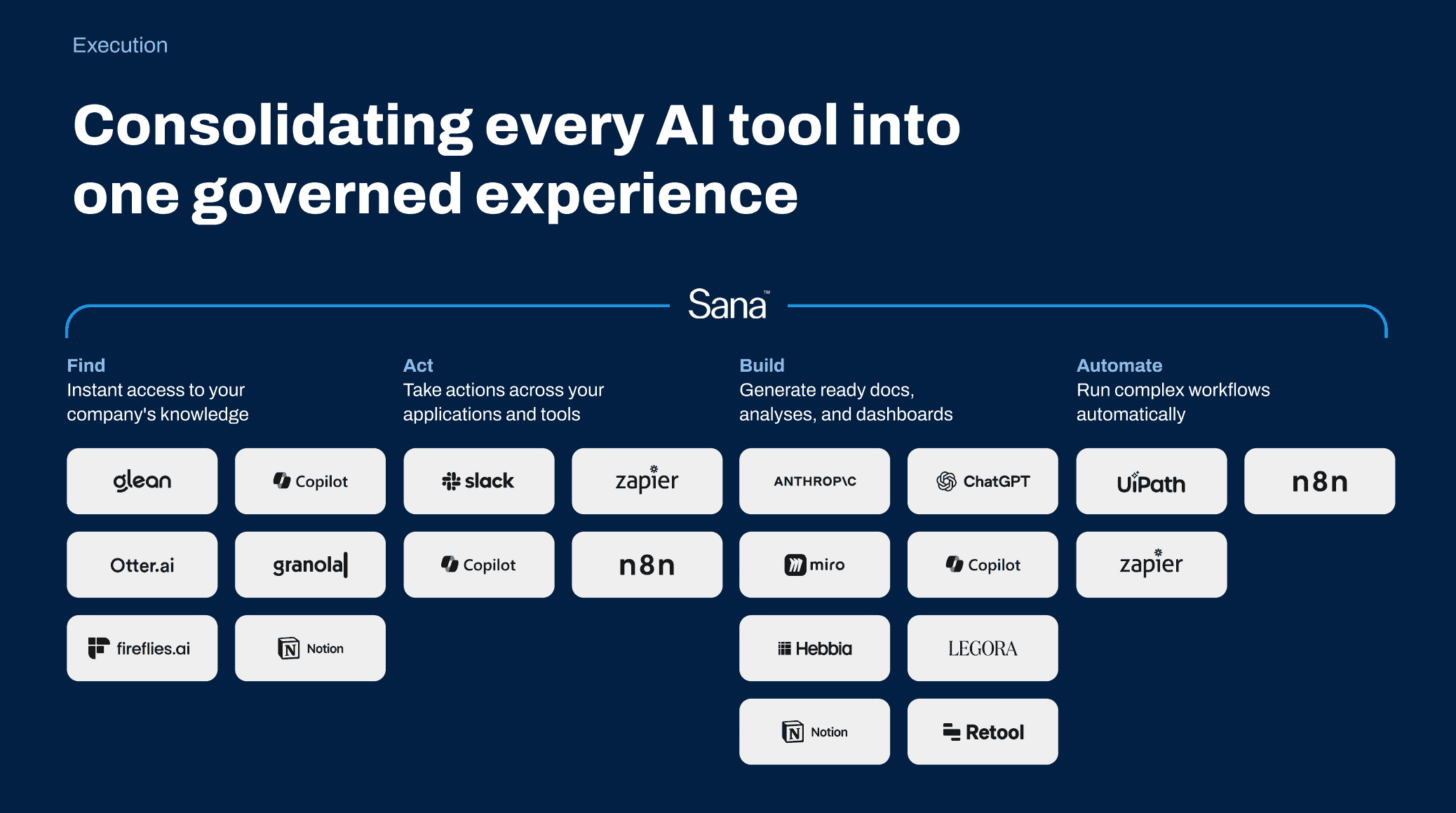
A cornerstone of Workday’s new user experience is Sana, an acquisition that is now positioned as the "new default front door" for Workday applications. Sana for Workday is bundled for all customers, with an option to upgrade to Sana Enterprise, extending its capabilities beyond Workday to platforms like Salesforce, Slack, Microsoft Teams, and SharePoint. This positions Sana as a direct competitor to emerging front-door agents like Microsoft Copilot.
Workday’s vision is that Sana will become the last enterprise application employees ever need to learn, serving as a central hub for agent development and interaction. This platform is lauded for its potential in AI-native learning and employee enablement, driving significant improvements in productivity and reskilling initiatives. The profound impact of AI-driven learning platforms is becoming increasingly evident, with early adopters reporting substantial benefits.
Pillar 5: Outcome-Aligned Commercial Models
In a departure from traditional seat-based licensing, Workday is shifting towards a hybrid model that incorporates consumption-based pricing, utilizing "Flex Credits." This new commercial structure aims to align Workday’s revenue directly with customer outcomes, such as business growth and enhanced productivity. APIs used by external platforms will also be metered per call, capturing revenue that Workday believes has historically been uncollected.
This evolution from a per-employee, per-year licensing model to a platform that performs work on behalf of the customer represents a significant shift. The focus is moving from the number of users to the value and actions delivered by the platform, potentially transforming how enterprise software is procured and valued.
Addressing the "Build from Scratch" Challenge
The advent of powerful large language models (LLMs) and development tools like Claude Code and Cursor has made it conceivable for organizations to attempt rebuilding core functionalities like HCM from the ground up. Workday’s response to this "build from scratch" inclination is direct and cautionary. The company argues that such endeavors often result in "shadow ERPs"—expensive, complex systems that lack the unified object graph, integrated configuration, and compliance machinery of established platforms. These custom-built agents, Workday contends, are inherently "lawless by design," prioritizing task completion over rule enforcement, thereby introducing significant risk and ultimately necessitating the security and workflow tools that already exist within Workday.
Workday anticipates a future where customers will interact with multiple AI surfaces, including Microsoft Copilot, Anthropic Claude, Gemini Enterprise, and Salesforce Agentforce, alongside internally developed agents. The company’s strategy accommodates this multi-agent future through an "Agent Gateway." This gateway, leveraging open standards, allows external agents to delegate tasks to Workday agents, inheriting its "rails," or to call Workday APIs directly. Crucially, when an agent needs to interact with sensitive areas like people, finances, or regulated workflows, the reasoning is handed off to Workday for execution.
This approach is further enhanced by Sana’s developer tools, which are designed to be more accessible and approachable than previous Workday development environments. The ease with which developers can build AI-powered workflows within Sana has already been demonstrated, suggesting a potential for significant innovation within the Workday ecosystem.
Enabling Dynamic Reconfiguration and Faster Deployments
A common critique of cloud-based enterprise software has been the perceived slowness of product release cycles. Workday addresses this by introducing two key changes. First, the integration of Sana allows for easier extension of Workday capabilities and agent registration within the Agent System of Record, enabling rapid development of new applications without lengthy waiting periods. Furthermore, Workday is fostering an "Agent Partner Network" to provide industry-specific and advisory agents.
The second, and perhaps more impactful, development is the introduction of the "Deployment Agent." This system facilitates dynamic system testing, configuration, and consultative deployment, allowing customers to implement changes much more rapidly. This innovation significantly reduces the reliance on expensive systems integrators and enables Workday to roll out new releases more continuously. The implications are profound, promising reduced implementation and ownership costs and unleashing Workday’s capacity for faster product updates. This shift represents a significant benefit for customers and a potential disruption for traditional Workday system integration partners.
Analysis: A Return to Pioneering Energy and Strategic Focus
The return of Aneel Bhusri to the CEO role has injected a palpable sense of renewed energy and strategic focus into Workday. Drawing parallels to leadership turnarounds at iconic companies like Apple and Starbucks, Bhusri’s deep understanding of both technology and the Workday market appears to be re-energizing the organization. This renewed drive is manifested in a structured approach, with a "General Manager" model applied to key product areas, including the Agent Factory and AI APIs. This focused leadership, exemplified by rapid decision-making processes and the consolidation of AI projects, has reportedly revived the company’s "startup culture."
Workday’s strategic bet on becoming the leading platform for "agentic HR and Finance" is bold. By acquiring Paradox and Sana, companies at the forefront of AI in recruiting, agent development, and learning, Workday has assembled a leadership team with deep expertise in these critical areas. This positions Workday not just to adapt to the agentic future but to proactively shape it, demonstrating how AI can redefine business operations by leveraging existing enterprise infrastructure. The company’s acquisitions of Paradox and Sana, in particular, are seen as crucial to this strategy, bringing market leaders in AI-driven talent acquisition and learning platforms into the Workday fold.
The integration of these entrepreneurial leaders, Adam Godson (formerly CEO of Paradox) and Joel Hellermark (formerly CEO of Sana), as General Managers reporting to Gerrit Kazmaier, President of Product and Technology, signifies a significant shift in accountability. These leaders are now responsible for product strategy, revenue, and customer support, fostering a more agile and competitive product development environment. The rapid advancements in AI within talent acquisition and corporate learning suggest that innovations from Paradox and Sana will quickly influence agentic redesigns across other Workday modules. The market valuations of companies in these sectors, such as SAP’s acquisition of SmartRecruiters for $1.8 billion, underscore the strategic importance and potential value of Workday’s acquisitions.
Furthermore, Workday has an opportunity to define the architecture of enterprise AI. In a landscape characterized by complex questions about agent hierarchy, specialization (action vs. observation), and information governance, Workday’s established position as a "system of record" provides a unique advantage. By integrating LLMs, semantic and rule layers, agent code, and runtime/trust layers, Workday can potentially set the standard for how enterprise AI infrastructures should evolve, offering a more structured and secure approach compared to the fragmented offerings of many competitors.
Finally, Workday’s understanding of the critical role of context and semantics in AI is a significant differentiator. As articulated by Joel Hellermark, "Everyone is ignoring the big boring problem of bad context." Workday’s investment in its Data Cloud to encompass not just raw data but also crucial business semantics—skills models, cost centers, career paths, and workflows—indicates a forward-thinking approach. This focus on context engineering, rather than solely on larger models, aligns with findings that accurate context is paramount for reliable AI performance. This sophisticated understanding positions Workday as a true AI innovator, moving beyond transactional functionalities to address the deeper semantic challenges of intelligent automation.
Conclusion: A Turning Point for Workday
The recent summit and the strategic announcements represent a pivotal moment for Workday. The company appears poised for reinvention, driven by a clear AI-centric strategy, strategic acquisitions, new leadership, and a commitment to enabling its customers and partners to embrace the business agent revolution. The anticipated immediate revenue growth from products like Sana and Paradox, coupled with enhanced enterprise AI management tools, suggests a tangible path forward. Workday’s proactive approach to embracing AI, coupled with its established market position, positions it to lead in the transformation of how businesses operate in the age of intelligent automation.