In the dynamic and increasingly complex global supply chain sector, career advancement hinges not merely on diligent effort but significantly on strategic mentorship and the intentional cultivation of workplace visibility. This crucial insight comes from Olivia Hu, Senior Director of Autonomous Trucking and Electrification at Uber Freight, who emphasizes that identifying and fostering relationships with advocates within one’s professional network is paramount for accelerating a career trajectory. Her own journey, marked by consistent achievement and the support of key mentors, illustrates a powerful model for professionals navigating the intricate pathways of modern logistics. The principles she champions extend beyond individual success, underscoring the vital role diverse voices, particularly those of women, play in shaping a more resilient and innovative global economy.
The Indispensable Role of Mentorship in Supply Chain Careers
The supply chain industry, characterized by rapid technological advancements, geopolitical shifts, and evolving consumer demands, necessitates a continuous learning curve and astute guidance. In this environment, a mentor serves as more than just an advisor; they become an advocate, a sponsor, and a strategic ally. Hu’s perspective highlights that finding a mentor who is willing to actively speak up and champion an individual’s capabilities is a critical differentiator in a competitive landscape. This form of advocacy can unlock opportunities that might otherwise remain inaccessible, providing a crucial leverage point for rising talent.
Building a Foundational Bond: The Multi-Year Process of Trust
According to Hu, the bedrock of any effective mentor-mentee relationship is a deep, two-way bond of trust, often cultivated over several years. This is not a transactional interaction but a symbiotic partnership where both parties derive value. Mentors, typically seasoned leaders, are often eager to identify and invest in "rising stars" whose growth aligns with broader organizational objectives. "They want to help you because it ultimately helps them as well," Hu explained in an interview with Supply Chain Dive. This alignment of incentives transforms mentorship from a mere gesture of goodwill into a strategic imperative for organizational talent development and succession planning. For mentees, demonstrating consistent results and reliability is key to earning this trust, proving their readiness for increased responsibility and visibility.
The Power of Advocacy: Opening Doors to New Opportunities
Hu’s own experience at Uber Freight exemplifies the transformative power of a mentor’s advocacy. Starting her tenure at Uber over seven years ago in business development and strategy, she transitioned into leadership roles within Uber Freight, leveraging her growing expertise and a strong performance record. Her initial mentor, who also served as her manager, played a pivotal role. Once he recognized her capability to deliver tangible results, he entrusted her with greater responsibilities. This trust wasn’t just about delegating tasks; it manifested in concrete opportunities, such as increased engagement with senior leadership and invitations to speak at prominent industry conferences. These exposures are invaluable, not only for skill development but also for expanding one’s professional network and demonstrating leadership potential to a wider audience. Studies consistently show that individuals with mentors are more likely to receive promotions and higher compensation, underscoring the tangible benefits of such relationships.
From Hard Work to High Visibility: The Art of Self-Advocacy
While delivering strong results is foundational, it represents only one facet of career advancement. Hu stresses that actively demonstrating and showcasing one’s work across the organization is equally, if not more, important. In a bustling corporate environment, even exceptional work can go unnoticed without deliberate efforts to make it visible. This requires a proactive approach to self-advocacy, which often involves speaking up and asserting one’s voice in various forums.
Conquering Self-Doubt: The Imperative of Being Heard
For many professionals, particularly women and individuals from underrepresented groups, the act of speaking up can be fraught with self-doubt. Hu candidly shared her own struggles with this, recalling moments where she questioned the importance of her contributions. "I would sit there and I’d have all these questions like, ‘Oh, is this really important enough? Does this really matter?’" she recounted. Her ultimate realization, however, was unequivocal: "And ultimately, yes, the answer is yes." This internal battle is common, yet overcoming it is crucial. Recognizing that one’s voice holds value and deserves to be heard is a fundamental step toward gaining influence and visibility. Research on workplace dynamics frequently points out that individuals who actively participate in discussions and present their ideas are perceived as more engaged and capable leaders.
Maximizing Impact Through "Airtime": The Strategic Use of One’s Voice
Hu’s observation that "the person with most control in a room is often the one with the most airtime" is a powerful reminder of the strategic importance of vocal participation. It’s not merely about speaking for the sake of it, but about contributing meaningfully, sharing insights, asking pertinent questions, and articulating one’s achievements. This deliberate engagement ensures that one’s skills and contributions are not only recognized by immediate supervisors but also by a broader spectrum of organizational leaders and peers. Strategies for increasing "airtime" include volunteering for presentations, actively participating in cross-functional meetings, offering solutions to challenges, and clearly communicating project successes and learnings. These actions collectively build a reputation for competence and leadership potential.

Olivia Hu’s Journey: A Blueprint for Success at Uber Freight
Olivia Hu’s career trajectory within Uber, culminating in her senior director role at Uber Freight, provides a tangible example of these principles in action. Her LinkedIn profile details a journey of evolving responsibilities, moving from strategic business development to pioneering leadership in areas critical to the future of logistics. Uber Freight, a significant player in the digital transformation of the trucking industry, focuses on leveraging technology to connect shippers with carriers, optimize logistics, and enhance efficiency.
Pioneering Autonomous Trucking and Electrification
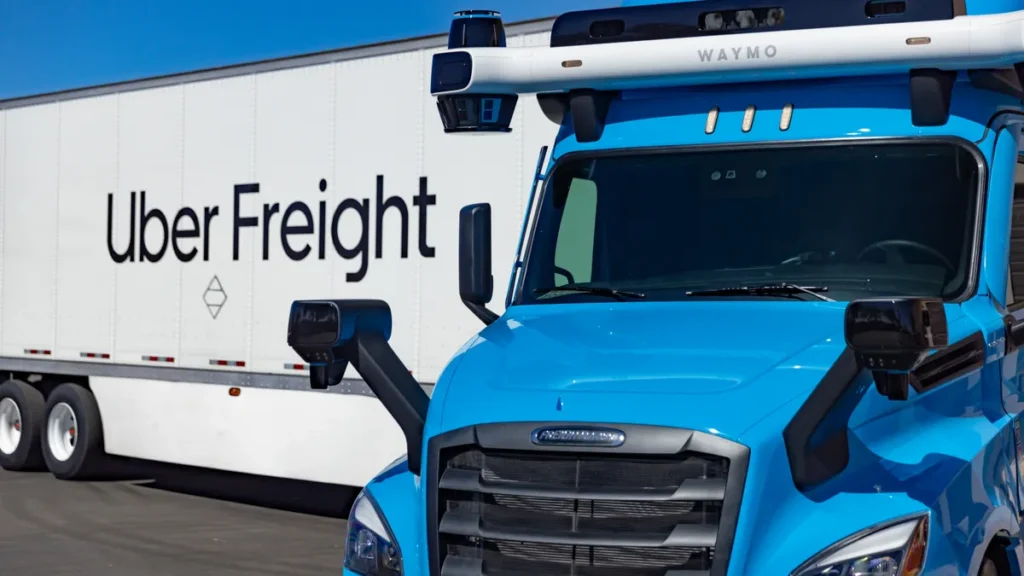
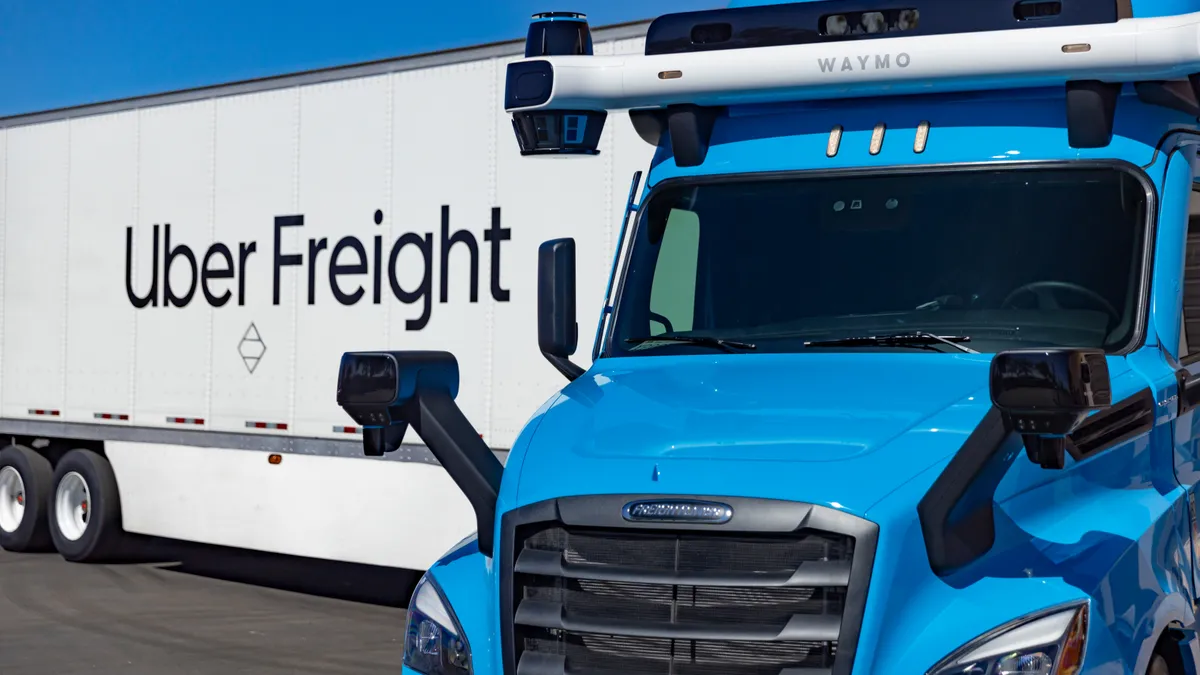
Hu’s current role, Senior Director of Autonomous Trucking and Electrification, places her at the forefront of two of the most transformative trends in the supply chain: automation and sustainability. Autonomous trucking, while still in nascent stages of widespread commercial deployment, promises revolutionary changes in efficiency, safety, and operational costs. Similarly, the electrification of fleets is critical for reducing the carbon footprint of logistics, aligning with global sustainability goals and regulatory pressures. Her leadership in these innovative segments underscores the value of expertise in emerging technologies and the ability to drive strategic initiatives that shape the future of the industry. Her ability to navigate complex, forward-looking projects within a rapidly evolving company like Uber speaks volumes about her skills, adaptability, and the support she has garnered through effective mentorship and self-advocacy. The partnership between Uber Freight and Waymo, as illustrated by the image of an autonomous truck pulling an Uber Freight trailer, signifies the company’s commitment to these advanced solutions and Hu’s direct involvement in shaping this future.
Driving Diversity: The Crucial Female Voice in Supply Chain
Beyond individual career advancement, Hu’s message resonates with a broader imperative for the supply chain industry: the critical need for diverse perspectives. By lending her voice and encouraging other women to do the same, she advocates for a richer, more comprehensive approach to problem-solving and innovation within the sector.
The Economic Imperative of Inclusive Leadership
"Without supply chain, there is no economy, essentially," Hu asserted, highlighting the foundational role of logistics in global commerce. This stark reality underscores the immense responsibility of those leading and shaping the industry. If the supply chain lacks diverse voices and perspectives, particularly those of women, a crucial understanding of market needs, consumer behaviors, and operational nuances can be lost. Women bring unique insights, problem-solving approaches, and leadership styles that are increasingly recognized as essential for navigating complex challenges and fostering innovation. Inclusive leadership is not just a matter of social justice; it is a strategic business imperative that leads to better decision-making, enhanced creativity, and ultimately, more robust and resilient supply chains.

Addressing Underrepresentation: Statistics and Efforts to Improve
Historically, the supply chain and logistics sectors have been predominantly male-dominated. While progress has been made, women remain underrepresented in leadership roles. According to various industry reports, women constitute a significant portion of the entry-level workforce but their representation diminishes sharply at managerial and executive levels. This "leaky pipeline" phenomenon means that valuable perspectives and talents are not fully leveraged. Organizations like Women in Supply Chain (WISC) and various corporate diversity initiatives are actively working to address this imbalance through mentorship programs, leadership development, and fostering inclusive workplace cultures. Hu’s advocacy for women to speak up and assert their importance directly contributes to these efforts, encouraging a cultural shift where diverse contributions are not just tolerated but actively sought and celebrated.
The Broader Landscape: Challenges and Opportunities in Modern Supply Chains
Hu’s insights into mentorship and visibility are particularly pertinent given the current state of the global supply chain. The past few years have highlighted the fragility and interconnectedness of global logistics, with disruptions ranging from pandemics and geopolitical conflicts to climate change impacts.
Navigating Disruption and Technological Transformation
The supply chain industry is undergoing profound transformation driven by technologies like artificial intelligence, blockchain, IoT, and automation. Navigating this landscape requires leaders who are not only technically proficient but also possess strong strategic vision and the ability to inspire and lead diverse teams. Mentors can guide mentees through these technological shifts, offering insights into emerging trends and helping them develop future-proof skills. Similarly, individuals who actively showcase their understanding and adaptability to new technologies gain critical visibility and position themselves as invaluable assets in a rapidly evolving field.
Talent Development as a Strategic Imperative
The industry also faces a persistent talent shortage, particularly for skilled professionals capable of managing complex, digitized supply chains. Attracting, retaining, and developing talent is a strategic imperative for companies aiming to maintain a competitive edge. Robust mentorship programs and a culture that encourages self-advocacy are powerful tools in this regard. They empower employees, foster a sense of belonging, and provide clear pathways for career growth, making organizations more attractive to potential hires and more effective at retaining existing talent. When employees feel heard, valued, and supported in their professional development, they are more likely to be engaged, productive, and loyal.
Cultivating a Culture of Growth and Innovation
The principles articulated by Olivia Hu – the strategic importance of mentorship and the necessity of proactive visibility – are not isolated pieces of advice but interconnected elements of a holistic approach to career development and organizational success. They underscore the understanding that individual growth is inextricably linked to collective progress. By fostering strong mentor-mentee relationships, companies can cultivate a pipeline of capable leaders, ensuring continuity and innovation. By empowering employees to speak up and showcase their contributions, organizations harness the full intellectual capital of their workforce, leading to more creative solutions and robust decision-making.
In conclusion, Olivia Hu’s insights from Uber Freight offer a compelling roadmap for professionals in the supply chain industry and beyond. Accelerating a career in this vital sector demands more than just hard work; it requires a strategic approach to building supportive networks through mentorship and a proactive commitment to self-advocacy. As the global economy continues to rely heavily on efficient and resilient supply chains, the development of diverse, empowered, and highly visible leaders like Hu will be crucial in steering the industry towards a more innovative and sustainable future.