
The traditional annual performance review, once a cornerstone of organizational management, is undergoing a profound transformation. As businesses increasingly prioritize agility, employee development, and continuous improvement, the very purpose and structure of performance evaluations are being redefined. Today’s performance review is no longer a mere retrospective on past achievements; it has evolved into a dynamic, ongoing dialogue crucial for fostering employee growth, strengthening organizational alignment, and cultivating a thriving workplace culture.
Updated January 28, 2026, this shift reflects a growing understanding that consistent, meaningful conversations are paramount to employee success and organizational effectiveness. The modern performance review aims to move beyond simple evaluation to become a foundational element of a comprehensive performance management strategy, empowering individuals and teams to reach their full potential.
The Modern Performance Review: A Foundation for Growth and Alignment
At its core, the contemporary performance review serves as a vital mechanism for establishing clear expectations, fostering mutual understanding, and driving individual and collective progress. It is a collaborative process designed to translate feedback into tangible forward momentum. This evolution recognizes that employee development is not a once-a-year event but an integrated, continuous journey.
The primary objective of a performance review today is to create a transparent and ongoing dialogue that illuminates an employee’s current performance, identifies areas of growth, and pinpoints the support needed for them to excel. Simultaneously, these feedback loops provide organizations with invaluable insights into employee sentiment and performance, enabling them to take proactive steps in building more engaged and productive teams.

A significant trend shaping this evolution is the adoption of continuous review cycles, moving away from the singular annual check-in. These ongoing processes allow organizations to capture real-time performance data, thereby enhancing alignment between individual contributions and overarching company objectives, boosting overall productivity, and solidifying trust across the organization. This continuous approach transforms performance reviews into a true partnership between employees and their managers.
The shift towards continuous feedback underscores the core purpose of performance reviews: to facilitate ongoing improvement and development through consistent, impactful conversations that deepen an employee’s connection to the organization and its mission. This approach not only benefits the individual by providing clarity and direction but also strengthens the organization by fostering a culture of open communication and shared accountability.
Navigating the Spectrum of Performance Review Methodologies
While the fundamental goals of performance reviews remain consistent, organizations employ a variety of approaches to achieve them. These methodologies can broadly be categorized into two main streams: multi-rater and single-input reviews. The most effective performance review strategies are those that are tailored to an organization’s unique culture, ensuring that the insights generated are relevant and actionable for both employees and managers. When performance reviews are designed to be engaging, pertinent, and practical, they become powerful catalysts for growth, alignment, and enhanced team performance.
The diverse landscape of performance reviews can be understood through four primary types:
1. Continuous Performance Reviews: Embracing Real-Time Feedback
Continuous performance reviews are characterized by ongoing, real-time feedback and coaching, facilitated through regular, informal conversations between managers and employees. This approach moves away from the traditional, infrequent formal appraisal towards a more agile and responsive system.

How Continuous Feedback Supports the Core Purpose of a Performance Review:
- Real-time Recognition and Correction: Immediate feedback allows for timely acknowledgment of achievements and swift identification of areas needing improvement, preventing small issues from escalating.
- Enhanced Agility and Adaptability: In rapidly changing business environments, continuous feedback ensures that goals and strategies can be adjusted promptly based on evolving circumstances and performance data.
- Stronger Manager-Employee Relationships: Regular, open communication builds trust and rapport, creating a more supportive and collaborative working relationship.
- Proactive Development: Continuous dialogue enables managers to identify development needs as they arise and implement targeted training or coaching interventions.
- Increased Employee Engagement: Employees feel more valued and supported when their contributions are regularly acknowledged and their development is actively discussed.
Key Components of Continuous Performance Reviews:
- Frequent Check-ins: These can range from daily stand-ups to weekly one-on-ones, providing consistent touchpoints.
- Agile Goal Setting: Goals are often reviewed and adjusted more frequently to align with current priorities and performance trends.
- On-Demand Feedback: Employees and managers are encouraged to provide feedback whenever it is relevant, not just during scheduled review periods.
- Focus on Development: The emphasis is on growth and learning, with feedback framed constructively to support skill enhancement.
2. Structured or Formal Performance Reviews: The Framework for Evaluation
Structured or formal performance reviews are scheduled evaluations that adhere to a predefined process, consistent criteria, and clearly documented expectations across the organization. These reviews typically occur at set intervals, such as annually, semi-annually, or quarterly, providing a standardized framework for assessing progress, achievements, and development needs.
The significance of these structured reviews in people management strategies lies in their ability to foster transparency, ensure fairness, and equip leaders with the data needed to make informed decisions regarding promotions, compensation, and succession planning. They also play a crucial role in aligning individual performance with organizational objectives, providing employees with a clear understanding of what constitutes success and pathways for career advancement within the company.
Key Types of Structured Performance Reviews:
-
Annual Performance Review: This is a comprehensive, once-a-year evaluation that assesses an employee’s overall contributions, identifies strengths, and outlines areas for development over the preceding year. It often serves as a basis for salary adjustments and promotion decisions.
- Annual reviews reinforce people management by:
- Providing a formal record of performance.
- Facilitating discussions about long-term career goals.
- Ensuring equitable assessment across the workforce.
- Informing strategic talent management decisions.
- Annual reviews reinforce people management by:
-
Mid-Year or Quarterly Review: These scheduled check-ins focus on evaluating progress against established goals and performance expectations. They offer a crucial opportunity to realign objectives, provide targeted coaching to enhance performance, and gauge the effectiveness of ongoing strategies and resource allocation.
- Mid-year and quarterly reviews help:
- Keep performance on track towards annual goals.
- Identify and address performance gaps early.
- Provide timely feedback and support.
- Enhance organizational agility by allowing for course correction.
- Mid-year and quarterly reviews help:
-
Self-Assessment: This component of the performance review process strengthens shared accountability and alignment between employees and managers. It provides managers with insights into how they can better coach their team members while enabling employees to reflect on their contributions, challenges, and future aspirations.
- Self-assessments facilitate performance and connection by:
- Encouraging employee self-reflection and ownership.
- Providing a valuable perspective for managers.
- Aligning employee and manager perceptions of performance.
- Identifying potential development opportunities from the employee’s viewpoint.
- Self-assessments facilitate performance and connection by:
3. Role/Project-Based Performance Reviews: Contextualizing Contributions
Role- or project-based performance reviews evaluate an employee’s contributions within the specific context of their responsibilities, deliverables, or project objectives. These reviews can be single-rater (typically manager-led) or multi-rater, incorporating feedback from peers, project leads, cross-functional collaborators, or even external stakeholders such as clients.
These targeted reviews are instrumental in maintaining alignment with organizational goals, identifying execution gaps or resource constraints, and fostering cross-functional collaboration by illustrating the impact of individual and team efforts on broader organizational outcomes.
Examples of Role/Project-Based Reviews:
-
Task-Based or KPI-Focused Review: This type of review gathers feedback on how effectively an employee meets defined performance metrics, project milestones, or task-level expectations that contribute to overarching team or company goals.
- Task-based and KPI-focused reviews help:
- Measure performance against objective benchmarks.
- Ensure accountability for key deliverables.
- Identify areas where an employee excels or requires support in specific tasks.
- Provide data-driven insights for performance improvement plans.
- Task-based and KPI-focused reviews help:
-
Sales Performance Review: This review assesses an employee’s performance based on sales targets, pipeline activity, client engagement, and revenue-generating behaviors.
- Sales performance reviews support revenue growth because they:
- Track progress towards revenue goals.
- Identify effective sales strategies and techniques.
- Provide coaching opportunities for sales representatives.
- Inform decisions about sales team structure and resource allocation.
- Sales performance reviews support revenue growth because they:
-
Customer Service Review: This evaluation measures performance based on service quality, customer interactions, response times, and customer satisfaction metrics.
- Customer service reviews help:
- Enhance customer satisfaction and loyalty.
- Identify training needs for service staff.
- Improve service processes and protocols.
- Ensure consistent delivery of high-quality customer experiences.
- Customer service reviews help:
-
Product Development Review: This review evaluates an employee’s effectiveness in driving product initiatives, from roadmap planning and cross-functional collaboration to execution and post-launch performance.
- Product development reviews contribute to organizational success by:
- Ensuring products meet market needs and business objectives.
- Fostering innovation and efficient product lifecycles.
- Identifying strengths and development areas within product teams.
- Improving collaboration between engineering, design, and marketing.
- Product development reviews contribute to organizational success by:
4. Probationary/New Hire Reviews: Onboarding for Success
Probationary or new-hire performance reviews are structured feedback sessions designed to assess how effectively a new employee is integrating into their role, team, and the broader company culture during the initial stages of their employment. These reviews offer HR and managers critical insights into the efficacy of onboarding processes, identify areas where additional support or clarification may be needed, and evaluate how well the new hire is adapting to expectations.
When conducted effectively, these reviews ensure that new employees feel welcomed, confident, and culturally aligned, equipping them to become productive contributors in a timely manner. While HR may collect feedback for various reasons to refine new hire processes, several common review types are particularly impactful.
Key New Hire Review Types:
-
Interview Process Feedback: This feedback evaluates how accurately the interview process represented the role, expectations, team dynamics, and overall work culture once the employee is on the job.
- Interview process feedback helps HR and managers improve hiring by:
- Ensuring job descriptions and interview questions are aligned with reality.
- Identifying potential biases or inaccuracies in the hiring process.
- Improving the candidate experience.
- Reducing early turnover by setting realistic expectations.
- Interview process feedback helps HR and managers improve hiring by:
-
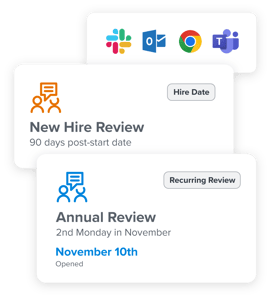
30-60-90 Day Feedback: This structured review provides defined checkpoints over the first three months to assess progress, learning curves, milestone achievement, cultural integration, and overall performance.
- 30-60-90-day feedback supports the new hire experience by:
- Providing clear milestones for early success.
- Offering regular opportunities for feedback and adjustment.
- Reinforcing company culture and values.
- Helping new hires navigate their initial transition smoothly.
- 30-60-90-day feedback supports the new hire experience by:
-
Manager Onboarding Feedback: This allows new hires to evaluate how effectively their manager is providing guidance, clarity, communication, and training during the onboarding period.
- Manager onboarding feedback improves onboarding outcomes by:
- Ensuring managers are equipped to support new team members.
- Identifying gaps in manager communication or support.
- Promoting a positive manager-employee relationship from the outset.
- Highlighting best practices in onboarding management.
- Manager onboarding feedback improves onboarding outcomes by:
-
Cultural Alignment Review: This review examines whether a new hire is successfully integrating into the team’s values, communication norms, and organizational behaviors.
- Cultural alignment reviews support employees in onboarding because they:
- Help new hires understand and adopt company culture.
- Identify potential cultural clashes early.
- Foster a sense of belonging and inclusion.
- Contribute to long-term employee retention.
- Cultural alignment reviews support employees in onboarding because they:
The Collaborative Ecosystem of Performance Reviews
The performance review process is not a solitary endeavor; it typically involves the active participation of several key stakeholders: Human Resources (HR), managers, and employees. Each plays a distinct and critical role in ensuring that performance reviews are conducted fairly, consistently, and yield meaningful outcomes.
- Human Resources (HR): HR departments often design and oversee the performance review framework, ensuring legal compliance, developing standardized forms and guidelines, and providing training to managers and employees. They act as custodians of the process, ensuring consistency and fairness across the organization.
- Managers: Managers are at the forefront of the performance review process. They are responsible for conducting regular feedback sessions, setting clear expectations, providing ongoing coaching, documenting performance, and delivering formal evaluations. Their active involvement is crucial for driving employee development and performance.
- Employees: Employees are active participants in their own performance reviews. This includes self-assessments, engaging in open dialogue with their managers, seeking clarification on feedback, and taking ownership of their development plans. Their proactive engagement is key to maximizing the benefits of the review process.
When all team members actively engage in their designated roles, the performance review transforms from a perfunctory exercise into a structured, transparent process that nurtures connection, drives growth, and ultimately leads to stronger overall performance.
Leveraging Technology to Enhance Performance Reviews
The complexities of modern performance management necessitate robust tools to streamline and optimize the review process. Quantum Workplace, a leader in employee experience solutions, offers a comprehensive platform designed to transform performance conversations from potentially challenging interactions into engaging and productive dialogues.
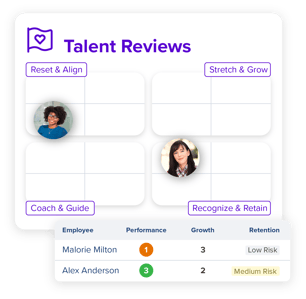
Quantum Workplace’s performance review software provides managers and employees with reliable context, enabling more objective and impactful conversations. The platform is built to support organizations in several key areas:
- Customizable Review Modules: Organizations can tailor review modules to precisely measure what matters most to their unique culture and diverse employee groups, ensuring relevance and flexibility.
- Manager Enablement: The software integrates performance management into existing workflows, making it easier for managers to coach effectively. Formal conversation cycles can be established to ensure consistent and appropriate frequency of touchpoints.
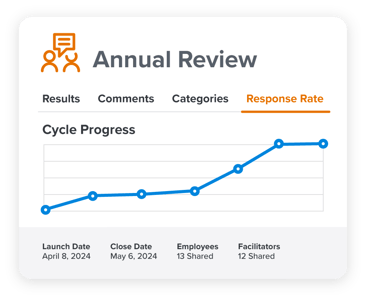
- Tracking and Accountability: The platform facilitates easy tracking of review response rates, allowing teams to remain accountable and providing real-time visibility into performance ratings.
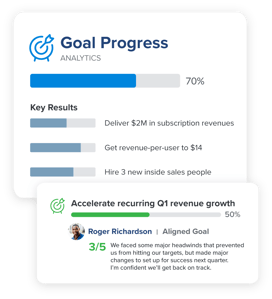
- Goal Integration: Performance goals are seamlessly embedded within the review process, empowering managers to conduct objective, effective, and growth-oriented conversations.
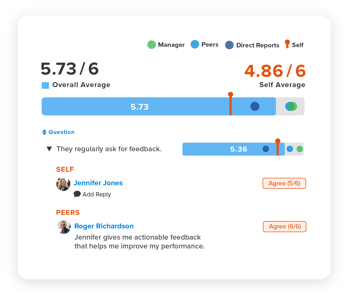
- Multi-Rater Feedback Integration: The system incorporates multi-rater feedback into review cycles, gathering valuable insights from colleagues and orienting performance conversations towards development.
- Talent Analytics: A comprehensive talent dashboard offers a holistic view of organizational talent, enabling informed decisions regarding talent retention and development strategies.
By implementing solutions like Quantum Workplace’s performance review software, organizations can create a more effective, efficient, and engaging performance review process, ultimately fostering better performance across their teams.
The evolution of performance reviews signifies a strategic shift towards a more human-centric and development-focused approach to talent management. By embracing continuous feedback, leveraging diverse methodologies, and utilizing technology, organizations can cultivate environments where employees are empowered to thrive, driving both individual success and organizational prosperity.