A Georgia-based aviation staffing company, CASM, is at the center of a federal lawsuit filed on May 1, 2026, accusing it of systematically circumventing federal overtime laws by mischaracterizing a significant portion of its workers’ wages as untaxed per diem payments. The complaint, filed by a former avionics technician, highlights a practice that courts and the U.S. Department of Labor (DOL) have repeatedly warned against, raising critical questions about wage compliance in specialized labor markets and the integrity of compensation structures across the nation. This legal challenge underscores the persistent vigilance required to uphold the Fair Labor Standards Act (FLSA) and protect workers from schemes designed to artificially reduce their entitled earnings.
The Core Allegations: A Per Diem Scheme Under Scrutiny
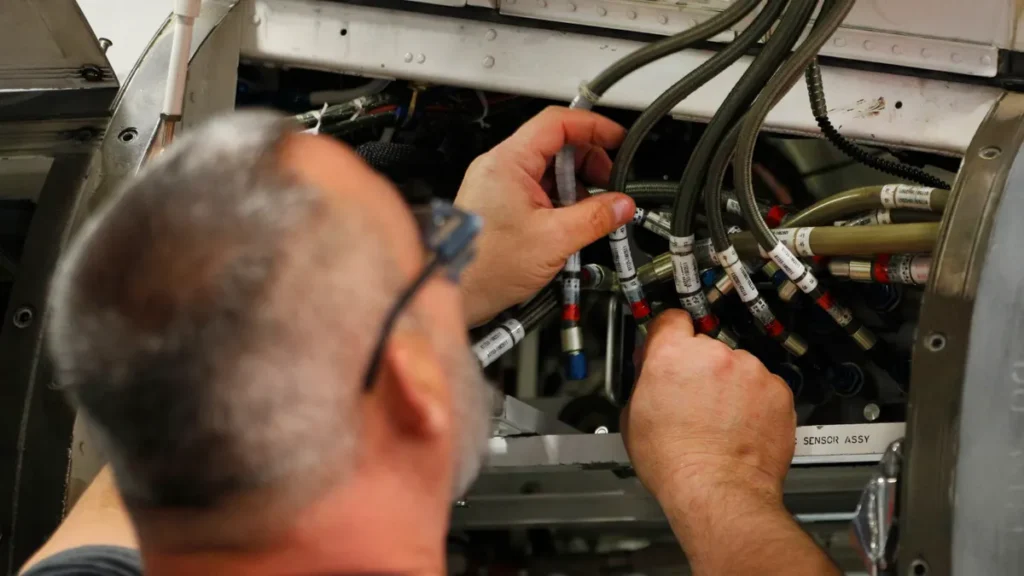
The plaintiff, an avionics technician who worked for CASM from May 2023 through March 2025, alleges that the company engaged in a deceptive payment structure. According to the lawsuit, she was ostensibly paid an hourly rate of $32.75 for all hours worked, including those exceeding 40 in a workweek. However, the breakdown of this payment structure is where the alleged impropriety lies. CASM reportedly listed her taxable wages as a mere $8 per hour initially, later increasing it to $8.75 per hour. The substantial remainder of her total hourly compensation, $24 per hour, was classified as an untaxed "per diem" payment, capped at 40 hours per week.
The plaintiff’s contention is that this "per diem" was not a reimbursement for incurred expenses, as legitimate per diems are intended to be, but rather an integral part of her regular wages. Under FLSA regulations, the "regular rate of pay" for overtime calculations must include almost all forms of compensation, including non-discretionary bonuses and, critically, payments that are not true reimbursements for expenses. By artificially reducing the "taxable wage" component, CASM allegedly calculated overtime pay based only on the lower, stated hourly rate, rather than the true composite hourly rate of $32.75.
Had the overtime been correctly calculated at time-and-a-half based on her actual regular rate of $32.75 per hour, her overtime rate should have been $49.13 per hour. Instead, the lawsuit claims she received an effective overtime rate of only $13.13 per hour towards the end of her tenure. The complaint further details that for overtime hours, CASM would account for time-and-a-half on the minimal regular rate and then "adjust down" the per diem pay, effectively ensuring the plaintiff continued to make only $32.75 per hour for all hours, including overtime, thereby nullifying the mandated overtime premium. This alleged manipulation meant that the company was effectively paying a flat rate for all hours, regardless of overtime, a clear violation of FLSA requirements.
Understanding Per Diem Payments and Overtime Law
To fully grasp the implications of the lawsuit, it’s essential to understand the legal framework governing per diem payments and overtime compensation under the FLSA. Enacted in 1938, the FLSA establishes minimum wage, overtime pay, recordkeeping, and child labor standards affecting full-time and part-time workers in the private sector and in federal, state, and local governments. A cornerstone of the FLSA is the requirement that non-exempt employees receive one and one-half times their "regular rate of pay" for all hours worked over 40 in a workweek.
The "regular rate of pay" is not simply an employee’s hourly wage. It includes nearly all remuneration for employment paid to, or on behalf of, an employee. While legitimate per diem payments, which are reimbursements for actual expenses incurred by an employee for business travel or other work-related costs, are generally excluded from the regular rate calculation, this exclusion is narrowly defined. For a payment to be considered a legitimate expense reimbursement, it must truly compensate the employee for expenses that they actually incurred and that are primarily for the benefit of the employer. If a payment is essentially additional compensation for work performed, regardless of how it’s labeled, it must be included in the regular rate for overtime purposes.

The critical distinction lies in whether the "per diem" is tied to actual expenses or if it functions as a disguised wage. The capping of the per diem at 40 hours, as alleged in the Reaves case and now against CASM, is a strong indicator that the payment is not a legitimate expense reimbursement but rather a component of regular wages designed to avoid overtime obligations. Employers often attempt to use per diem payments as a way to reduce their payroll tax burden and, more significantly, to lower their overtime liability, as the per diem portion is not factored into the higher overtime rate. However, such practices are illegal when the payments do not genuinely represent reimbursement for expenses.
A History of Legal Scrutiny: Precedents and Warnings
The allegations against CASM are not novel; they echo a long-standing pattern of employers attempting to sidestep overtime rules. Courts and the Department of Labor have consistently challenged and ruled against such "per diem" schemes.
One significant precedent highlighted in the Reaves complaint is a 2010 case from the 5th U.S. Circuit Court of Appeals. In that instance, the court sided with an aircraft painter who alleged his employer used a similar "straight time" and "per diem" split to avoid proper overtime payments. The 5th Circuit expressed profound "trouble" that the combined rates approximately matched the prevailing wage for aircraft painters, indicating the per diem was likely disguised wages. The court also found it "suspect" that a raise was applied to the per diem rather than the regular rate, a tactic that would further depress the overtime calculation. Crucially, the court noted it could "conceive of no reason" why a per diem would be capped at the 40-hour mark, a point that "not-so-coincidentally corresponds to the point at which regular wages stop and the overtime rate applies." This judicial reasoning directly applies to the present allegations against CASM, where the per diem was also capped at 40 hours.
More recently, in November 2024, the U.S. Department of Labor issued a pointed opinion letter specifically warning employers about these deceptive practices. Jessica Looman, then-administrator of DOL’s Wage and Hour Division, unequivocally stated that "tool and expense reimbursement payments cannot be used to artificially reduce employees’ regular rates of pay, in an attempt to reduce the amount an employer must pay its employees for overtime work." She concluded with a stern warning: "The FLSA does not permit schemes of this kind." This clear guidance from the DOL reinforces the illegality of using misclassified per diems to manipulate overtime calculations, signaling continued federal enforcement against such violations. The DOL’s consistent stance and active issuance of opinion letters demonstrate a proactive effort to educate employers and protect workers from wage theft.
The Mechanics of Alleged Wage Suppression at CASM
The detailed allegations in the lawsuit paint a clear picture of how the alleged scheme at CASM operated to suppress overtime earnings. For an avionics technician making $32.75 per hour, the prevailing wage for such a skilled position, the distribution of this compensation into a low taxable wage ($8-$8.75) and a high untaxed per diem ($24) up to 40 hours per week created a significant disparity.
Let’s illustrate with an example based on the alleged figures:
- Stated Hourly Wage (Taxable): $8.75
- Per Diem (Untaxed, up to 40 hours): $24.00
- Total Effective Hourly Rate (for first 40 hours): $32.75
If an employee worked 50 hours in a week:

-
Correct Overtime Calculation (based on true regular rate):
- Regular Rate: $32.75/hour
- Overtime Rate (1.5x Regular Rate): $32.75 * 1.5 = $49.13/hour
- Total Earnings: (40 hours $32.75) + (10 hours $49.13) = $1,310 + $491.30 = $1,801.30
-
Alleged CASM Overtime Calculation (based on taxable wage):
- Stated Regular Rate (for OT calculation): $8.75/hour
- Stated Overtime Rate (1.5x Stated Rate): $8.75 * 1.5 = $13.13/hour
- For the first 40 hours: (40 hours $8.75 taxable wage) + (40 hours $24 per diem) = $350 + $960 = $1,310
- For the 10 overtime hours, the employee would receive $13.13/hour for the "taxable wage" portion, and then the per diem would be reduced or eliminated to ensure the total hourly pay for those overtime hours remained at $32.75. This means the employee would receive $13.13 for the taxable part and then only $19.62 in per diem for those hours, totaling $32.75 per hour for overtime, rather than the legally mandated $49.13.
- Total Earnings (Alleged Scheme): (40 hours $32.75) + (10 hours $32.75) = $1,310 + $327.50 = $1,637.50
The difference of $163.80 for just 10 hours of overtime in a single week highlights the significant wage theft that can accrue over months or years, impacting workers’ livelihoods. The lawsuit aims to recover these underpaid wages, along with potential damages and penalties, representing a substantial financial liability for CASM if the allegations are proven true.
Industry Context: Aviation Maintenance Compensation
The aviation maintenance industry is highly specialized, requiring significant training, certification, and expertise. Avionics technicians, like the plaintiff, play a crucial role in ensuring the safety and functionality of aircraft systems. The U.S. Bureau of Labor Statistics (BLS) data cited in the lawsuit indicates that the average hourly rate for an avionics technician is over $35 per hour. This figure underscores that the total effective rate of $32.75 per hour offered by CASM, while slightly below the average, is within a plausible range for skilled labor in this field. However, the method of achieving this rate through a heavily weighted per diem component, rather than a straightforward hourly wage, is what draws legal scrutiny.
The use of per diems is common in industries where employees frequently travel or work at remote sites, such as construction, trucking, and aviation. For legitimate travel and living expenses, per diems can be beneficial for both employees (as untaxed reimbursements) and employers (for administrative simplicity). However, the allure of reducing payroll taxes and overtime obligations can tempt some employers to abuse this system. In a competitive industry like aviation staffing, where companies vie for contracts and skilled labor, reducing labor costs, even through questionable means, can be perceived as a competitive advantage. This case serves as a stark reminder that such advantages come with significant legal risks and ethical implications.
The Broader Implications for Employers and Workers
This lawsuit carries significant implications not just for CASM but for the broader landscape of employment practices, particularly within the staffing and contract labor industries. For employers, it serves as a critical warning against the misclassification of wages and the manipulation of per diem payments. Companies that engage in similar practices face substantial legal and financial risks, including back wages, liquidated damages, attorney fees, and civil penalties. Beyond the monetary costs, such lawsuits can severely damage a company’s reputation, making it difficult to attract and retain skilled workers, and potentially leading to increased scrutiny from regulatory bodies.
For workers, especially those in specialized fields like aviation maintenance who often work through staffing agencies, this case highlights the importance of understanding their pay stubs and knowing their rights under the FLSA. Wage theft, including the underpayment of overtime, is a pervasive issue, costing American workers billions of dollars annually. Cases like this empower employees to recognize potential violations and seek redress, contributing to a more just and compliant labor market. It also emphasizes the value of detailed record-keeping by employees regarding their hours worked and compensation received.

The persistent efforts of the DOL and the courts to crack down on these schemes demonstrate a commitment to protecting workers’ rights and ensuring fair competition among businesses. Employers are expected to adhere to the spirit as well as the letter of the law, ensuring that all forms of compensation, especially those that are integral to an employee’s regular earnings, are properly factored into overtime calculations.
Legal Landscape and Future Outlook
The legal landscape surrounding wage and hour compliance remains dynamic, with ongoing vigilance from federal and state authorities. The Department of Labor continues to conduct investigations and issue guidance to ensure compliance with the FLSA. Class action lawsuits related to wage theft, including misclassification of employees and improper overtime calculations, are also a significant enforcement mechanism, allowing multiple aggrieved workers to collectively seek justice.
The CASM lawsuit, filed in May 2026, will proceed through discovery, where both parties will gather evidence to support their claims. Given the clear precedents set by the 5th Circuit and the unambiguous warnings from the DOL, the plaintiff appears to have a strong basis for her claims if the facts presented are substantiated. While CASM did not respond to requests for comment by press time, their defense will likely involve arguing that the per diem payments were legitimate expense reimbursements or that their compensation structure complied with all applicable laws. However, the burden of proof for excluding payments from the regular rate for overtime calculations is generally high for employers.
This case serves as a powerful reminder that the fight against wage theft is ongoing. As businesses innovate in their compensation strategies, regulatory bodies and the judiciary must remain agile in interpreting and enforcing labor laws to prevent exploitation. The outcome of the Reaves case against CASM will undoubtedly be watched closely by both employers and employees in the aviation staffing sector and beyond, further shaping the interpretation and application of FLSA requirements for per diem payments.
Call for Compliance and Transparency
In conclusion, the lawsuit against CASM underscores the critical need for employers to maintain transparency and strict compliance with federal labor laws, particularly concerning overtime compensation and the proper classification of all forms of payment. The FLSA is designed to protect workers and ensure fair wages for all hours worked, and attempts to circumvent these protections through misleading payment structures will continue to face robust legal challenges. Companies must ensure that any per diem payments genuinely reimburse for incurred expenses and are not used as a tool to artificially deflate the regular rate of pay, thereby denying workers their rightful overtime earnings. The integrity of the labor market depends on adherence to these fundamental principles.