The definition of effective leadership within top companies has undergone a seismic transformation in a remarkably short period. For decades, a standard of "good enough" leadership sufficed. Companies could be managed competently if targets were met or nearly met, if leaders appeared prepared, and if significant complaints were absent. However, this era of passive competence is rapidly receding, replaced by an urgent demand for adaptive, empathetic, and forward-thinking leadership. The ground beneath seasoned executives has shifted dramatically, influenced by the pervasive impact of artificial intelligence, the recalibration of work-life boundaries through hybrid models, and the evolving expectations of a new generation entering the workforce.
The author, with over three decades of experience working with senior leaders, has meticulously observed this tectonic shift. Artificial intelligence is fundamentally reshaping every knowledge-based role, demanding new skill sets and a re-evaluation of human contribution. The widespread adoption of hybrid work models has blurred the lines between professional and personal spheres, creating new challenges in team cohesion and management. Simultaneously, Generation Z, now the fastest-growing segment of the workforce, brings a distinct set of values and expectations, often questioning established norms and demanding greater purpose and authenticity from their leaders. This confluence of factors has ushered in an operating environment defined by pervasive uncertainty.
This is not a hypothetical future-of-work scenario; it is an immediate reality. Leaders entering meetings on any given Monday are already being assessed against the current needs of their workforce. Research underscores a significant gap between the perceived competence of leaders and the actual requirements of today’s dynamic business landscape. A comprehensive survey conducted in partnership with The Harris Poll, which polled 2,206 employed Americans, sought to identify the characteristics that distinguish exceptional leaders from their counterparts. The findings revealed a stark reality: only 30% of leaders were rated as "exceptional" by those they lead. A larger segment, 54%, were deemed "good," while a concerning 16% were classified as "outdated."

The group identified as "good" leaders, while not overtly problematic, represents a significant area of concern. This cohort, while meeting basic performance metrics, fails to inspire or drive the exceptional performance needed to navigate current uncertainties. When "good" leadership is paired with the inherent volatility of the contemporary business environment, the result is not an immediate collapse that would trigger a crisis response. Instead, it manifests as a slower, more insidious decline. Engagement scores may drift downward incrementally each year, top talent might quietly explore external opportunities, and strategic initiatives can stall, only to be replaced by new ones that suffer a similar fate. The absence of a singular, identifiable crisis point makes these subtle erosions of productivity and morale difficult to detect and address.
In contrast, exceptional leadership, when confronted with the same pressures, cultivates confidence, fosters trust, and cultivates unwavering loyalty among employees. This stark divergence in outcomes highlights the critical need to move beyond mere adequacy in leadership.
The Research Unveiling the Leadership Deficit
The research undertaken by the author’s firm in collaboration with The Harris Poll provides crucial data points on what constitutes effective leadership today. While "good" leaders elicit positive feedback on certain fronts – 35% of employees under "good" leaders feel valued and appreciated, and 34% feel supported, representing tangible successes – other metrics paint a more challenging picture. The survey revealed that only 27% of employees working for "good" leaders feel their career is advancing, and a mere 22% believe their leader is invested in their professional development. The most alarming statistic, however, is that a staggering 86% of individuals reporting to "good" leaders do not feel they are growing.
This lack of perceived growth is particularly acute in an era where job opportunities across various fields are readily accessible through mobile devices. The cost of this developmental stagnation is not abstract; it translates directly into a diminished competitive advantage for organizations that fail to foster a culture of continuous learning and advancement. Employees who do not see a clear path for growth within their current roles are more likely to seek opportunities elsewhere, contributing to talent attrition and institutional knowledge loss.

The Ascendancy of "Heart Skills"
Perhaps the most surprising finding for many senior leaders is the paramount importance of "heart skills" in distinguishing exceptional leadership from merely good leadership. When the top ten attributes that differentiate exceptional leaders were ranked, nine were fundamentally "heart-based." These include gratitude, active listening, empathy, trust, inclusion, and a focus on employee well-being. Only one attribute, communicating with transparency, was categorized as a traditional "head skill."
This finding echoes earlier research, such as Google’s Project Oxygen, conducted nearly two decades ago. That project identified that nine out of the top ten markers of a great manager at Google were soft skills, with only one being overtly technical. The top leadership skills identified in Google’s study were good coaching, team empowerment, and communication. Notably, Project Oxygen was initiated after exit interview data revealed that a significant number of employees were leaving Google due to poor management. The recurring pattern across different eras and methodologies underscores a persistent truth: the human element of leadership is critically important.
The author posits that categorizing these vital skills as "soft skills" is a significant branding misstep within corporate leadership. This designation often relegms them to the same budgetary category as less critical initiatives like lunch-and-learns, making them vulnerable to cuts during challenging financial quarters. However, these are precisely the skills that artificial intelligence cannot replicate, the very attributes that influence employee job satisfaction and retention, and the foundational elements that differentiate companies where employees thrive from those where they merely exist. These are not "soft"; they represent the core of effective leadership in the modern age.
In the research, exceptional leaders demonstrated more than double the effectiveness of "good" leaders across every critical dimension. The most significant multiplier was gratitude, with exceptional leaders being 2.30 times more effective in this regard. This suggests that a deliberate and consistent expression of appreciation can have a profound impact on organizational performance and employee morale.
Six Key Differentiators for Exceptional Leadership
The research has pinpointed six specific practices that consistently differentiate exceptional leaders from the rest. These practices, while requiring intentionality and repetition, are learnable and actionable, offering a clear roadmap for development.
Differentiator 1: Lead with Gratitude
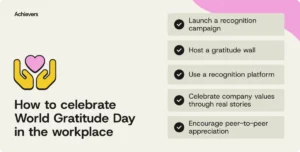
Exceptional leaders acknowledge their team members in ways that are specific, personal, and frequent enough that employees genuinely believe their contributions are seen and valued. This was identified as the number one differentiator in the research, exhibiting the largest gap between "good" and "exceptional" leaders. This goes beyond a perfunctory "thank you"; it involves understanding individual contributions and expressing appreciation in a manner that resonates personally with each employee. The implications are far-reaching, fostering a sense of psychological safety and increasing discretionary effort.
Differentiator 2: Listen and Empathize
Exceptional leaders actively listen to understand the underlying concerns and challenges their team members are facing, not just the surface-level statements made in meetings. They treat listening as an early-warning system, a proactive measure to identify potential issues before they escalate, rather than a mere courtesy. In an era of heightened stress and uncertainty, the ability to truly hear and understand employee perspectives is crucial for building trust and demonstrating genuine care. This fosters an environment where employees feel comfortable raising concerns and offering solutions.
Differentiator 3: Build an Inclusive Culture
Creating a culture of belonging that is tangible and not just rhetorical is paramount. When employees feel that their voices are heard and their perspectives are valued, regardless of their title or position, they remain engaged even amidst disruption. This inclusive approach ensures that diverse viewpoints are considered, leading to more robust decision-making and innovation. The impact of genuine inclusion is a more resilient and cohesive workforce, capable of navigating change effectively.

Differentiator 4: Communicate with Context
In times of uncertainty, silence can be perceived as abandonment. Exceptional leaders proactively communicate what they know, candidly acknowledge what they do not know, and clearly explain the rationale and impact of decisions on their teams. This transparency builds trust and reduces anxiety. Providing context ensures that employees understand the "why" behind organizational shifts, enabling them to align their efforts and contribute more effectively. The mere presence and consistent communication from a leader can serve as a powerful stabilizing force.
Differentiator 5: Connect Strategy to Employee Growth
A critical question silently asked by employees during periods of change is, "Do I still have a future here?" Exceptional leaders make the path forward visible, ensuring that individual career development is an integral part of the organizational strategy. By clearly articulating how individual roles contribute to the larger picture and by outlining opportunities for growth, leaders can alleviate employee concerns and foster long-term commitment. This proactive approach to career pathing is essential for talent retention and motivation.
Differentiator 6: Enable Employees to Meet the Moment
In environments where the "playbook" is constantly being rewritten, exceptional leaders empower their teams with the trust, tools, and authority to act decisively. While traditional management often emphasizes control, in today’s rapidly evolving landscape, trust is the accelerant. By delegating appropriately and fostering autonomy, leaders enable their teams to be agile and responsive, effectively meeting the challenges of the moment. This empowerment not only drives efficiency but also fosters a sense of ownership and accountability.
The Imperative for Immediate Action
The distinction between "good" and "exceptional" leadership is not an innate talent but a developmental gap that can be bridged. The six identified practices do not require extraordinary charisma or innate gifts; they are skills that can be cultivated through deliberate intention and consistent practice.

The research unequivocally demonstrates that organizations that view leader development as a discretionary "nice-to-have" will be outpaced by those that treat it as a critical component of risk mitigation. This presents a significant challenge for senior leaders and a crucial area for boards of directors to scrutinize. In an environment where uncertainty is the constant, great, not merely good, leadership is the variable that determines the employee experience and, ultimately, organizational success.
The work ahead is what can be termed "heart work," and it begins with a clear understanding of what is currently lacking in "good" leadership. Over a series of forthcoming articles, each of these six differentiators will be explored in greater depth, beginning with the foundational practice of gratitude. The implications are clear: investing in these "heart skills" is no longer a soft option, but the essential strategy for navigating the complexities of the modern business world and building organizations that can not only survive but thrive.