
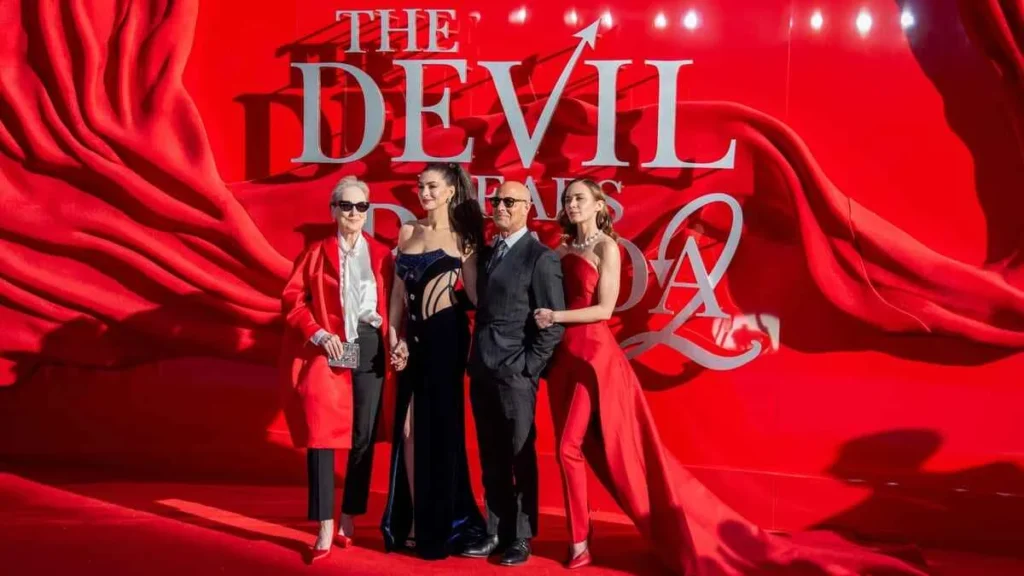
The contemporary landscape of Human Resources is experiencing an unprecedented period of flux, grappling with the rapid integration of artificial intelligence, a dynamic evolution of employment legislation, and the profound reshaping brought by Equity, Diversity, and Inclusion (EDI) initiatives. In this maelstrom of change, an unlikely, yet profoundly insightful, guide emerges from the world of high fashion: the iconic film The Devil Wears Prada. This cinematic narrative, far from being a mere entertainment piece, serves as a potent case study for understanding the perennial challenges and critical responsibilities of HR professionals, offering stark illustrations of toxic leadership, workplace bullying, and the imperative for robust employee protection.
The Fashion Industry: A Paradoxical Mirror for HR Challenges
At first glance, the glamorous, trend-driven world of fashion might appear a universe apart from the meticulous, regulation-bound domain of HR. However, beneath the veneer of haute couture and celebrity, the industry presents a unique and often extreme set of challenges that HR teams must navigate. Maintaining a positive, equitable, and legally compliant workplace culture within an environment that valorizes intense creativity, eccentricity, and often an aggressive pursuit of perfection can be extraordinarily difficult. The very nature of fashion, with its cyclical trends and subjective beauty standards, can foster an "emperor’s new clothes" mentality, where critical feedback or adherence to conventional norms may be stifled in favor of maintaining a certain aesthetic or power dynamic.
Historically, the fashion industry has been plagued by a litany of scandals that underscore the profound difficulties faced by HR professionals in upholding ethical standards. Instances of creative directors making racially insensitive remarks, the pervasive idealization of unattainable thinness, widespread cultural appropriation, documented cases of human trafficking within supply chains, and persistent issues of poor working conditions and exploitative pay in manufacturing hubs are well-documented. A 2022 report by the Business & Human Rights Resource Centre, for example, highlighted that 93% of fashion brands surveyed were failing to adequately address modern slavery risks in their supply chains. Despite these systemic issues, the industry remains immensely attractive to a vast workforce, celebrated for its vibrant creativity, innovation, and global cultural impact. This dichotomy — the allure versus the underlying ethical issues — makes it a critical, albeit often challenging, sector for HR to manage effectively.
The Enduring Cultural Resonance of The Devil Wears Prada
Released in 2006, the film The Devil Wears Prada, based on Lauren Weisberger’s 2003 novel, quickly became a cultural phenomenon. Its enduring appeal is evidenced by its continued relevance nearly two decades later, with a new film adaptation reportedly in development and a highly successful West End musical currently drawing sell-out crowds to the Dominion Theatre in London. This sustained popularity underscores the universal themes it explores: ambition, identity, the cutthroat nature of certain industries, and, crucially for HR, the profound impact of a toxic workplace and abusive leadership.
Jayne Harrison, head of employment law at Richard Nelson LLP, astutely observes that the film, beyond its entertainment value, functions as a powerful, albeit exaggerated, HR case study. The character of Miranda Priestly, the formidable editor-in-chief of the fictional fashion magazine Runway (widely believed to be inspired by Vogue‘s Anna Wintour), has become the quintessential pop culture symbol of the nightmare boss. Harrison notes, "While her impossible demands and cutting remarks make for entertaining cinema, the toxic workplace dynamics portrayed in the film reflect very real issues faced by employees today." The film vividly illustrates how unchecked power, unreasonable expectations, and a culture of fear can erode employee well-being, productivity, and ultimately, a company’s reputation.
Miranda Priestly: A Masterclass in HR Violations
Harrison meticulously breaks down several key scenes from The Devil Wears Prada, highlighting their direct implications under employment law and best HR practices. These instances serve as stark reminders of the boundaries between demanding management and unlawful workplace behavior.
-
Unreasonable Expectations and Hostile Work Environment: One of the film’s most memorable moments involves Miranda demanding that her new assistant, Andy Sachs (portrayed by Anne Hathaway), secure a flight from Florida to New York during a hurricane, despite all planes being grounded. Harrison points out that this scenario "demonstrates unreasonable expectations, intimidation, and the creation of a hostile work environment." In a real-world context, such demands, especially when they are excessive, degrading, or pose a risk to an employee’s safety or mental health, can easily cross the line into unlawful territory. Modern employment law, across various jurisdictions, emphasizes an employer’s duty of care to ensure a safe and healthy working environment, which extends beyond physical safety to psychological well-being. Repeatedly pressuring an employee to achieve impossible tasks under duress can constitute harassment or contribute to a hostile environment claim.

-
Abuse of Power and Potential Constructive Dismissal: The infamous request for unpublished Harry Potter manuscripts for Miranda’s twin daughters is another prime example of power abuse. While seemingly trivial, Harrison explains that "threatening an employee’s job over personal errands outside their contractual duties could amount to a serious breach of trust." In legal terms, this behavior could contribute to a claim of constructive dismissal, where an employee resigns because the employer’s conduct has made it impossible to continue working. Such actions fundamentally alter the terms of employment and demonstrate a disregard for the employee’s role and boundaries, forcing them to choose between their job and their personal integrity or legal rights. The implied threat of job loss for failing to perform non-work-related tasks is a clear misuse of authority.
-
Workplace Bullying and Psychological Impact: Miranda’s public humiliation of Andy over her "cerulean" sweater is a chilling portrayal of workplace bullying. While some might dismiss it as "tough management," Harrison clarifies that "the key factor is not managerial intent, but the impact repeated behaviour has on an employee’s mental and psychological wellbeing." Bullying is defined by its effect on the victim, not necessarily the perpetrator’s intention. Persistent demeaning comments, public shaming, or belittling an employee’s appearance or abilities can lead to severe psychological distress, including anxiety, depression, and decreased self-esteem. Such behavior is a direct violation of anti-bullying and anti-harassment policies that are standard in most modern workplaces and can have significant legal repercussions, particularly if it contributes to a toxic culture that forces an employee out. A 2021 study by the Workplace Bullying Institute found that 30% of U.S. workers have experienced bullying, with 67% of bullies being managers.
-
Coercion, Favouritism, and Inappropriate Delegation: The Paris trip ultimatum, where Andy is forced to deliver devastating news to Emily (her colleague) under threat of dismissal, exemplifies coercion, favouritism, and an egregious delegation of managerial responsibilities. This act of pitting employees against each other, leveraging one’s job security against another’s, is a highly unethical and potentially illegal practice. It fosters an environment of intense competition and distrust, undermining team cohesion and psychological safety. Furthermore, Miranda’s constant last-minute demands for food and coffee, only to dismiss them moments later, can be viewed as psychological harassment. This pattern of shifting expectations, designed to keep an employee on edge and perpetually failing, profoundly undermines trust and confidence, creating a highly stressful and unsustainable work environment. This type of behavior can fall under the umbrella of psychological harassment or even mobbing, depending on its severity and frequency.
The Broader Implications for Modern HR
While The Devil Wears Prada is an exaggerated fictional portrayal, the core issues it presents resonate deeply with the challenges HR professionals face today. The rise of AI, for instance, introduces new ethical considerations regarding algorithmic bias in hiring, performance management, and surveillance, requiring HR to develop robust policies to ensure fair and transparent use of technology. Changes in employment law, such as evolving regulations around flexible working, gig economy workers, and enhanced protections against discrimination and harassment, necessitate constant vigilance and adaptation from HR departments. Moreover, the increasing emphasis on EDI is transforming how organizations approach talent acquisition, development, and retention, demanding proactive strategies to foster inclusive cultures that value diverse perspectives and experiences.
The film serves as a powerful reminder that while technology and legislation evolve, the fundamental human element of the workplace remains critical. Leaders like Miranda Priestly, who prioritize personal whim over professional conduct and employee well-being, pose significant risks to organizational health.
- Leadership Accountability: The film underscores the critical importance of holding leaders accountable for their behavior. HR departments must have clear mechanisms for reporting and addressing managerial misconduct, regardless of the individual’s position or perceived indispensability. A strong ethical leadership framework is essential.
- Robust Policies and Training: Comprehensive anti-bullying, anti-harassment, and code of conduct policies, coupled with mandatory training for all employees, especially managers, are non-negotiable. These policies must be clearly communicated, consistently enforced, and regularly reviewed.
- Employee Well-being and Support: Organizations must prioritize employee mental and psychological well-being. This includes providing access to employee assistance programs (EAPs), promoting work-life balance, and fostering a culture where seeking support is encouraged, not stigmatized.
- Constructive Feedback and Performance Management: While demanding high standards is acceptable, the manner in which feedback is delivered is crucial. Performance management should be constructive, fair, and focused on development, not humiliation or intimidation.
- Whistleblower Protection: Employees must feel safe to report misconduct without fear of retaliation. Strong whistleblower protection policies are vital for identifying and rectifying toxic workplace behaviors.
The Legal Landscape and Employee Protections
In many jurisdictions, the type of behavior exhibited by Miranda Priestly would lead to serious legal consequences. Employment tribunals and courts increasingly recognize the psychological impact of workplace misconduct. Claims for unfair dismissal, constructive dismissal, discrimination (if the harassment is linked to a protected characteristic), and personal injury due to workplace stress are common. The legal imperative for employers to provide a safe working environment, free from harassment and bullying, is robust. Failure to do so can result in significant financial penalties, reputational damage, and a loss of talent. The sheer volume of employment tribunal cases, often linked to unresolved workplace conflicts and poor management, highlights the persistent reality of these issues.
Conclusion: A Call for Proactive HR
Anna Wintour, the real-life inspiration for Miranda Priestly, famously expressed her enjoyment of The Devil Wears Prada, finding it "very funny" and describing the protagonists as "caricatures." While the film undoubtedly exaggerates for comedic and dramatic effect, Harrison’s analysis reveals that the underlying issues are far from caricature for many employees. "While exaggerated for film, Miranda Priestly’s behaviour reflects workplace issues many employees still experience today," Harrison concludes, echoing the sentiment that tribunals remain busy for a reason.
The lessons from The Devil Wears Prada are timeless. They underscore that while the tools and technologies of HR may evolve, the fundamental principles of respect, fairness, and psychological safety in the workplace remain paramount. As HR navigates the complexities of AI, new legal frameworks, and the imperative for true EDI, the fictional Runway office serves as a potent reminder: a truly successful organization is one where the pursuit of excellence is balanced with a steadfast commitment to employee well-being and ethical leadership, ensuring that no one is forced to endure a personal hell in the name of professional ambition. The movie, therefore, is not just a fashion fantasy but a vital cautionary tale for every HR professional and leader.








