Organizations worldwide increasingly rely on employee survey tools to gauge sentiment, foster engagement, and identify areas for improvement. However, the effectiveness of these tools hinges on their ability to elicit honest feedback, a challenge directly tied to the level of trust employees have in their leadership and the survey process itself. Recent research highlights a critical disconnect: only 19% of employees feel genuinely connected to their managers. This lack of connection directly impacts their willingness to share candid feedback, as they are less likely to believe their input will be valued or that it’s safe to express it. The latest Engagement and Retention Report underscores this sentiment, revealing that employees who feel connected to their managers are more than twice as likely to feel appreciated. Consequently, the efficacy of traditional employee survey tools is being re-evaluated, with a growing demand for platforms that move beyond mere data collection to actively facilitate trust, protect anonymity, and translate insights into tangible organizational change. This article delves into the evolving role of employee survey tools, outlines key features to consider, and reviews prominent platforms poised to shape more connected and productive workplaces in the coming years.
Understanding the Purpose and Evolution of Employee Survey Tools
At its core, an employee survey tool is a software solution designed to systematically gather feedback from employees regarding their workplace experiences. These platforms serve as crucial instruments for HR departments and leadership teams, providing invaluable insights into what aspects of the employee experience are functioning effectively, what challenges need addressing, and where strategic interventions are most needed.

The application of these tools is broad and varied, encompassing standard engagement and satisfaction surveys. They are also integral to understanding the employee lifecycle, with tools facilitating onboarding surveys to assess new hire integration, exit surveys to capture reasons for departure, and "stay" surveys to identify factors contributing to retention. Beyond these foundational uses, modern platforms increasingly support specialized surveys focused on Diversity, Equity, and Inclusion (DEI), fostering a sense of belonging, and evaluating manager effectiveness. This comprehensive approach allows organizations to build a nuanced and evolving understanding of employee sentiment over time.
A critical distinction exists between basic survey software and purpose-built employee feedback platforms. While generic tools can collect responses, specialized solutions are engineered with robust anonymity safeguards, sophisticated participation tracking, and advanced analytics designed to make feedback interpretation straightforward and actionable. This difference is not merely technical; it has a direct impact on employee behavior. Research indicates that when employees trust the feedback process, they are a significant 30% more likely to exceed expectations in their roles. This underscores the direct correlation between a trusted survey environment and enhanced employee performance and commitment.
Key Features for Effective Employee Survey Tools
Selecting the right employee survey tool requires a clear understanding of the features that differentiate basic survey software from platforms engineered to cultivate engagement, build trust, and drive measurable business outcomes. The following are critical considerations:
Survey Design and Question Libraries
The ability to ask pertinent questions is fundamental. Leading survey tools offer extensive libraries of proven questions, often validated by research, alongside flexible templates. These resources significantly streamline the creation of surveys focused on engagement, culture, employee lifecycle, and manager effectiveness, eliminating the need to start from scratch and ensuring questions are well-formulated and relevant.
Anonymity and Confidentiality Controls
Trust is the bedrock of honest feedback. Platforms must offer robust anonymity and confidentiality features. This includes implementing anonymity thresholds (ensuring responses are only visible when a minimum number of participants have responded), role-based access controls to limit who sees sensitive data, and clear communication about data privacy. These safeguards empower employees to share their genuine thoughts without fear of reprisal.
Real-Time Reporting and Dashboards
Timeliness is paramount in addressing employee concerns. Real-time reporting and dynamic dashboards enable HR teams and leaders to identify emerging trends, patterns, and potential issues as they arise. The ability to filter results by department, team, or role allows for targeted interventions before minor concerns escalate into significant problems.

Benchmarking and Trend Analysis
Contextualizing survey results is crucial for understanding progress. Tools that offer benchmarking capabilities allow organizations to compare their engagement scores against industry averages or internal historical data. Trend analysis over time helps leaders determine whether implemented initiatives are yielding positive results and identify areas requiring sustained focus.
Action Planning and Accountability Tools
Collecting feedback is merely the initial step. The true value lies in acting upon it. Effective tools facilitate the creation of action plans by allowing for the assignment of owners, setting clear timelines for completion, and tracking progress. This demonstrates to employees that their feedback is not just heard but acted upon, fostering a culture of accountability and continuous improvement.
Integrations with HRIS, Collaboration, and Recognition Platforms
Seamless integration into existing workflows enhances efficiency and impact. Survey tools that connect with Human Resource Information Systems (HRIS), Human Capital Management (HCM) platforms, collaboration tools (like Slack or Microsoft Teams), and employee recognition platforms reduce administrative burden. Integrating feedback with these systems allows for a more holistic view of employee experience and connects insights directly to daily work and appreciation.
Security, Compliance, and Scalability
As organizations grow and their data needs evolve, survey and feedback tools must be secure, compliant with data protection regulations (such as GDPR), and scalable. Enterprise-grade security measures, robust data protection protocols, and compliance certifications ensure the reliability, consistency, and trustworthiness of feedback programs over the long term.
Top Employee Survey Tools for Building a Connected Workplace
The market offers a diverse range of employee survey tools, each with unique strengths and target audiences. Here’s a look at some leading platforms:
1. Achievers
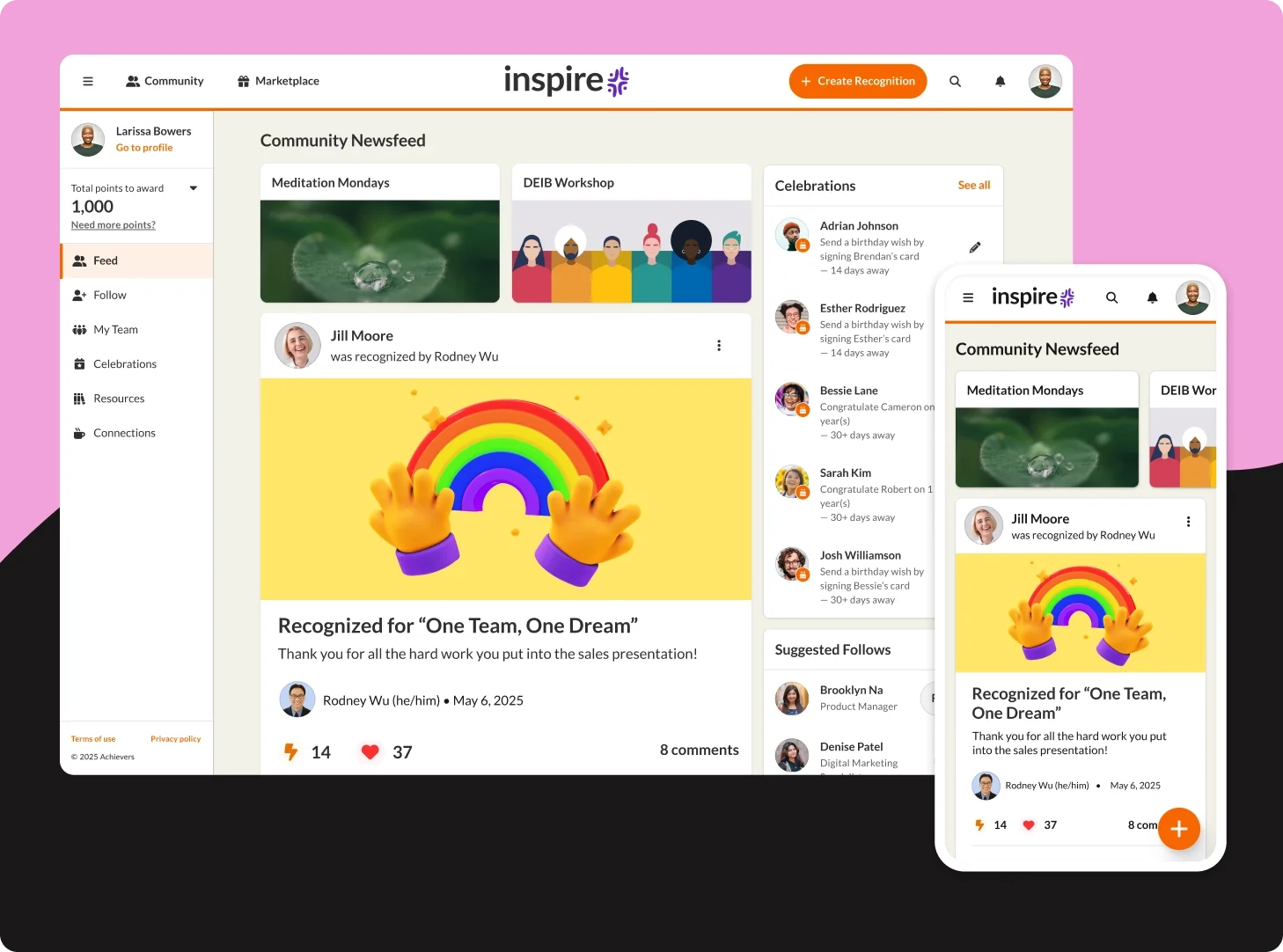
Achievers presents itself as a unified employee experience platform, integrating survey capabilities within a broader "Voice of Employee" toolkit. This includes sentiment surveys, lifecycle feedback mechanisms, quizzes, and polls, all supported by real-time analytics designed to surface actionable insights and promote follow-through. A key differentiator is the platform’s seamless integration with recognition and rewards features, allowing organizations to celebrate and act upon feedback effectively. Its enterprise-grade reporting and global scalability make it suitable for complex, international organizations.
- Best for: Organizations seeking a comprehensive employee experience solution that embeds surveys within a larger framework of listening, recognition, and rewards.
- Key Features: Unified employee experience platform, Voice of Employee toolkit, recognition and rewards integration, enterprise-grade reporting, global scalability.
- Weakness: May be more extensive than needed for organizations seeking only basic survey functionality.
2. ThriveSparrow
ThriveSparrow offers an employee success platform that merges employee surveys with performance management and engagement tools. It supports continuous listening through pulse surveys and eNPS, augmented by AI-driven sentiment analysis for open-text feedback. The platform’s ability to link action plans to survey results and its accessibility features for deskless workers, such as QR-code surveys and multilingual support, are significant advantages.
- Best for: Teams looking for an integrated platform for surveys, performance feedback, goals, and check-ins.
- Key Features: Continuous listening tools, AI sentiment analysis, action planning integration, support for deskless teams.
- Weakness: May have limitations in deep enterprise integrations and advanced reporting flexibility for highly complex needs.
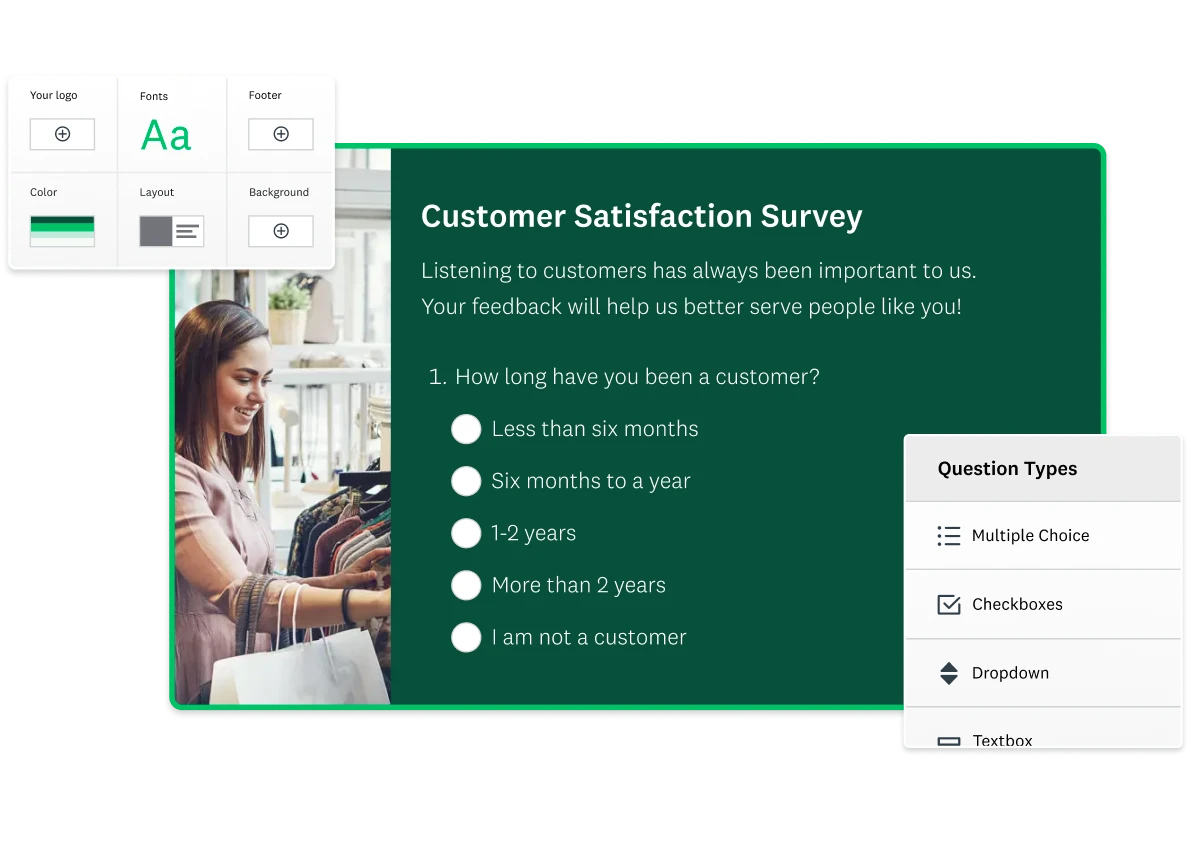
3. SurveyMonkey
A widely recognized name in survey technology, SurveyMonkey provides a versatile platform suitable for employee, customer, and market research. It boasts an extensive template library, an AI-assisted survey builder, and diverse distribution channels. Its analytics tools help teams identify trends and share insights effectively, making it a strong contender for general-purpose feedback collection.
- Best for: Teams requiring a flexible and user-friendly survey tool for various feedback collection needs.
- Key Features: Large template library, AI-assisted building, multiple distribution options, robust analytics.
- Weakness: May offer fewer built-in functionalities for directly linking survey results to ongoing action planning and recognition programs compared to specialized HR platforms.
4. Qualtrics
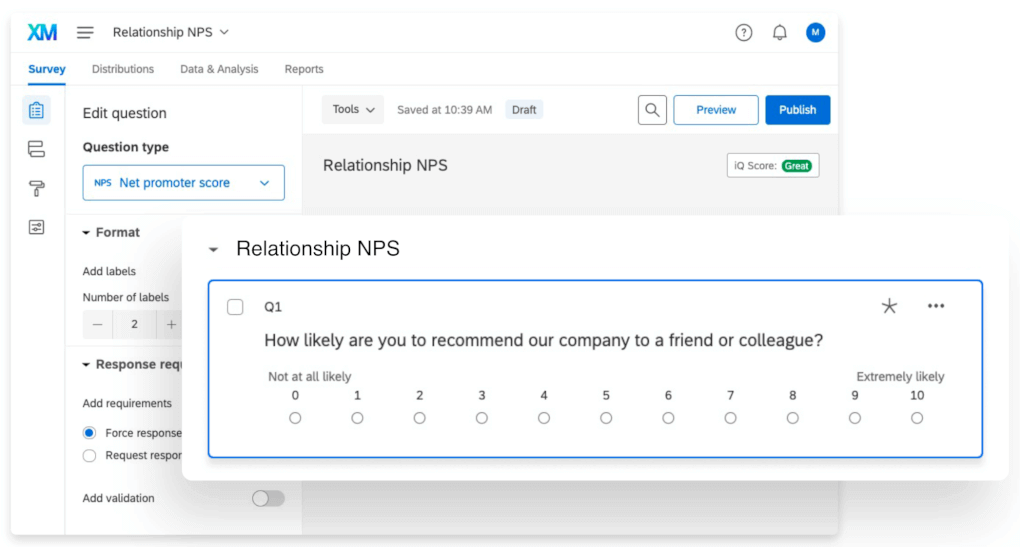
Qualtrics is a comprehensive experience management platform adept at collecting and analyzing employee feedback at scale. It supports a wide array of surveys, including engagement, pulse, and lifecycle surveys, with sophisticated tools for trend tracking and analyzing large volumes of data, including qualitative feedback. Its guided action planning features are designed to help managers translate insights into concrete steps.
- Best for: Large organizations aiming for a robust employee listening program with advanced benchmarking and analytics.
- Key Features: Scalable feedback collection, trend analysis, open-text analysis, guided action planning.
- Weakness: May offer fewer integrated options for directly linking feedback to recognition and rewards.
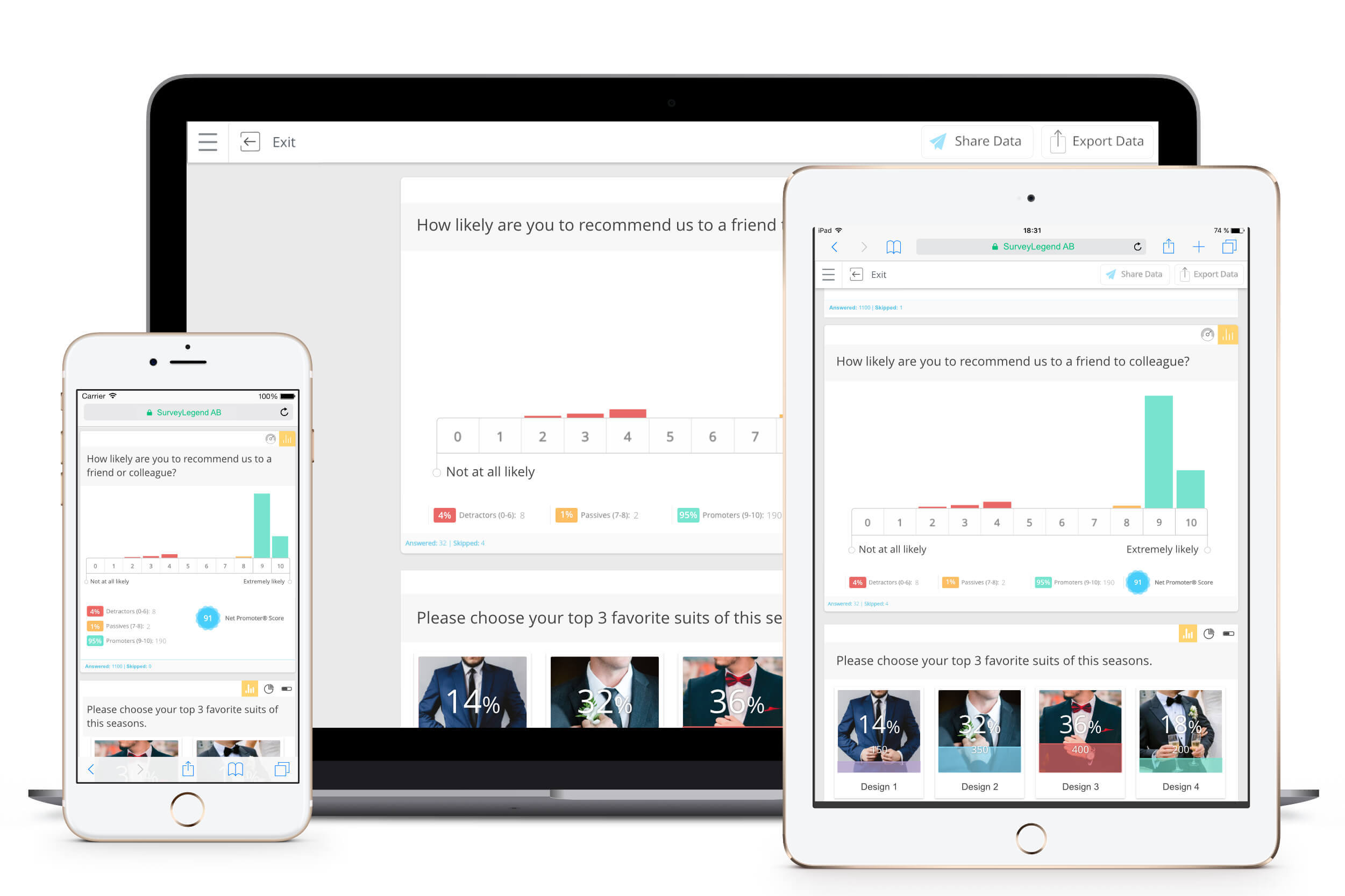
5. SurveyLegend
SurveyLegend distinguishes itself with a focus on ease of use and visually appealing survey design. Its drag-and-drop interface, diverse question types, and strong customization options, including themes and branding, make it an attractive choice for teams prioritizing aesthetics and quick deployment. Real-time analytics further enhance its usability.
- Best for: Teams seeking a simple, design-centric survey tool for rapid feedback collection and sharing.
- Key Features: User-friendly interface, extensive customization, real-time analytics, drag-and-drop creation.
- Weakness: Less suited for organizations requiring tools specifically designed for ongoing listening programs and scalable action planning.
6. Vantage Circle
Vantage Circle integrates employee feedback within a broader suite of services including recognition, rewards, well-being, and perks. Its "Vantage Pulse" survey offering supports pulse surveys, eNPS, and lifecycle surveys, complemented by AI-powered sentiment analysis for real-time understanding of employee sentiment. The platform provides dashboards and action-oriented insights to guide leadership responses.
- Best for: Organizations looking to combine employee surveys with recognition, wellness initiatives, and employee perks.
- Key Features: Integrated employee engagement suite, AI sentiment analysis, action-oriented insights.
- Weakness: May not cater to organizations requiring highly advanced analytics and reporting capabilities at a large scale.
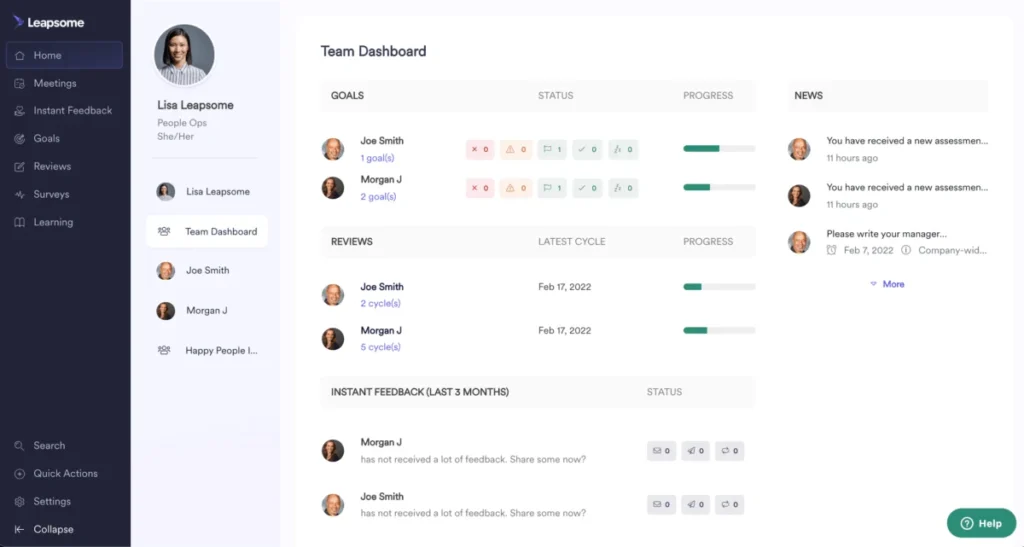
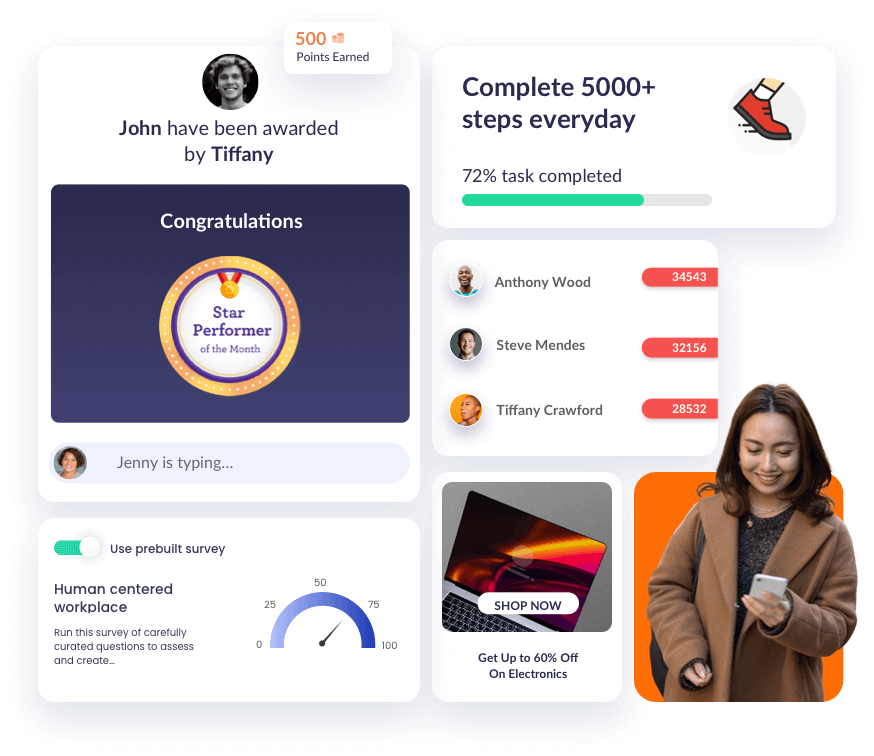
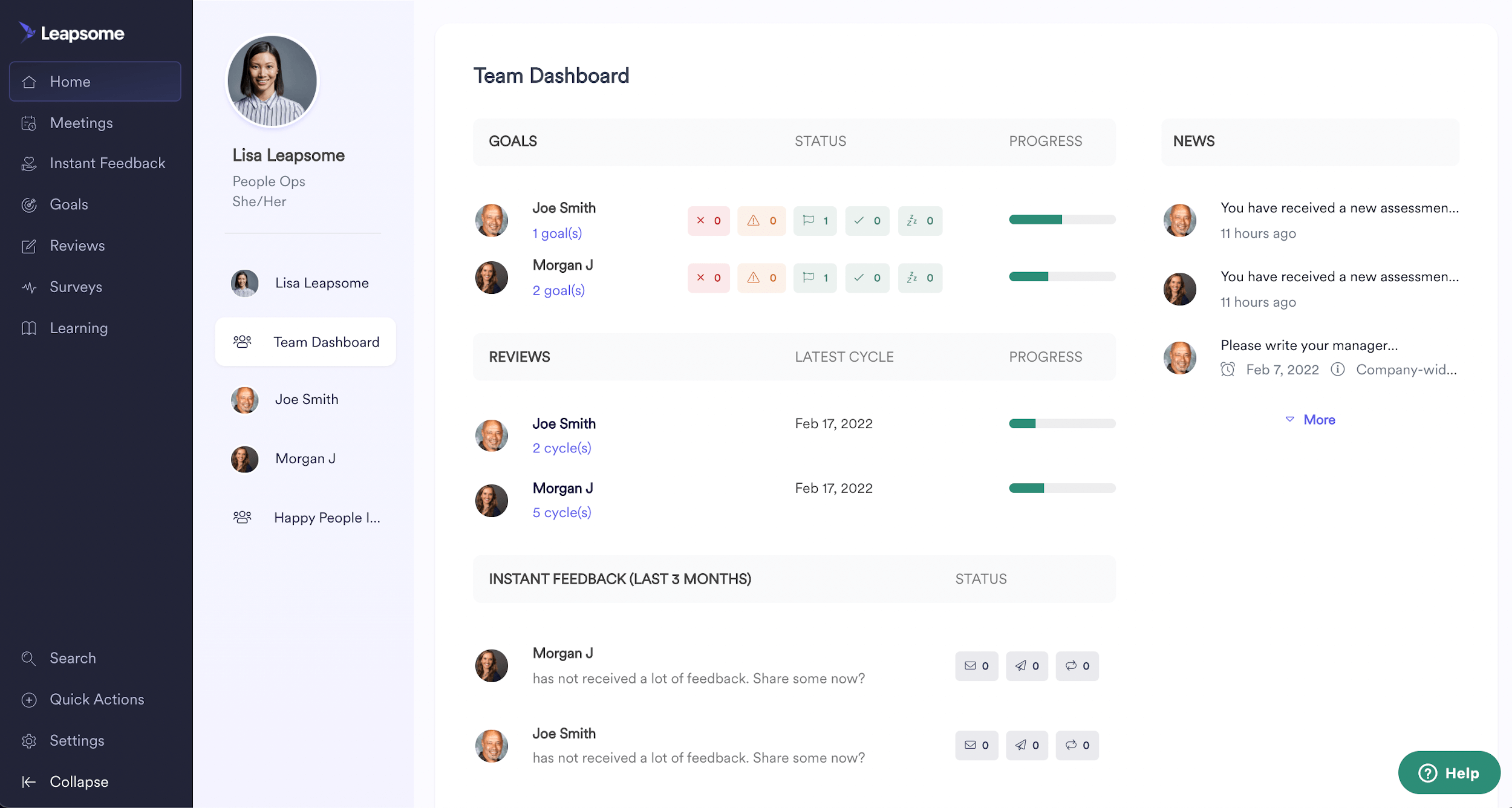
7. Leapsome
Leapsome consolidates core HR functions, performance management, and employee surveys into a single system. Its survey tools support various survey types, enhanced by AI-powered analysis to summarize responses and identify key themes. The integration of surveys with goal-setting, feedback, and performance workflows allows for a connected view of engagement alongside other people data.
- Best for: Organizations aiming to tightly link employee surveys with performance management, goal achievement, and professional development.
- Key Features: Integrated HR and performance tools, AI analysis, connection to goals and development.
- Weakness: May require more internal effort for designing and executing large-scale recognition and feedback programs.
8. Lattice
Lattice is a people management platform that unifies performance management, goal tracking, engagement surveys, and feedback. Its survey tools offer AI-powered insights to help identify trends and gauge employee sentiment. The close ties between surveys, goals, feedback, and 1:1 meetings enable managers to review engagement data alongside ongoing performance discussions.
- Best for: Businesses that want employee surveys deeply integrated with performance management, goal setting, and daily manager workflows.
- Key Features: Performance management integration, AI insights, connection to 1:1s and goals.
- Weakness: Less ideal for organizations prioritizing a dedicated employee engagement platform with extensive recognition features.
9. XOXOday (Empuls)
XOXOday offers a global rewards and incentives platform, complemented by Empuls, its employee engagement solution. Empuls combines recognition, rewards, surveys, perks, and internal communication. The platform supports pulse surveys, eNPS, and lifecycle feedback, enhanced by AI sentiment analysis and a broad rewards marketplace for global redemption options.
- Best for: Teams seeking to combine employee surveys with robust rewards and incentive programs.
- Key Features: Integrated engagement and rewards, global rewards marketplace, AI sentiment analysis.
- Weakness: May lack the advanced capabilities for consistent recognition and feedback programs across very large or complex teams.
10. SurveyLab
SurveyLab is a professional online survey platform designed for comprehensive research, including employee, customer, and market research. It supports a wide range of survey types, such as engagement surveys and 360-degree feedback, offering features like advanced logic, branching, multi-language support, and mobile-friendly distribution.
- Best for: Teams needing a versatile survey tool for employee feedback, 360 reviews, and research initiatives.
- Key Features: Broad survey support, advanced logic, multilingual capabilities, mobile optimization.
- Weakness: Might require additional tools to manage employee listening as an ongoing, organization-wide program rather than a series of standalone surveys.
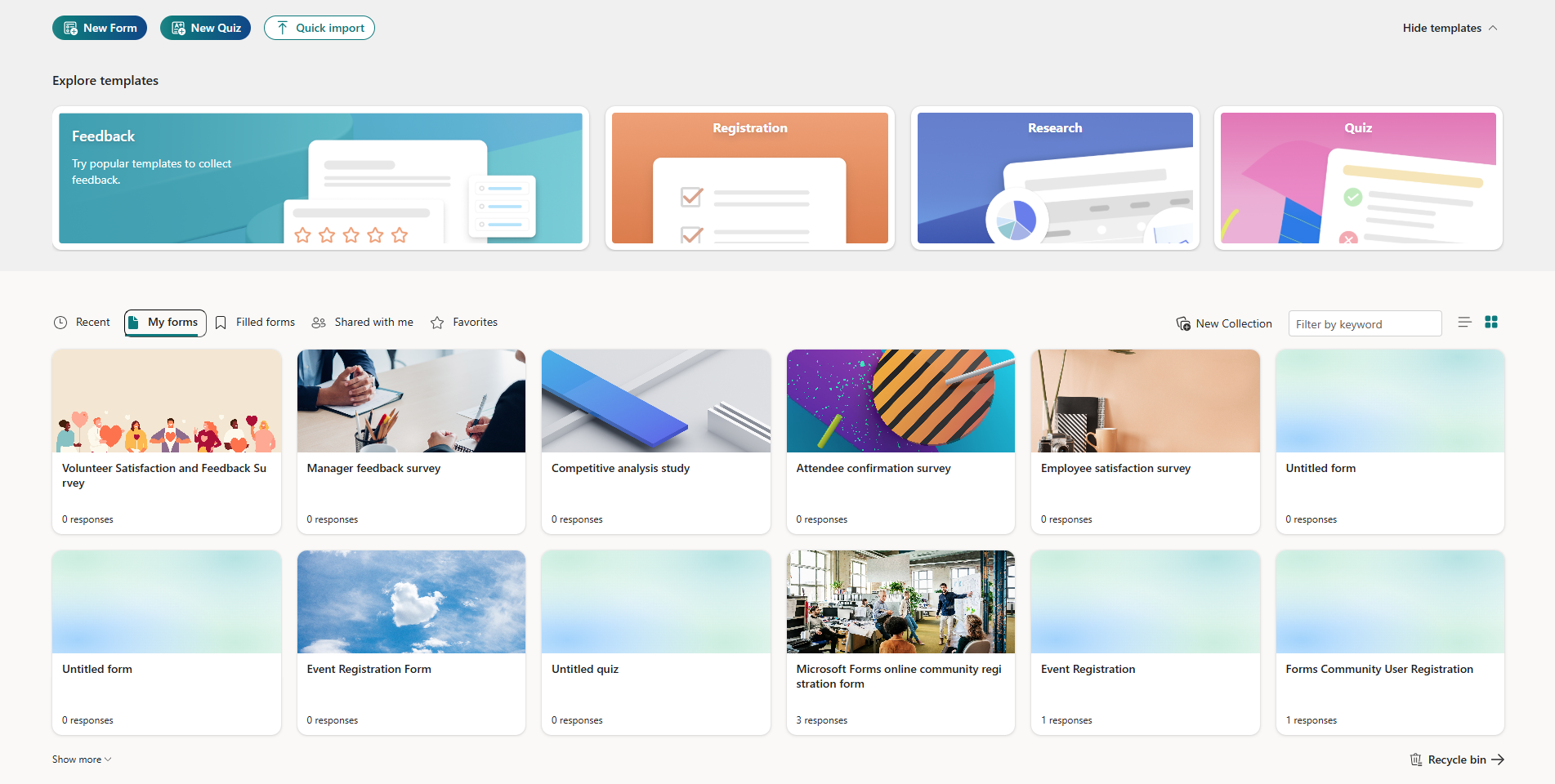
11. Microsoft Forms
Included with Microsoft 365 subscriptions, Microsoft Forms provides a straightforward tool for creating surveys, polls, and questionnaires. It offers templates, basic logic capabilities, and real-time response summaries, with seamless integration into other Microsoft applications like Excel, Teams, and SharePoint.
- Best for: Teams already invested in the Microsoft 365 ecosystem seeking a convenient tool for basic feedback collection.
- Key Features: Native Microsoft 365 integration, simple interface, quick survey creation.
- Weakness: Better suited for simple surveys than for managing structured, long-term employee listening programs.
12. LutherOne
LutherOne positions itself as a people analytics and engagement platform focused on continuous employee listening and real-time insights. It supports pulse surveys, engagement tracking, and 360-degree feedback, with dashboards designed to highlight trends in engagement, eNPS, and attrition risk.
- Best for: Teams prioritizing regular employee surveys coupled with real-time dashboards and predictive analytics.
- Key Features: Continuous listening, real-time analytics, predictive insights.
- Weakness: Organizations seeking a more unified engagement solution with extensive recognition features might find it less comprehensive in those areas.
13. Officevibe by Workleap
Workleap’s Officevibe product is a people management tool focused on continuous engagement through pulse surveys and anonymous feedback. It provides clear reporting to help managers identify trends and issues early, offering guidance and recommended actions to support follow-through.

- Best for: Small to mid-sized organizations seeking an engagement and performance platform with built-in manager support.
- Key Features: Pulse surveys, anonymous feedback, manager guidance, trend identification.
- Weakness: May not offer the same breadth and depth of engagement data as more specialized platforms, potentially requiring supplementary advanced tools.
14. TMA Performance (formerly DecisionWise)
TMA Performance offers a talent and employee experience platform that emphasizes understanding both the work environment and individual motivations. It provides employee engagement and lifecycle surveys, competency-based 360-degree feedback, and talent assessments, focusing on diagnostic insights through structured models.
- Best for: Organizations looking to combine engagement surveys with talent assessments and competency-based development tools.
- Key Features: Talent assessments, 360-degree feedback, diagnostic survey models.
- Weakness: May require additional tools for organizations needing ongoing, real-time engagement signals and faster action cycles.
15. Rippling
Rippling Surveys is integrated into Rippling’s comprehensive workforce platform, allowing survey results to be viewed alongside existing employee data. It supports common survey types and can automate survey distribution based on employee lifecycle events. Role-based permissions enhance data security and access control.
- Best for: Teams already utilizing Rippling who want surveys integrated with HR workflows and automated follow-ups.
- Key Features: Integration with HRIS, automated surveys, role-based permissions.
- Weakness: May be less suited for organizations prioritizing an employee experience-led approach that deeply connects feedback to structured action planning and recognition.
Best Practices for Maximizing Employee Survey Effectiveness
Even the most advanced survey tools can fall short if not implemented strategically. Adhering to best practices is crucial for deriving meaningful insights and driving positive change:

Choosing the Right Survey Cadence
The frequency of surveys should be thoughtfully balanced. A consistent mix of comprehensive engagement surveys and shorter, more frequent pulse surveys throughout the year often yields better results than a high volume of surveys. Consistency helps employees anticipate and engage with the process, and seeing follow-through reinforces their participation.
Writing Effective, Bias-Free Questions
Data quality begins with question quality. Surveys should use clear, neutral language, focusing on experiences employees can reliably assess. Avoid leading questions or overly complex phrasing. Importantly, surveys should concentrate on themes that leadership is prepared to address, such as drivers of engagement, manager effectiveness, professional growth, and belonging.
Driving Participation Without Survey Fatigue
Clear communication about the survey’s purpose, keeping surveys concise, and explaining the value of feedback are key to maintaining participation. Crucially, closing the feedback loop—demonstrating how input leads to tangible improvements—is the most effective strategy against survey fatigue. When employees see their voices translate into positive change, they are more motivated to participate again.

Communicating Results Transparently
Sharing survey results, even when challenging, builds credibility and trust. Organizations should communicate key themes, identified priorities, and planned next steps. Transparency signals that employee feedback is taken seriously and valued, fostering a more open and honest dialogue.
Turning Insights into Visible Action
High-performing organizations translate survey insights into concrete action plans with defined owners and timelines. Visible progress, even on smaller initiatives, reinforces the message that employee input drives change and strengthens connections across the organization over time.
Supporting Diverse Workforces
Survey programs must be inclusive and accessible to all employees, regardless of their work arrangement (remote, hybrid, or on-site) or role. This includes ensuring mobile-friendly access, designing surveys with diverse perspectives in mind, and analyzing data to account for the varied experiences across different work settings.
From Answers to Action: Turning Survey Feedback into Measurable Workplace Improvements
The ultimate success of any employee survey initiative lies not in the volume of responses collected, but in the tangible improvements that result. Organizations that excel in this area move beyond simply gathering data to actively transforming insights into actionable strategies.
Focusing on Key Employee Experience Moments
Not all data points are created equal. Survey feedback is most impactful when it’s directly linked to the critical moments that shape an employee’s day-to-day experience. This often includes areas such as recognition, opportunities for growth and internal mobility, the effectiveness of managers, and the cultivation of a strong sense of belonging. By concentrating on these high-impact areas, businesses can address the root causes of engagement and retention challenges, moving beyond superficial scores to drive meaningful change.
Building Visible and Understandable Action Plans
When survey insights disappear into a dashboard without clear follow-up, their credibility erodes. High-impact organizations use survey data to develop clear, transparent action plans with defined owners, realistic timelines, and regular progress updates. Even when changes require time, visibility is paramount. Employees understand that not all issues can be resolved instantly, but they expect to see demonstrable progress and a commitment to improvement.
Reinforcing Progress with Frequent Recognition
While listening builds trust, recognition solidifies positive behaviors and reinforces the value of employee input. When leaders acknowledge progress, celebrate improvements, or specifically recognize teams for acting on feedback, employees feel genuinely valued for their contributions and willingness to share their perspectives. This cyclical process encourages ongoing engagement and a greater willingness to provide honest feedback in the future, creating a virtuous loop of improvement and connection.
The journey from collecting survey answers to driving measurable workplace improvements is ongoing. By choosing the right tools and implementing them with strategic best practices, organizations can transform employee feedback from a mere data collection exercise into a powerful engine for positive cultural change and sustained business success.