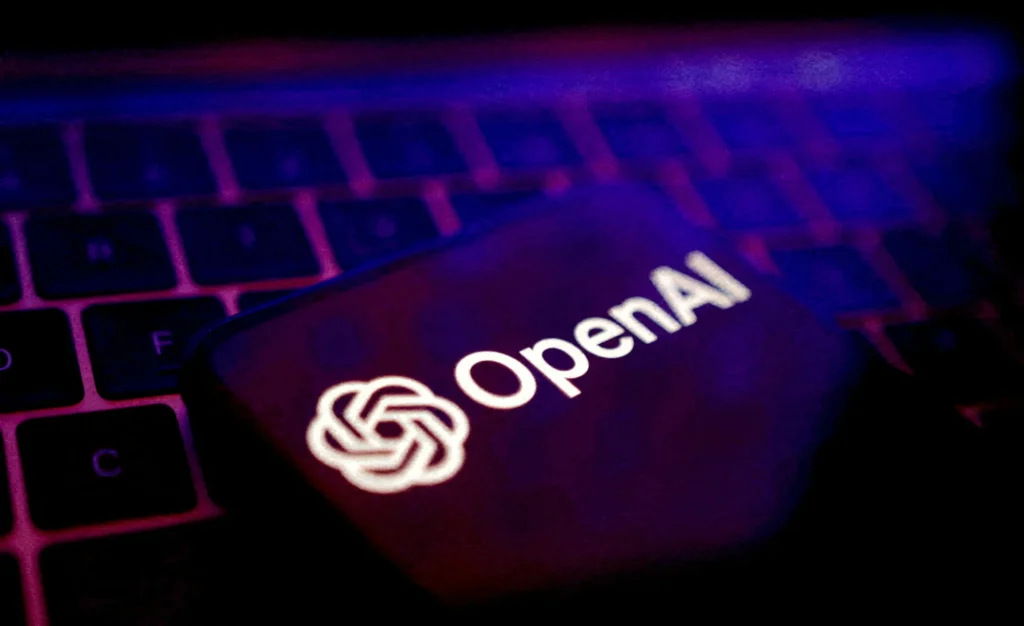
OpenAI announced on Monday the establishment of a new, independent company dedicated to assisting organizations in building and deploying advanced artificial intelligence systems. The initiative is backed by an initial investment exceeding $4 billion and bolstered by the immediate acquisition of Tomoro, an AI consulting firm, which will accelerate the unit’s scaling capabilities. This strategic move signals OpenAI’s aggressive push into the enterprise sector, aiming to translate the consumer success of its AI models into large-scale business applications.
Strategic Pivot Towards Enterprise AI Deployment
Following the widespread consumer adoption and enthusiasm for its groundbreaking AI models, OpenAI has intensified its efforts to secure corporate partnerships and establish a significant footprint within the business world. The company recognizes the immense potential for its AI technologies to drive transformative changes across various industries. The creation of the OpenAI Deployment Company is a direct manifestation of this strategy, aiming to bridge the gap between cutting-edge AI research and practical, large-scale implementation within businesses.
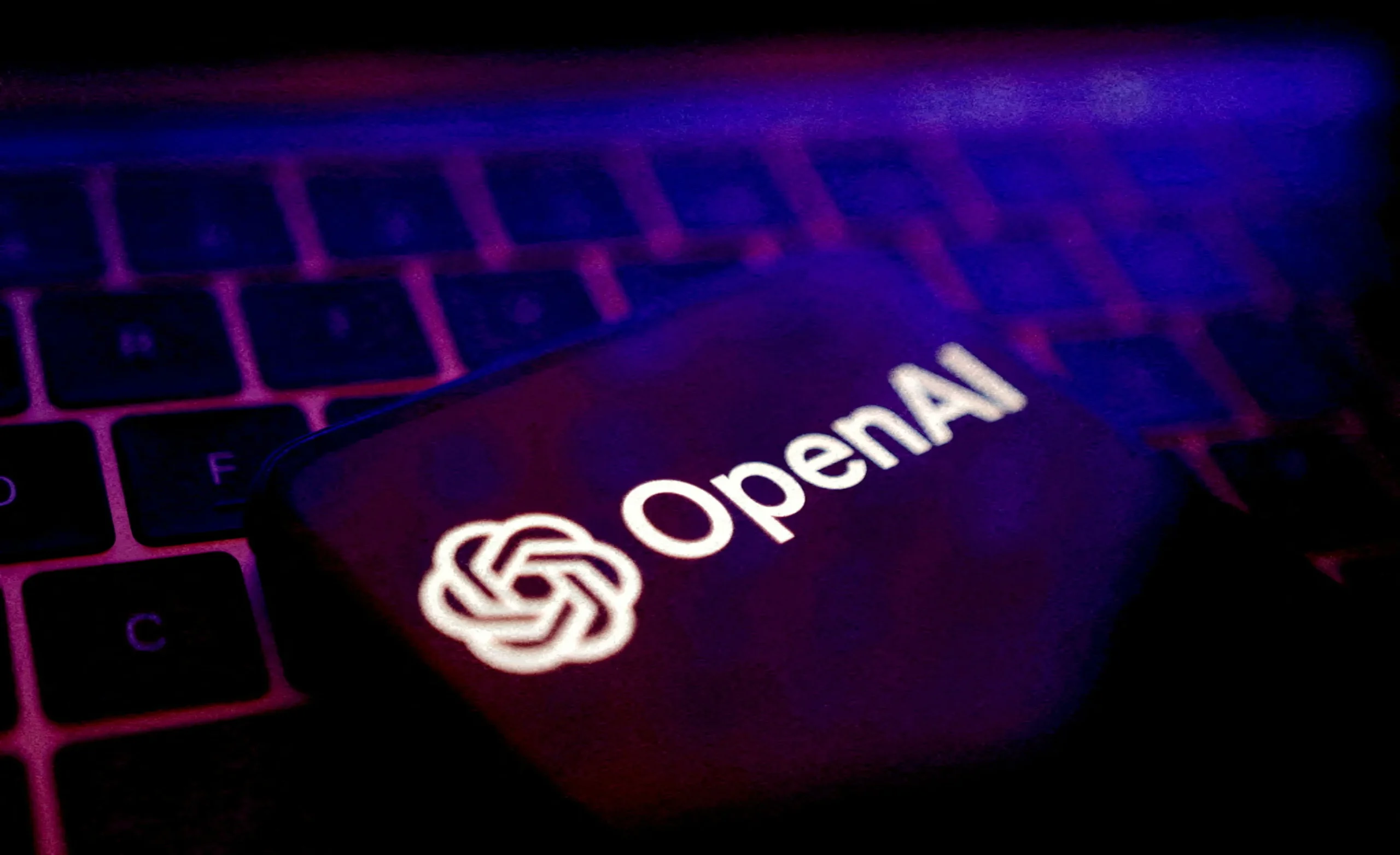
The newly formed entity, which will be majority-owned and controlled by OpenAI, enters a competitive landscape where rivals are also making significant strides in the enterprise AI market. Notably, competitor Anthropic has been experiencing considerable success with its Claude family of models, which have seen rapid adoption among businesses seeking sophisticated AI solutions. OpenAI’s move is perceived as a proactive step to solidify its market position and capture a larger share of this burgeoning sector.
Introducing the OpenAI Deployment Company
The OpenAI Deployment Company is designed to embed specialized AI deployment engineers directly into client organizations. These dedicated teams will collaborate closely with various business units to identify and implement AI solutions that offer the most significant impact and value. This hands-on approach underscores OpenAI’s commitment to not just providing AI models, but also ensuring their effective integration and operationalization within complex business environments.
Acquisition of Tomoro: A Catalyst for Rapid Scaling
The acquisition of Tomoro, a firm with a proven track record in helping enterprises deploy AI, is a key component of OpenAI’s strategy. Tomoro brings approximately 150 experienced AI engineers and "deployment specialists" to the new unit from its inception. This immediate influx of talent and expertise is expected to significantly expedite the deployment company’s ability to serve its clients.

Tomoro, established in 2023 in alliance with OpenAI itself, has already built a notable client roster that includes prominent companies such as Mattel, Red Bull, Tesco, and Virgin Atlantic, according to its website. This prior collaboration and existing client base provide a strong foundation for the new deployment unit. The integration of Tomoro’s team and capabilities is intended to enable OpenAI to rapidly scale its enterprise services and meet the growing demand for AI integration solutions.
A Multi-Partner Commitment to AI Deployment
The OpenAI Deployment Company is structured as a multi-year committed partnership involving OpenAI and nineteen other firms. This collaborative model highlights the significant investment and strategic importance placed on this venture. The partnership is led by TPG, a leading private equity firm, with Advent, Bain Capital, and Brookfield serving as co-lead founding partners. This consortium of financial and strategic partners suggests a robust and well-resourced initiative, aimed at long-term growth and impact in the AI deployment space.
This structure also reflects a broader trend observed in the AI industry. Reuters reported last week that joint ventures established by OpenAI and Anthropic with private equity firms are actively in discussions to acquire companies specializing in AI deployment services for businesses. This indicates a concerted effort by major AI players to build comprehensive ecosystems that support enterprise adoption of AI.

Background and Context: The Enterprise AI Imperative
The rapid advancements in artificial intelligence have created an imperative for businesses across all sectors to adopt and integrate AI technologies to remain competitive. From automating repetitive tasks and enhancing customer service to optimizing supply chains and driving innovation, AI offers a wide array of benefits. However, the successful implementation of AI solutions often requires specialized expertise, significant technical infrastructure, and a deep understanding of business processes – areas where dedicated deployment services become crucial.
OpenAI’s initial success with consumer-facing products like ChatGPT demonstrated the power and accessibility of its AI models. This success naturally led to increased interest from businesses eager to leverage similar capabilities for their own operations. The challenge, however, lies in translating this potential into tangible business outcomes. This involves complex tasks such as data integration, model customization, workflow redesign, and ongoing performance monitoring.
The establishment of the OpenAI Deployment Company directly addresses these challenges. By creating a dedicated unit with substantial investment and specialized talent, OpenAI aims to provide a more streamlined and effective pathway for enterprises to harness the full potential of AI. This move positions OpenAI not just as an AI model developer, but as a comprehensive solutions provider for the enterprise market.

Timeline and Evolution of OpenAI’s Enterprise Strategy
- Early 2023: OpenAI’s models, particularly GPT-3 and later GPT-4, begin to gain significant traction with consumers, showcasing their capabilities in natural language understanding and generation.
- Mid-2023: Growing interest from businesses prompts OpenAI to explore enterprise applications and partnerships. Early discussions and pilot programs likely commence.
- Late 2023: The formation of Tomoro, an AI consulting firm in alliance with OpenAI, signals a deliberate step towards building specialized deployment expertise.
- Early 2024: OpenAI intensifies its corporate outreach, aiming to secure larger-scale deployment contracts. Competitors like Anthropic also ramp up their enterprise strategies.
- Mid-2024: Reports emerge of OpenAI and Anthropic exploring acquisitions and joint ventures with private equity firms to bolster their enterprise AI deployment capabilities.
- Present Day (Monday): OpenAI officially announces the creation of the OpenAI Deployment Company, backed by over $4 billion in initial investment, and the acquisition of Tomoro. This marks a significant escalation of its enterprise AI ambitions.
Supporting Data and Market Trends
The global AI market is experiencing exponential growth. According to various industry reports, the AI market size is projected to reach hundreds of billions of dollars in the coming years. For instance, Grand View Research estimated the global artificial intelligence market size to be valued at USD 136.6 billion in 2022 and projected it to grow at a compound annual growth rate (CAGR) of 37.3% from 2023 to 2030. This robust growth is fueled by increasing adoption across sectors such as healthcare, finance, retail, manufacturing, and technology.
Specifically, the enterprise AI segment is a major driver of this growth. Businesses are investing heavily in AI for tasks such as:
- Customer Service Automation: Chatbots and virtual assistants powered by AI are transforming customer interactions, offering 24/7 support and personalized experiences.
- Data Analysis and Insights: AI algorithms can process vast amounts of data to uncover trends, predict outcomes, and inform strategic decision-making.
- Process Optimization: AI is being used to streamline operations, improve efficiency, and reduce costs in areas like supply chain management, manufacturing, and logistics.
- Product Development and Innovation: AI tools are assisting in research, design, and testing, accelerating the pace of innovation.
The demand for specialized AI deployment services is a direct consequence of these trends. Many organizations possess the strategic vision for AI adoption but lack the internal expertise and resources to implement complex AI solutions effectively. This gap creates a significant market opportunity for firms like the OpenAI Deployment Company.

Broader Implications and Future Outlook
OpenAI’s strategic move to establish a dedicated deployment company with substantial backing and a key acquisition underscores several critical trends in the AI landscape:
- Shift from Research to Application: While fundamental AI research remains crucial, the focus is increasingly shifting towards practical applications and scalable deployment. OpenAI’s initiative directly addresses this market need.
- Consolidation and Ecosystem Building: The acquisition of Tomoro and the multi-partner structure suggest a strategy of consolidating expertise and resources to build a comprehensive AI ecosystem. This approach is common in rapidly evolving technological sectors.
- Increased Competition in Enterprise AI: The move intensifies competition with other major AI players who are also vying for a significant share of the enterprise market. This competition is likely to drive further innovation and potentially lower costs for businesses.
- The Importance of Specialized Expertise: The success of AI in the enterprise hinges not only on the power of the models but also on the ability to integrate them seamlessly into existing business workflows. The emphasis on "deployment specialists" highlights this critical requirement.
- Potential for New AI-Driven Business Models: As AI becomes more deeply embedded in business operations, it could lead to the creation of entirely new business models, services, and revenue streams, further transforming the economy.
The success of the OpenAI Deployment Company will likely depend on its ability to demonstrate tangible ROI for its clients, navigate complex organizational change, and continuously adapt to the rapidly evolving AI landscape. The substantial initial investment and strategic partnerships provide a strong foundation, but sustained execution and client satisfaction will be key determinants of its long-term impact. The venture signals a maturing phase for AI, where the focus is shifting from the promise of the technology to its practical, widespread, and impactful realization across the global economy.