The recent announcement by Block Inc. CEO Jack Dorsey regarding plans to lay off approximately 40% of the company’s workforce, around 4,000 employees, and replace them with artificial intelligence has sent ripples across the tech industry and the broader business world. While the statement was concise, offering few specific details on the implementation of this significant workforce transformation, it has ignited a fervent discussion about the role of AI in employment, the future of work, and the strategic motivations behind such drastic organizational changes.
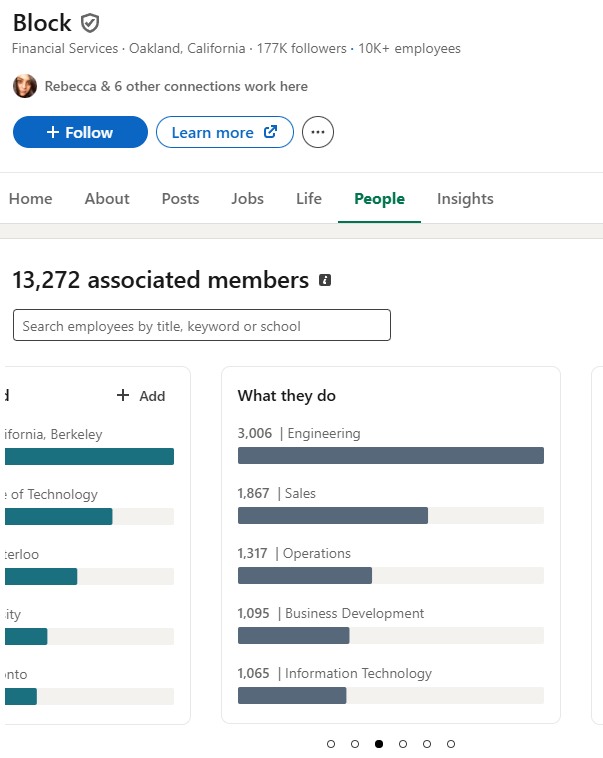
Block Inc., the financial technology giant behind popular platforms like Square and Cash App, currently employs over 10,000 individuals. Data from professional networking platforms suggests a substantial portion of this workforce is concentrated in critical areas such as engineering, IT, operations, and sales. The sheer scale of the proposed reduction, coupled with the stated intent to leverage AI, has prompted experts and industry observers to delve deeper into the implications and feasibility of this ambitious undertaking.

Unpacking the Announcement: A Lack of Clarity
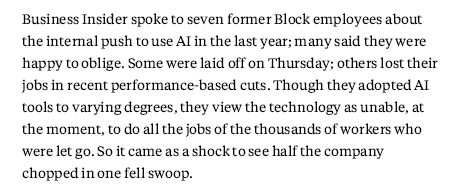
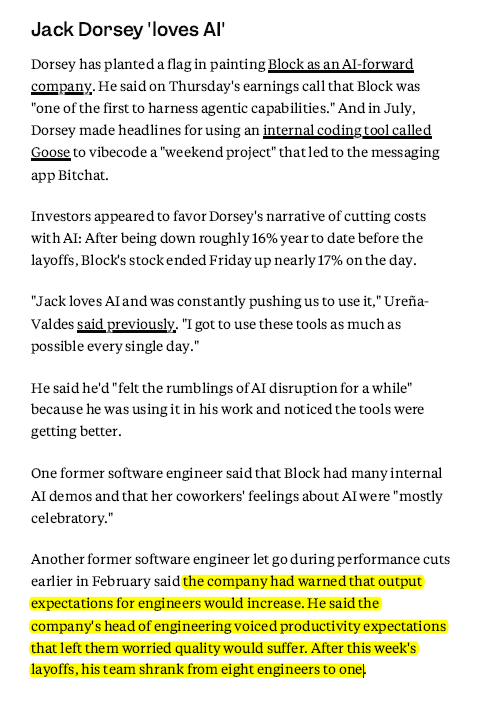
Initial reports indicate a significant lack of clarity surrounding the practical execution of Block’s AI-driven workforce reduction. Interviews with seven Block employees, as reported by Business Insider, revealed a shared sentiment of uncertainty regarding the precise mechanisms through which this "business transformation" is expected to unfold. This ambiguity has fueled speculation about whether the AI replacement is a well-defined strategy or a broader initiative aimed at optimizing operational efficiency and potentially addressing performance management issues.
The announcement has been met with considerable attention from AI researchers and industry analysts. A source within Anthropic, a leading AI safety and research company, characterized the development as a "big story" with potential implications for a growing number of jobs being displaced by AI. This perspective underscores the broader societal concerns surrounding the accelerating integration of artificial intelligence into the corporate landscape.
Contextualizing the Move: AI as a Catalyst for Change
Jack Dorsey’s public enthusiasm for artificial intelligence is well-documented. His embrace of AI as a transformative technology suggests a deep-seated belief in its potential to reshape business operations. However, the immediate question arising from the Block Inc. announcement is whether this AI push is solely about technological advancement or if it serves as a more complex strategic maneuver.

Is AI an Excuse for Performance Management?
A prevalent line of inquiry emerging from this situation is whether the AI initiative is being used as a justification for tightening performance management or streamlining the organizational structure. The history of corporate restructuring, particularly following periods of rapid growth or shifts in market dynamics, often involves workforce adjustments. The abruptness and scale of the proposed layoffs at Block Inc. have led some to question if AI is being presented as a convenient rationale for addressing internal inefficiencies or underperforming segments of the workforce.
This perspective draws parallels to significant workforce reductions seen at other technology companies, such as Twitter following Elon Musk’s acquisition, where a perceived excess of bureaucracy was cited as a primary driver for layoffs. The Block Inc. situation could, in this view, represent a similar effort to "clean up the org chart" under the guise of technological progress.
The Realities of AI Transformation in the Workplace
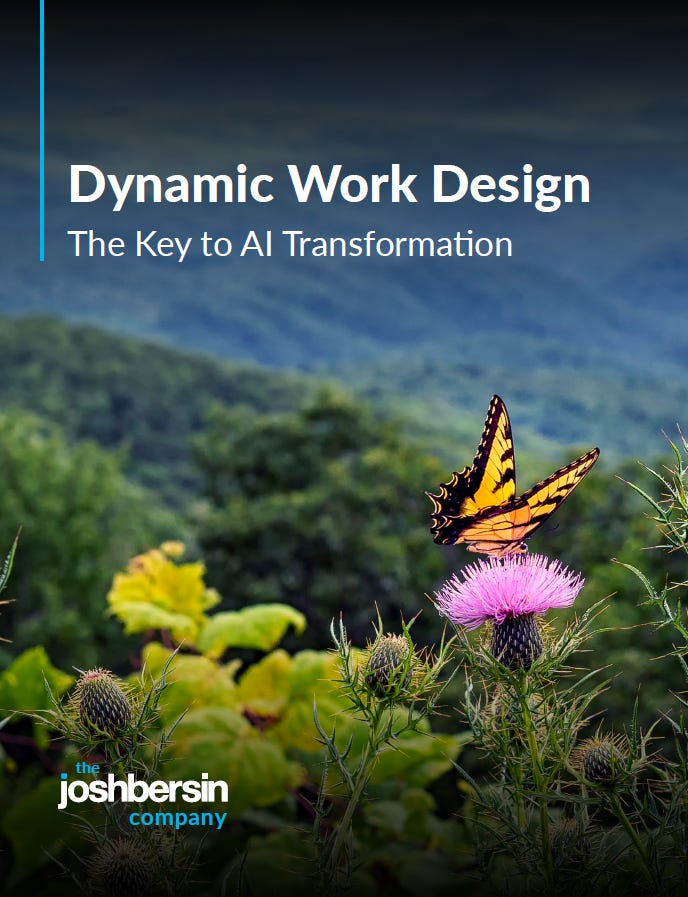
Research and real-world implementations of AI in organizations offer a more nuanced perspective than a simple narrative of job replacement. A comprehensive study conducted by the author’s research group, encompassing over 70 companies, explored organizational redesign in the context of AI adoption. The findings suggest that companies primarily viewing AI as a tool to boost individual productivity have observed limited direct job reduction. Achieving significant job displacement, as hinted at by Block’s announcement, typically necessitates a more fundamental re-engineering of business processes and operational structures. This detailed analysis is further explored in the author’s publications, "The Rise of the Superworker" and the study on "Dynamic Work Design."
Financial Performance and Strategic Motivations
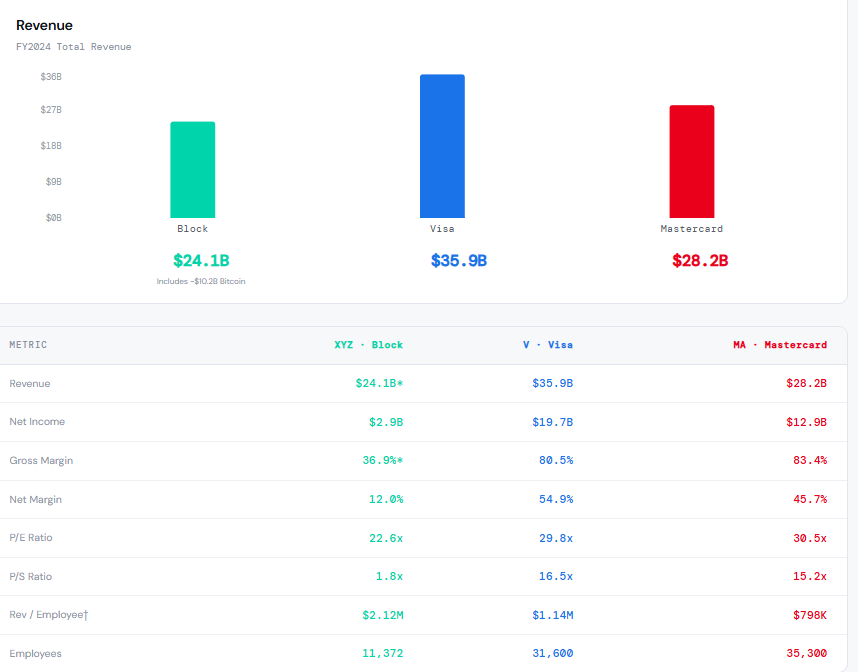
A deeper dive into Block Inc.’s financial standing provides further context for the company’s strategic decisions. Comparisons with more established financial services firms like Visa and Mastercard, as well as e-commerce platforms like Shopify, reveal a notable disparity in profitability and gross margins. Block Inc. exhibits lower profitability and a less robust gross margin compared to these benchmarks. This financial profile suggests that the company may not be operating at optimal "scale" or efficiency.
The implication of these financial metrics is that the AI-driven workforce reduction could be a direct response to investor pressure for improved operational efficiency and profitability. In a market environment where cost optimization is paramount, leveraging AI to streamline operations and potentially reduce headcount might be perceived as a necessary step to enhance the company’s financial performance.
The Nuances of AI Implementation and ROI
The prevailing understanding of AI’s impact on the workforce is evolving. While AI excels at automating specific tasks, its ability to entirely replace human roles, especially those requiring complex problem-solving, creativity, and nuanced decision-making, is still a subject of ongoing development and debate.
1. AI Transformation as a Short-Term Approach:
The notion that AI can be a straightforward "job elimination" strategy is increasingly being challenged. While short-term gains in efficiency might be achievable, the implementation and scaling of enterprise-level AI systems necessitate significant investment in human capital. This includes hiring and training specialists in areas such as:
- AI Development and Management: Building and maintaining AI models, agents, and superagents requires skilled personnel.
- System Oversight: Ensuring the accuracy, reliability, and ethical deployment of AI systems is crucial. This involves continuous monitoring, verification, and model retraining.
- Operationalization: Integrating AI into existing workflows and managing the associated infrastructure demands expertise.
The non-deterministic nature of AI, meaning it can produce unexpected outcomes, further emphasizes the need for human oversight. For a company like Block Inc., ensuring the consistent and error-free functioning of services like Cash App necessitates robust human-in-the-loop processes to mitigate risks of unpredictable behavior.
2. The Significant Cost of AI Implementation:
The economic argument for replacing human workers with AI is not always as straightforward as it appears. While AI can automate tasks, particularly in areas like customer support, the associated costs can be substantial:
- Compute and Infrastructure: The processing power and data storage required for advanced AI models can incur significant ongoing expenses. Data centers, the backbone of AI operations, are themselves costly to build and maintain.
- Development and Maintenance: The initial cost of developing or acquiring AI solutions, coupled with the continuous need for updates, training, and ecosystem management, represents a considerable investment.
- Governance and Compliance: Ensuring data privacy, security, and regulatory compliance within AI systems adds another layer of operational complexity and cost.
In the realm of customer support, replacing human agents with AI, while potentially offering savings, still involves substantial costs for the AI "agent" itself, encompassing development, training, and ongoing operational expenses. Even when considering the potential for AI to reduce manual coding time for engineers, the operating costs of sophisticated AI systems, particularly for high-context, non-linear tasks, can rival or even exceed the cost of human engineers.
For instance, if a company employs 100 engineers at an average salary of $100,000 per year, the annual payroll amounts to $10 million. If AI could theoretically automate 80% of their manual coding, it would represent a potential labor capacity buyback of $8 million. However, the analysis of AI’s cost-effectiveness, especially in software engineering, requires a granular understanding of "reasoning tokens" and the computational resources needed to process complex codebases. The ongoing costs associated with running these AI models, including data center operations and specialized talent to manage them, can present a significant financial hurdle, potentially offsetting the perceived savings from workforce reduction.
3. The True ROI of AI: Re-engineering Processes, Not Just Displacing Jobs:
The most profound and sustainable impact of AI on businesses is not through outright job displacement, but through the re-engineering of core processes and the enhancement of human capabilities. Leading companies are demonstrating this principle through various applications:
- Allianz: Utilizes digital twins to optimize claims processing and knowledge sharing.
- Travelers: Leverages AI to scale employee enablement and accelerate time-to-market for new initiatives.
- Hubspot: Employs AI to develop and offer innovative new services to its client base, thereby expanding its market reach rather than reducing its workforce.
- Galileo Learn: The author’s own AI platform enables scaling business operations by orders of magnitude, allowing for broader client engagement that would be impossible through traditional means.
These examples highlight a strategic approach where AI acts as a catalyst for business transformation, creating new opportunities and enhancing existing ones, rather than solely serving as a mechanism for cost reduction through layoffs. The true return on investment (ROI) for AI is realized when it empowers organizations to innovate, improve efficiency through smarter workflows, and achieve unprecedented levels of productivity and market penetration.
Broader Implications and Lessons Learned
The Block Inc. announcement serves as a critical case study in the ongoing discourse surrounding AI and employment. It underscores several key takeaways for businesses and employees alike:
- AI as a Tool for Re-engineering: The primary value of AI lies not in its capacity to eliminate jobs, but in its potential to fundamentally re-engineer business processes, enhance productivity, and drive innovation. Companies that embrace this perspective are more likely to achieve sustainable long-term success.
- Strategic Implementation is Key: A successful AI transformation requires a comprehensive strategy that goes beyond simple headcount reduction. It involves careful planning, significant investment in technology and talent, and a clear understanding of the potential benefits and challenges.
- Transparency and Communication: The lack of clarity surrounding Block’s announcement has generated uncertainty and concern. Effective communication about the rationale, scope, and implementation of AI initiatives is crucial for maintaining employee morale and stakeholder confidence.
- The Evolving Nature of Work: The integration of AI is reshaping the skills and competencies required in the modern workforce. Continuous learning and adaptation will be essential for individuals to thrive in this evolving landscape.
As Block Inc. embarks on this significant organizational shift, the business world will be watching closely to see if this AI-driven initiative leads to genuine operational efficiency and sustained growth, or if it proves to be a short-sighted strategy with unintended consequences. The ultimate success will likely hinge on whether the company moves beyond mere job displacement to a deeper re-imagining of its business model, leveraging AI as a true enabler of innovation and a driver of strategic advantage.