In today’s rapidly evolving professional landscape, the cultivation of effective leadership is paramount for organizational resilience and advancement, particularly during periods of both prosperity and adversity. This necessitates a strategic departure from traditional management development paradigms to embrace and nurture the skills that truly drive success. Among these, empathy, often an overlooked "soft skill," has emerged as a critical leadership competency with demonstrable impact. Empathetic leadership, defined as the capacity to understand the needs of others and to be attuned to their feelings and thoughts, is no longer a peripheral consideration but a central tenet of effective management.
Recent research underscores the significance of this human-centric approach. A comprehensive study involving 6,731 mid- to upper-middle-level managers across 38 countries, assessed through the Benchmarks® 360-degree feedback instrument, has illuminated a powerful correlation between empathetic leadership and job performance. The findings, detailed in a white paper on empathy in the workplace, revealed a positive and statistically significant relationship, particularly for managers at mid-level positions and above. This research indicates that managers who demonstrably practice empathy towards their direct reports are consistently perceived as higher performers by their own superiors. The consistency of these results across a diverse global sample highlights empathy not as a subjective preference, but as a measurable driver of managerial effectiveness.
Defining Empathy in the Workplace: Beyond Sympathy
At its core, empathy in a professional context is the ability to perceive and connect with the thoughts, emotions, and experiences of others. Empathetic leaders possess the acumen to view situations from another individual’s vantage point and to lead with genuine compassion. This translates into fostering true connections within teams, thereby enhancing both interpersonal relationships and overall performance.
It is crucial to distinguish empathy from sympathy, a common point of confusion. Sympathy involves feeling for someone, often expressing pity or sorrow. Empathy, conversely, is about feeling with someone, understanding their experience from their perspective without necessarily agreeing or taking on their burden. While sympathy can offer comfort, empathy builds deeper understanding and connection, proving more productive and supportive in both personal and professional spheres.
The Tangible Benefits of Empathetic Leadership
The implications of empathetic leadership extend far beyond fostering a positive work environment; they directly impact organizational outcomes. Research consistently shows that empathetic leaders are better equipped to navigate complex challenges, foster innovation, and build resilient teams. This human-centric approach is intrinsically linked to emotional intelligence, a cornerstone of modern leadership effectiveness. By demonstrating empathy, leaders improve general human interactions, paving the way for more effective communication and the achievement of positive outcomes, not only in the workplace but also in personal life.
The study revealed that managers rated as empathetic by their subordinates were also rated as high-performing by their own bosses. This suggests a cascading effect: when leaders invest in understanding and supporting their teams, their own performance and perceived value within the organization increase. This is particularly critical in today’s workforce, where employee engagement and retention are directly influenced by the quality of leadership.
Practical Strategies for Cultivating Empathetic Leadership
Empathetic leadership is not an innate, fixed trait but a skill that can be developed and honed. Organizations and individual leaders can adopt several practical strategies to foster greater empathy within the workplace:
1. Proactive Recognition of Burnout
Workplace burnout remains a significant concern, exacerbated by periods of intense pressure and the blurring lines between professional and personal life. Empathetic leaders are adept at identifying early signs of overwork in their team members, intervening before burnout leads to disengagement or turnover. This involves dedicating time to regularly check in with individuals, assessing their workload, and offering support for recovery and resilience. Proactive measures can prevent significant productivity losses and maintain team morale.
2. Genuine Interest in Individual Aspirations
A fundamental aspect of empathetic leadership is cultivating a sincere interest in the unique needs, aspirations, and dreams of each team member. By understanding individual goals, leaders can better align work assignments to foster both performance and job satisfaction. Employees who feel seen and valued in this regard are more likely to be engaged and go the extra mile. The practice of kindness in the workplace, a direct outcome of empathetic engagement, has been shown to significantly boost performance and enhance organizational culture.

3. Support During Personal Challenges
In an era where personal and professional lives are increasingly intertwined, empathetic leaders recognize that their team members are multifaceted individuals navigating personal challenges alongside their work responsibilities. Demonstrating a willingness to support employees through personal difficulties is a hallmark of compassionate leadership. This requires maintaining open lines of communication, encouraging transparency, and fostering an environment of psychological safety where team members feel comfortable sharing their struggles.
4. Compassion in the Face of Loss
The formation of genuine connections and friendships at work is invaluable. Empathetic leadership plays a pivotal role in establishing these bonds. While it may not always be possible to relate to the specific nature of a personal loss, acting empathetically and offering support assures team members they are not alone. This compassionate approach is foundational to creating a supportive and understanding work environment, reinforcing the organization’s commitment to its people.
Organizational Imperatives for Fostering Empathy
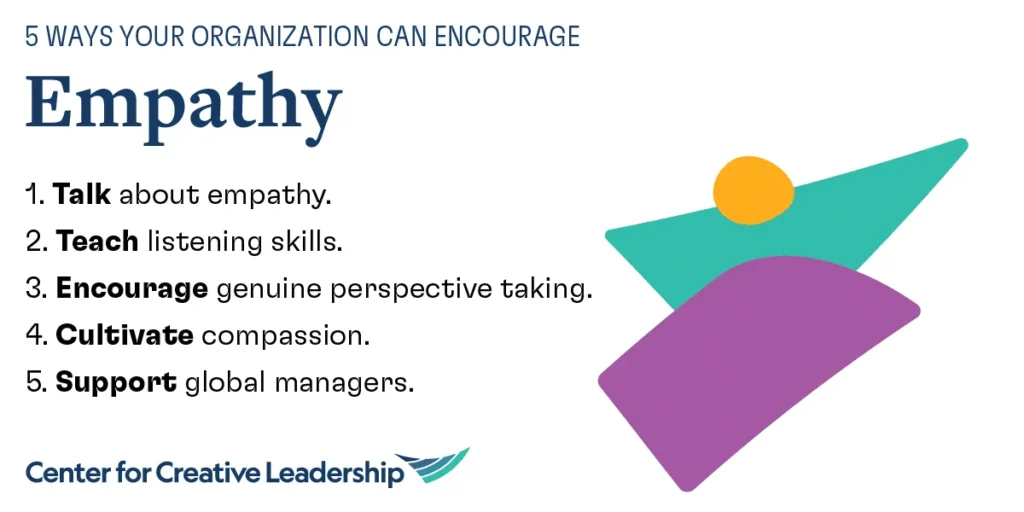
While some leaders may naturally exhibit higher levels of empathy, it is a skill that can be cultivated and strengthened through deliberate organizational effort. Recognizing that empathetic leadership is learnable, organizations can implement targeted initiatives to enhance these critical skills:
1. Explicitly Valuing Empathy
Organizations must clearly communicate that empathy is a valued leadership trait. While task-oriented skills like planning and monitoring are important, research indicates that understanding, caring for, and developing others is equally, if not more, critical in today’s dynamic workforce. Emphasizing leadership soft skills, including empathy, highlights their direct contribution to enhanced team performance and overall managerial effectiveness.
2. Enhancing Listening Skills
Effective listening is the bedrock of empathy. Managers need to be proficient in active listening techniques, ensuring their team members feel heard and understood. This involves not only processing the words spoken but also discerning the underlying emotions and values through verbal and nonverbal cues. When employees experience empathetic listening, trust within teams deepens, a critical factor for sustained success.
3. Encouraging Genuine Perspective-Taking
Leaders should be encouraged to consistently adopt the perspective of others. This involves considering the lived experiences and unique viewpoints of their employees when addressing problems, managing conflicts, or driving innovation. Understanding the role of social identity and its influence on individual perspectives is crucial for effective leadership in diverse environments.
4. Cultivating a Culture of Compassion
Organizations should actively support managers who demonstrate genuine care for the feelings of others and consider the impact of business decisions on all stakeholders. This goes beyond mere statements of values, requiring dedicated time for compassionate reflection and response. Acknowledging that employees care about social responsibility, and that the organization should too, reinforces a commitment to ethical and human-centered practices.
5. Supporting Global and Cross-Cultural Managers
In an increasingly interconnected world, the ability of middle managers to act as empathetic leaders and collaborate across diverse boundaries is particularly vital. Leading multicultural teams necessitates strong cultural intelligence and the capacity to understand individuals with vastly different perspectives and experiences. Organizations must provide specific training and support to equip these leaders with the skills needed to navigate complex global dynamics with empathy.
A Closing Thought on Empathy’s Enduring Impact
The data is unequivocal: when managers invest in developing their empathetic leadership capabilities, they enhance their own effectiveness and significantly increase their prospects for success. Empathetic leaders are indispensable assets to any organization, not only for their ability to build and sustain strong relationships but also for their crucial role in talent retention. In a world where human capital is a primary differentiator, fostering empathetic leadership is a strategic imperative for sustained organizational growth and a thriving workplace culture.
Ready to Take the Next Step?
Organizations seeking to cultivate a more empathetic and effective leadership team can leverage customized learning journeys informed by robust research. Modules focusing on critical leadership topics such as Boundary Spanning Leadership, Communication, Emotional Intelligence Training for Leaders, Listening to Understand, and Psychological Safety & Trust are available to equip leaders with the skills necessary to foster empathy and drive success. By modeling empathetic leadership and supporting the development of greater empathy within their ranks, organizations can build more resilient, engaged, and high-performing teams prepared for the challenges and opportunities of the future.