
The modern workplace is in a constant state of flux, characterized by rapid technological advancements, shifting employee expectations, and the rise of hybrid and remote work models. This dynamic environment has cast a critical spotlight on traditional performance review processes, which are increasingly being recognized as inadequate for fostering employee engagement, development, and sustained organizational success. The long-standing practice of conducting a single, annual performance evaluation is proving to be a relic of the past, often leaving employees feeling uncertain, disengaged, or even anxious about their contributions and future within a company.
Organizations that are not merely surviving but actively thriving in this evolving landscape understand that performance reviews should transcend a mere annual judgment. Instead, they are being reimagined as strategic opportunities for consistent growth, alignment with organizational goals, and the cultivation of a shared sense of purpose. When executed effectively, a performance review transforms from a backward-looking evaluation into a forward-looking roadmap, guiding individuals and teams toward future achievements. This paradigm shift necessitates a focus on people-centric approaches, transforming reviews into meaningful conversations that align individual aspirations with broader company objectives and embed a culture of continuous improvement and development.
The Evolving Purpose of Employee Performance Reviews
The fundamental purpose of an employee performance review has always been to facilitate a two-way dialogue. This dialogue aims to clarify expectations, assess progress against those expectations, and, most importantly, support ongoing professional growth. However, the traditional annual review often falls short by being overly retrospective. An optimal review process, in contrast, looks both backward and forward, aligning employees and managers on what is working well, what requires attention, and what strategic steps need to be taken next. The ultimate goal is to enhance performance, strengthen employee engagement, and cultivate a robust culture of continuous development, a concept gaining significant traction in human resources and organizational psychology circles.
Challenges Plaguing Traditional Annual Reviews
A significant drawback of the traditional annual performance review is its susceptibility to recency bias. This cognitive phenomenon means that managers tend to place greater weight on events that have occurred more recently, potentially skewing the evaluation of an employee’s performance over the entire year. This can lead to unfair assessments and inadvertently hinder an employee’s professional development by not accurately reflecting their consistent efforts or addressing long-standing areas for improvement.
Furthermore, the rigid, static structure of annual reviews often fails to align with the agile and dynamic nature of today’s workforce. Many industries now operate at a rapid pace, requiring frequent performance management and real-time feedback to adapt to changing market conditions and project demands. The annual cadence simply cannot keep pace with this velocity.
The psychological impact on employees is also a considerable concern. Leading up to an annual review, many employees experience heightened anxiety or even dread, fearing criticism, potential negative consequences, or a perceived lack of control over the evaluation process. This anxiety can be exacerbated by the perception that annual reviews are a one-way communication channel, with limited opportunity for genuine employee input or collaborative goal setting. Consequently, employees miss out on the regular, constructive feedback that is crucial for their ongoing growth and development.

Research from organizations like Quantum Workplace consistently highlights this disconnect. Their findings indicate that ongoing feedback and regular one-on-one conversations with managers are significantly more effective in improving employee performance than the formal, often infrequent, performance review process or a simple performance rating system. This data underscores a clear demand for a more responsive and adaptive approach to performance management.
The Imperative for a Modernized Performance Review System
Given these pervasive challenges, there is a pressing need for HR leaders to develop performance review systems that are not only more efficient and effective but also demonstrably more engaging for employees. A modern performance management cycle should pivot towards continuous evaluation, regular feedback loops, and ongoing coaching. By embracing such a system, organizations can expect to see enhanced employee engagement, tangible improvements in performance, and a more robust engine for overall organizational growth.
More Efficient: Streamlining the Process
In today’s fast-paced business environment, managers and employees are managing increasingly demanding workloads. The introduction of clunky tools and extensive paperwork associated with performance reviews is counterproductive, consuming valuable time that could be dedicated to core responsibilities. HR departments must prioritize simplifying and standardizing the review process, making each step as frictionless as possible. A user-friendly performance management platform is no longer a luxury but a fundamental requirement. Such platforms should facilitate the aggregation of performance data and enable effective review conversations, moving away from manual, time-consuming data compilation. Current research indicates that a substantial portion of employees, around 48%, find their organization’s performance management approach to be inefficient, highlighting the widespread need for operational improvements.
More Effective: Driving Genuine Performance Improvement
The ultimate litmus test for any performance review system is its ability to genuinely improve employee performance. Every conversation within this framework should be centered on clear, measurable goals and actionable feedback that directly contributes to an employee’s growth and development. Unfortunately, only about 49% of employees report finding their organization’s performance management approach effective, suggesting a significant gap between intent and outcome. This statistic points to a need for a more results-oriented approach, where reviews are directly linked to tangible performance gains.
More Engaging: Fostering a Sense of Value and Ownership
The impact of the performance review process on employee engagement can be profoundly positive, neutral, or even negative. To cultivate a positive impact, organizations must focus on creating a transparent, two-way process where employees feel genuinely valued and heard. Conversations should consistently center on growth and improvement, encouraging employees to be active participants in setting goals, assessing their own performance, identifying development opportunities, and discussing their career pathing options. Alarmingly, research suggests that only about 48% of employees find their organization’s performance management approach motivating, indicating a critical area for improvement in fostering employee enthusiasm and commitment.
Key Elements of an Efficient, Effective, and Engaging Performance Review Process
Performance reviews, when conducted correctly, provide a vital platform for employees and managers to discuss performance, identify areas for improvement, and collaboratively strategize for future success. Done poorly, however, they can lead to disengagement and even diminished performance. A well-structured review process can significantly boost employee motivation and align individual efforts with organizational objectives. Below are crucial elements to consider when designing and implementing a modern performance review system:
Performance Reviews Should Occur Frequently
To cultivate sustained employee success, organizations must move beyond the confines of the traditional annual review. The business landscape and individual employee circumstances can change significantly within a year, making infrequent check-ins a recipe for misalignment. Regular communication is paramount.

A recommended approach involves quarterly or even monthly performance conversations, complemented by a year-end review that synthesizes general themes, progress, and future action items. This cadence ensures that managers and employees remain consistently aligned on goals, progress, and performance expectations. Frequent reviews offer several key benefits:
- Enhanced Alignment: Regular discussions ensure that individual and team objectives remain synchronized with evolving organizational priorities.
- Timely Intervention: Emerging challenges or performance gaps can be identified and addressed promptly, preventing them from escalating.
- Proactive Development: Opportunities for skill development and career growth can be identified and pursued proactively, rather than reactively.
- Increased Motivation: Consistent recognition and constructive feedback can boost morale and maintain employee motivation.
Research from Quantum Workplace indicates that more frequent performance conversations, such as monthly check-ins, lead to a significant increase in review effectiveness (21%), employee engagement (11%), perceptions of fairness (8%), and improved performance (5%). While some organizations may perceive a quarterly or monthly cadence as a substantial time commitment, the key is that these conversations, when frequent, do not need to be excessively long or comprehensive to be impactful. This consistent dialogue better equips teams to navigate unexpected changes and maintain momentum.
Employee Reviews Should Be Two-Way Conversations
Performance conversations need to be more than just frequent; they must also be genuinely engaging. The ideal scenario involves equal contribution from both managers and employees, with employees actively participating in the preparation process. Constructive criticism, when delivered thoughtfully, empowers team members to identify areas for improvement and take concrete steps toward personal and professional growth.
While there isn’t a universal template for every performance discussion, every conversation should strive to foster trust, alleviate anxiety, create clarity, and demonstrate alignment. Furthermore, these conversations can extend beyond performance metrics to encompass a broader range of topics, including:
- Career Development: Discussing aspirations, skill-building opportunities, and potential career paths within the organization.
- Professional Growth: Identifying specific training, mentorship, or project-based learning opportunities.
- Work-Life Balance: Addressing challenges and strategies for maintaining a healthy balance between professional and personal life.
- Challenges and Obstacles: Openly discussing any impediments to performance and collaboratively seeking solutions.
- Recognition and Appreciation: Acknowledging contributions and celebrating successes.
Performance Reviews Should Be Future-Focused
Traditionally, performance reviews have been heavily anchored in the past—a retrospective analysis of how the year unfolded, what went well, and what did not. While reflecting on past performance is an essential component, an overemphasis on it can be disengaging. Employees cannot alter past events, making evaluations based solely on historical situations less impactful for their future growth.
The power of performance reviews lies in their ability to influence future outcomes. This is where the majority of performance conversations should be directed. While a brief reflection on past performance is valuable for context, managers and employees should dedicate significant time to looking ahead, setting aspirations for the upcoming year, and defining strategies to achieve them.
Performance Reviews Should Be Transparent
Performance reviews can be a source of anxiety for many employees. One of the most effective ways to mitigate this anxiety is by involving employees in the process from the outset. Managers should collaborate with each employee to develop a clear, shared, and participatory agenda, outlining the main discussion points.

Both parties should have a precise understanding of what to expect, eliminating the element of surprise. Transparency is crucial, and managers must actively solicit honest employee feedback to foster professional growth. This collaborative approach ensures that employees feel respected and are better prepared to engage constructively in the review conversation.
Performance Reviews Should Be Objective
In the contemporary data-rich business environment, there is no longer an excuse for subjective performance reviews. To prepare for effective performance reviews, managers must diligently gather data from multiple sources. These sources can include formal recognition received, feedback from colleagues and stakeholders, ratings from talent reviews, notes from regular one-on-one meetings, and documented progress toward defined goals.
During a performance evaluation, the focus should consistently be on specific examples and measurable results, rather than vague generalizations. Every statement made in the review should be substantiated by data, rather than relying on the manager’s personal opinion or anecdotal observations. This data-driven approach lends credibility and fairness to the evaluation process.
Performance Reviews Should Be Enabled by Technology
If a performance review process is perceived as clunky, outdated, or difficult to navigate, employee participation will naturally wane. Performance review software plays a critical role in simplifying the process, enhancing its effectiveness, and improving the overall user experience for both managers and employees.
Organizations need to transition their performance review processes away from spreadsheets and manual tracking into a digital platform that facilitates agenda sharing, note-taking, and year-round performance documentation. Such technology empowers managers with diverse data sources, enabling them to act as better coaches, conduct more insightful reviews, and minimize subjectivity in performance evaluations. Quantum Workplace research indicates that when managers are rated as effective users of technology, employees perceive them as 3.4 times more effective at management, underscoring the significant impact of technology adoption.
Key Differences: Traditional vs. Modern Performance Reviews
| Feature | Traditional Performance Review | Modern Performance Review |
|---|---|---|
| Frequency | Annual | Continuous (monthly, quarterly, ongoing) |
| Focus | Past performance, evaluation | Future growth, development, coaching |
| Format | One-way, top-down | Two-way, collaborative dialogue |
| Data Basis | Manager’s subjective opinion, limited data | Objective data, multi-rater feedback, goal progress |
| Outcome | Judgment, rating, potential anxiety | Actionable insights, development plans, increased engagement |
| Technology Use | Manual, paper-based, spreadsheets | Integrated performance management software, digital platforms |
| Employee Role | Passive recipient of feedback | Active participant in goal setting, feedback, and development planning |
Conducting Performance Reviews: Who and How?
The responsibility for conducting performance reviews primarily rests with HR departments and line managers. Their collaborative efforts are essential for creating a performance review process that is efficient, effective, and engaging for all stakeholders.
Tips for Preparing for a Performance Review
Thorough preparation is the cornerstone of a successful performance review. Both managers and employees should approach the process with a clear understanding of its objectives and their respective roles.
Sync Performance Review Criteria, Employee Goals, and Goal Progress
A clear understanding of what constitutes good or poor performance is fundamental. Organizations must clearly communicate their performance criteria. Managers serve as crucial interpreters of this data, adding qualitative context—such as goal progress or 360-degree feedback—to performance metrics. They should adopt a coaching mindset, distilling information to make it easily digestible for employees. Utilizing metrics and measurements provides valuable clarity and focus, serving as a framework for planning and prioritizing future efforts.
Gather Employee Data and Examples
In an era of data-driven decision-making, performance conversations should not be solely based on subjective manager opinions. Managers should come to these discussions armed with comprehensive employee data from various sources. This data should guide the conversation and foster a more meaningful relationship between manager and employee. Relevant data points include notes from previous one-on-one meetings, documented goal progress, adherence to role competencies, 360-degree feedback, and recent recognition received. Leveraging such data illuminates diverse aspects of an employee’s performance, making conversations more authentic and impactful. This approach enhances the perceived fairness of performance review outcomes, preventing a negative experience.
Prepare Notes and Agenda
Walking into any meeting unprepared can be disconcerting, and performance conversations are no exception. To facilitate a meaningful dialogue, both managers and employees should collaborate on a shared agenda and prepare notes with key talking points. This proactive approach reduces anxiety and allows employees to contribute their perspectives and prepare adequately for the discussion. It also provides an opportunity for employees to suggest topics they wish to discuss, enabling managers to focus on active listening rather than lecturing.
Align on Expectations with Employees
Performance conversations can sometimes be challenging, particularly when employees are not meeting their goals. These meetings are opportunities to understand the underlying reasons and collaboratively develop strategies for improvement. Setting clear expectations for the meeting itself is crucial. Key tips include:
- Clarify the Purpose: Ensure the employee understands that the review is a collaborative session focused on growth and development, not just evaluation.
- Define the Agenda: Share the planned discussion points in advance, allowing the employee to prepare their thoughts and feedback.
- Encourage Preparation: Prompt employees to reflect on their accomplishments, challenges, and development goals.
- Emphasize Two-Way Communication: Reiterate that their input and perspective are highly valued.
Above all, a shared understanding of what constitutes good performance is essential. Managers should provide clarity regarding each employee’s role and how their contributions are perceived within the organization. By aligning expectations with established performance criteria, employees will feel better prepared and less apprehensive when the review begins.
How to Conduct the Review: Performance Review Tips
Effective performance review conduct requires managers to understand several key principles:
Reflect on the Past, but Focus on the Future
While acknowledging past performance is important for context, an exclusive focus on it will not drive future improvement. Performance conversations should empower employees to address and correct performance in real-time and continuously understand how their work aligns with organizational goals. Future-focused reviews resonate with employees’ desire for more feedback and development opportunities. They seek immediate feedback to improve performance on the go, rather than waiting for an annual assessment. They also want to know that their organization cares about their future, regardless of their tenure.
Ask the Right Performance Review Questions
Asking—and inviting—the right performance review questions is critical. These questions help maintain focus on topics vital to both employee and organizational success. A best practice is to use performance review templates that encourage honest, genuine feedback and uncover actionable pathways for improvement. Effective questions shift the manager’s mindset from that of a judge to that of a coach. Encouraging employees to ask questions of their managers fosters a collaborative environment where goals can be achieved together.
Choose Your Phrases Carefully
Words possess significant power; they can motivate or undermine an employee’s sense of value. Thoughtful preparation and considerate language are paramount. Understanding what not to say in a performance review is as important as knowing what to say. Effective phrases are clear, constructive, and focused on behavior and impact. Examples include framing feedback around specific observations ("I noticed that in the Q3 report…") rather than personal judgments ("You’re not good at reporting…"). Focusing on behaviors and outcomes encourages growth rather than defensiveness.
Be an Active Listener
Performance conversations are inherently two-way streets. Managers must actively facilitate dialogue and genuinely listen to their employees’ perspectives. Listening enables learning and understanding, going beyond simply ensuring equal talking time. Asking follow-up questions helps to delve deeper and gain a more complete picture. Repeating back what has been heard confirms understanding and allows for clarification. Sufficient time should be allocated for employees to share their feedback, and managers should be prepared to record it for future follow-up.
Wrap Up the Conversation with Next Steps
A performance conversation should not conclude with the meeting itself. Effective follow-up involves reviewing notes, defining concrete next steps, and sharing any agreed-upon feedback. Without these elements, performance conversations can feel incomplete. Creating an action plan is vital for translating review insights into tangible performance improvements.
Types of Performance Reviews
A diverse range of performance conversations can be employed, each serving a distinct purpose and impacting employee engagement and development differently. HR leaders can strategically select from these types based on their organization’s specific needs and objectives. A blended approach ensures that performance management keeps pace with workplace changes, facilitates timely feedback, and maintains team alignment.
Annual Performance Review
The annual review remains a significant touchpoint for reflecting on past achievements and identifying areas for growth. It’s an opportunity for managers to acknowledge strong performance, address broader concerns, and provide valuable feedback for employee development. This review also serves as a crucial moment for employees and managers to reset expectations, adapt to organizational changes, and collaboratively plan development strategies for the upcoming year.
Mid-Year Performance Appraisal
A mid-year review provides an opportune moment to assess progress toward goals and adjust or set new objectives. Employees can articulate obstacles they’ve encountered and identify opportunities related to the next steps defined in their annual review. Managers can help address key challenges and course-correct to keep important work on track, supporting employees in developing new skills and engaging in meaningful development opportunities.
Quarterly Performance Conversation
Quarterly performance evaluations serve as valuable milestone conversations, enabling managers and employees to focus on continuous improvement. Tracking goal progress and adapting to evolving circumstances are critical components of these reviews. This cadence allows employees to align their efforts and seek necessary training promptly, rather than waiting for their annual review. Managers can also provide coaching around new obstacles and opportunities as they arise.
Monthly 1-on-1 Meetings
Monthly evaluations are instrumental in providing employees with consistent and actionable feedback. This regular feedback loop empowers managers to better manage performance and ensures employees feel heard and valued. These meetings allow for in-depth discussions of specific examples and important data, fostering a deeper understanding of the work and its associated challenges. Monthly performance conversations also provide a pathway for employees to take ownership of their development and continuously improve through consistent, constructive feedback.
Weekly Check-Ins
Weekly performance check-ins are foundational to a robust feedback culture. They offer valuable opportunities for quick, timely, and constructive input as important work is in progress. By encouraging two-way dialogue, managers and employees can proactively address emerging performance concerns and nurture continuous improvement. Managers can recognize employee accomplishments in real-time, maintaining motivation and encouraging high-quality work. Weekly check-ins enhance communication, connect team members’ efforts, and promote a supportive and proactive work environment.
360-Degree and Self-Performance Reviews
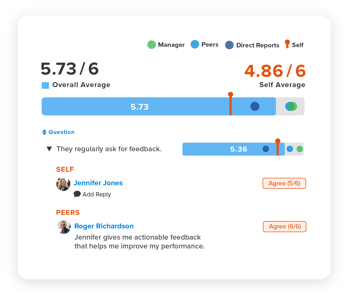
These review types involve collecting feedback from a variety of sources, including peers, subordinates, and even external stakeholders or customers. This multi-rater approach provides a holistic view of an employee’s performance, highlighting strengths and identifying specific areas for improvement. These reviews cultivate a growth mindset, encouraging skill enhancement and personal development. Incorporating 360-degree and self-performance reviews can significantly enhance team dynamics and foster a culture of feedback and continuous improvement.
Performance Review Templates: Streamlining and Enhancing the Process
The creation of effective performance review templates can profoundly enhance the feedback process. Leveraging these templates allows HR to elevate performance reviews from a routine administrative task to a strategic initiative that fosters a culture of continuous development and high performance.
Streamline & Customize
Templates streamline the feedback process, ensuring that all managers and employees discuss the most critical aspects of performance. They can be tailored to specific teams and roles, reflecting the unique organizational culture and values. Embracing streamlined and customizable templates fosters efficiency, aligns expectations, and boosts employee success across the organization.
Align to Employee Goals
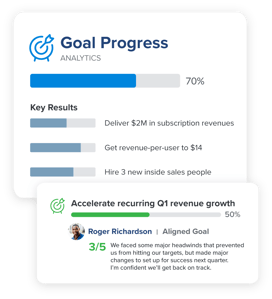
Clear and attainable performance objectives are essential for effective and equitable performance reviews. Employee goals must align with the overarching goals of the company and the team. Managers and employees should regularly revisit and adapt performance goals as business priorities shift. Goal setting should be a collaborative, two-way conversation, instilling a sense of ownership and commitment among employees.
Weave in Performance Competencies
Performance competencies help employees focus on job-specific skills and areas for growth. These competencies should seamlessly integrate with job roles, goals, and development plans. By using performance competencies as benchmarks, organizations can holistically measure critical behaviors, skills, and attributes necessary for job proficiency. This allows employees to develop tangible skills and pursue additional training to advance within the organization.
Performance Review Software for Greater Efficiency, Effectiveness, and Engagement
Performance conversations do not need to be arduous. Modern performance review software helps keep managers and employees aligned, facilitating more objective and engaging conversations. Such platforms provide reliable context, enabling better preparation, execution, and follow-up. Key features of effective performance review software include:
- Customization: Flexible review modules can be tailored to fit specific organizational needs and diverse teams.
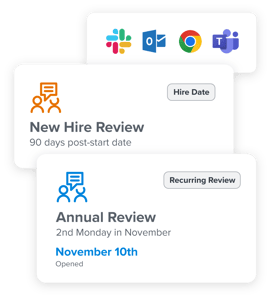
- Habit Building: Integration into existing workflows helps managers build positive performance habits and establish formal conversation cycles for consistent touchpoints.
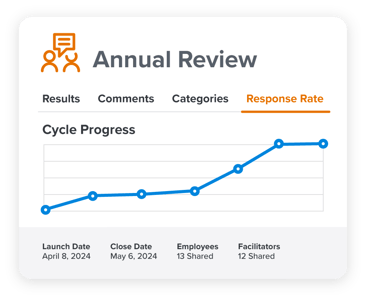
- Tracking: Real-time tracking of review response rates ensures accountability and provides insights into performance ratings.
- Goal Integration: Performance goals can be directly embedded into reviews, facilitating objective, effective, and growth-oriented conversations.
- Multi-Rater Feedback: Orientation around multi-rater feedback incorporates insights from various sources, enriching the review process.
- Data Visualization: Talent dashboards offer a comprehensive view of organizational talent, enabling informed decisions about retention and development.
Final Thoughts
Modernizing performance reviews is a critical imperative for HR leaders aiming to foster more engaging and efficient systems. By understanding the limitations of traditional annual reviews and embracing a dynamic, continuous approach, organizations can significantly enhance employee motivation and productivity. Regular check-ins, meaningful goal alignment, and the strategic use of performance review tools are paramount for success in today’s evolving workplace.
Embracing change and implementing these best practices can lead to a more positive and impactful performance review process. Organizations looking to revolutionize their performance reviews should consider exploring solutions that support a continuous, data-driven, and people-centric approach.
Quantum Workplace’s performance review software, for example, is designed to make the performance review process more effective, efficient, and engaging. It assists managers and teams in preparing for, facilitating, and following up on reviews, ultimately leading to better performance outcomes. Whether an employee is preparing for a review, a manager is leading the conversation, or an HR professional is designing the process, effective performance reviews demand clarity, structure, and consistent follow-through. These modern performance review tips and best practices aim to transform the experience from a stressful obligation into a meaningful, growth-focused conversation that fosters stronger connections in the workplace.