Hiring top talent is a crucial goal for any large organization. However, in 2026, the global recruitment landscape presents an formidable challenge, marked by significant talent shortages and persistent difficulties in filling critical roles. With a reported shortfall of 2.5 million highly skilled workers in key economies and a staggering 75% of organizations globally reporting difficulty in securing full-time positions, the imperative for strategic reform in talent acquisition has never been more urgent. This complex environment demands a paradigm shift from traditional, reactive hiring models to sophisticated, technology-driven, and proactive approaches that can secure competitive advantage.
The Evolving Landscape of Talent Acquisition in 2026
The challenges facing large organizations in 2026 are multifaceted, stemming from a confluence of demographic shifts, accelerating technological advancements, and evolving workforce expectations. The 2.5 million skilled worker shortfall cited for specific nations reflects a broader global trend where demand for specialized skills, particularly in areas like artificial intelligence, cybersecurity, data science, and advanced engineering, far outstrips supply. This creates intense competition, driving up recruitment costs and extending time-to-hire.
Furthermore, the post-pandemic era has solidified new expectations among job seekers regarding work-life balance, flexible work arrangements, and organizational culture, including a strong emphasis on diversity, equity, and inclusion (DEI). Companies that fail to adapt their employer brand and recruitment processes to these evolving demands risk alienating a significant portion of the talent pool. The 75% difficulty rate in filling full-time positions underscores that conventional recruitment methods are increasingly inadequate for navigating this dynamic environment. To thrive, large enterprises must embrace innovation across their entire talent acquisition lifecycle, from initial sourcing to candidate onboarding.
Leveraging Artificial Intelligence for Precision Sourcing and Screening
One of the most transformative shifts in 2026 recruitment strategies is the widespread adoption of Artificial Intelligence (AI). Over half of all large organizations have already integrated AI into their recruitment processes, a trend that is only set to accelerate. AI’s capabilities extend far beyond simple automation, offering sophisticated tools for generating highly optimized job descriptions, screening voluminous curricula vitae (CVs) with unprecedented accuracy, and automating candidate searches across vast digital landscapes.
AI-driven hiring tools significantly expand an organization’s sourcing reach. By leveraging machine learning algorithms, these platforms can meticulously scan and analyze immense talent pools from diverse sources, including niche job boards, professional social platforms, academic databases, and even internal talent directories. This allows recruiters to identify potential candidates who might otherwise be overlooked by traditional search methods, providing a competitive edge in uncovering specialized or passive talent. For instance, advanced Natural Language Processing (NLP) models can parse resumes and portfolios, identifying not just explicit keywords but also inferring implicit skills, potential, and cultural fit based on a candidate’s overall profile and past experiences.
Once sourced, AI tools excel at candidate screening, operating with a level of precision and speed unattainable by human reviewers. AI-powered recruitment platforms can analyze CVs, resumes, and portfolios against specific skill requirements, desired qualifications, and even behavioral indicators defined by the job role. This leads to a more objective initial assessment, significantly reducing human bias that can inadvertently creep into manual screening processes. The statistic that 70% of enterprise-size businesses now utilize AI-powered Applicant Tracking System (ATS) software for CV screening highlights its indispensability. Investing in a modern, AI-enhanced ATS is no longer a luxury but a critical component for streamlining the hiring pipeline. Such systems integrate features like automated CV ranking based on algorithm-informed scoring, smart interview scheduling that syncs with calendars, and even initial chatbot-driven candidate interactions to answer FAQs and pre-qualify applicants. These functionalities simplify the candidate selection process, dramatically accelerating hiring decisions and preventing top talent from being snapped up by competitors. A Google Case Study demonstrated the profound impact of ATS optimization, revealing that HR teams could achieve a 70-80% reduction in manual screening time and halve the time it takes to hire new employees, translating directly into significant cost savings and improved operational efficiency.
Optimizing Job Descriptions for Enhanced Reach and Inclusivity
Despite the advancements in AI and automated sourcing, the foundational element of a successful recruitment drive—the job description—often remains an overlooked area. Poorly optimized job descriptions do more than just limit job posting visibility; they can severely impact the quality and diversity of an applicant pool, and, in some cases, introduce unconscious bias into the very first stage of the recruitment process. This is particularly damaging for large organizations striving to attract top-tier talent in a competitive market.
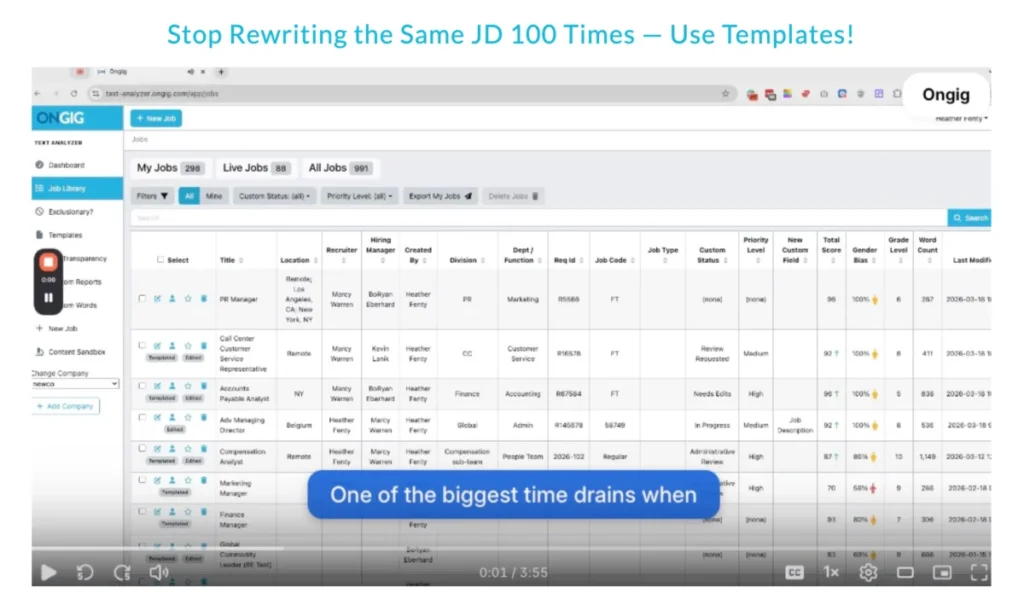
The language used, the structure, and even the length of a job description can either invite or deter potential candidates. Jargon-heavy or overly prescriptive language can discourage otherwise qualified individuals, while gender-coded or ageist terminology can inadvertently narrow the talent pool and undermine diversity initiatives. This is where specialized platforms like Ongig become invaluable. As a tool dedicated to improving job descriptions through data-driven insights, Ongig enables large-scale HR teams to meticulously analyze the structure, language, and inclusivity of their hiring advertisements.
Through such platforms, organizations can identify and eliminate biased language, improve readability scores, and optimize for search engine optimization (SEO) to ensure maximum visibility across various job boards and career sites. For instance, Ongig’s quick demo videos illustrate practical applications, showcasing how to transform generic or exclusionary descriptions into compelling, inclusive narratives. By focusing on neutral language, highlighting company culture, and clearly articulating essential skills versus desirable traits, companies can attract a broader and more diverse range of candidates. This strategic optimization is key to securing better-fit candidates in the fiercely competitive 2026 hiring market, ensuring that the initial impression an organization makes is both professional and inviting.
The Imperative of Proactive Talent Sourcing
If previous recruitment drives have yielded an unsatisfactory talent pool, it is a clear signal that a shift from reactive to proactive sourcing is overdue. This hiring approach moves away from simply posting job openings and waiting for applications, instead focusing on strategically building relationships and cultivating a pipeline of pre-qualified candidates before specific hiring needs even arise.
The core principle of proactive sourcing is the creation of a "ready-to-hire" pool of talent. This begins with consistent engagement and relationship-building with best-fit professionals within the industry. Companies can achieve this through various channels:
- Building Talent Community Databases: Platforms like LinkedIn Talent Hub provide robust tools for organizations to cultivate and manage talent pools, allowing recruiters to engage with potential candidates over time, sharing company news, industry insights, and career development opportunities.
- Direct Outreach: Targeted engagement on professional social platforms, industry forums, and specialized online communities allows recruiters to directly connect with individuals possessing highly sought-after skills, often those who are not actively looking for new roles (passive candidates).
- Networking and Events: Participation in industry conferences, career fairs (both virtual and in-person), and academic partnerships can identify emerging talent and establish early connections.
A highly effective component of proactive sourcing is the implementation of robust employee referral programs. Capitalizing on the existing networks of current employees can significantly shorten the hiring pipeline and improve candidate quality. Spotify, the online music platform, serves as an excellent case study; their effective employee referral program enabled them to fill an impressive 70% of roles internally or through referrals, thereby halving their typical hiring pipeline. This not only reduces external recruitment costs but also often leads to higher employee retention, as referred candidates tend to have a stronger cultural fit and understanding of the company. Proactive sourcing requires a sustained, strategic effort but yields immense benefits by providing access to a deeper, more qualified talent pool and reducing the urgency and pressure of last-minute hiring.
Centralizing Recruitment Data and Streamlining Workflows
A fragmented hiring process is a significant impediment to efficient talent acquisition, inevitably leading to pipeline delays and missed opportunities. Many large organizations still grapple with managing multiple disparate HR systems, relying on manual data entry, and contending with communication silos across different recruitment teams. In a market where speed-to-hire is a critical differentiator, such inefficiencies mean top talent is often secured by more agile competitors.
To combat this, the centralization of recruitment data and the integration of talent acquisition workflows within a unified system have become paramount. Tools such as Access PeopleXD Evo exemplify this approach by consolidating the entire talent acquisition lifecycle into a single, comprehensive platform. This integration ensures that all candidate data—from initial application to onboarding—is stored in one accessible location. This holistic view enables recruiters to track candidate progress seamlessly, eliminate redundant data entry, and maintain a consistent record of interactions.
Crucially, a centralized system facilitates the automation of routine recruitment tasks. This includes automated CV screening and sorting based on predefined criteria, intelligent interview scheduling, automated reminders for both candidates and hiring managers, and even integrated compliance checks to ensure regulatory adherence. By automating these administrative burdens, HR teams are freed from repetitive, time-consuming tasks. This allows recruiters to dedicate more time to strategic engagement, candidate relationship building, and high-value activities such as complex negotiations or talent analytics. The result is a significantly accelerated hiring pipeline, improved operational efficiency, and a better allocation of human resources within the HR department, ultimately enhancing the organization’s ability to swiftly secure desired talent.
Cultivating an Exceptional Candidate Experience
In the competitive talent market of 2026, a positive candidate experience is not merely a courtesy; it is a strategic imperative that directly impacts an organization’s employer brand and its ability to attract and retain top talent. A single poor candidate experience can have far-reaching negative consequences, potentially damaging a brand’s reputation through negative reviews on platforms like Glassdoor, unfavorable social media commentary, and detrimental word-of-mouth. This is especially critical for large businesses that interact with thousands of candidates annually.
Maintaining a high standard of communication and efficiency across thousands of candidates during a large-scale hiring session is incredibly challenging without robust systems. Therefore, investing in automation to streamline candidate communication efforts is crucial. For instance, implementing automated status updates ensures that potential hires are kept informed at every stage of the hiring pipeline. This proactive communication prevents candidates from feeling neglected in a large applicant pool, maintaining their engagement and interest. Personalized email sequences, SMS notifications, and interactive career portals can provide transparency regarding application status, next steps, and expected timelines.
Experts at OpenArc underscore the urgency of timely communication, noting that "62% of candidates lose interest if they don’t hear back within a few weeks, and 48% have declined jobs due to long processes." In a market where top talent often has multiple offers, delays are simply not an option. Organizations that prioritize quick follow-up emails, provide regular status updates, and ensure a streamlined, respectful application journey will gain a significant advantage. An exceptional candidate experience fosters goodwill, enhances the employer brand, increases offer acceptance rates, and even converts unsuccessful candidates into future applicants or brand advocates, demonstrating that every interaction is an opportunity to strengthen the organization’s standing in the talent ecosystem.
Broader Implications for Large Organizations and the HR Sector
The adoption of these advanced recruitment strategies carries profound implications for large organizations and the evolution of the human resources sector. These are not merely tactical adjustments but strategic shifts essential for long-term organizational competitiveness. Companies that fully embrace AI, proactive sourcing, centralized data, and an optimized candidate experience will establish a clear competitive advantage, attracting a higher caliber of talent and maintaining a more agile workforce.
The role of the HR professional is also undergoing a significant transformation. From primarily administrative functions, HR is evolving into a strategic partner, focusing on talent intelligence, sophisticated data analytics, relationship management, and technology stewardship. Recruiters are becoming less process-driven and more strategic, leveraging tools to identify patterns, predict future talent needs, and cultivate deep relationships within talent communities. This evolution empowers HR to contribute directly to business objectives by ensuring a steady supply of high-quality talent.
Furthermore, these strategies, when implemented thoughtfully, can significantly advance diversity, equity, and inclusion (DEI) initiatives. AI tools can help mitigate unconscious bias in screening and language, while proactive sourcing can intentionally target underrepresented groups. Centralized data provides the analytics necessary to track DEI metrics and identify areas for improvement. Ultimately, by optimizing their talent acquisition pipelines in 2026, large organizations are not just filling roles; they are strategically building resilient, innovative, and diverse workforces capable of navigating future challenges and driving sustained growth.
Conclusion: The Future of Talent Acquisition
The hiring landscape in 2026 is characterized by its dynamism, complexity, and the undeniable influence of technology. As Artificial Intelligence seamlessly integrates into the recruitment scene, workflow automation, real-time analytics, and predictive insights are no longer aspirational but fundamental components of a new, tech-infused HR sector. To effectively optimize their talent pipelines in this environment, businesses must harness technology to its fullest potential while simultaneously adopting proactive, human-centric strategies to seek out and engage top talent.
The era of passively waiting for applications to arrive is over for large organizations. Those who will succeed are the ones who proactively identify, engage with, and nurture relationships with the best candidates, often long before a job application even goes live. The strategic adoption of these five key approaches—AI-driven sourcing, optimized job descriptions, proactive talent pipelines, centralized data management, and an exceptional candidate experience—is not just about filling vacancies; it is about building a sustainable, competitive workforce for the future. Adaptation and innovation in recruitment are no longer options but essential pillars for thriving in the evolving global talent market.