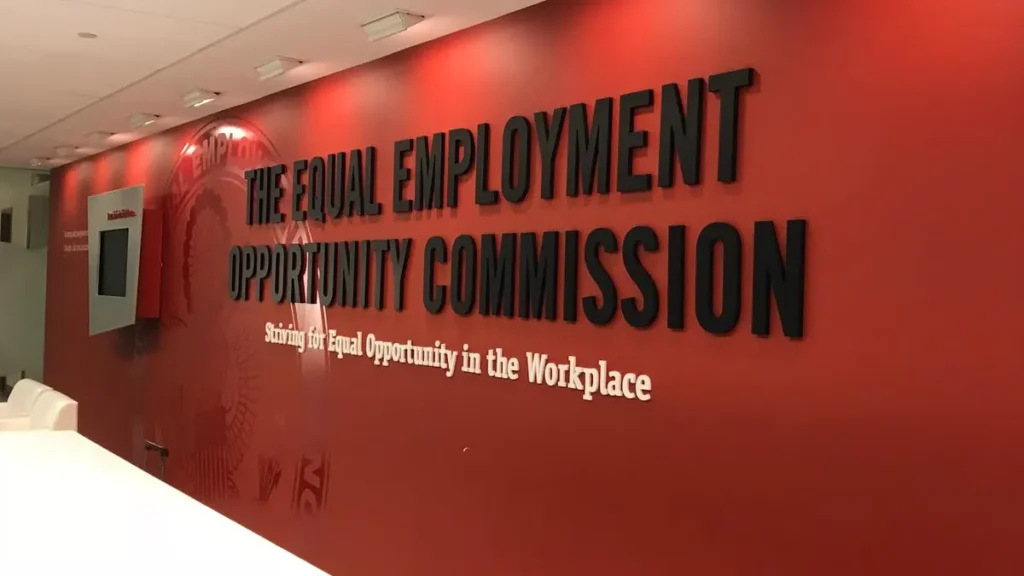
The U.S. Equal Employment Opportunity Commission (EEOC) has filed a significant lawsuit against Albuquerque-based construction contractor, ATG, alleging that an American employee was subjected to egregious national origin discrimination, including verbal harassment, theft of tools, and eventual retaliatory termination by his Mexican co-workers and supervisors at a New Mexico worksite. This case, filed on May 13, 2026, underscores the EEOC’s sharpened focus under Chair Andrea Lucas on combating "reverse bias" claims against majority-group workers, particularly American citizens, and highlights the agency’s commitment to protecting all individuals from workplace discrimination, irrespective of their background or the demographic composition of their workplace.
A Hostile Work Environment Unveiled
According to the EEOC’s complaint, the aggrieved employee, a Hispanic American born in the U.S. whose family has resided in the country for generations, found himself in an increasingly hostile work environment. The New Mexico construction site where he worked was predominantly staffed by individuals of Mexican origin, many of whom primarily spoke Spanish. The lawsuit details how this employee was allegedly subjected to daily ridicule and derogatory names from his Mexican colleagues because he did not speak Spanish fluently. This harassment reportedly intensified after he received a temporary promotion, drawing the ire of some co-workers who then allegedly began calling him pejorative terms and even stealing his tools.
The allegations paint a picture of a workplace where language created a significant barrier and was weaponized against the American worker. While ATG claimed it provided translations for English-speaking employees, the EEOC’s investigation, based on employee testimonies, revealed that "directives were rarely translated, and English-speaking workers often did not understand or were excluded from discussions at work." This communication breakdown, coupled with the alleged targeted harassment, fostered an environment where the American employee felt marginalized and disrespected. The EEOC asserts that this behavior created a legally recognized "hostile work environment" for American workers at the site.

Chronology of Complaints and Retaliation
The situation escalated when the employee, seeking resolution, repeatedly brought his concerns to a direct supervisor. Despite these complaints, the supervisor allegedly failed to take any effective action to curb the harassment or address the stolen tools. Frustrated by the lack of response, the employee escalated his concerns to another supervisor, bypassing his direct manager. The very next day, in a move the EEOC characterizes as clear retaliation, his direct supervisor fired him.
ATG, in its position statement submitted to the EEOC, offered a different account for the termination. The company claimed the worker was dismissed for nearly falling asleep at work while supporting a 100-pound beam, citing a written incident report. However, the EEOC’s investigation revealed inconsistencies in this narrative. The alleged write-up was not signed by the worker, who vehemently denied both falling asleep and committing any safety violations. Furthermore, the official termination paperwork listed "other" reasons for dismissal, specifically "arguing with crews and almost starting a fight," conspicuously omitting any mention of a safety violation. These discrepancies, according to the EEOC, strongly suggest that the stated reasons for termination were pretextual, and the true motive was retaliation for the employee’s complaints about national origin discrimination.
EEOC’s Enforcement Mandate and "Reverse Bias" Focus
This lawsuit serves as a powerful testament to the EEOC’s unwavering commitment to enforcing federal anti-discrimination laws for all workers. Under the leadership of Chair Andrea Lucas, the agency has specifically emphasized addressing what it terms "reverse bias" claims, which involve discrimination against individuals who are typically considered part of a majority group, such as White males, or, as in this case, American workers facing discrimination in a foreign-majority workplace.

Chair Lucas articulated the agency’s firm stance, stating in a public release, "Discrimination against American workers is unconscionable. The EEOC is here to protect all workers from anti-American bias. Nothing justifies illegal national origin discrimination, and we will vigorously enforce federal laws to restore dignity to the American worker." This statement highlights a crucial aspect of Title VII of the Civil Rights Act of 1964, which prohibits employment discrimination based on national origin, race, color, religion, and sex. This protection applies universally, meaning that an individual’s national origin cannot be a basis for adverse treatment in the workplace, regardless of the national origin of the majority of co-workers or supervisors.
Mary Jo O’Neill, regional attorney for the EEOC’s Phoenix district office, reiterated the legal obligations of employers: "Employers have a legal duty to prevent and stop all harassment based on national origin, including harassment of American workers. Employers are required to investigate any complaints of national origin harassment and to take prompt action to stop the harassment." Her statement underscores the dual responsibilities of employers: proactive prevention of harassment and decisive action upon receiving complaints. The alleged failure of ATG’s supervisors to address the employee’s grievances and the subsequent retaliatory firing are direct violations of these duties.
The EEOC’s mandate extends beyond just investigating complaints; it also involves attempting to resolve disputes through conciliation. In this instance, the agency and ATG were unable to reach a pre-litigation agreement, leading to the filing of the lawsuit in federal court. The EEOC is seeking various remedies, including monetary damages for the aggrieved employee, which may encompass back pay, compensatory damages for emotional distress, and punitive damages, as well as injunctive relief to prevent future discrimination and ensure a fair and non-discriminatory work environment at ATG’s sites.
Understanding National Origin Discrimination
National origin discrimination involves treating someone unfavorably because of their (or their ancestors’) country of origin, ethnicity, accent, or because they appear to be of a certain ethnic background. This protection extends to American citizens, regardless of their ethnic heritage. The law also prohibits discrimination based on physical, cultural, or linguistic characteristics associated with a national origin group. For instance, requiring employees to speak English at all times, without a legitimate business necessity, can be considered national origin discrimination. Similarly, mocking or deriding someone for their accent or lack of fluency in a particular language, especially when it’s not essential for job performance, can contribute to a hostile work environment.

According to EEOC data, national origin discrimination claims consistently rank among the top categories of discrimination charges filed with the agency. In fiscal year 2023, for example, there were approximately 6,000 charges of national origin discrimination filed, highlighting the ongoing prevalence of such issues in American workplaces. These figures emphasize the critical need for employers to be vigilant in fostering inclusive environments and providing comprehensive training to prevent and address such bias.
Implications for Employers and the Broader Workforce
This lawsuit carries significant implications for employers, particularly those operating in diverse environments or industries with multicultural workforces, such as construction. It serves as a stark reminder that:
- National Origin Protection is Universal: Employers must understand that anti-discrimination laws protect all employees, regardless of their demographic majority or minority status within a specific workplace. The concept of "reverse discrimination" is simply discrimination by another name, and it is equally unlawful.
- Robust Anti-Harassment Policies are Critical: Companies need clear, comprehensive anti-harassment policies that are regularly communicated and understood by all employees, including supervisors. These policies must explicitly cover national origin discrimination and provide clear channels for reporting.
- Prompt and Thorough Investigations are Mandatory: Employers have a legal and ethical duty to investigate all complaints of harassment and discrimination promptly, impartially, and thoroughly. Failure to do so can exacerbate problems and expose the company to significant legal liability.
- Retaliation is Strictly Prohibited: Firing an employee, or taking any adverse action against them, for complaining about discrimination is illegal and often leads to higher penalties than the underlying discrimination itself. Companies must train supervisors on anti-retaliation policies and ensure that all disciplinary actions are well-documented, non-discriminatory, and not influenced by an employee’s protected activities.
- Language Barriers Require Careful Management: While some jobs may legitimately require English proficiency for safety or effective communication, employers must be cautious about language-related policies. Mocking or excluding employees based on language fluency, or failing to provide reasonable accommodations for communication, can be discriminatory. Companies should consider providing translations where necessary to ensure all employees understand directives and feel included.
- Supervisor Training is Paramount: Supervisors are often the first point of contact for employee complaints and are crucial in maintaining a respectful workplace. They must be adequately trained on anti-discrimination laws, how to identify and address harassment, and how to handle complaints without retaliation.
The EEOC’s pursuit of this case against ATG reinforces the message that national origin discrimination, whether it affects an immigrant worker or an American-born employee, will not be tolerated. It underscores the agency’s dedication to creating workplaces where dignity and respect are afforded to every individual, irrespective of their background or linguistic abilities. The outcome of this lawsuit will undoubtedly be closely watched by HR professionals, legal experts, and employers across the nation, further shaping the landscape of workplace equity and compliance.