Measuring employee engagement effectively is no longer a luxury but a strategic imperative for organizations striving for sustained success in today’s dynamic global economy. While the superficiality of remote work might obscure true sentiment, a rigorous approach to engagement metrics quickly reveals whether individuals are genuinely invested in their roles and the company’s mission, or merely proficient at feigning enthusiasm on video calls. When employees feel genuinely connected, supported, and valued, their productivity soars, and their desire to contribute meaningfully becomes intrinsic.
The contemporary workforce places a high premium on more than just compensation. According to the Achievers’ Engagement and Retention Report, a striking 72% of employees would prioritize a role where they feel valued over one that offers a higher salary but lacks adequate support or recognition. This compelling data underscores a fundamental shift in employee priorities: meaning and belonging often outweigh purely monetary incentives, at least in many contexts. Engagement metrics thus serve not just as a quick pulse check but as a detailed navigational map, pinpointing areas of strength, identifying vulnerabilities, and guiding strategic interventions to ensure employees remain motivated, productive, and committed, rather than simply occupying a spot on the payroll.
The Evolving Imperative of Employee Engagement
The concept of employee engagement has evolved significantly from traditional job satisfaction surveys to a multifaceted, continuous measurement framework. In an era marked by phenomena like the "Great Resignation" and the pervasive shift towards hybrid and remote work models, understanding and fostering engagement has become critical for talent retention, organizational resilience, and competitive advantage. Disengaged employees cost companies billions annually in lost productivity, increased turnover, and diminished customer satisfaction. Conversely, highly engaged workforces consistently outperform their peers in profitability, innovation, and safety.
The challenge lies in moving beyond anecdotal evidence or infrequent, superficial assessments. Organizations need robust, data-driven approaches that provide actionable insights. This necessitates opening consistent channels for employee feedback and, crucially, knowing how to interpret and act upon the vast array of data that emerges.
Key Metrics for a Comprehensive Engagement Overview
To gain a holistic understanding of employee sentiment and organizational health, companies must track a diverse set of metrics. These indicators offer more than just numbers; they tell a story about the employee experience and the efficacy of management practices.
-
eNPS (Employee Net Promoter Score): A widely adopted and powerful metric, eNPS gauges employees’ willingness to recommend their company as a great place to work. Derived from a single question – "On a scale of 0-10, how likely are you to recommend this company as a place to work?" – it categorizes employees into Promoters (9-10), Passives (7-8), and Detractors (0-6). The score is calculated by subtracting the percentage of Detractors from the percentage of Promoters. A high eNPS is a strong indicator of overall positive sentiment and a healthy culture, reflecting a workforce that is not merely present for the benefits but genuinely enthusiastic about their workplace. Conversely, a low or declining eNPS signals deeper issues that warrant immediate investigation. This metric provides a fast, reliable signal of cultural health and can be benchmarked against industry averages to understand relative performance.
-
Recognition Frequency and Reach: Beyond a mere "nice-to-have," effective recognition is a leading indicator of engagement and a powerful driver of positive workplace culture. Tracking the frequency of recognition—how often employees are acknowledged for their contributions—and its reach—who is recognizing whom, and whether appreciation flows vertically and horizontally across teams—provides crucial insights. Systems that encourage peer-driven recognition, where colleagues can celebrate each other’s efforts, are particularly potent. High-frequency, broad-reaching recognition cultivates a sense of appreciation, boosts morale, and is one of the strongest predictors of genuine connection, sustained motivation, and ultimately, higher retention rates. Organizations that embed recognition into their daily operations often see tangible improvements in team cohesion and individual performance.
-
Real-Time Feedback Activity: The shift from annual surveys to "always-on" feedback mechanisms marks a significant evolution in engagement measurement. Modern feedback tools provide a continuous pulse of employee sentiment, allowing organizations to monitor mood and identify emerging issues proactively. Key indicators here include the frequency with which employees share input, the responsiveness of managers to this feedback, and, critically, whether the feedback consistently translates into tangible action. High participation rates in real-time feedback channels signify employee trust in the process and a belief that their voice matters. Conversely, low participation often points to cynicism, a perception that feedback is ignored, or a fear of repercussions, signaling a breakdown in psychological safety.
-
Sentiment Trends Over Time: Individual data points offer glimpses; trends provide a roadmap for strategic action. Whether analyzing survey scores, thematic patterns in open comments, or shifts in recognition behaviors, observing sentiment trends over time is paramount. Are scores improving or declining? Are specific themes consistently emerging in feedback? Identifying these shifts can indicate growing employee confidence, escalating frustration, or areas requiring immediate managerial attention before they develop into more significant organizational challenges. Trend analysis helps organizations move from reactive problem-solving to proactive cultural development.
-
Manager Effectiveness Scores: Managers are the linchpin of the employee experience. Great managers empower their teams by removing obstacles and providing clear direction and support. Less effective managers, unfortunately, can inadvertently become roadblocks themselves. Tracking manager-related metrics—such as clarity of communication, perceived support, coaching quality, recognition practices, and follow-through on commitments—is vital. These insights help identify where leadership training, additional resources, or targeted coaching are most needed, ensuring that managers are equipped to foster, rather than hinder, engagement. According to data from the Achievers Workforce Institute (AWI), 53% of employees report that a supportive manager helps them navigate unexpected challenges, highlighting the profound impact of effective leadership.
-
Turnover and Retention Indicators: Employee engagement and retention are inextricably linked. Declining engagement often precedes voluntary turnover. Monitoring early warning signs, such as a noticeable decrease in recognition activity, persistently lower satisfaction scores in certain departments, or dwindling participation in feedback channels, can provide critical advance notice. These insights enable HR and leadership teams to intervene and address underlying issues before employees begin to update their resumes "just to see what’s out there," thereby mitigating costly attrition.
-
Participation in Development and Growth Opportunities: Engaged employees are inherently invested in their own professional growth and development within the organization. Tracking participation rates in learning programs, internal mobility initiatives, and career development conversations offers a strong signal of future intent. When employees actively engage with these growth pathways, it indicates that they envision a long-term future with the company, seeing it as a place where they can develop their careers, rather than merely a source of a paycheck. A lack of participation might suggest limited perceived growth opportunities or a disconnect between employee aspirations and organizational offerings.
Effective Methodologies for Measuring Engagement
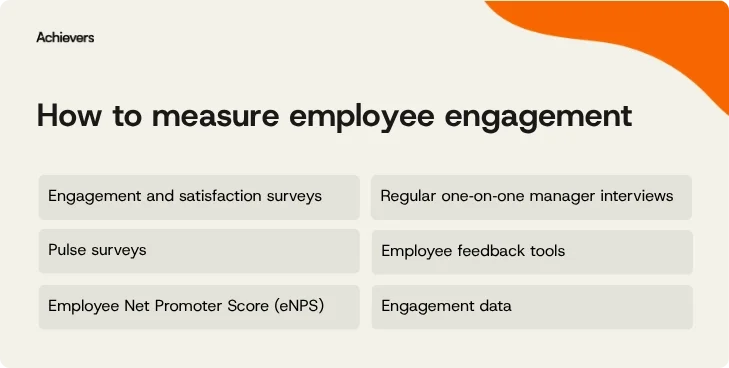
To truly measure employee engagement in a way that yields actionable results, organizations must move beyond infrequent, static surveys. Employees require continuous avenues to voice their opinions—whether positive or negative—and the assurance that their input is genuinely valued and acted upon. The simpler and more accessible the feedback mechanism, the more honest, timely, and useful the insights become.
-
Engagement and Satisfaction Surveys: These comprehensive surveys capture employees’ overall feelings about their work, leadership, company culture, and broader experience over time. When meticulously designed and deployed, they establish a clear baseline for cultural health and pinpoint areas where support, clarity, or recognition might be deficient. A significant challenge, however, is the frequency of these surveys. The 2026 Achievers Engagement and Retention Report highlighted that only 38% of employees receive feedback requests at least weekly, indicating a prevalent reliance on infrequent, potentially outdated data.
- How to use them: Conduct engagement surveys on a regular, consistent cadence (e.g., quarterly or biannually) and leverage the results to establish clear, prioritized initiatives. Focus on a manageable number of themes identified as having the greatest impact, then utilize other listening methods (like pulse surveys or one-on-ones) to delve deeper into these specific areas.
-
Pulse Surveys: Short, frequent check-ins, pulse surveys are designed to track employee sentiment in near real-time. They are invaluable for monitoring how engagement shifts in response to specific organizational changes, such as the introduction of new leaders, significant policy alterations, or periods of increased workload. Their true value is realized through consistency and transparent follow-through. By providing leaders with early warning signals and assuring employees that their feedback prompts action, pulse surveys foster trust and agility.
- How to use them: Deploy pulse surveys strategically to monitor fluctuations in engagement, particularly during periods of transition or uncertainty. Keep questions concise, focused, and highly relevant to current organizational dynamics. Critically, share high-level findings with employees and develop clear action plans based on the results, communicating these plans back to teams and the broader organization.
-
Employee Net Promoter Score (eNPS): As previously discussed, eNPS is a rapid, universally recognized indicator of overall engagement and cultural health. It distills complex sentiment into a single, easily digestible score.
- How to use it: Focus on tracking eNPS trends rather than viewing individual scores in isolation. Combine quantitative eNPS data with qualitative, descriptive feedback to understand the underlying reasons influencing employee sentiment. This integrated approach allows organizations to move beyond the numerical score to address the root causes of engagement fluctuations.
-
Regular One-on-One Manager Interviews: Consistent one-on-one conversations between managers and their direct reports are foundational for building trust, fostering clarity, and facilitating meaningful, individualized feedback. Despite their proven efficacy, data from the Achievers Workforce Institute (AWI) indicates that only 20% of employees regularly engage in one-on-one meetings with their managers. This represents a significant missed opportunity for fostering engagement.
- How to use them: Establish regular one-on-one meetings as a consistent expectation for all managers. Encourage leaders to use broader engagement insights as context for these discussions, allowing conversations to focus on individual support needs, priority alignment, professional development, and addressing specific challenges.
-
Employee Feedback Tools: Modern employee feedback tools integrate seamlessly into daily workflows, making it effortless for individuals to share input through quick polls, open-ended comments, and recognition-based insights. These platforms streamline the feedback process, encouraging higher participation and more timely data collection.

- How to use them: Integrate feedback tools directly into everyday work processes to maximize ease and timeliness of participation. Crucially, organizations must "close the loop" by acknowledging received feedback and clearly communicating what actions are being taken as a direct result.
-
Integrated Engagement Data Platforms: True engagement data brings together disparate signals from comprehensive surveys, real-time feedback channels, recognition activity, and participation trends across various initiatives. By aggregating and analyzing these diverse data points, organizations can transcend mere guesswork, prioritizing actions that genuinely enhance performance, strengthen connection, and boost retention.
- How to use it: Focus on identifying patterns and correlations across different data sets rather than fixating on isolated data points. Utilize this integrated engagement data to strategically prioritize where to allocate resources, which positive behaviors to reinforce, and where managers or teams may require additional support or intervention.
-
Manager Effectiveness Tools: These specialized tools are designed to measure how effectively leaders support, recognize, and coach their teams. This is paramount because managers directly shape the day-to-day employee experience. As AWI data suggests, a supportive manager is critical for employees navigating unexpected challenges.
- How to use them: Employ manager effectiveness data to discern which leadership behaviors are positively impacting employee engagement and which areas require attention. Share these insights with managers constructively, linking them to clear expectations around recognition, communication, and support. Subsequently, use this data to guide targeted coaching, bespoke professional development plans, and ongoing check-ins, ensuring managers have precise guidance on how to enhance team engagement.
Strategic Questioning for Deeper Engagement Insights
The quality of insights derived from engagement measurement is directly proportional to the quality of the questions asked. To truly understand the drivers of engagement (or disengagement) within an organization, a focused set of fundamental questions can illuminate employees’ lived experiences.
-
"How likely are you to recommend this company as a great place to work?" This is the foundational eNPS question, offering a rapid, high-level gauge of overall sentiment. A consistently high score typically indicates a healthy, thriving company culture. A consistently low or declining score, however, serves as a critical red flag, signaling a need for deeper investigation. While not the sole metric, it provides an indispensable pulse check on general employee satisfaction and advocacy.
-
"How well do you understand the company’s goals and mission?" Employees intrinsically desire to be part of something larger than themselves and to understand how their individual contributions align with the organization’s overarching objectives. A lack of clarity regarding company direction inevitably erodes motivation and purpose. It is essential that company values are not merely articulated in a mission statement but are actively demonstrated and reinforced through daily recognition and reward systems.
-
"How happy are you in your role?" While "happiness" can be subjective, an employee’s self-reported satisfaction level is a powerful indicator. When employees express high satisfaction, it often reflects a strong foundational experience: clear expectations, intrinsically meaningful work, and supportive team dynamics. Conversely, consistently low scores in this area may point to deeper, systemic issues such as pervasive burnout, role-job misalignment, or a profound lack of recognition.
-
"Do you feel valued for your contributions?" Recognition is a cornerstone of employee connection and a powerful driver of engagement. When individuals feel seen, appreciated, and acknowledged—by their managers, peers, and senior leadership—they are significantly more likely to remain committed and engaged. If scores in this area are consistently low, it signals a critical need to re-evaluate and revitalize how appreciation is expressed daily, often necessitating the implementation of a modern, integrated recognition platform.
-
"Do you have the support and resources you need to do your job well?" This question directly addresses the core of employee empowerment. If employees lack the necessary tools, clear directives, effective training, or coaching, engagement will inevitably decline rapidly. Effective managers are those who actively remove obstacles, rather than inadvertently creating them. Strong engagement fundamentally begins with ensuring that every employee feels adequately equipped and supported to succeed in their role.
Best Practices for Measuring Employee Engagement with Intention
Gallup’s "State of the Global Workplace Report" revealed a concerning trend: employee engagement fell to 21% globally last year. This figure serves as a stark wake-up call for organizations worldwide. Measuring engagement should never be a mere box-ticking exercise. When executed thoughtfully and strategically, it becomes a foundational pillar for constructing a workplace where individuals genuinely desire to contribute and thrive.
To approach engagement measurement with true intention:
- Foster a Culture of Continuous Listening: Move away from annual surveys towards continuous feedback loops. This includes pulse surveys, always-on feedback tools, and regular one-on-one manager conversations.
- Ensure Anonymity and Confidentiality: Employees must feel secure that their feedback is genuinely anonymous and will not lead to negative repercussions. This builds trust and encourages honest responses.
- Communicate Transparently: Share the results of engagement surveys and feedback with employees, outlining what insights were gathered and, crucially, what actions are planned or have been taken. Transparency fosters trust and demonstrates that feedback is taken seriously.
- Act on Feedback: The most critical step is to translate insights into tangible actions. Disengagement deepens when employees feel their voices are heard but ignored. Prioritize initiatives based on the data, allocate resources, and follow through.
- Empower Managers: Equip managers with the tools, training, and data they need to understand and improve engagement within their own teams. Managers are on the front lines of the employee experience.
- Integrate Data Sources: Combine insights from various engagement metrics (eNPS, recognition, feedback, turnover data) to gain a holistic view and identify correlations.
- Benchmark and Trend Analysis: Compare internal data against industry benchmarks and track trends over time to understand progress and identify emerging issues.
- Connect Engagement to Business Outcomes: Clearly articulate how improvements in engagement metrics correlate with positive business results, such as reduced turnover, increased productivity, and improved customer satisfaction. This reinforces the strategic value of engagement initiatives.
When organizations lead with transparency, demonstrate clear purpose, and consistently follow through with action, measuring engagement transcends a simple metric. It becomes an integral component of a vibrant organizational culture where employees feel genuinely seen, heard, and empowered to contribute and speak up repeatedly.
The Indispensable Value of Employee Engagement Software
The adage "you can’t improve what you don’t understand" resonates profoundly in the realm of employee engagement. Relying on guesswork or outdated methods for understanding employee sentiment is no longer viable. This is precisely where sophisticated employee engagement software platforms become indispensable.
Platforms like Achievers go beyond traditional survey tools, offering a centralized, always-on ecosystem that captures feedback from a multitude of channels—including quick polls, open-ended comments, and recognition activity. This rich, continuous stream of data is then transformed into real-time, actionable insights. With flexible, customizable reporting capabilities, organizations gain not just raw data but a comprehensive, nuanced understanding of their workforce’s experience.
Achievers distinguishes itself through several key features:
- Unified Platform: Consolidates diverse feedback mechanisms into a single, intuitive interface.
- Real-time Insights: Provides immediate data analysis, enabling prompt interventions.
- AI-Powered Analytics: Leverages artificial intelligence to identify trends, sentiment, and key drivers of engagement automatically.
- Global Rewards Marketplace: Integrates recognition with meaningful rewards, ensuring appreciation is impactful and globally relevant.
- Customizable Reporting: Allows organizations to tailor reports to specific needs, departments, or strategic objectives.
- Actionable Recommendations: Translates complex data into clear, practical steps for managers and leaders.
- Seamless Integration: Designed to integrate with existing HRIS and other business tools.
The efficacy of such platforms is demonstrable. Organizations that fully adopt and utilize Achievers’ capabilities often report up to a fivefold greater impact on engagement, productivity, and retention. This profound effect stems from a virtuous cycle: when providing feedback is effortless, interpreting data is straightforward, and taking decisive action is streamlined, engagement ceases to be merely a metric to be observed. Instead, it becomes a dynamic force that organizations actively shape and cultivate.
Measuring Employee Engagement the Right Way: A Continuous Journey
Measuring engagement marks only the initial step in a continuous journey. The true impact and value are realized through subsequent actions: consistently recognizing desired behaviors, genuinely acting upon employee feedback, and diligently building a culture where every individual feels seen, heard, and inherently valued.
This is precisely where platforms like Achievers become transformative partners. By integrating recognition and real-time feedback directly into the flow of daily work, Achievers simplifies the process of uncovering what truly motivates employees and empowers organizations to take actions that yield lasting results. From its advanced AI-powered insights to its expansive global rewards marketplace, every facet of the platform is meticulously designed to strengthen workplace connections, significantly boost retention rates, and actively shape the desired organizational culture.
Ultimately, effective employee engagement measurement transcends a mere quantitative exercise. It becomes an integral, living component of how a company operates—every single day—transforming engagement from an abstract concept into a tangible, strategic advantage.