The contemporary workplace is undergoing a profound transformation, with employee recognition emerging as a critical pillar of organizational success, far surpassing its historical role as a mere perk. Today’s workforce demands more than just a regular paycheck and occasional acknowledgements; they seek to be consistently seen, specifically appreciated, and valued in ways that authentically reflect their contributions and impact. This paradigm shift underscores a fundamental re-evaluation of how companies foster engagement, build trust, and cultivate lasting loyalty.
Despite this growing understanding, a significant disconnect persists between employee expectations and current corporate practices. Research from the 2025 State of Employee Recognition Report, a comprehensive analysis by industry leader Achievers, starkly reveals that a mere 19% of employees report receiving weekly recognition. This infrequent acknowledgement has tangible and detrimental consequences: as recognition wanes, so too does employee engagement, trust in leadership, and the crucial desire to remain with an organization. Conversely, the report highlights a compelling correlation: employees who experience meaningful weekly recognition are an astounding nine times more likely to report a strong sense of belonging within their company. Furthermore, these regularly appreciated individuals are more than twice as likely to be performing at their peak, underscoring recognition’s direct link to productivity and morale. When executed effectively, recognition transcends a simple gesture; it becomes a powerful strategic tool for leading organizations to fortify their culture, embed core values, and drive tangible results from the inside out. As the business landscape continues its rapid evolution, eight key trends are poised to redefine employee recognition in 2026, offering actionable pathways for organizations to thrive.
A Historical Perspective on Valuing Contributions
For decades, employee recognition often took on predictable forms: annual performance bonuses, a framed "Employee of the Month" certificate, or perhaps a holiday party. These gestures, while well-intentioned, were largely transactional and infrequent, failing to capture the dynamic and continuous nature of modern work. The underlying assumption was that compensation alone served as the primary motivator, with recognition playing a secondary, often ceremonial, role. However, this traditional model began to show cracks with the advent of the knowledge economy and the rise of new workforce demographics. Millennials and Generation Z, now constituting a significant portion of the global workforce, prioritize purpose, connection, and regular feedback far more than previous generations. They expect a workplace culture that actively nurtures their growth and acknowledges their daily efforts, not just their annual achievements.
The seismic shifts brought about by the "Great Resignation" and the widespread adoption of remote and hybrid work models further accelerated this evolution. Companies grappling with unprecedented talent shortages and declining employee loyalty realized that a strong, positive culture was paramount for retention. This necessitated a move away from generic, top-down appreciation to more personalized, frequent, and accessible forms of recognition. The isolation of remote work, in particular, highlighted the need for deliberate efforts to foster connection and ensure employees felt seen and valued, regardless of their physical location. This historical trajectory underscores that the current trends are not fads but rather a necessary adaptation to a fundamentally altered employer-employee relationship, where intrinsic motivation and a sense of belonging are as crucial as financial incentives.
Key Recognition Trends Shaping 2026 Workforces
The forthcoming year will solidify several critical shifts in how organizations approach employee recognition, moving it from a reactive task to a proactive, integrated strategy.
1. The Imperative of Frequent Employee Recognition
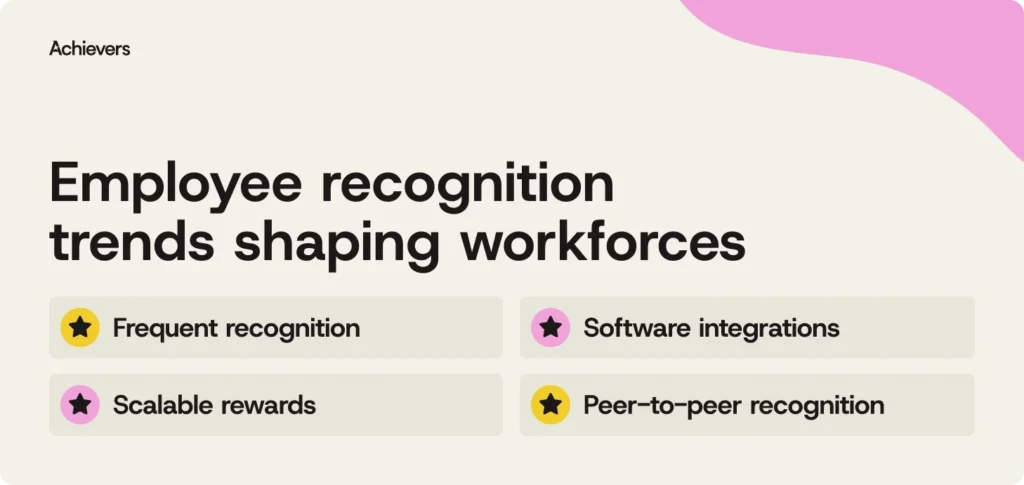
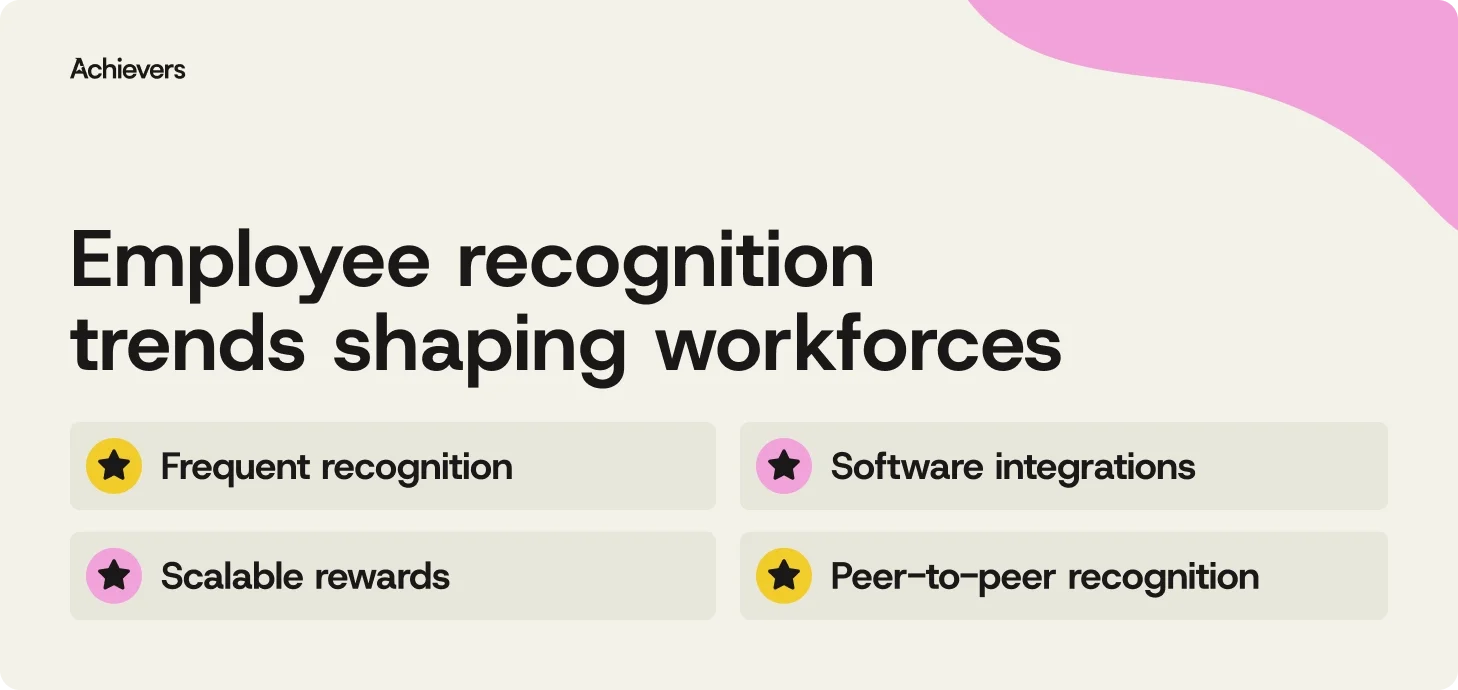
The era of relying solely on annual reviews for employee feedback and praise is definitively over. Employees in 2026 are not passively awaiting a once-a-year pat on the back; regular recognition has become an expectation, not a rare occurrence. This trend extends beyond celebrating major project completions or quarterly successes. A growing number of forward-thinking companies are embracing "micro-recognition"—the consistent acknowledgement of everyday contributions, small wins, and incremental progress in real time. These seemingly minor moments accumulate, cultivating a pervasive culture where appreciation is a visible, ongoing part of the daily workflow. Such frequent validation creates a positive feedback loop, reinforcing desired behaviors and boosting morale instantaneously. The 2025 State of Recognition Report further corroborates this, indicating that employees who receive weekly recognition are 2.6 times more likely to achieve their highest productivity levels at work. Organizations are simplifying this process by integrating recognition into daily stand-ups, project management tools, and internal communication platforms, making it as seamless as sending an email. "The shift to frequent, informal recognition is about building psychological safety and trust," explains Dr. Evelyn Reed, a prominent organizational psychologist. "It signals to employees that their efforts, no matter how small, are seen and contribute to the larger goal, fostering a sense of continuous value."
2. Personal and Purposeful Recognition: Beyond the Generic
The days of a vague "great job!" sufficing as meaningful recognition are long gone. Today’s employees seek specificity; they want to understand precisely what they did well and, crucially, why it mattered to the team, the project, or the company’s overarching objectives. Specific, thoughtful recognition is powerful because it clearly reinforces the behaviors and contributions an organization wishes to see more of, significantly increasing the likelihood of their repetition. This level of detail transforms recognition from a generic compliment into a potent tool for behavioral reinforcement and skill development. To cultivate a habit of truly meaningful recognition, leaders and peers are encouraged to link their praise directly to specific actions and their subsequent positive impact. For instance, instead of "good presentation," an effective recognition might be, "Sarah, your clear data visualization in today’s client presentation really helped us convey the project’s ROI effectively, leading to immediate positive feedback from the client." This not only validates Sarah’s effort but also educates others on what excellence looks like.
3. Integrating Recognition into Existing Tech Stacks

One of the most transformative shifts is the seamless integration of recognition functionalities directly into existing workplace technology ecosystems. Recognition is no longer an isolated activity requiring extra clicks or separate logins; it is embedded within the applications and platforms employees already utilize daily. When recognition tools are baked directly into communication hubs like Slack or Microsoft Teams, or project management software like Asana or Jira, it becomes an intuitive, second-nature action rather than an additional task. This integration drastically reduces friction, boosts adoption rates, and ensures that appreciation flows freely and naturally within the collaborative workflow. "The goal is to make recognition as easy as sending a message to a colleague," states David Chen, CEO of a leading HR tech consultancy. "When it’s integrated, it’s not an interruption; it’s an enhancement to how teams already communicate and operate, making appreciation an organic part of the work rhythm."
4. Offering Scalable, Personalized Rewards
The era of generic, one-size-fits-all rewards, like a branded company mug that might end up in the back of a drawer, is fading. In 2026, the emphasis is firmly on personalization, understanding that what motivates one employee may not resonate with another. Modern reward systems are designed to be scalable yet highly personal, offering a diverse range of choices that empower employees to select what is genuinely meaningful to them. This can range from gift cards to their favorite retailers, experiential rewards like cooking classes or wellness retreats, contributions to a charity of their choice, or even opportunities for professional development. This approach not only increases the perceived value of the reward but also demonstrates that the organization understands and respects its employees’ individual preferences and needs. Such personalized reward systems are particularly crucial for supporting diverse, remote, and global teams, providing equitable options regardless of an employee’s location or cultural background. "Receiving a reward I actually chose feels like a genuine thank you, not just a corporate obligation," notes Maria Rodriguez, a software engineer working remotely from Spain. "It shows they truly appreciate me as an individual."
5. Adopting an Accessible Employee Recognition Platform
For recognition to be truly effective, it must be universally accessible. A program that caters exclusively to office-based workers, inadvertently excluding frontline staff, deskless employees, or those in remote locations, fundamentally fails in its purpose. Modern employee recognition programs are meticulously designed for inclusivity, ensuring they are accessible across various devices, locations, and languages. This necessitates seeking platforms equipped with mobile-first interfaces, multi-language support, and intuitive user experiences that require minimal training. Crucially, such platforms must also support offline access or robust integration with systems used by deskless workers, such as point-of-sale systems or manufacturing floor terminals. When recognition is genuinely accessible, it actively supports every member of the workforce, including the often-overlooked frontline and deskless employees who are the backbone of many industries but frequently get left out of traditional recognition initiatives. This fosters a sense of equity and belonging across the entire organizational hierarchy.
6. The Power of Peer-to-Peer Recognition
The impact of peer recognition extends far beyond simple acknowledgement; it is a potent force for building robust connections, elevating team morale, and reinforcing shared values across diverse teams. When colleagues recognize each other’s efforts, it fosters a strong sense of community and mutual respect that organic collaboration. Research consistently demonstrates the power of this dynamic, with studies finding that employees who are regularly recognized by their peers are 33% more likely to feel a deep sense of belonging compared to those who do not receive such recognition. This form of appreciation often highlights nuances and efforts that might go unnoticed by management, providing a more holistic and authentic view of individual contributions. To cultivate a culture of peer-powered appreciation, organizations are implementing user-friendly platforms that make it effortless for employees to send shout-outs, kudos, and thank-yous to their colleagues. These platforms often incorporate social feed elements, making recognition publicly visible and creating a positive ripple effect throughout the organization.
7. Proactive Promotion of the Recognition Program
Even the most thoughtfully designed employee recognition program will flounder if it remains a hidden gem. If employees are unaware of its existence, unsure how to use it, or fail to grasp its significance, engagement with the program will inevitably suffer. The solution lies in treating the recognition program as an internal campaign, actively promoting its benefits and demonstrating its utility. According to the Achievers Workforce Institute (AWI), recognition frequency directly correlates with improved performance, higher retention rates, and an enhanced sense of belonging—but only when employees actively utilize the platform. The most effective companies go beyond a single launch announcement; they continuously market their program through internal communications, training sessions, and, most importantly, through visible leadership endorsement. When leaders not only advocate for the program but actively participate, modeling the desired behavior by regularly recognizing their teams and peers, it creates a powerful example that encourages widespread adoption. This visibility ensures that recognition becomes an integral part of the company culture, rather than an optional add-on.
8. Leveraging Recognition Data to Drive Strategic Decisions
In an increasingly data-driven world, leading organizations are recognizing the immense strategic value embedded within their recognition program data. They actively track metrics such as recognition frequency, the sources of recognition (manager vs. peer), and trends across different demographics and teams. These insights are then shared with leadership to inform critical talent strategies. The AWI’s 2026 Engagement and Retention Report highlights a compelling statistic: employees who feel genuinely appreciated are an astounding 17 times more likely to envision a long-term career path at their company. This makes recognition data an indispensable asset for understanding, enhancing, and sustaining engagement and retention efforts. By analyzing patterns, organizations can identify high-performing teams, pinpoint areas where recognition may be lacking, and understand the specific types of contributions that are being valued. This data-driven approach transforms recognition from a qualitative feel-good initiative into a quantifiable strategic lever for HR and executive leadership.
Future Trends in Employee Engagement Technology: A Look Ahead
The evolution of employee recognition is inextricably linked to advancements in technology, with several emerging trends poised to further refine how organizations foster engagement and well-being.
1. The Rise of AI in Employee Engagement Technology
Artificial intelligence is not envisioned as a replacement for genuine human interaction but rather as a powerful augmentative tool to enhance consistent employee engagement. AI is making it significantly easier for employees to recognize their peers by suggesting opportune moments or crafting personalized recognition messages. Furthermore, AI-powered analytics are enabling leaders to gain deeper, more nuanced insights into employee sentiment and engagement data, identifying subtle shifts or potential issues before they escalate. Research from the Achievers Workforce Institute indicates early momentum, with 14% of employees reporting that AI tools simplify recognition for managers and peers. The successful adoption of AI, however, hinges on its strategic introduction; IBM data suggests that employees are 34% more likely to embrace new business structures when engagement is intrinsically woven into the transformation process. Looking forward, AI is expected to play an increasingly sophisticated, behind-the-scenes role, reducing friction and facilitating more frequent and impactful engagement interactions.
2. Analytics and Data as Real-Time Engagement Signals
The days of engagement data being merely a retrospective reporting tool are numbered. Engagement data, encompassing recognition activity, feedback patterns, and platform usage, is becoming a real-time diagnostic signal, providing organizations with dynamic insights into how employees experience their work over time. This continuous flow of information offers unparalleled clarity into connection levels, participation rates, and overall engagement across various teams and roles. As analytics platforms become more intuitive and easier to interpret, engagement data will transition from periodic reports to a regular input for critical decisions related to culture, performance management, and retention strategies. This shift allows organizations to be far more agile and responsive to the evolving needs and sentiments of their workforce.
3. Employee Development Through Ongoing Engagement
Employee development is taking center stage as individuals increasingly seek opportunities to acquire new skills and adapt to rapidly changing job roles. Growth is no longer confined to formal training programs or annual review cycles. Recognition and continuous feedback are emerging as vital mechanisms for highlighting strengths, identifying new skills, and acknowledging contributions as they occur, providing employees with a clearer understanding of how they are growing through their daily work. As this paradigm shift continues, development will feel more organic, ongoing, and transparent. Engagement technology will play a crucial role in supporting this by helping both employees and leaders visualize progress over time, facilitating richer development conversations throughout the year, and reducing reliance on infrequent, formal evaluations.
4. Emphasizing Wellbeing and Psychological Safety at Work
Wellbeing and psychological safety have rapidly ascended to the forefront of workplace priorities, with employees paying closer attention to how supported and secure they feel in their professional environments. Feeling recognized and appreciated plays a substantial role in cultivating this sense of safety and support. AWI research reveals that 24% of employees believe recognition would significantly boost their confidence during periods of organizational change. Moving forward, engagement technology is poised to be utilized more deliberately to reinforce wellbeing through consistent, everyday interactions. Recognition and feedback mechanisms will empower organizations to identify early indicators of stress or disengagement, while simultaneously reinforcing positive behaviors that build trust and foster an inclusive culture. Over time, these integrated tools will assume a larger, more intrinsic role in shaping how supported and psychologically safe employees feel as an inherent part of their daily work experience.
5. The Ubiquity of Continuous Feedback and Engagement
Feedback, much like recognition, is becoming more frequent and instantaneous as employees demand clarity and direction in real-time. Engagement technology is instrumental in facilitating the immediate sharing of recognition and feedback, enabling employees to swiftly understand what is working well and where their efforts are making an impact. This move towards continuous feedback makes the process feel more natural and integrated into the workflow, rather than a separate, formal event. Engagement software tools will continue to support regular, lightweight feedback exchanges throughout the year, ensuring that teams remain aligned and responsive as priorities and projects evolve. Ultimately, feedback will seamlessly become an integral component of everyday work, liberating it from the confines of traditional, often rigid, formal review cycles.
These profound trends reflect a fundamental re-imagining of how recognition truly functions within the modern workplace. Translating these insights into tangible, impactful practices requires more than good intentions; it demands the deployment of the right technological tools and a strategic approach. Platforms such as Achievers are specifically engineered to meet these evolving demands, with every facet of their design tailored to support what today’s employees genuinely expect: frequent, meaningful recognition, personalized rewards, and experiences that feel deeply personal rather than merely transactional.
With a comprehensive platform, organizations gain the ability to foster recognition that connects individuals to a larger purpose, actively shaping the desired culture, one moment of appreciation at a time. The trends defining employee recognition in 2026 are not about superficial perks; they are about cultivating workplaces where individuals feel genuinely seen, consistently supported, and deeply connected to something greater than themselves. When recognition is delivered consistently, personally, and with ease, its impact transcends simple morale boosting. It becomes a powerful catalyst for enhanced performance, builds profound trust, and cultivates unwavering long-term loyalty. Organizations do not need to navigate this complex landscape alone; whether embarking on a new recognition initiative or seeking to elevate an existing program, dedicated platforms provide the essential tools, actionable insights, and robust support necessary to build a recognition culture that truly endures and thrives.