
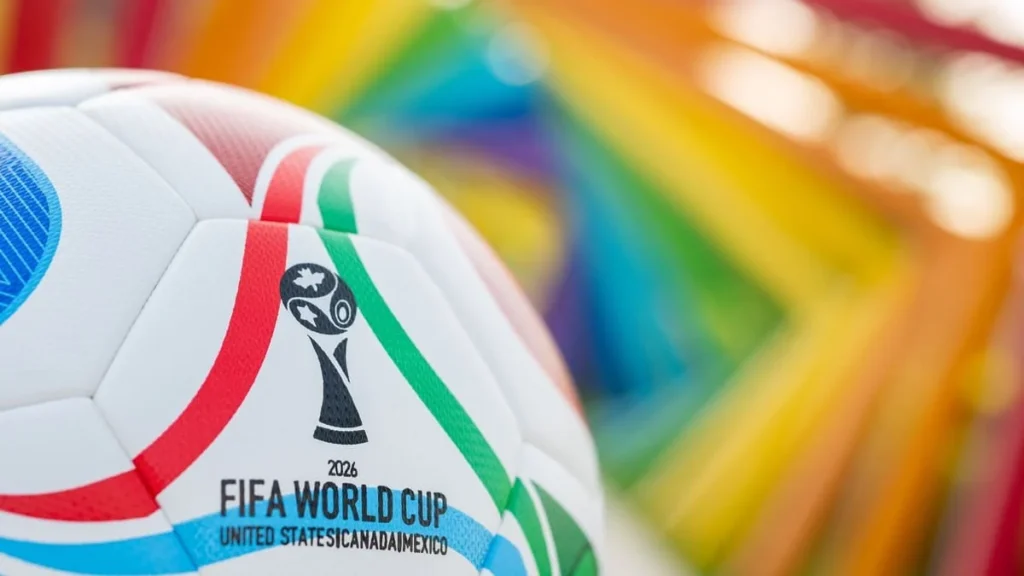
Employers across the United Kingdom are facing a significant challenge in the summer of 2026, as the FIFA World Cup, hosted across the United States, Canada, and Mexico, is projected to trigger a widespread surge in "football sickies" and substantial workplace disruption. Research indicates that millions of dedicated fans are prepared to sacrifice sleep to watch matches live from North America, with the considerable time difference between the continents posing an unprecedented logistical headache for British businesses. This expanded tournament, the first to feature 48 teams, will see numerous fixtures kick off during late night or early morning hours for UK audiences, creating a unique set of circumstances that demand proactive strategies from employers.
The sheer scale of the 2026 FIFA World Cup is unparalleled. Expanding from 32 to 48 national teams and featuring 104 matches, up from the previous 64, the tournament will span 16 host cities across three North American nations. This increased number of games, combined with the vast geographical spread of the host countries, means that match timings will vary significantly across Eastern, Central, Mountain, and Pacific time zones. For UK viewers, this translates into a demanding schedule. A match kicking off at 9 PM Eastern Time in the US will begin at 2 AM in the UK, while a 5 PM Pacific Time start will be 1 AM GMT. Some fixtures are even anticipated to start as late as 5 AM UK time, presenting a direct conflict with traditional working hours.
Anticipated Employee Behaviour and Viewing Habits
The appetite for live football in the UK remains robust, irrespective of inconvenient kick-off times. A survey conducted by YouGov revealed that over half of UK residents intending to follow the tournament plan to watch matches live, rather than relying on catch-up services or highlights. Among these ardent fans, a substantial 26% indicated they would stay awake beyond 11 PM to witness games, while 12% expressed willingness to tune in for fixtures starting as late as 5 AM. This commitment underscores the potential for widespread sleep deprivation across the workforce during the five-week tournament, which runs from June 11 to July 19, 2026.
Public excitement for the competition is already palpable, with 31% of people in the UK reportedly "already excited" about the event. Online searches related to the World Cup topped 7.8 million in the past month, demonstrating a strong, early engagement that workplace experts believe could translate into significant operational impacts. Adding to this enthusiasm is the return of Scotland to the World Cup stage for the first time since 1998, a factor expected to intensify national interest. Scotland’s opening campaign match is set for a 2 AM UK kick-off, followed by two further 11 PM starts. England’s fixtures are also likely to include evening kick-offs, projected for 9 PM and 10 PM UK time. Beyond national teams, a considerable proportion of the UK’s diverse workforce will also be following teams linked to their heritage or origin, such as Portugal, Senegal, South Africa, Australia, Colombia, and Ivory Coast, broadening the scope of potential disruption.
The Broader Context of FIFA World Cup 2026: A Unique Challenge
Previous FIFA World Cups have, to varying degrees, presented scheduling challenges for UK employers. However, the 2026 edition stands out due to several factors. Tournaments held in relatively close time zones, such as Russia (2018) or Qatar (2022), often allowed for more favourable viewing times, with many matches falling within standard evening hours. Even Brazil (2014) had a more manageable time difference. The extensive geographical spread across North America, however, means a wider range of time zone disparities, pushing more games into the deepest hours of the UK night.
This unique alignment of factors – an expanded tournament, multiple distant time zones, and heightened national interest – sets the stage for a period where traditional work structures will be tested. The physiological impact of consistent sleep deprivation on employees is well-documented. Reduced cognitive function, impaired decision-making, decreased reaction times, lower concentration, and increased irritability are common consequences. Such effects can lead to higher rates of errors, reduced productivity, and an elevated risk of accidents in the workplace.
Economic and Productivity Implications
The financial implications of widespread absenteeism and reduced productivity are a significant concern for businesses. While "football sickies" are often anecdotal, the cumulative effect of a substantial portion of the workforce experiencing sleep deprivation or taking unauthorised leave can be substantial. The cost of absenteeism to the UK economy is already significant, estimated to be billions of pounds annually, and a major sporting event like the World Cup can exacerbate this.
Workplace specialists at Co-Space have specifically warned that businesses may face increased absenteeism, reduced concentration, and widespread fatigue as employees attempt to balance overnight viewing with their professional commitments. This scenario presents a dual threat: not only are employees potentially absent, but those who do attend work after minimal sleep may suffer from "presenteeism," where they are physically present but operate at a significantly reduced capacity. The resulting dip in output, quality, and engagement can be even more insidious than outright absence, as it is harder to quantify and address.
The Hybrid Work Factor: A Double-Edged Sword
The widespread adoption of hybrid and remote working models since the COVID-19 pandemic adds another layer of complexity. While offering greater flexibility, these models could inadvertently make it easier for employees to stay up through the night to watch matches, attempting to work the following day from home. This remote setup might mask the immediate signs of fatigue or lack of concentration that would be more evident in an office environment. However, it doesn’t mitigate the underlying issues of reduced productivity and potential errors.
William Stokes, chief executive of Co-Space, articulated that the World Cup would become "a real test of workplace culture, flexibility, and trust." He further warned that employers should anticipate higher levels of distraction, late arrivals, and short-notice absences, particularly if England and Scotland progress deep into the competition. The allure of watching a crucial knockout match live, even in the early hours, could prove too strong for many, especially when the perceived accountability of a physical office presence is diminished.

Expert Warnings and Recommendations: Navigating the Challenge
To mitigate the anticipated disruption, businesses are being urged to adopt a proactive and flexible approach. Key recommendations include considering flexible start times, remote working allowances, and strategically scheduling fewer early-morning meetings following major fixtures. Simultaneously, employers must maintain clear expectations around professionalism, attendance, and output.
Stokes emphasised the delicate balance required: "Trying to enforce rigid productivity expectations after major overnight fixtures could damage morale more than the football itself." This highlights the importance of empathy and understanding. A draconian approach to attendance or performance during this period could alienate employees and foster resentment, potentially leading to more significant long-term issues in employee relations and retention.
Conversely, a complete relaxation of standards is also ill-advised. Stokes noted, "At the same time, businesses still need clear boundaries. Showing up hungover, disrupting colleagues, or abusing flexible working policies can quickly create resentment, especially among employees who have no interest in football." Fairness and consistency are paramount. Policies must be applied equitably to all staff, ensuring that non-football fans do not feel disadvantaged or burdened by the indulgence of their football-loving colleagues.
Cultivating a Flexible and Trusting Workplace Culture
The World Cup presents an opportunity for employers to demonstrate progressive workplace practices and reinforce a culture of trust and flexibility. Implementing temporary, well-communicated policies could include:
- Flexible Hours: Allowing employees to adjust their start and end times on specific days, perhaps shifting from 9 AM to 11 AM after a late-night match, with the expectation of making up hours later in the week.
- Compressed Work Weeks: Offering the option for a 4-day work week in exchange for longer daily hours, providing a full day off after a significant fixture.
- Designated Recovery Time: Encouraging employees to use annual leave strategically or offering unpaid leave options for specific recovery days.
- Communication Protocols: Establishing clear channels for reporting illness or requesting flexible arrangements in advance.
- Creating a Buzz: For teams working in offices, creating designated "fan zones" or allowing discreet viewing of major games during work hours (e.g., in a break room) for specific, high-interest matches could foster camaraderie and reduce the temptation for sickies. This, however, needs careful management to avoid disruption.
- Leadership by Example: Managers demonstrating flexibility and understanding while upholding professional standards can set the tone for the entire organisation.
Leading HR bodies often advise that major cultural events like the World Cup, if managed effectively, can be leveraged to boost morale and team cohesion. A workplace that acknowledges and accommodates employees’ interests, where possible, often sees higher engagement and loyalty in return.
Balancing Enthusiasm with Professionalism
The smartest employers will treat the World Cup as a short-term morale and engagement opportunity while still maintaining fairness and professionalism across the workplace. This means having clear, communicated guidelines well in advance of the tournament. These guidelines should cover:
- Sickness Absence: Reminding employees of the company’s official sickness reporting procedures and the expectations around genuine illness. Employers retain the right to conduct return-to-work interviews and, in cases of suspected abuse, to follow disciplinary procedures, though this should be a last resort.
- Use of Company Devices and Internet: Clear policies on personal use of internet and devices during working hours should be reiterated. While some companies might allow discreet following of live scores, streaming full matches could significantly impact network performance and individual productivity.
- Alcohol Consumption: Policies regarding alcohol consumption, particularly for those working from home or attending the office after late-night viewing, should be clear.
- Respect for Non-Fans: Ensuring that the enthusiasm of football fans does not negatively impact colleagues who have no interest in the tournament. This includes managing noise levels, discussions, and ensuring fairness in flexible arrangements.
Beyond the Sickie: Other Workplace Considerations
The impact of the World Cup extends beyond just absenteeism. Employers should also consider:
- Increased Social Media Usage: Employees may be more distracted by real-time updates, scores, and discussions on social media platforms.
- Watercooler Discussions: While fostering camaraderie, excessive discussions about matches can detract from focus and disrupt work.
- Mental Health: The emotional highs and lows associated with supporting a national team can also impact mood and concentration at work.
- Security Risks: Increased online activity around the World Cup can also lead to a rise in phishing scams and cyber threats targeting eager fans. Companies should remind employees about online safety.
Looking Ahead: A Strategic Approach for Employers
The 2026 FIFA World Cup represents a significant event that will test the resilience and adaptability of UK workplaces. Proactive planning, transparent communication, and a balanced approach that combines flexibility with clear boundaries will be crucial. Employers who view this not merely as a challenge, but as an opportunity to reinforce a positive and trusting work culture, are likely to emerge with higher employee morale and minimal long-term disruption.
By preparing well in advance, communicating policies clearly, and fostering an environment of mutual respect, UK businesses can navigate the unique demands of the North American-hosted World Cup, ensuring that the passion for football does not derail productivity but instead, potentially, strengthens workplace bonds. The ultimate success will lie in striking a judicious balance between accommodating employee enthusiasm and upholding essential professional standards.








