I am getting tired of reading stories about AI eliminating jobs. While AI does eliminate tasks and many routine activities, the real story is quite the opposite: AI makes jobs more interesting, more valuable, and ultimately more rewarding (financially and otherwise). I don’t say this because I’m an HR and HR technology analyst, but because I see this happening every day. (My new book coming out this Fall will describe Superwork and Superjobs in detail.)

The prevailing narrative surrounding Artificial Intelligence (AI) often centers on its potential to displace human workers, painting a bleak picture of widespread job losses. However, a closer examination of evolving labor market dynamics suggests a more nuanced reality. Rather than being a harbinger of unemployment, AI is increasingly demonstrating its capacity to augment human capabilities, thereby creating more engaging, higher-value, and ultimately more rewarding career paths. This perspective, drawn from extensive analysis of HR technology and daily observations, challenges the doomsday predictions and points towards a future where AI acts as a powerful catalyst for job creation and enhancement.

The Shifting Landscape of Software Engineering
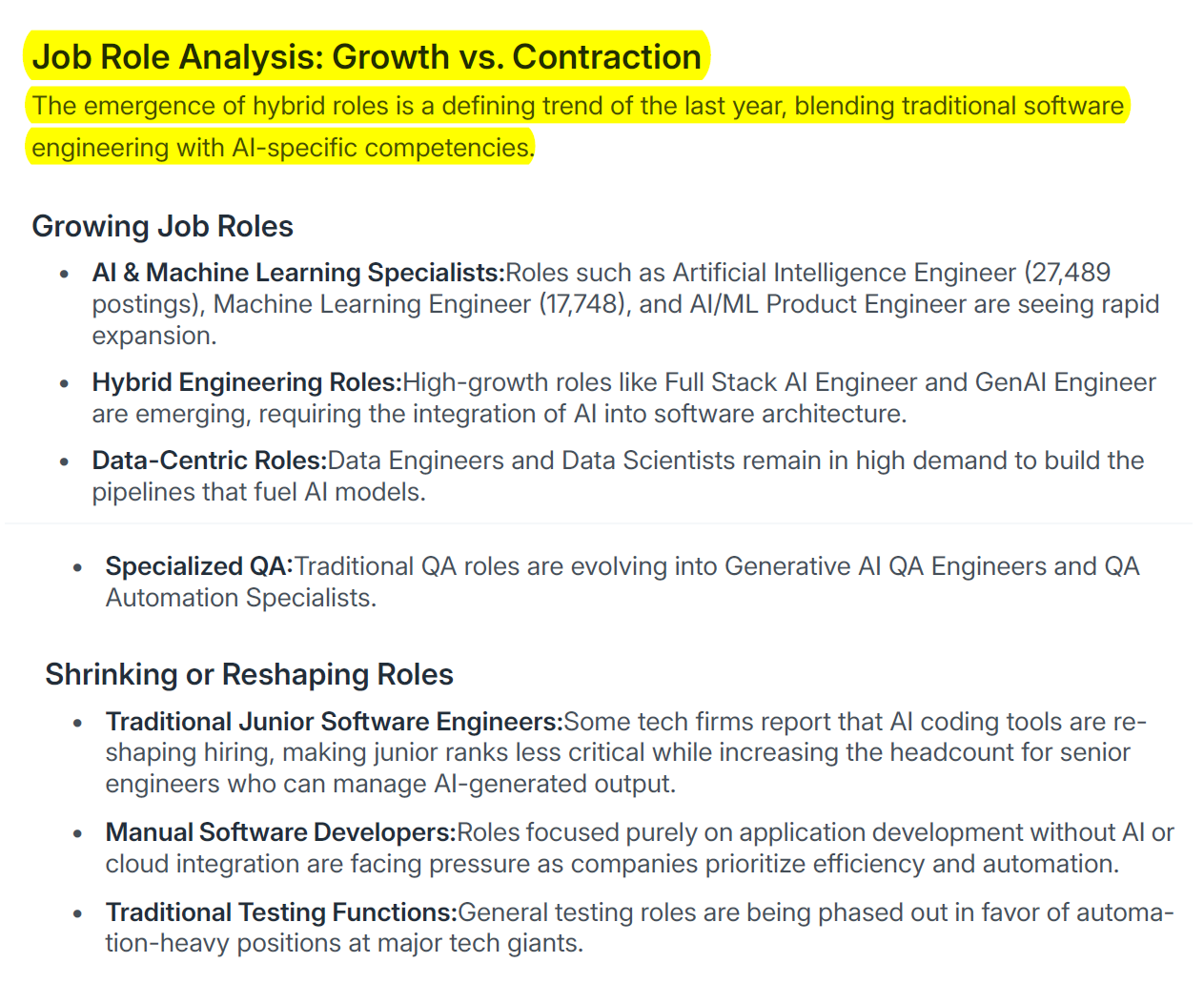
One of the most frequently cited sectors impacted by AI is software engineering. With estimates suggesting that 4-6% or more of the global workforce is involved in software design, coding, testing, maintenance, and integration, this field represents a significant economic force, driving trillions of dollars in salary expenses and corporate projects. Some research, such as that from Anthropic, has posited that a substantial portion of coding tasks could be automated by Large Language Models (LLMs), leading to concerns about job security for software professionals.
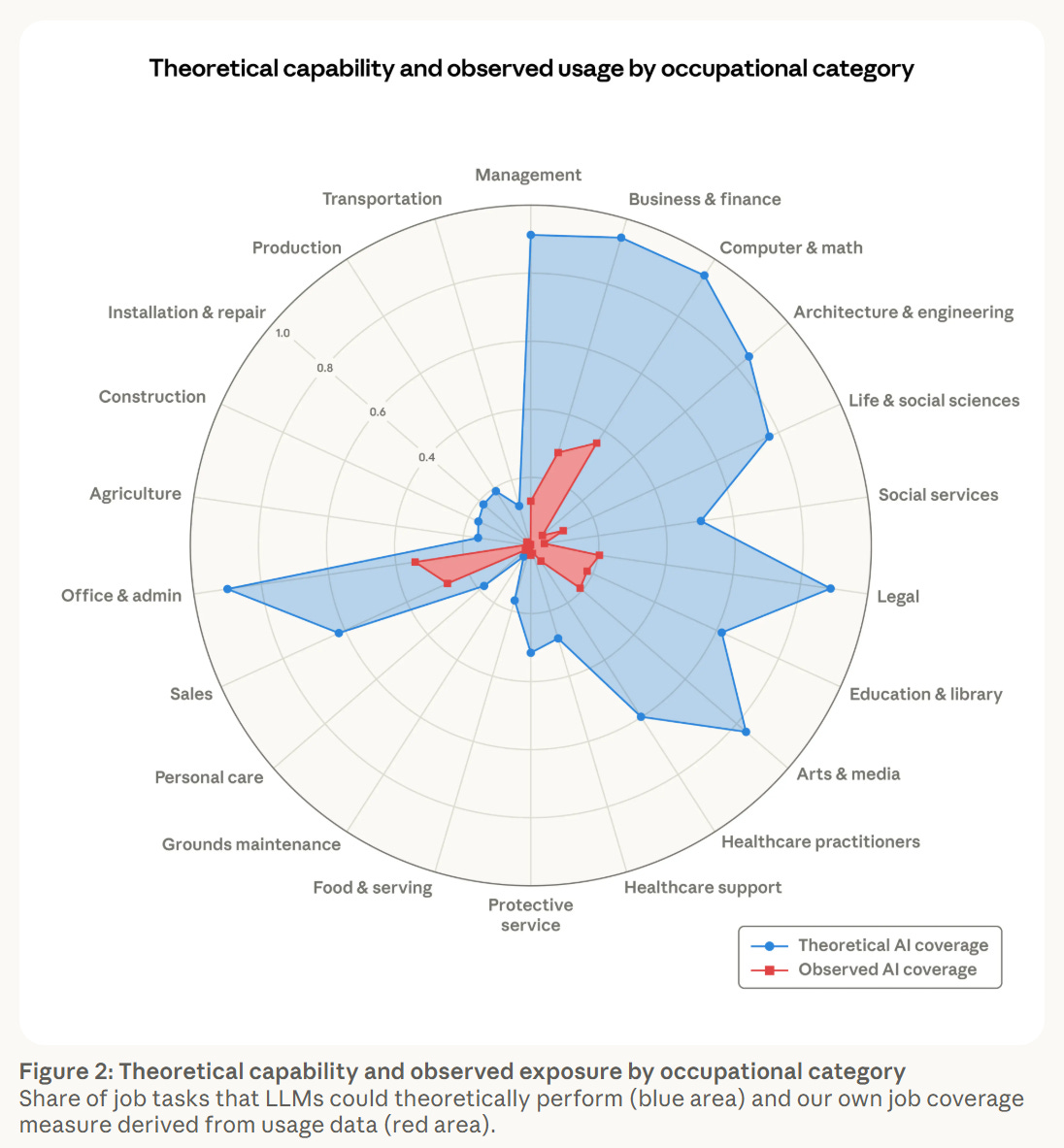
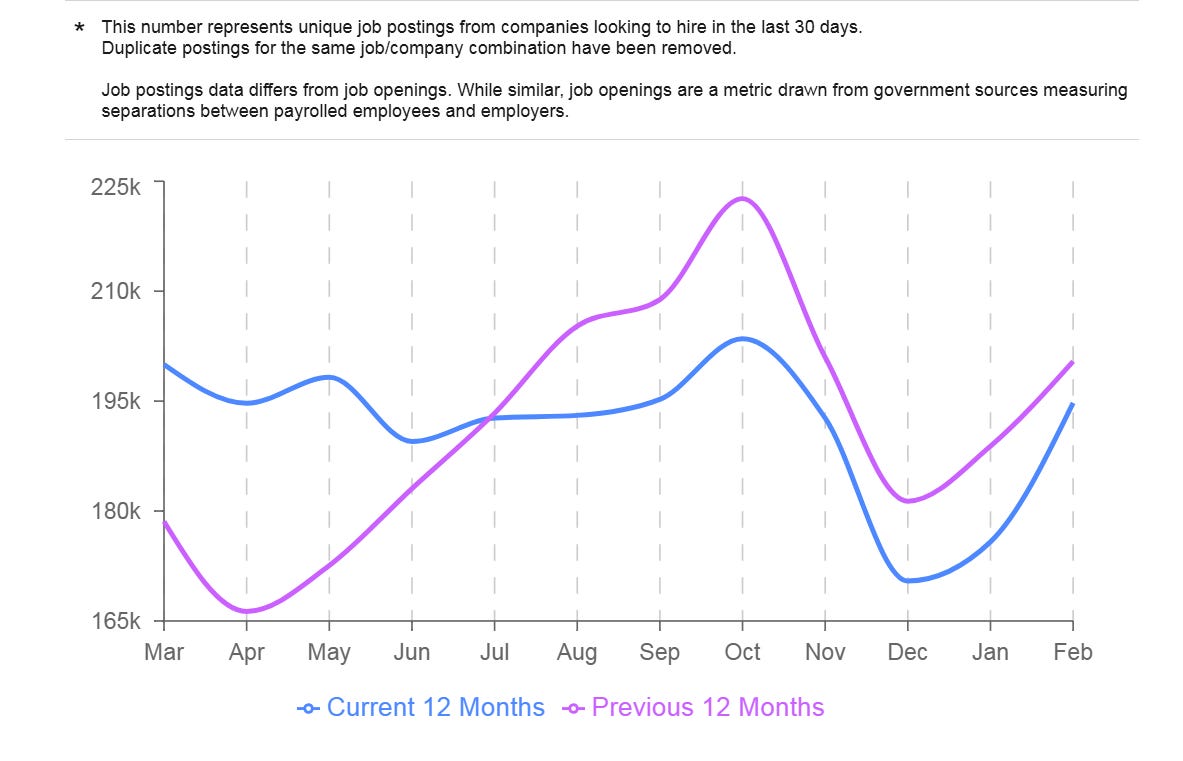
However, real-world data paints a different picture. Despite these predictions, the demand for software engineering roles has remained remarkably resilient, and in many instances, has continued to grow. Labor market analytics firms like Draup and Lightcast have provided data indicating that while specific tasks within software development may be changing, the overall number of job openings in software engineering, design, and testing has not seen a significant decline. In fact, the surge in AI development itself has created new roles, with companies like OpenAI reportedly having hundreds of open positions for AI and related engineering roles. This suggests a shift in the nature of the work rather than its elimination.
Evolving Skill Sets and the Rise of "Superjobs"
The impact of AI on software engineering is not about replacing engineers wholesale, but rather about transforming their roles. Analysis of job postings reveals a trend where foundational coding and testing tasks are becoming less emphasized, while skills related to AI integration, prompt engineering, and the strategic oversight of AI systems are gaining prominence. This evolution is creating what can be termed "Superjobs" – roles that leverage AI as a tool to enhance productivity and focus on higher-level cognitive functions.
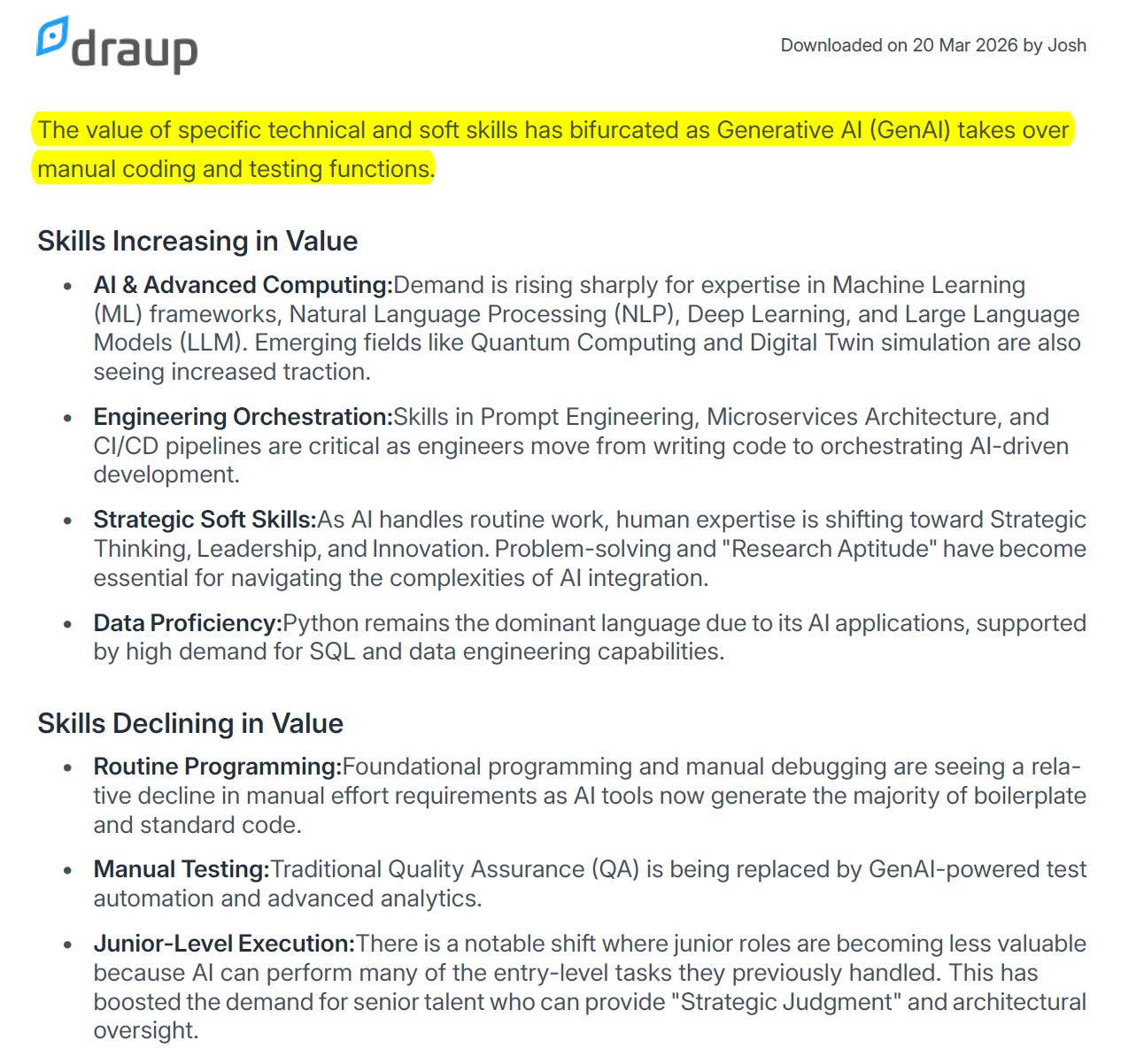
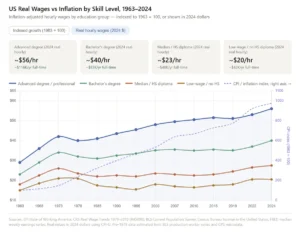
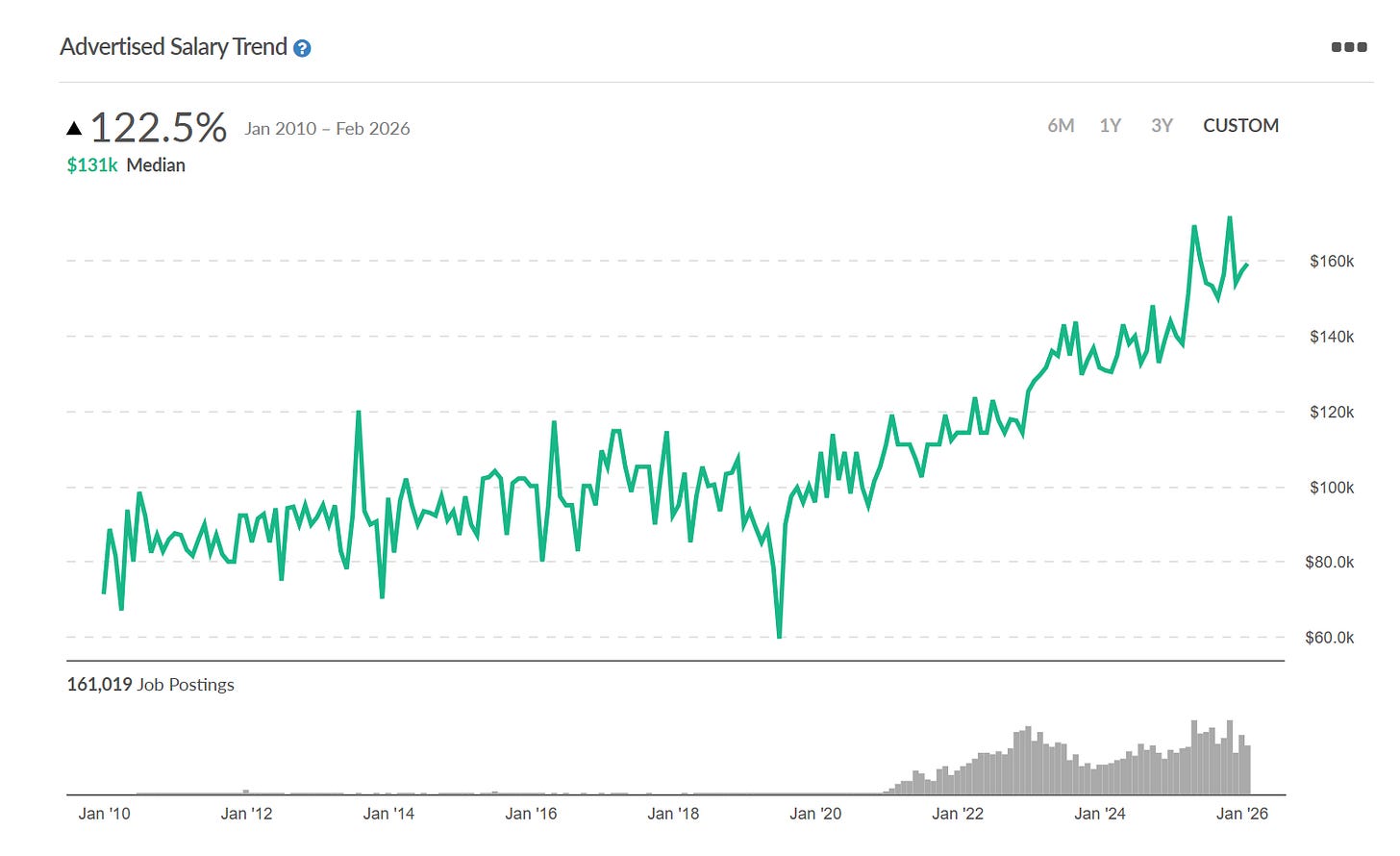
For instance, job titles like "full-stack AI engineer" or "GenAI engineer" are emerging, signifying a move towards more comprehensive roles that encompass the design, development, and deployment of AI-powered solutions. These roles demand a blend of technical expertise and an understanding of how to effectively integrate AI into existing workflows and products. The salaries associated with these advanced roles have also seen a significant increase, with data indicating a substantial rise in compensation for software engineers over the past 15 years, and a notable acceleration in the last year, potentially driven by the demand for AI-specific skills.
AI’s Transformative Impact on Healthcare
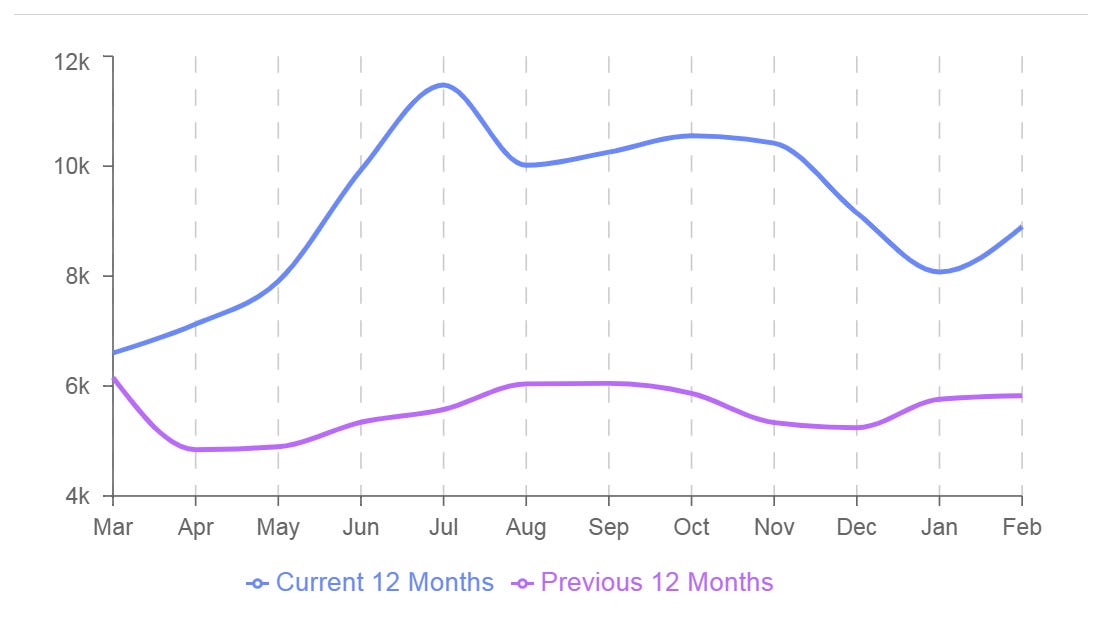
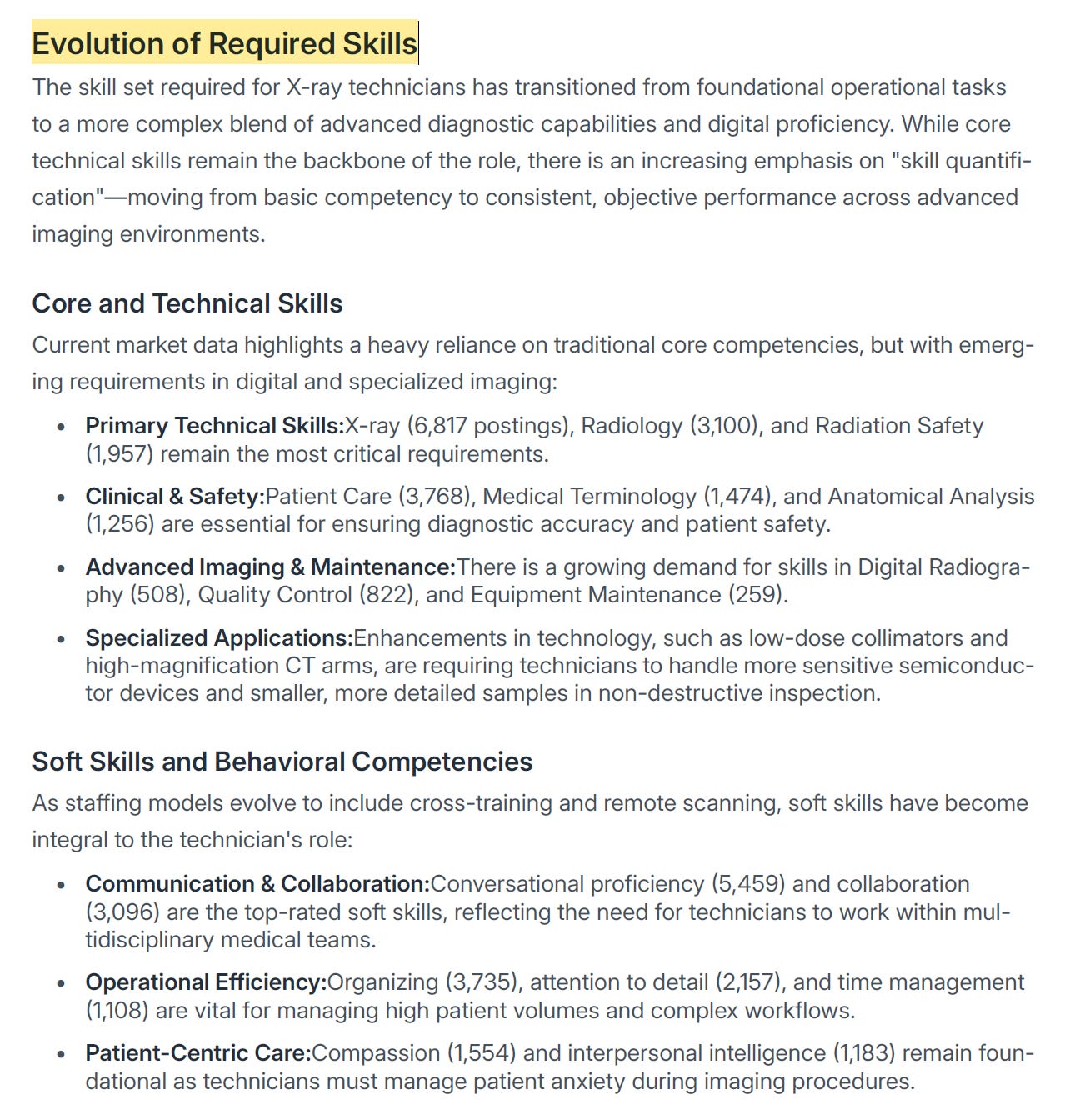
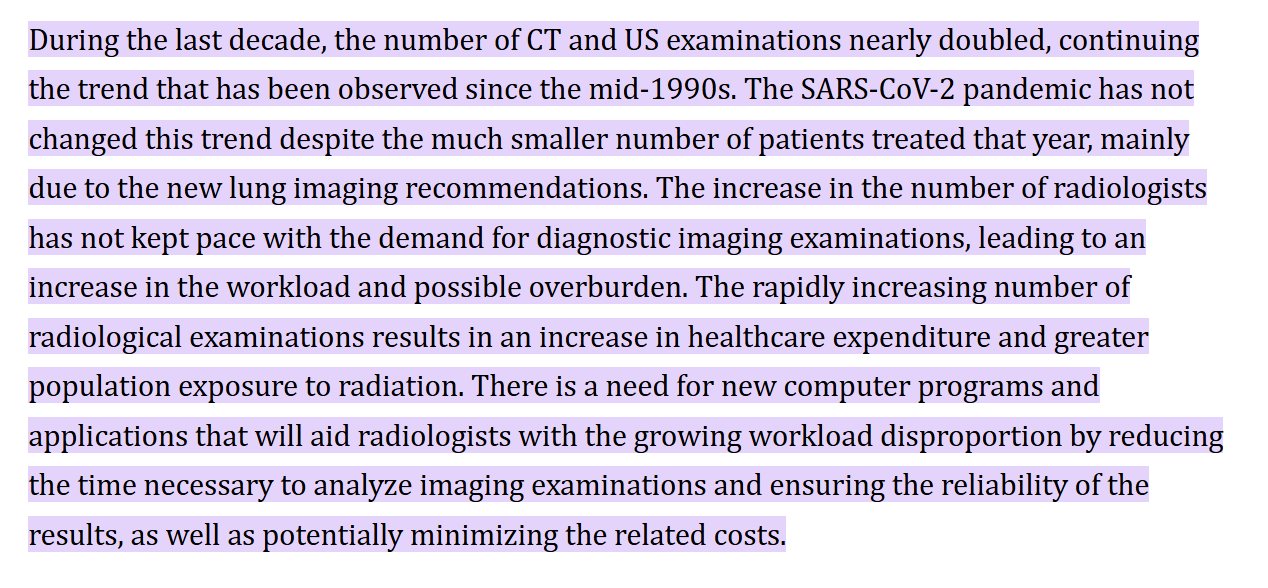
The healthcare sector provides another compelling example of how AI is reshaping, rather than eliminating, jobs. The role of X-ray technicians and diagnosticians, once predicted to become obsolete with the advent of digital imaging and AI-powered analysis, has instead evolved. While AI algorithms can now efficiently detect anomalies in medical scans, this has not led to a reduction in demand for these professionals. Instead, the job postings for imaging and medical diagnostics have seen a significant year-over-year increase, with Lightcast data showing a 35% rise.
This growth is attributed to AI’s ability to enhance the efficiency and accuracy of diagnostics, thereby increasing the overall volume of diagnostic procedures performed. The focus for healthcare professionals has shifted from routine scan interpretation to more complex tasks, including advanced patient care, data management, and the human-centric aspects of medicine that AI cannot replicate. This evolution has led to a "full-stack" approach to these roles, emphasizing patient interaction, complex problem-solving, and the integration of AI insights into holistic patient care strategies.

Economic Implications: Scale, Cost-Efficiency, and Value Creation
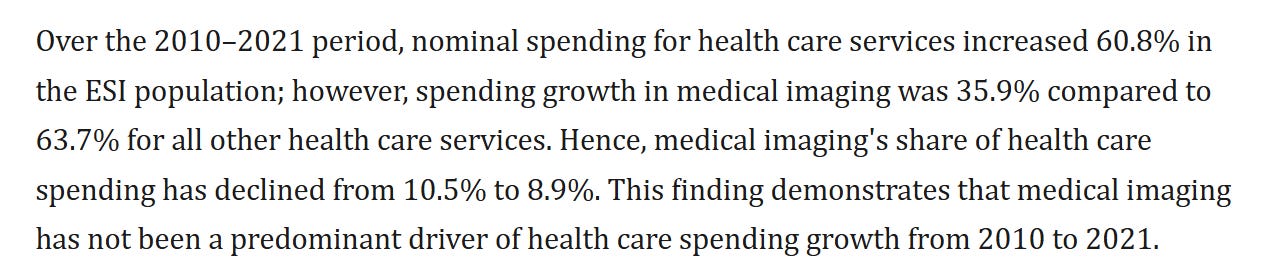
The widespread adoption of AI technologies has a profound impact on economic efficiency. AI enables unprecedented scalability and cost reduction in various industries. In healthcare, for example, the cost of imaging services has seen a relative decrease when compared to the soaring costs of other medical treatments, while the volume of procedures has dramatically increased. Studies indicate a significant impact on the cost-effectiveness of medical imaging, driven by technological advancements, including AI.

This increased efficiency has not resulted in job elimination but rather in a redirection of human effort. The anecdote of a patient receiving a quick X-ray and prompt diagnosis while driving home highlights how AI, coupled with human expertise, can streamline processes and improve patient experience. Both the doctor and the imaging specialist in this scenario can be considered "Superworkers" – individuals whose roles have been enhanced by AI, allowing them to provide more value and operate at a higher level of efficiency.
The Enduring Human Capacity for Adaptation and Value Creation
The argument that AI will lead to mass unemployment often overlooks a fundamental aspect of human nature: our innate capacity for adaptation and value creation. Throughout history, technological advancements, from the invention of the printing press to the industrial revolution and the digital age, have consistently altered the job market. However, they have not led to a permanent state of high unemployment. The consistent hovering of the US unemployment rate around 4.5% for many years demonstrates humanity’s remarkable ability to adjust to technological shifts.

Human beings are inherently "value creators." We possess millions of years of genetic learning ability, enabling us to adapt to new circumstances and find innovative solutions to challenges. This adaptability is evident in how individuals and organizations have navigated disruptions like the recent pandemic or the challenges faced by individuals with disabilities. The drive to "make things better" is a core human trait that fuels innovation and economic growth.
AI, as a powerful new tool, serves as another avenue for this innovation. It liberates individuals from tedious and repetitive tasks, allowing them to focus on more complex, creative, and strategic endeavors. This shift is not about replacing humans but about augmenting their capabilities, enabling them to think bigger, scale higher, and grow their companies, careers, and personal lives. The concept of "Superwork" and "Superjobs" encapsulates this evolution, where humans and AI collaborate to achieve outcomes previously unimaginable.
Learning More About the Future of Work
To gain a deeper understanding of this evolving landscape, several resources are available. Regular podcasts delve into the latest stories, vendor discussions, and technological advancements related to AI and the future of work. Conferences dedicated to leadership and innovation offer opportunities to engage with peers and explore these critical issues. Furthermore, comprehensive research reports and case studies provide in-depth analysis of AI’s impact on various industries and roles, offering insights into the emerging "Superworker" paradigm. Exploring foundational articles on the changing nature of work can also provide valuable historical context for understanding current technological transformations.
The narrative of AI as a job destroyer is increasingly being challenged by evidence suggesting it is a powerful enabler of job enhancement and creation. By automating routine tasks, AI empowers human workers to focus on higher-value activities, fostering innovation, and leading to more engaging and rewarding careers. The future of work is not one of human obsolescence, but of human augmentation and the creation of new opportunities in a technologically advanced world.