April marks National Volunteer Month, a dedicated period designed to highlight the profound impact of volunteerism across the globe. This observance culminates in National Volunteer Week, typically held from April 19th to 25th, serving as an inspiring focal point for recognizing and celebrating the collective power of individuals to contribute to societal well-being. Companies and organizations worldwide are increasingly acknowledging this crucial period, not only as a time for charitable giving but as an opportunity to foster a culture of civic responsibility among their employees.
Reward Gateway | Edenred, a company committed to improving workplaces globally, exemplifies this approach by providing its employees with "Volunteer Time Off" (VTO). This initiative grants employees additional paid time off specifically allocated for community service, enabling them to step away from their professional duties and actively participate in causes they care about. This policy underscores the company’s dedication to making the world a better place, one organization at a time, by empowering its workforce to contribute their time and energy to their respective communities. The concept of VTO is gaining traction as a strategic tool for employee engagement, retention, and the cultivation of a positive corporate social responsibility (CSR) profile.
The impetus behind an individual’s desire to volunteer often stems from a complex interplay of personal conviction, empathy, and a recognition of societal needs. For many, including those within organizations like Reward Gateway | Edenred, the act of volunteering is driven by a sense of privilege and a subsequent responsibility to contribute to a more equitable society. This belief translates into a desire to help others access opportunities and to foster a sense of community among like-minded individuals who are motivated to leave their surroundings in a better state than they found them. This sentiment aligns with research exploring the psychological underpinnings of generosity and altruism.
A notable study from Baylor University delved into the relationship between gratitude and prosocial behavior. The research indicated that "experimental data in psychology showing that when you induce gratitude, people are more generous with their time, money and volunteering – not only to the person who just benefited them, but to a stranger to whom they don’t have a relationship with, who might not ever pay it back again to them." This finding suggests that cultivating a sense of gratitude can foster a broader, more innate drive towards generosity, potentially explaining the intrinsic motivation behind many volunteer efforts. While the genesis of individual volunteering may not always be a direct response to such studies, the underlying psychological mechanisms of gratitude and empathy likely play a significant role.
The personal journey into volunteering is often characterized by a gradual realization of one’s capacity and commitment. Witnessing societal challenges, such as poverty, lack of access to healthcare, or housing insecurity, can be a powerful catalyst. For individuals who recognize their own fortunate circumstances, the impulse to contribute becomes more pronounced. The realization that personal time is one of the most valuable resources one can offer often guides these decisions. In the early stages, individuals might juggle multiple jobs and responsibilities, dedicating evenings and weekends to volunteer work. While youthful enthusiasm might fuel an ambitious schedule, the practicalities of sustained commitment often necessitate a more balanced approach.
Navigating the Path of Volunteerism: Finding Balance and Purpose
The initial phase of volunteering can present challenges in identifying the most impactful avenues and establishing sustainable boundaries. Many individuals, in their earnest desire to contribute, may initially overcommit, leading to an imbalance in their personal lives, potentially impacting their well-being and professional performance. The experience of overextending oneself, as described by some volunteers, can serve as a crucial learning experience, emphasizing the importance of moderation.
The process of determining where to volunteer and how much time to dedicate is often the most significant hurdle. To maintain a healthy work-life balance, protect personal well-being, and ensure sustained career performance, many find it beneficial to scale back their volunteer commitments to a manageable level, such as one day per week. This adjusted pace allows for continued engagement, fosters desired connections within the community, and enables tangible contributions without leading to burnout. As life circumstances evolve, volunteer commitments may naturally fluctuate. A once-a-week dedication might transition to once a month, reflecting an individual’s capacity at different life stages. This ebb and flow is a natural part of long-term engagement, with the potential for increased participation in the future.
The Collective Power of Shared Endeavors
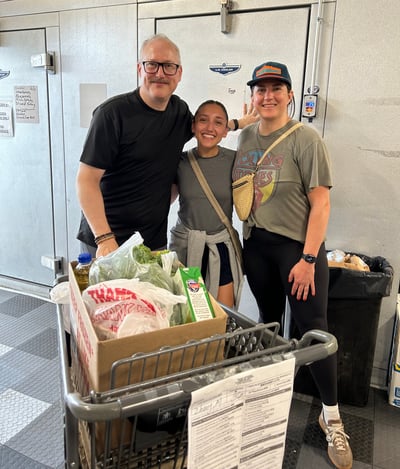
The impact of volunteerism is amplified when individuals come together, forming a collective force that can achieve outcomes far beyond individual efforts. The sheer scale of potential volunteer hours highlights this. For instance, if every adult in America were to volunteer just one day per month, it could translate to an estimated 100 million volunteer hours annually, representing a significant societal contribution.
The drive to volunteer is often rooted in a deep sense of gratitude for one’s own blessings and a sincere desire to extend those benefits to others. This personal conviction can be a powerful motivator for inspiring others to get involved. The commitment required for volunteering is often more accessible than perceived. For those hesitant to commit, exploring different organizations is a practical first step. Many organizations offer virtual orientations, allowing potential volunteers to gauge the level of commitment expected and the overall structure of the group before making a firm decision. This low-barrier entry point ensures that individuals can find a cause and an organization that aligns with their values and schedule.
While structuring entire lives around volunteerism might not be feasible for most in today’s demanding world, even a modest commitment, such as a few hours a month, can have a profound and transformative impact on both the lives of those being served and the volunteers themselves. The reciprocal nature of giving and receiving, often experienced through volunteer work, enriches the lives of all involved.
Organizations as Catalysts for Volunteerism
Companies like Reward Gateway | Edenred play a pivotal role in facilitating and encouraging volunteerism among their employees. By formalizing VTO policies, they not only empower individuals to contribute but also signal a corporate commitment to social responsibility. This can foster a stronger sense of purpose and belonging within the organization, as employees feel valued for their contributions both inside and outside the workplace.

The strategic integration of volunteer initiatives into corporate culture can yield numerous benefits. It can enhance employee morale, build stronger team cohesion through shared experiences, and improve public perception of the company. Furthermore, by aligning volunteer efforts with the company’s mission and values, organizations can create a more authentic and impactful CSR program.
The Broader Impact and Implications of National Volunteer Month
National Volunteer Month and Week serve as vital reminders of the ongoing need for civic engagement and the profound impact that collective action can have. The concept of volunteering extends beyond traditional charitable acts, encompassing mentorship, advocacy, environmental stewardship, and community development.
The implications of widespread volunteerism are far-reaching. It can help to address critical social issues, strengthen community bonds, foster civic education, and promote a more inclusive and equitable society. For businesses, embracing and supporting volunteerism can be a strategic imperative, contributing to a positive brand image, attracting and retaining talent, and ultimately, building a more sustainable and responsible corporate future.
As National Volunteer Month draws to a close and National Volunteer Week concludes, the spirit of giving back should continue to permeate our communities. The infrastructure provided by organizations offering VTO, coupled with the innate human desire to contribute, creates a powerful synergy for positive change. The ongoing challenge lies in sustaining this momentum, encouraging consistent engagement, and recognizing that every contribution, no matter how small, plays a vital role in building a better world. The insights from psychological research, combined with the practical implementation of corporate volunteer programs, offer a roadmap for fostering a society where generosity and community are not just occasional acts but integral components of our daily lives.