Two hundred and fifty years ago, the nascent United States of America was less a nation and more an audacious experiment. Its survival was far from guaranteed, yet from its inception, America distinguished itself by fostering a culture that embraced risk-takers, innovators, and entrepreneurs willing to challenge the status quo in pursuit of a more prosperous future. This inherent entrepreneurial spirit, it can be argued, became the nation’s enduring competitive advantage, a bedrock upon which its economic and global influence was built.
The narrative of American progress is intrinsically woven with the stories of entrepreneurs who sought opportunity on its shores. Through a potent combination of grit, relentless hard work, and unbridled creativity, these individuals not only established businesses but also catalyzed the growth of cities and forged entirely new industries. The United States did not ascend to become the world’s preeminent economy by sheer chance. Instead, it cultivated an environment where entrepreneurial endeavors could thrive, where bold ideas could translate into tangible value, generate widespread employment, stimulate groundbreaking innovation, and fortify communities.
As the nation approaches its 250th anniversary, a critical question emerges: does America remain committed to this foundational entrepreneurial vision? Furthermore, is the nation adequately prepared to extend this ethos to encompass the next century of technological and economic transformation? The prevailing sentiment, as articulated by prominent figures in the venture capital and innovation sectors, suggests that while the potential for continued leadership exists, it hinges on a clear-eyed recognition of three pivotal realities.
The Uneven Distribution of Opportunity: Talent Knows No Borders
A fundamental truth that underpins the future of American innovation is the notion that talent is universally distributed, even if opportunities for that talent to flourish are not. For decades, the innovation economy has increasingly coalesced in a select few coastal metropolises. These hubs, including Silicon Valley, Boston, and New York, have historically attracted a disproportionate share of capital, top-tier talent, and global attention. Data from organizations like the National Venture Capital Association and PitchBook consistently illustrate this concentration. For instance, in recent years, reports indicate that a significant majority—often upwards of 75%—of venture capital funding has been funneled into just a handful of states, primarily New York, Massachusetts, and California.
These concentrated ecosystems have undeniably been incubators of extraordinary companies, fundamentally reshaping the global economic landscape. However, this very concentration has also fostered a cycle where a similar demographic of individuals, operating within similar geographic confines, often funds similar types of ideas. This pattern, while productive, risks overlooking the vast reservoir of untapped potential residing in other parts of the country.
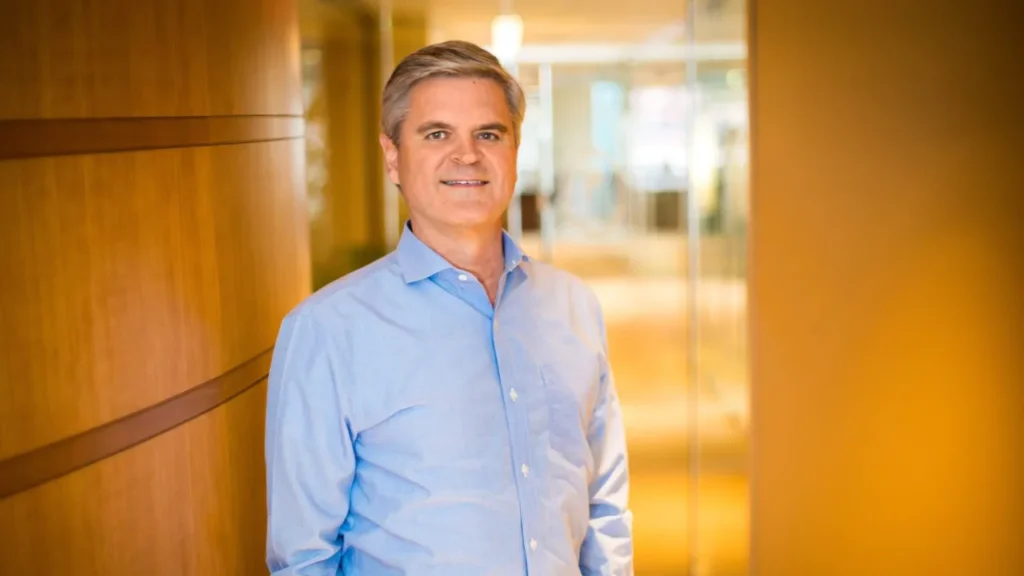
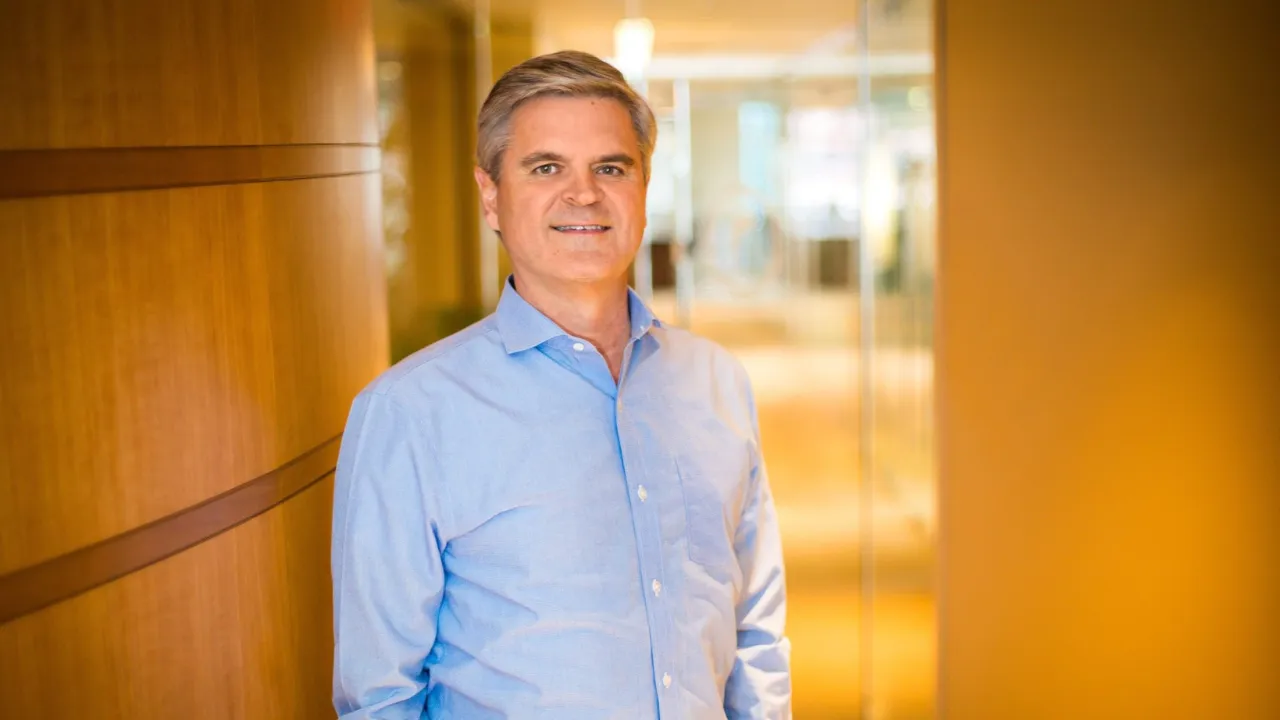
The "Rise of the Rest" initiative, spearheaded by figures like Steve Case, the co-founder of AOL and Chairman and CEO of Revolution, has undertaken extensive travel across America, engaging with entrepreneurs in numerous cities. This firsthand experience has repeatedly revealed the existence of exceptionally talented founders building vital companies in locales that are frequently overlooked by mainstream investors. Examples of companies supported by Revolution underscore this point. Tempus, an AI-enabled healthcare technology company headquartered in Chicago, is at the forefront of advancing precision medicine and personalizing cancer care. Hermeus, based in Atlanta, is developing hypersonic and high-Mach aircraft critical for U.S. national security. CAVA, a technology-driven Mediterranean restaurant brand, was founded and is headquartered in Washington, D.C. Even within California, innovation is not solely confined to the Bay Area, as demonstrated by Anduril, a defense technology company specializing in advanced autonomous systems and AI-powered software, which has a significant presence in San Diego.
These entrepreneurs are not choosing to build their ventures outside traditional hubs by accident. Many are making deliberate strategic decisions to establish and scale their companies in locations that offer distinct advantages, such as unique cultural environments, deep pools of local expertise, strong ties with world-class universities, robust industry ecosystems, and more affordable operating costs conducive to business growth. Recognizing and supporting these geographically dispersed centers of innovation is paramount.

The Next Wave of Innovation: A Broader Economic Landscape
The trajectory of technological advancement suggests that the next era of innovation will not be confined to a narrow segment of the economy but will instead permeate every facet of American industry. While the internet era was largely characterized by the proliferation of consumer software and digital platforms, the ensuing period promises a more profound transformation. Key sectors poised for significant disruption include artificial intelligence (AI), robotics, biotechnology, advanced manufacturing, clean energy, sustainable agriculture, cutting-edge healthcare solutions, next-generation transportation systems, and the evolution of financial services.
The current wave of AI development has seen a strong concentration in areas like Silicon Valley. However, the subsequent phases of AI deployment are anticipated to be more geographically distributed. As the focus shifts from developing general-purpose AI models to creating specialized, industry-specific applications and fostering the growth of "vertical AI," new opportunities will emerge in regions possessing deep domain expertise. This includes areas with strong presences in healthcare, food and agriculture, manufacturing, energy, and other critical sectors.
Historically, the most transformative companies have often been built in close proximity to the problems they aim to solve. It is challenging to gain a nuanced understanding of the complexities facing the agricultural sector if one’s entire professional network is confined within a technology-centric bubble. Similarly, companies poised to revolutionize manufacturing are likely to emerge from cities that retain a tangible connection to industrial processes and production. Startups reinventing healthcare may naturally arise near the nation’s leading medical centers and research universities, which are themselves dispersed across the country.
Moreover, success in these new ventures increasingly relies on robust partnerships involving government agencies, established industries, and local communities. This broader collaborative approach creates fertile ground for a wider array of regions to emerge as significant innovation hubs, fostering a more inclusive and resilient national innovation ecosystem.

Supporting Entrepreneurship Everywhere: A National Imperative
The imperative to support entrepreneurship across the entire nation is not merely a matter of regional equity; it is essential for America’s long-term economic future and its standing in the global arena. A critical lesson from the past decade is that the United States cannot sustain a model where a few select areas experience extraordinary prosperity while large swaths of the country feel increasingly marginalized. If a significant portion of the population perceives the innovation economy as benefiting only a narrow elite, there is a tangible risk of eroding public trust in both capitalism and technological progress itself.
Simultaneously, the global competitive landscape is intensifying. Nations worldwide are making substantial investments in nurturing entrepreneurship, advancing artificial intelligence, developing sophisticated manufacturing capabilities, and attracting top talent. While China often dominates headlines in this regard, countries such as India, Israel, South Korea, Sweden, and many others are aggressively investing in innovation. America’s long-held entrepreneurial edge is not an immutable entitlement and cannot be taken for granted.
Consequently, elevating the support for startups and high-growth companies in a broader array of locations must become a national priority. This necessitates tangible actions, including increasing access to capital for entrepreneurs across the country, fostering stronger linkages between startups, academic institutions, established corporations, and local governments, and implementing policies that continue to attract talented entrepreneurs from around the globe. Crucially, it requires nurturing environments that embrace both success and failure, recognizing that risk-taking has always been an intrinsic component of genuine innovation.
The encouraging news is that the foundational elements for new centers of innovation already exist in numerous cities across the United States. With sustained nurturing and strategic support, these emerging ecosystems possess the potential to evolve into powerful engines of economic growth, job creation, and community revitalization.

The most profound lesson gleaned from America’s first 250 years is that renewal has consistently emanated from individuals and communities willing to forge new paths and build anew. The next American century will undoubtedly be shaped by transformative technologies such as artificial intelligence. However, the ultimate measure of the nation’s success will hinge on its capacity to maintain and strengthen an environment where entrepreneurs, regardless of their geographic location, are afforded the opportunity to build, innovate, and contribute to the collective progress of the nation.
This article is based on insights originally published by Steve Case in Fortune, under the title "Steve Case: America was built by entrepreneurs. Here’s how we keep that edge for the next 250 years." Mr. Case, a pivotal figure in the internet revolution as a co-founder and CEO of AOL, now leads Revolution, a prominent investment firm based in Washington, D.C., dedicated to supporting emerging innovation hubs across America.