
The subtle art of "banksying" is a growing concern in professional environments, characterized by a gradual withdrawal of presence and engagement rather than an abrupt departure. This phenomenon, distinct from outright ghosting, involves individuals, particularly leaders, who remain physically present but emotionally and relationally distant. The term draws a parallel to the enigmatic artist Banksy, whose art often carries hidden messages and subverts expectations, much like this leadership behavior subtly undermines relationships and organizational health. Banksying manifests as a slow, almost imperceptible erosion of connection, leaving those affected feeling adrift and uncertain.
At its core, banksying is a manifestation of conflict avoidance. Leaders who engage in this behavior sidestep difficult conversations and uncomfortable truths, opting instead for a passive retreat. This approach, while seemingly aimed at preserving immediate peace, ultimately exacerbates underlying issues and damages long-term trust. Instead of confronting challenges head-on, these leaders incrementally reduce their engagement, leading to a gradual disengagement from their teams and responsibilities. This pattern can be observed through decreased availability, delayed feedback, and a more detached demeanor, creating an environment where team members begin to question their leader’s commitment and presence.
The Silent Departure: Understanding the Mechanics of Banksying
The concept of banksying is rooted in the idea of a leader’s "performance" continuing, even as their genuine investment wanes. The visual metaphor of Banksy’s art self-destructing in front of an audience encapsulates the deceptive nature of this behavior: an outward appearance of continuity masking an internal breakdown. In a professional context, this translates to leaders who continue to sign off on decisions, attend meetings, and maintain outward appearances of leadership, all while their active participation and genuine connection diminish. The subtle shift in their presence—a less engaged tone, slower response times, and a more distant feedback loop—signals a deeper disengagement that can leave team members feeling confused and undervalued.
Decades of executive coaching have illuminated the detrimental impact of this leadership habit. Experienced coaches have witnessed leaders gradually withdraw from struggling team members, reducing the frequency of check-ins and offering feedback with a noticeably colder tone. While still physically present, their mental and emotional presence is demonstrably absent. This pattern often emerges when challenges arise. Instead of direct intervention, leaders may cite workload or postpone discussions, using plausible excuses to create distance. Each delay, however, further weakens the relational fabric, fostering an environment of quiet decay without overt confrontation or clear communication.
The consequence for team members is significant. They sense a shift in their leader’s demeanor but struggle to articulate the exact problem. This uncertainty often leads to increased anxiety and self-doubt, prompting them to overcompensate or seek reassurance that is no longer readily available. They are responding to a perceived retreat, a subtle signal that their leader is no longer fully invested, which paradoxically can place them in a position where failure becomes more likely due to lack of support and clear guidance.
The Amplification of Uncertainty: When Silence Becomes a Chasm
The insidious nature of banksying lies in its ability to catch individuals off guard. The gradual shift in a leader’s behavior creates an atmosphere of uncertainty, breeding anxiety and self-doubt within the team. Employees begin to overanalyze every interaction, searching for clues to a problem they cannot precisely define. The disconnect between verbal affirmations and the leader’s subtle, non-verbal cues—their tone, body language, and overall energy—creates a profound dissonance. This incongruence erodes trust far more effectively than direct criticism ever could, as it breeds suspicion and a sense of being misled.
The Illusion of Leadership: Avoiding Conflict at the Cost of Growth
Banksying is, at its heart, a reflection of emotional immaturity and a reluctance to engage with the inherent discomfort of leadership. It represents a trade-off: opting for personal comfort over the difficult but necessary work of honest communication and direct engagement. Leaders who banksy are, in essence, retreating from their responsibilities under the guise of continued leadership. This avoidance, however, does not serve their teams. When leaders withdraw without explanation, they inadvertently teach their teams that problems are to be ignored and individuals can be left behind without recourse. This creates a culture of avoidance and disengagement, stifling innovation and problem-solving.
The Domino Effect: When Trust Fractures and Talent Departs
The impact of banksying extends beyond individual relationships; it can fundamentally alter organizational culture and lead to significant talent loss. Employees are acutely aware when leaders withdraw. Past experiences have taught them that such retrenchments often precede further issues, prompting them to protect themselves by ceasing to ask challenging questions and opting for safer, less proactive approaches. This cautiousness can lead to a decline in initiative and a general sense of stagnation within the team.
The most proactive and engaged individuals, those who are most likely to drive innovation and positive change, are often the first to recognize the signs of a disengaged leader. They are less likely to tolerate an environment where issues are ignored and their contributions are met with passive disinterest. Consequently, they are often the first to seek opportunities elsewhere, taking their valuable skills and insights with them. This exodus of talent can have a cascading negative effect, further weakening the team and increasing the burden on those who remain.
The Imperative for Directness: Rebuilding Trust Through Clarity
The antidote to banksying is a commitment to directness, clarity, and unwavering presence. When a leader identifies an issue with an employee’s performance or suitability for a role, the most effective approach is to address it directly and constructively. This involves open and honest communication, clearly articulating the concerns and outlining a path forward, whether that involves development, support, or, if necessary, a clear process for separation.
The principle applies equally to situations where a leader themselves needs to withdraw from a role or a particular responsibility. Transparency is key. Explaining the reasons for stepping back, even if difficult, allows for a more respectful and less damaging transition. Leadership, in its truest form, demands engagement, a willingness to confront challenges, and the courage to communicate with purpose. Anything less risks becoming a silent abdication of responsibility, a form of walking away without the integrity of admitting it.
Leading From Within: The Antidote to Subtle Disengagement
The philosophy of "Lead From Within" posits that authentic leaders do not fade away; they lean in. They remain alert to the needs of their teams, communicate with intentionality, and confront conflict head-on. This proactive approach builds resilience, fosters trust, and drives sustainable success. It requires a commitment to continuous self-awareness and a willingness to engage in the challenging, yet ultimately rewarding, work of genuine leadership.

The implications of widespread banksying within organizations are far-reaching. It contributes to a decline in employee morale, increased turnover rates, and a general atmosphere of distrust. In a competitive global landscape, organizations that foster environments of open communication, direct feedback, and consistent leadership presence are better positioned to innovate, adapt, and thrive. Conversely, those that permit or overlook subtle disengagement risk falling behind, their potential hampered by a leadership vacuum that is felt more than seen.
Supporting Data and Broader Context
The impact of poor leadership and lack of trust on organizational performance is well-documented. Studies by organizations like Gallup consistently show a strong correlation between employee engagement and business outcomes such as profitability, productivity, and customer satisfaction. When leaders disengage, employee engagement plummets, leading to a tangible decline in these critical metrics. For instance, a disengaged workforce can result in a 21% decrease in profitability, according to Gallup’s research. Furthermore, high turnover, often a consequence of poor leadership, incurs significant recruitment and training costs, estimated by the Society for Human Resource Management (SHRM) to be as high as 6 to 9 months of an employee’s salary.
The subtle nature of banksying makes it particularly challenging to address. Unlike overt instances of misconduct, its gradual progression allows it to fester, becoming deeply ingrained in the organizational culture before its full impact is realized. This necessitates proactive leadership development programs that emphasize emotional intelligence, conflict resolution, and effective communication strategies.
Official Responses and Industry Perspectives
While "banksying" is a newly coined term, the underlying behaviors have long been recognized as detrimental in leadership studies. Executive coaches and organizational psychologists consistently advocate for leaders to cultivate presence, practice active listening, and engage in direct communication. Many leadership development frameworks, such as those emphasizing Situational Leadership or Transformational Leadership, implicitly or explicitly address the need for leaders to be visible, supportive, and communicative.
Industry leaders and human resource professionals often emphasize the importance of creating a psychologically safe environment where employees feel comfortable raising concerns without fear of reprisal. This safety is directly undermined by leaders who exhibit banksying behaviors. Experts often recommend regular one-on-one meetings, 360-degree feedback mechanisms, and clear performance management processes as tools to identify and address such issues.
Broader Impact and Implications
The proliferation of banksying has significant implications for the future of work. As organizations increasingly rely on collaborative teams and agile structures, the need for strong, present leadership becomes paramount. A leader who banksy creates a bottleneck, hindering collaboration and innovation. The ripple effect can lead to a general decline in organizational agility, making it difficult for companies to adapt to changing market conditions or technological advancements.
Moreover, in an era where employee well-being and mental health are receiving greater attention, the anxiety and self-doubt fostered by banksying can have a detrimental impact on individuals’ overall health. The constant need to decipher a leader’s intentions and the feeling of being unsupported can contribute to burnout and stress.
Ultimately, the concept of banksying serves as a stark reminder that leadership is not merely about holding a title or occupying a position. It is about active engagement, genuine connection, and the courage to confront challenges with integrity. As organizations navigate the complexities of the modern business landscape, fostering a culture that values and practices authentic, present leadership will be crucial for sustained success and the well-being of its people. The alternative—a silent erosion of trust and connection—is a path that leads to diminished potential and a fractured workforce.
About the Author and Related Resources:
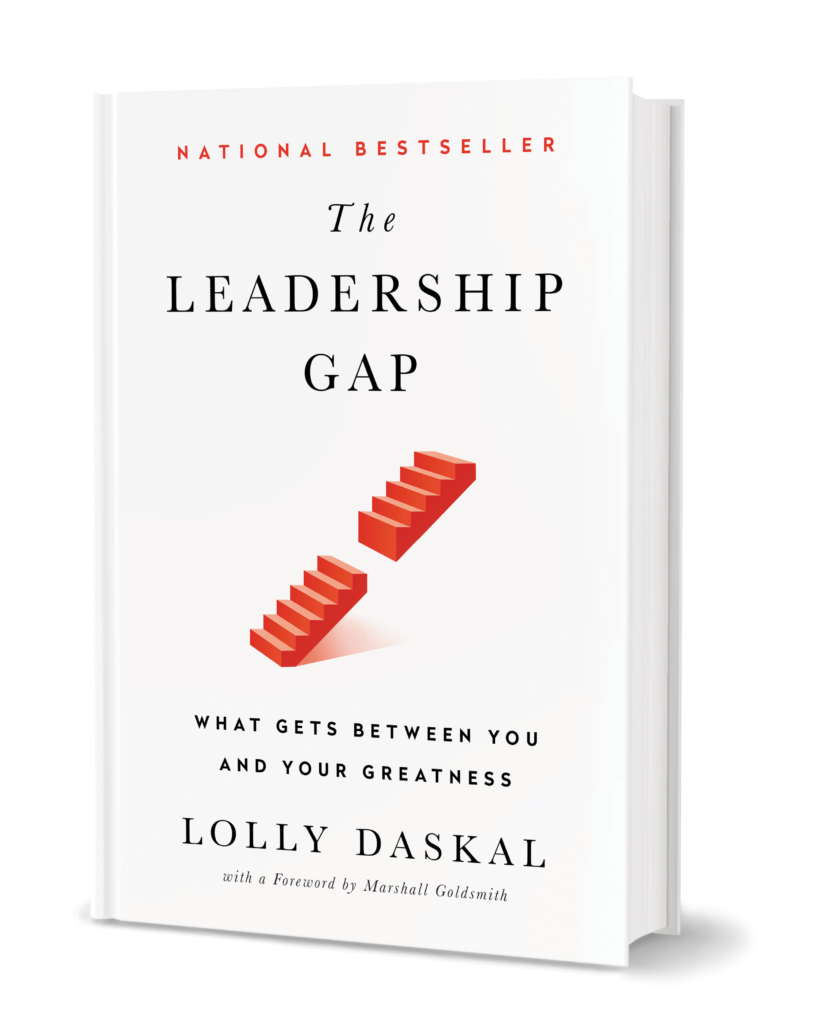
Lolly Daskal, a distinguished executive leadership coach with extensive cross-cultural expertise spanning 14 countries and multiple languages, founded Lead From Within. This proprietary leadership program is designed to empower leaders to enhance performance and drive significant positive change. Daskal’s accolades include being recognized as a Top-50 Leadership and Management Expert by Inc. magazine and honored as The Most Inspiring Woman in the World by the Huffington Post. Her insights have been featured in prominent publications such as Harvard Business Review, Inc.com, Fast Company, Huffington Post, and Psychology Today. Her national bestseller, "The Leadership Gap: What Gets Between You and Your Greatness," delves into the common pitfalls that hinder executive success and offers strategies for overcoming them.
For leaders seeking to understand and bridge their leadership gaps, "The Leadership Gap: What Gets Between You and Your Greatness" provides invaluable guidance. The book explores the essential traits and values that propel leaders to success and the critical junctures where performance can falter. It offers actionable advice for identifying and overcoming the internal barriers that prevent individuals from reaching their full potential.
Additional reading on leadership effectiveness, communication strategies, and building trust within organizations is widely available from reputable sources in business and psychology. These resources often reinforce the principles of authentic leadership, emphasizing the importance of presence, empathy, and direct communication in fostering high-performing teams and resilient organizational cultures.








